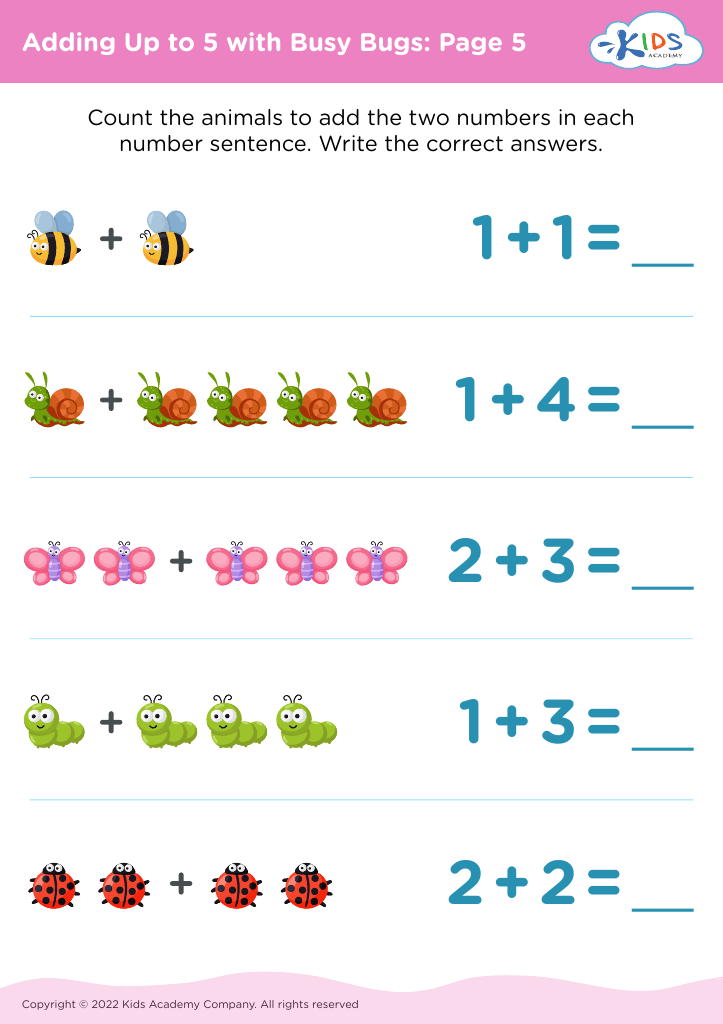
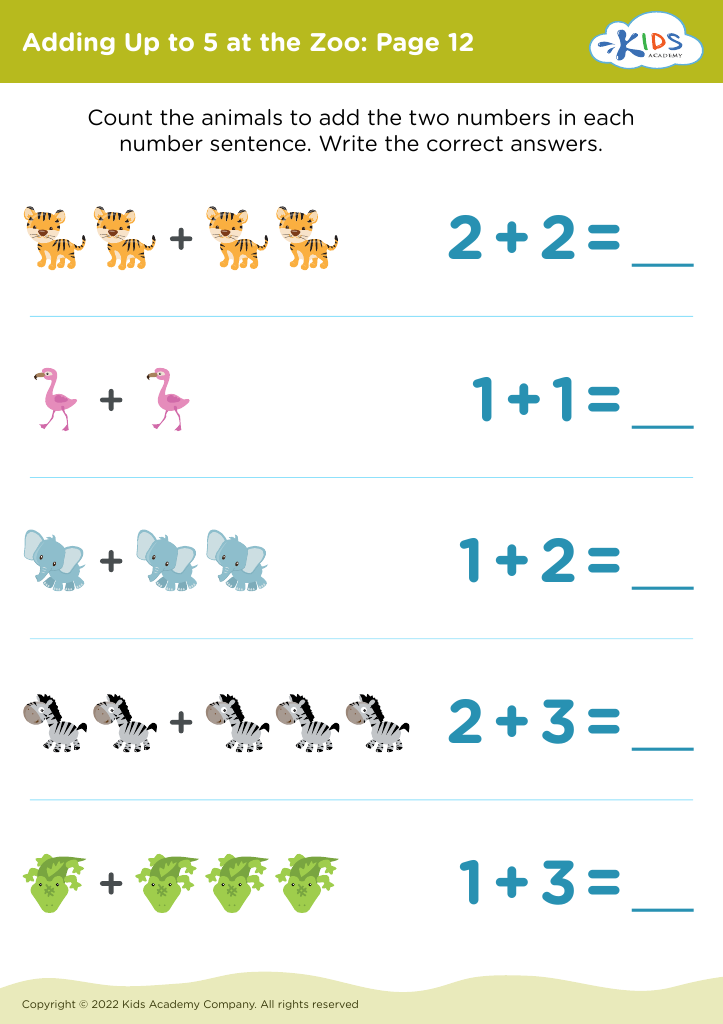
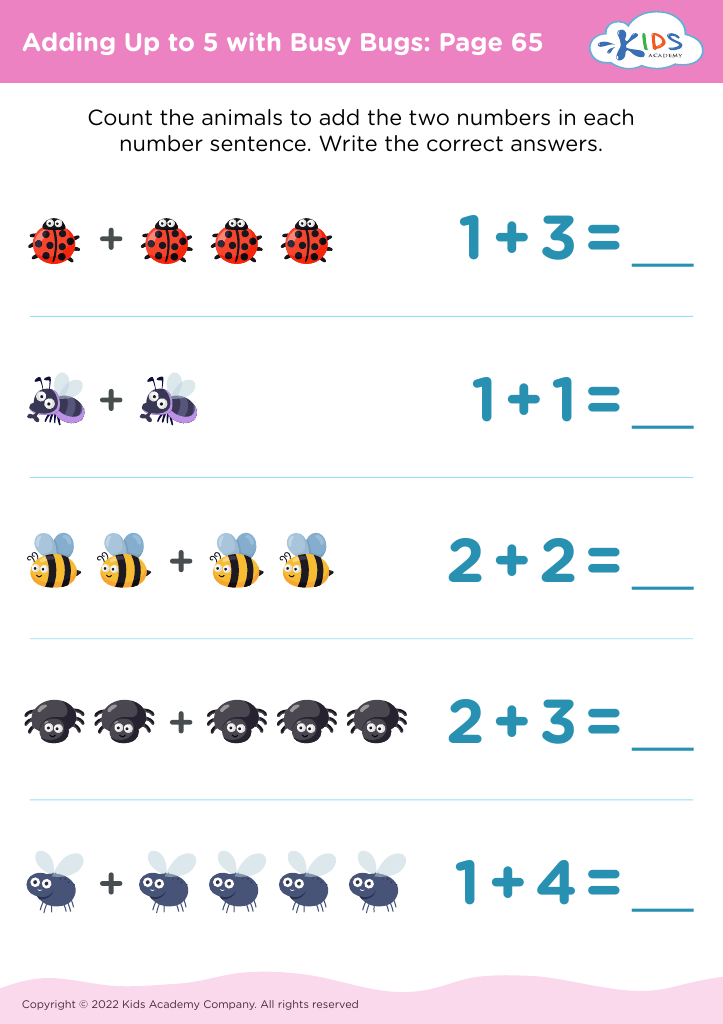
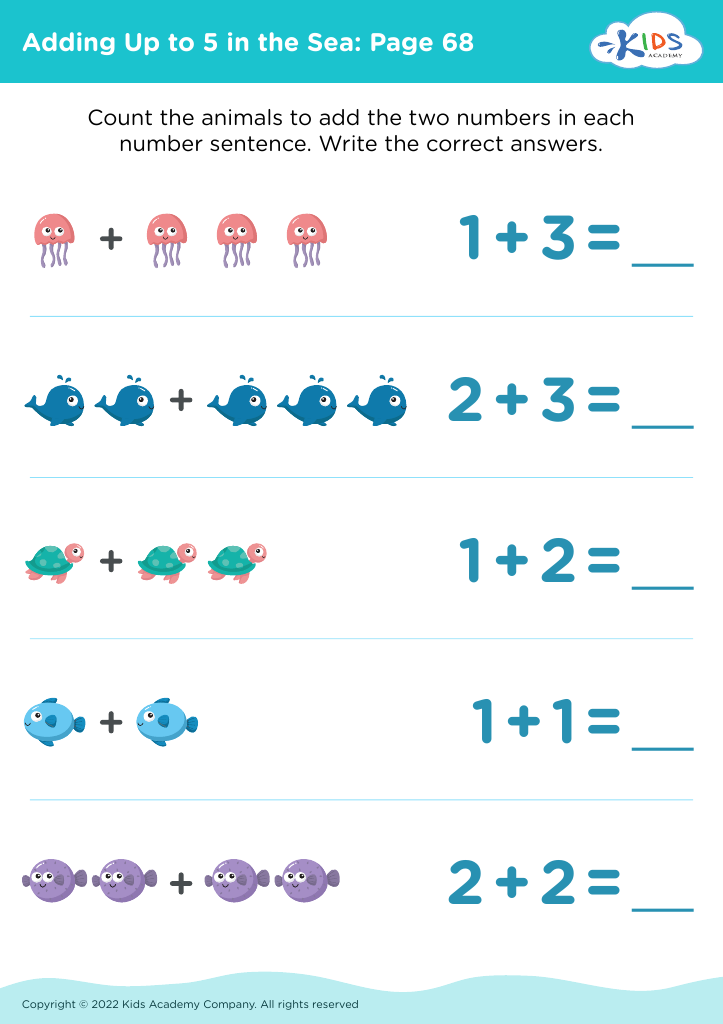
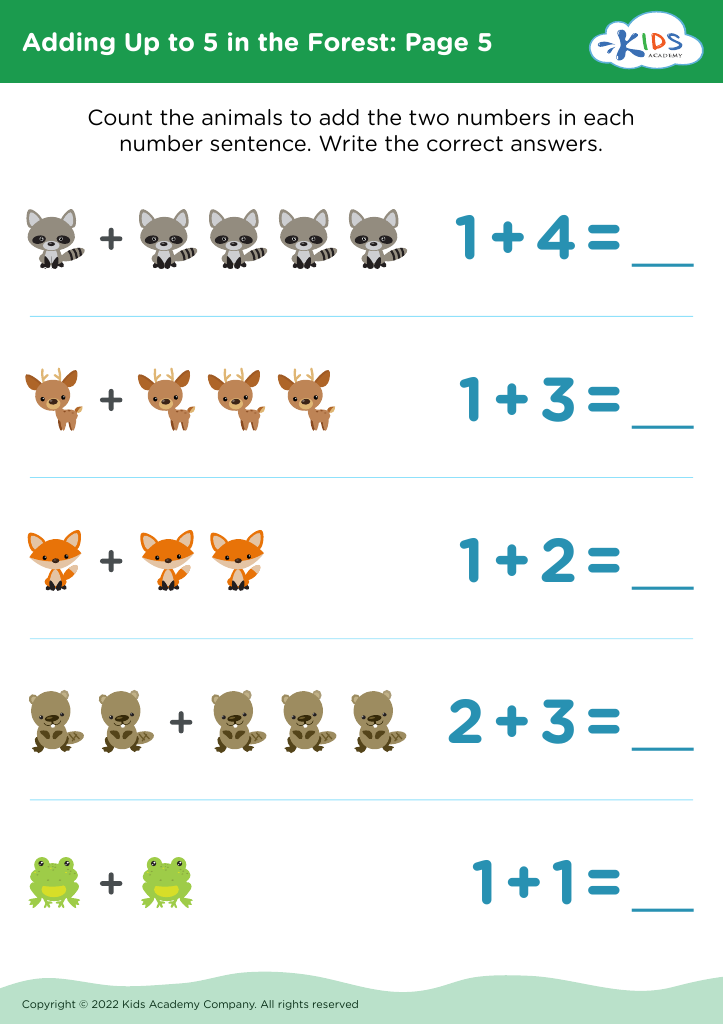
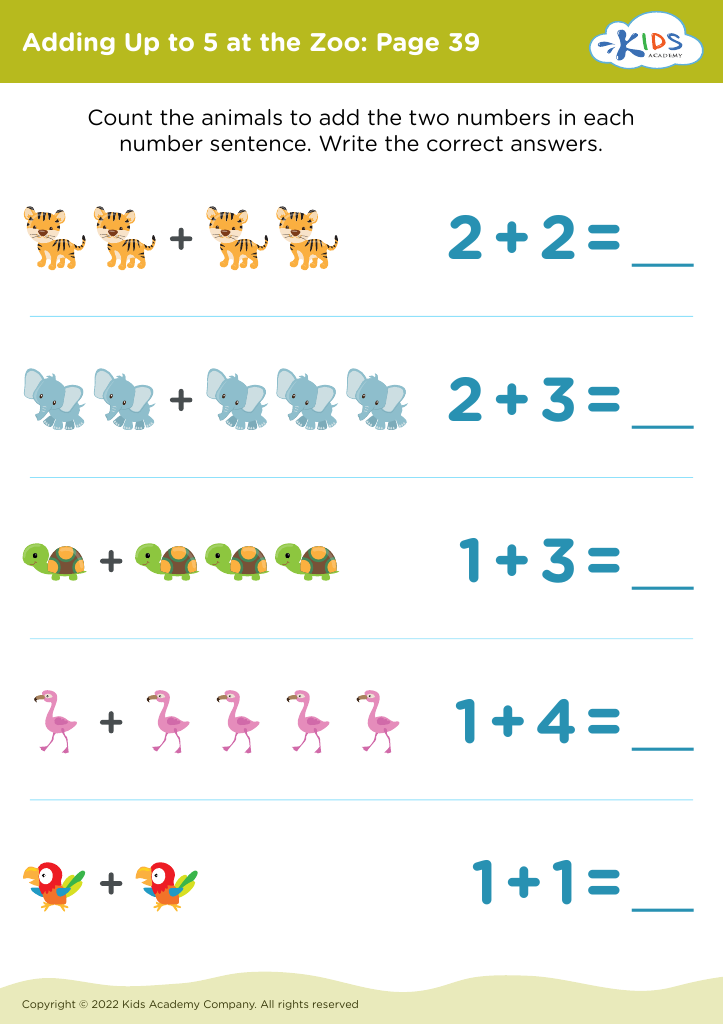
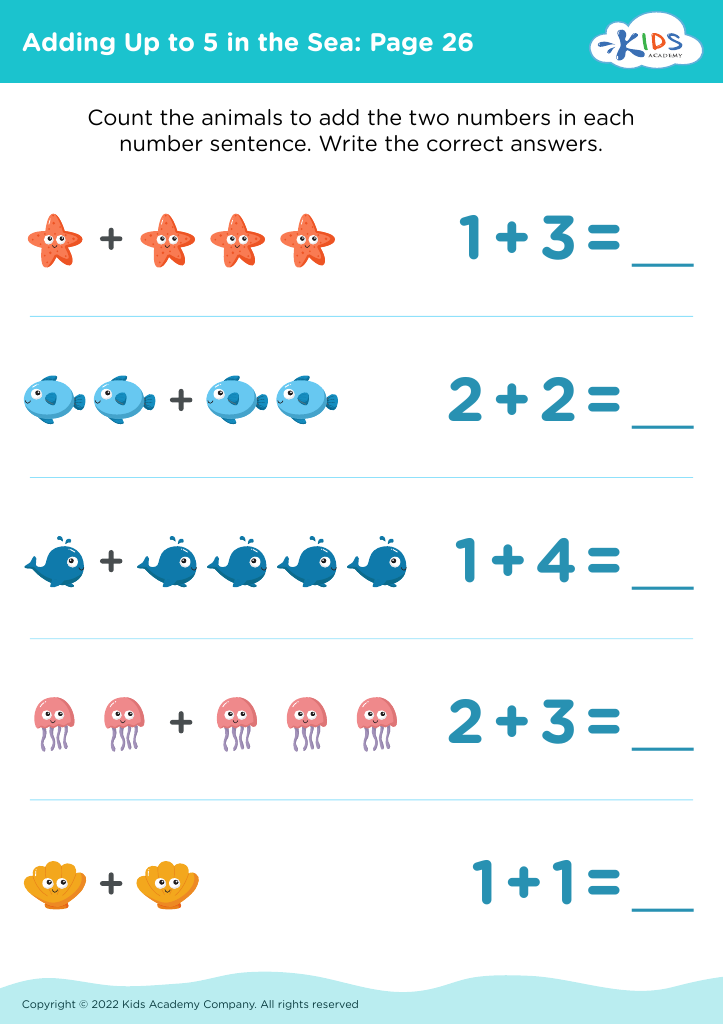
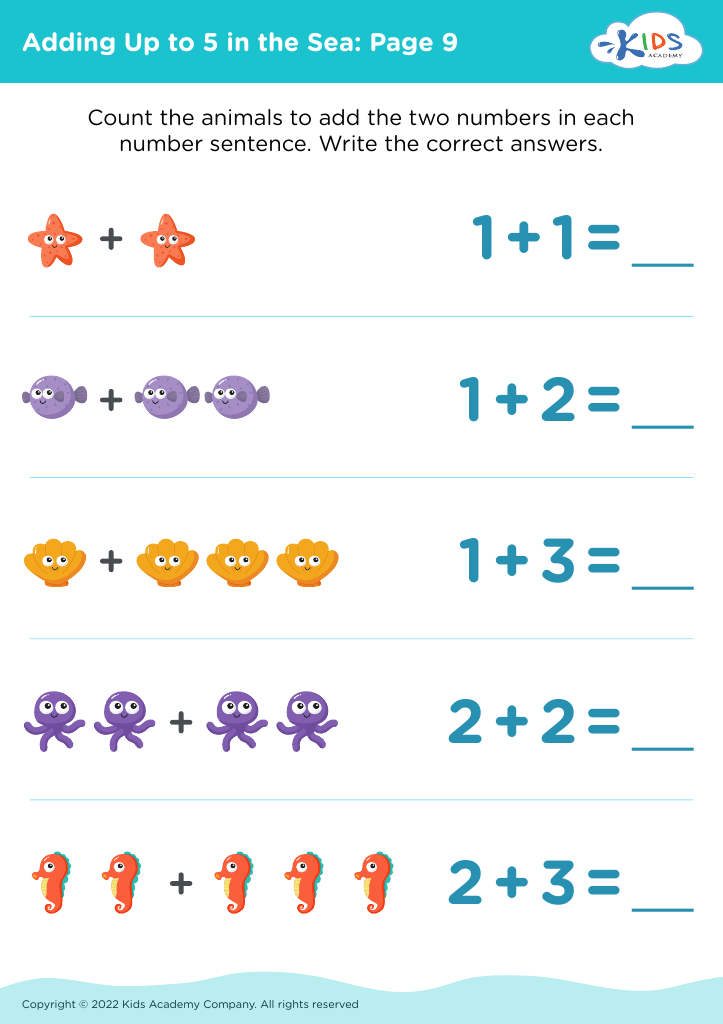







Basic arithmetic serves as the foundation for all future mathematical learning, making it vital for children aged 3-8. At this developmental stage, young learners begin to grasp concepts like counting, addition, and subtraction, which are crucial for their cognitive growth. Understanding these basic operations encourages critical thinking and problem-solving skills, fostering a nurturing environment where children feel confident in exploring complex ideas later.
Parents and teachers play a pivotal role in cultivating this early enthusiasm for math. Engaging children with hands-on activities, such as counting games, interactive applications, or everyday math problems, can spark a genuine interest in the subject. These interactions not only enhance arithmetic skills but also promote language development, as children learn to articulate their thought processes.
Moreover, strong foundational skills in these early years benefit academic performance across various subjects. Research indicates that early math knowledge is a strong predictor of later academic success. By prioritizing basic arithmetic, parents and teachers ensure children develop essential numeracy skills, supporting a lifelong appreciation for learning and equipping them for future challenges. Ultimately, an early focus on arithmetic nurtures both personal and academic growth, forming the basis for a well-rounded education.








