Basic Math understanding Math Worksheets for Ages 3-8
12 filtered results
-
From - To
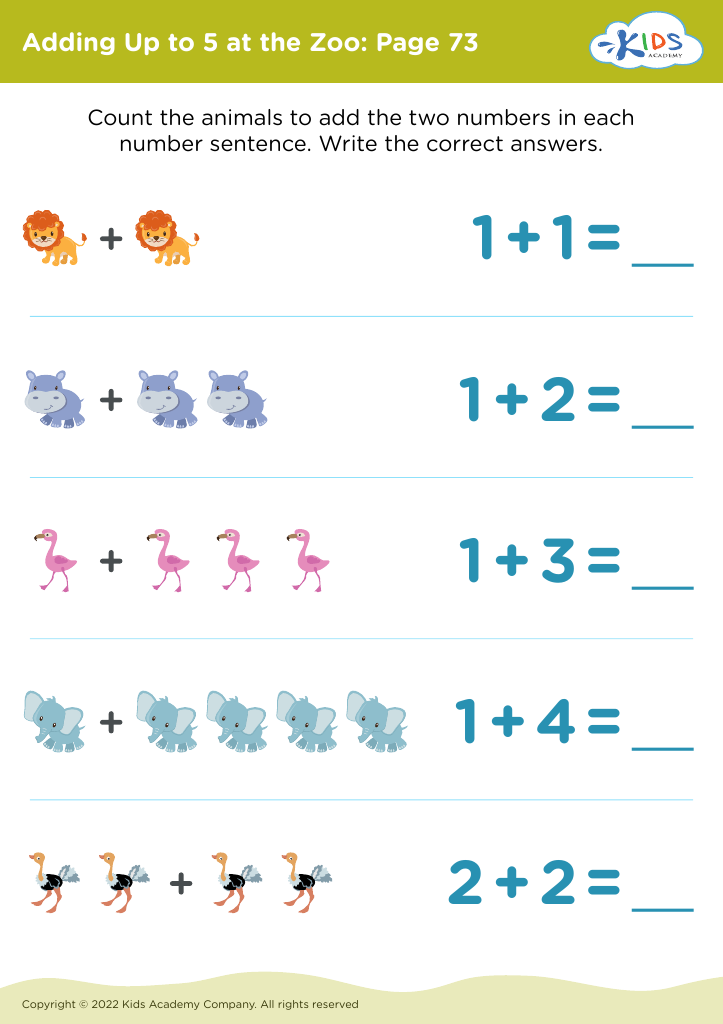
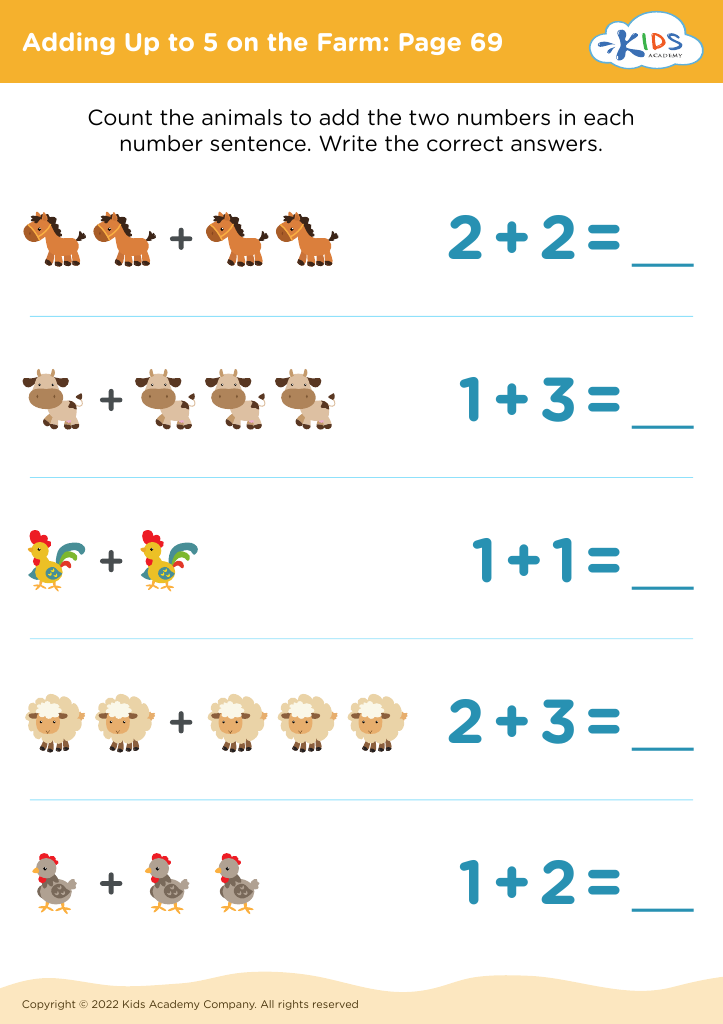
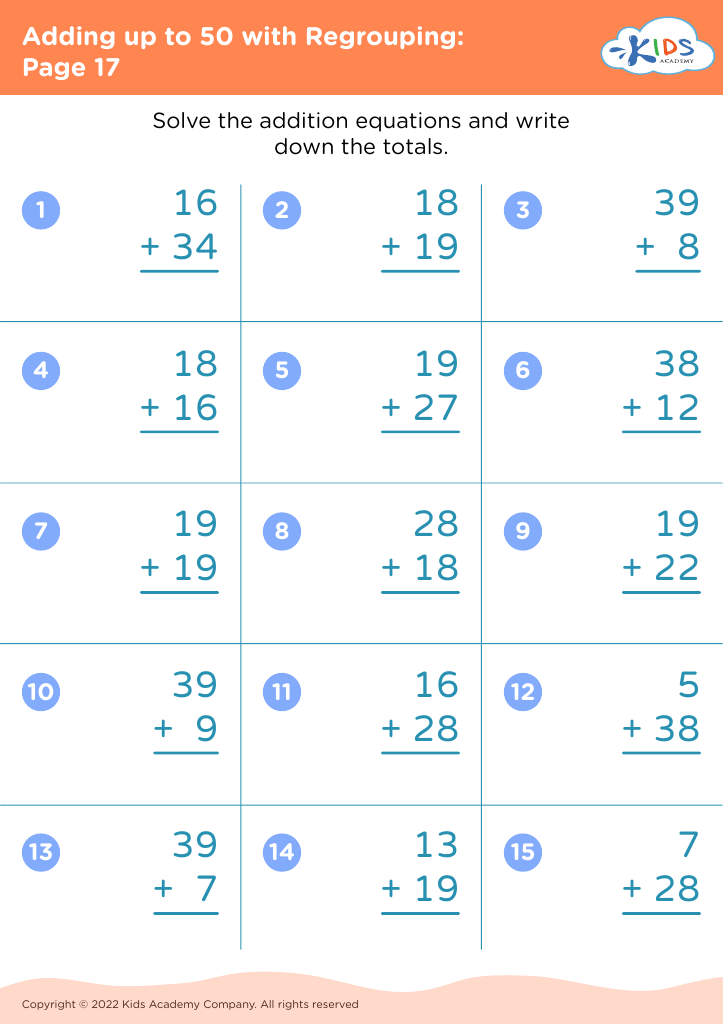
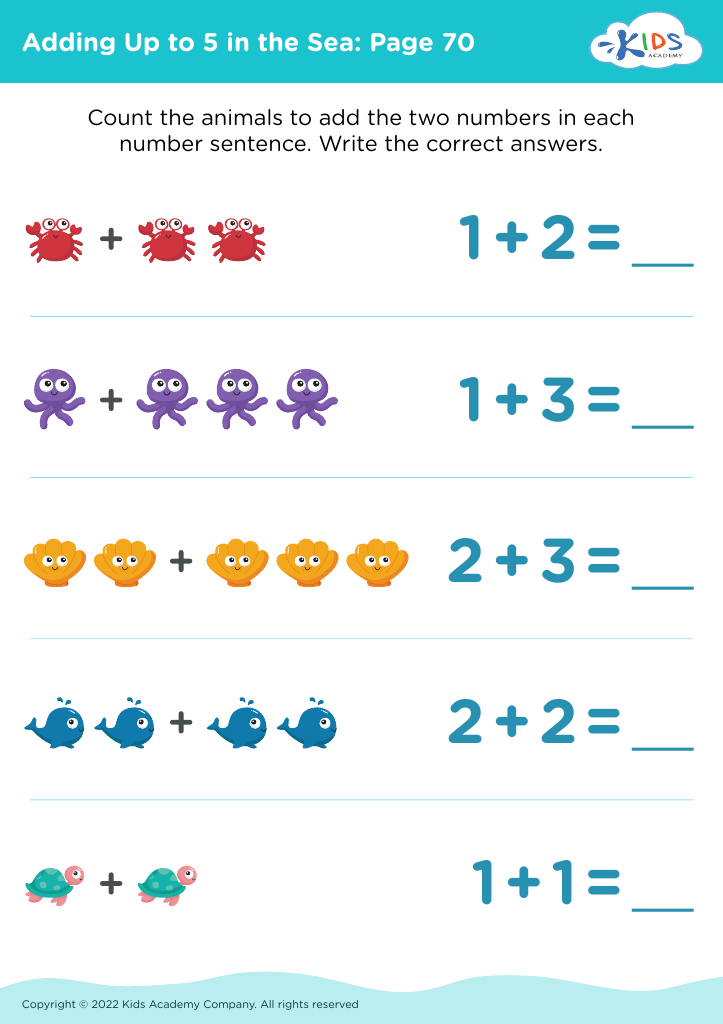
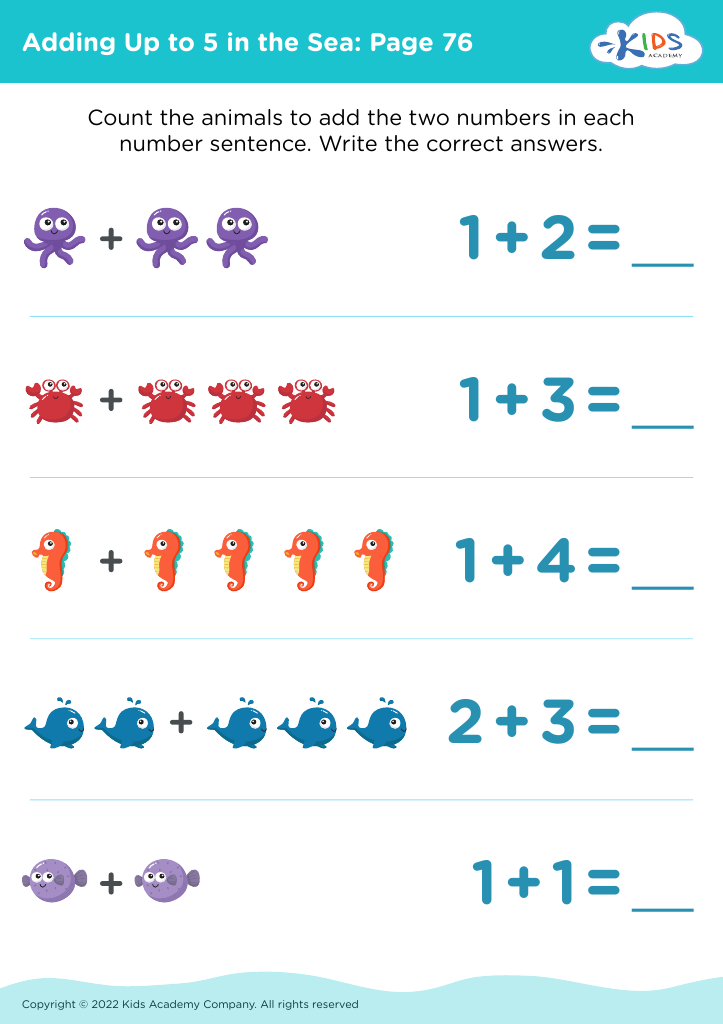
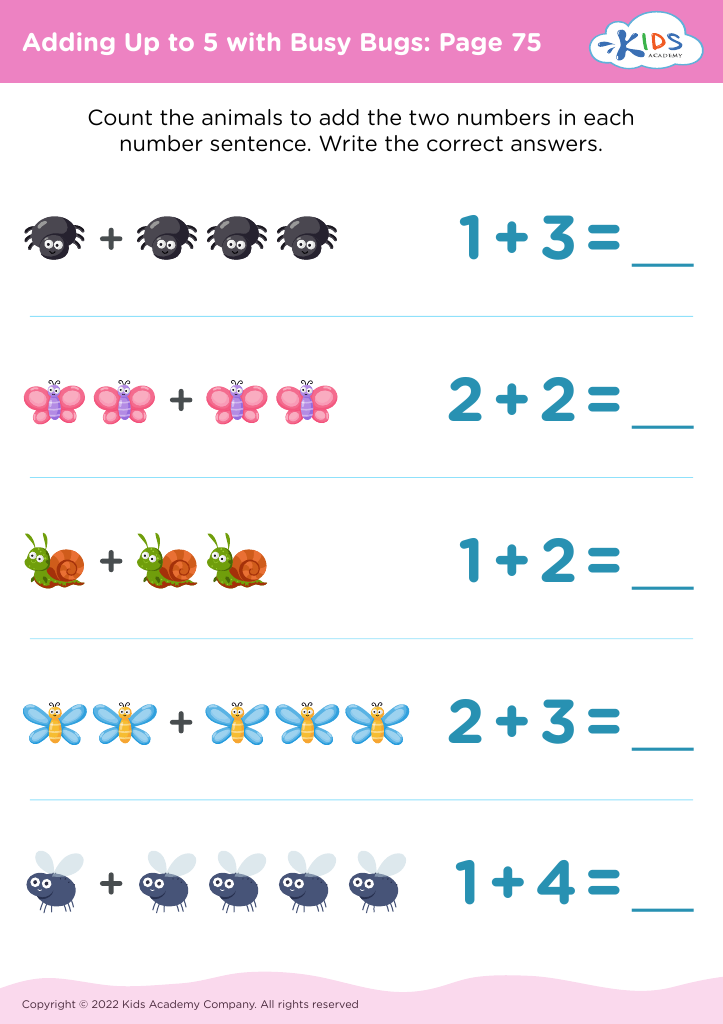
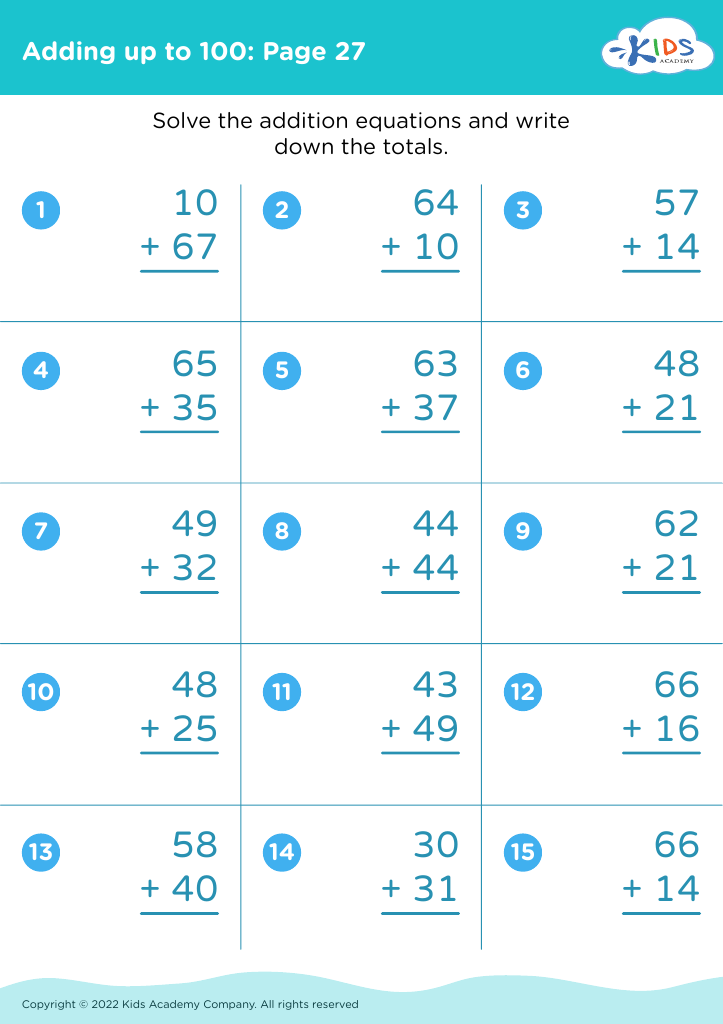
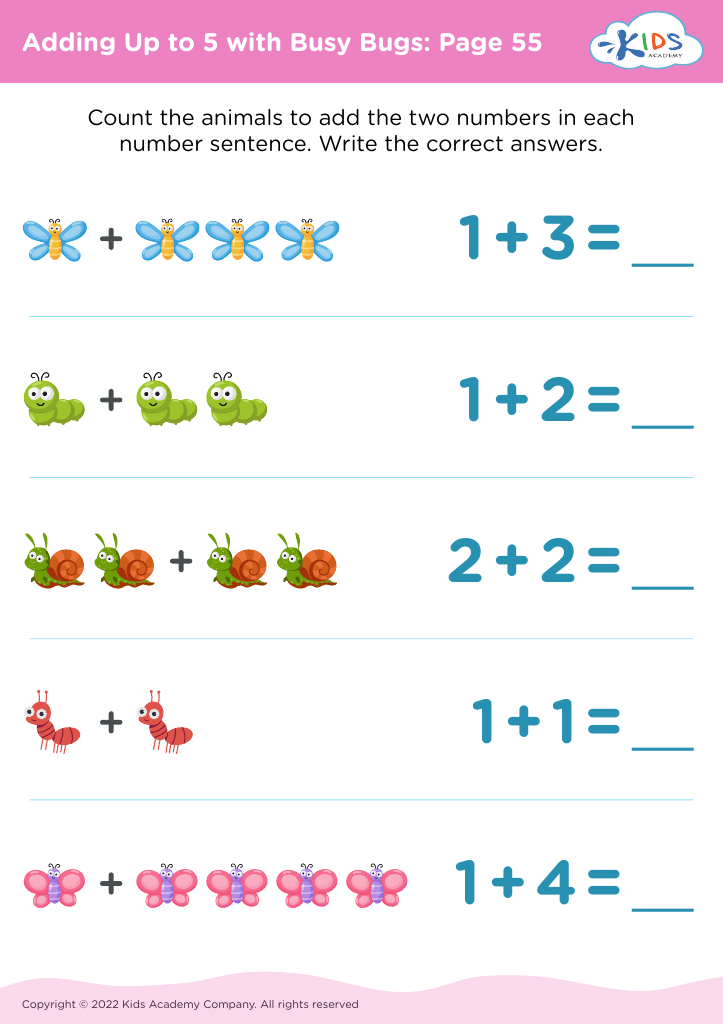
Discover our engaging Basic Math Understanding Math Worksheets designed specifically for children ages 3-8. These colorful, interactive worksheets help young learners grasp essential math concepts such as counting, number recognition, addition, and subtraction in a fun and accessible way. With a variety of activities, including matching games, puzzles, and drawing exercises, children can build a solid math foundation while enhancing their problem-solving skills. Perfect for both classroom and at-home learning, our worksheets encourage curiosity and creativity. Help your little ones become confident mathematicians with our comprehensive math resources. Start their math journey today with Kids Academy's thoughtfully designed worksheets!
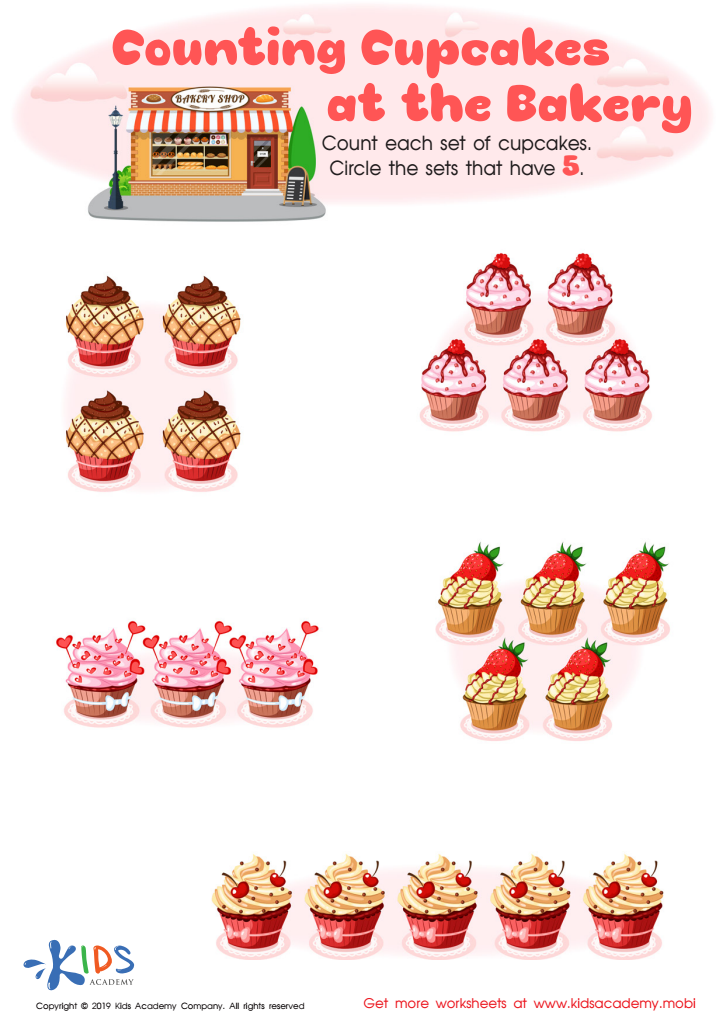
Counting Cupcakes Worksheet
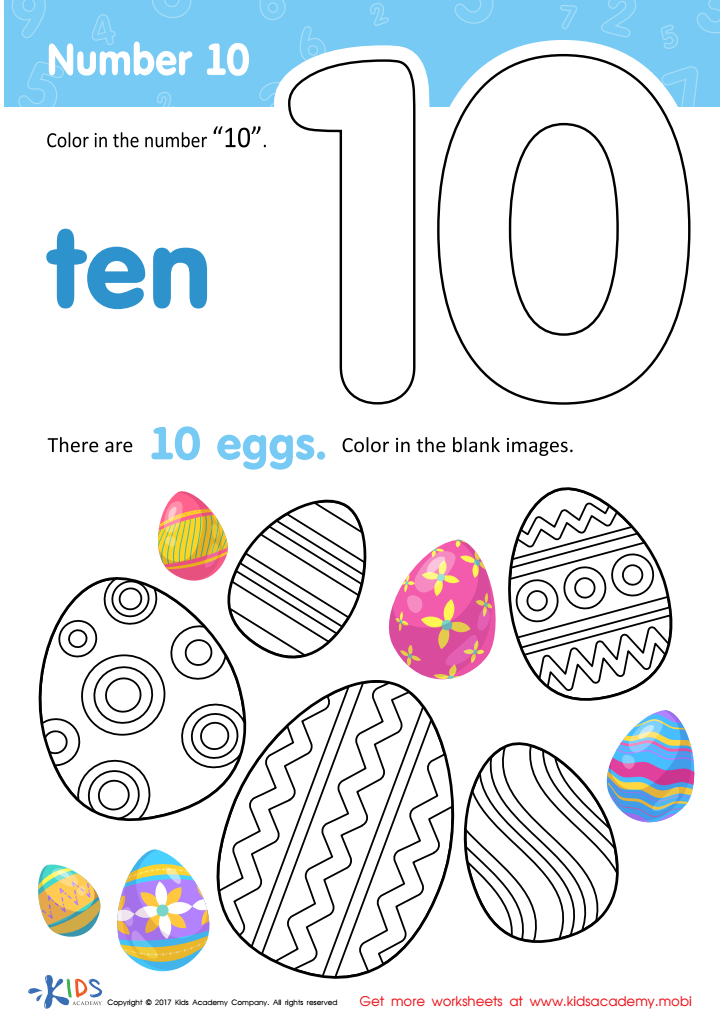
Number 10 Printable
 Assign to My Students
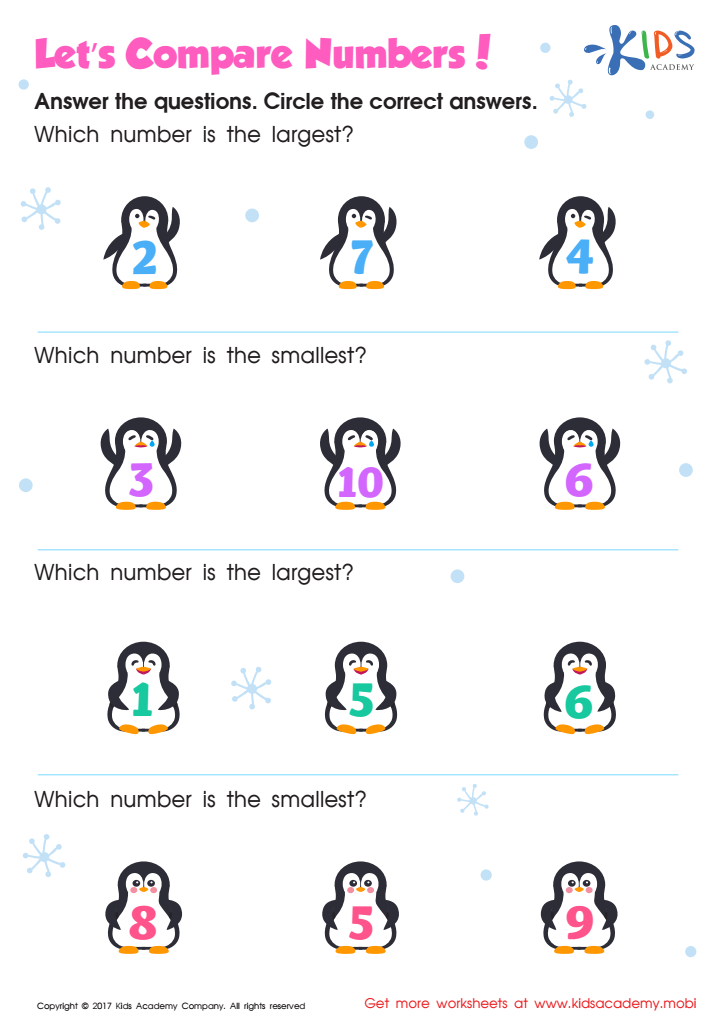
Comparing Numbers 1–10 Worksheet Kindergarten
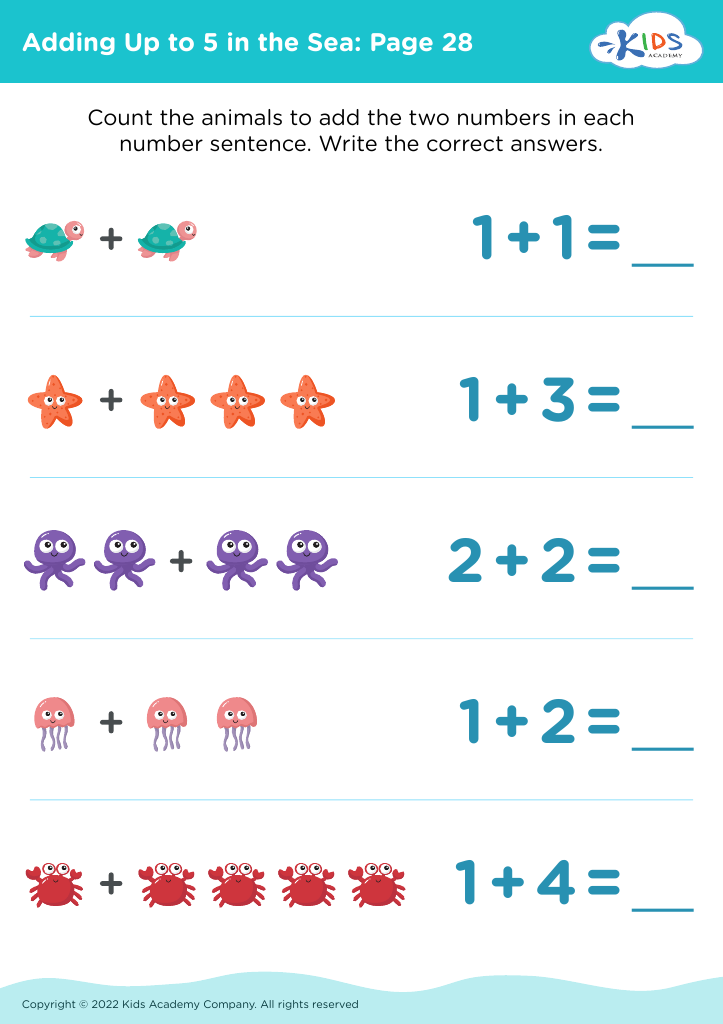






Understanding basic math concepts is crucial for children aged 3 to 8 as it lays the foundation for their entire academic journey. At this stage, kids develop essential skills that are not only significant for math but also enhance their overall cognitive development. Engaging with numbers, patterns, and simple calculations cultivates critical thinking, problem-solving skills, and logical reasoning.
For parents and teachers, fostering a strong math foundation helps children gain confidence in their abilities. Early exposure to math-related activities nurtures a positive attitude towards learning and instills a lifelong appreciation for mathematics. When children grasp basic math concepts—like counting, sorting, and measuring—they develop vital practical skills. These skills are applied daily, from sharing snacks evenly to understanding time, cultivating future independent thinkers.
Moreover, basic math is intrinsic to various subjects, including science, technology, engineering, and even art. By emphasizing math understanding from an early age, caregivers are preparing children for more complex topics in the future. In this way, investing time and resources in early math education not only benefits a child's educational development but also equips them with tools for success in a rapidly changing world.








