
Color matching Math Worksheets for Ages 3-8
3 filtered results
Difficulty Level
Grade
Age
-
From - To
Subject
Activity
Standards
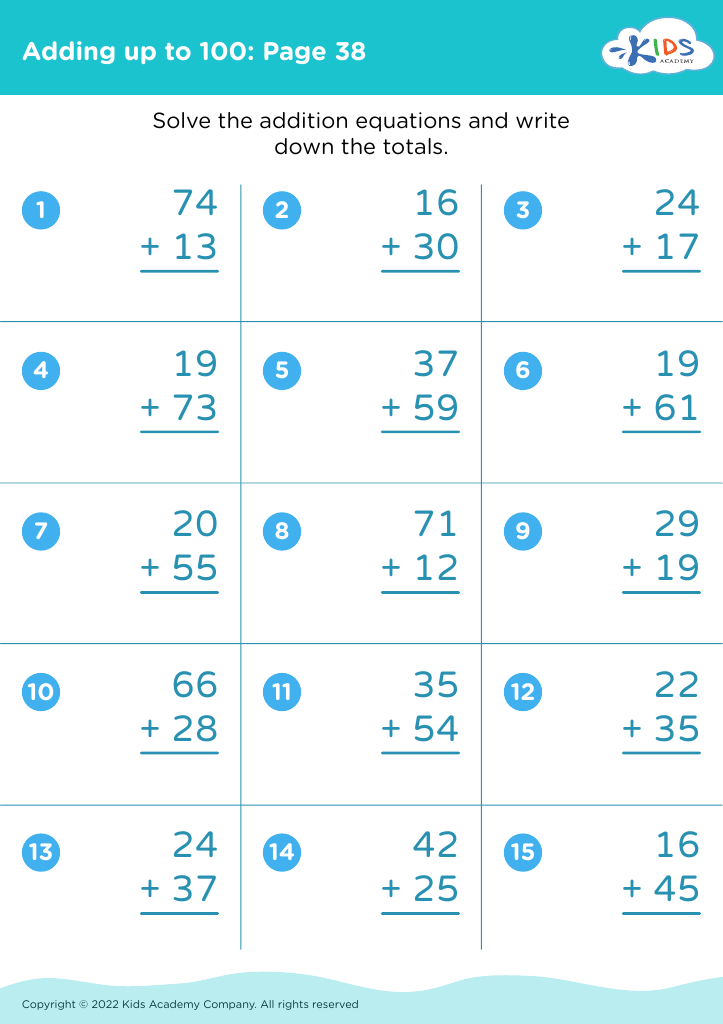
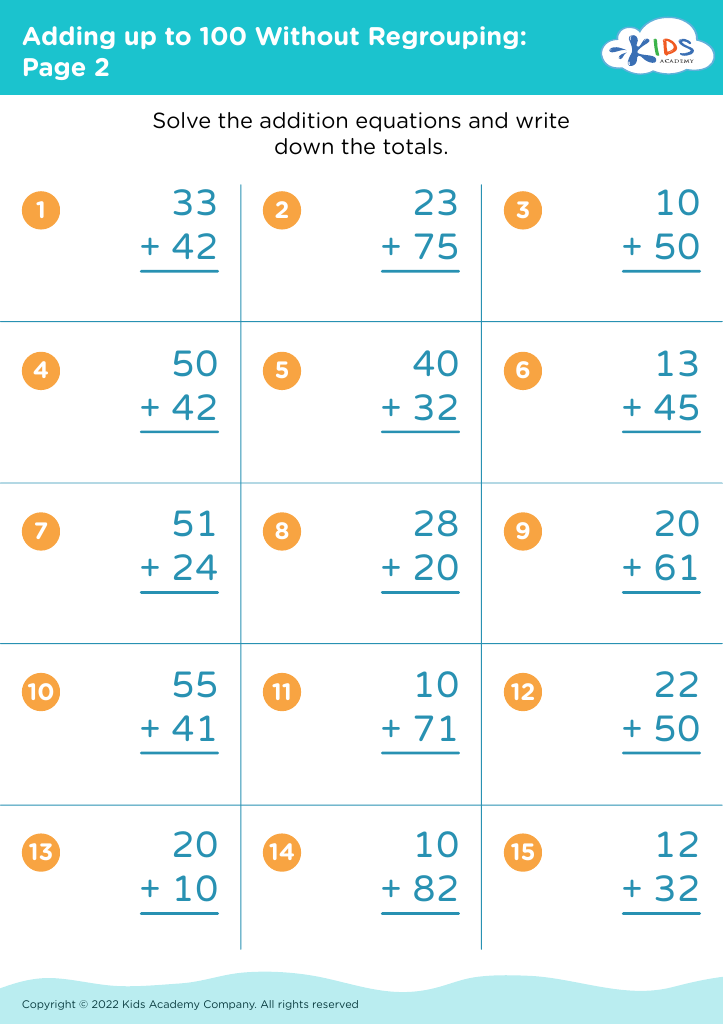
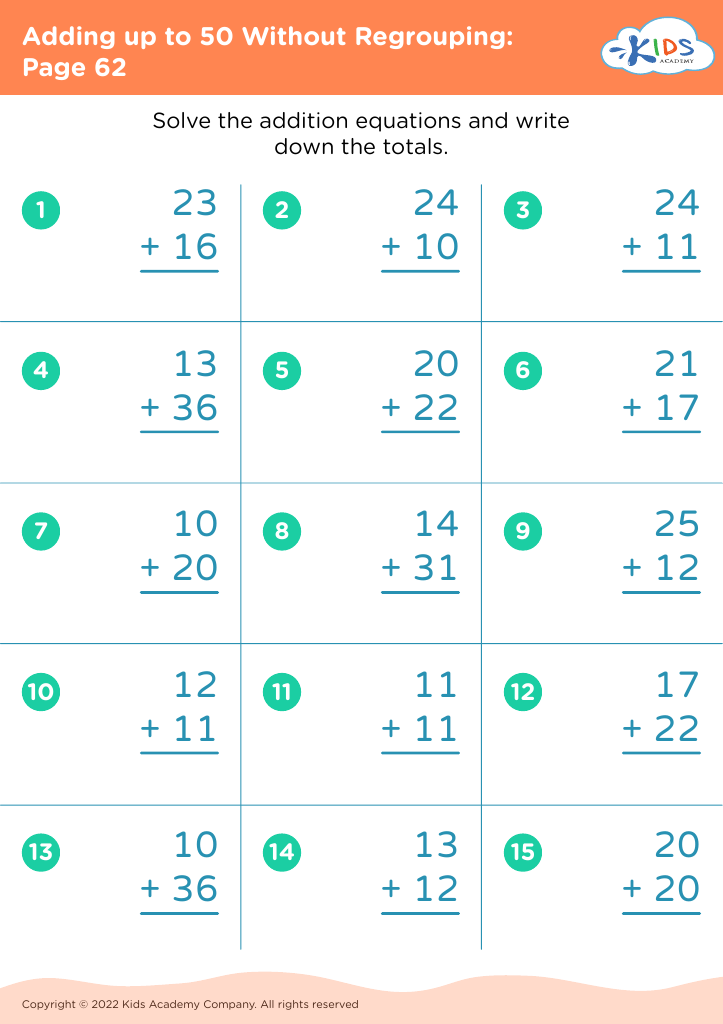
Unlock the vibrant world of learning with our Color Matching Math Worksheets designed for children ages 3 to 8! These engaging worksheets combine early math skills with colorful fun, fostering critical thinking and enhancing visual recognition. Each activity encourages kids to identify, match, and sort colors while developing number sense and problem-solving abilities. Perfect for home or classroom use, our printable resources create an interactive and visually stimulating environment, making learning enjoyable. Explore a variety of exercises that cater to different learning styles, ensuring every child can thrive in their mathematical journey. Dive into a colorful adventure in learning today!
Favorites
With answer key
Interactive
Join Kids Academy for Free
Who is primarily going to use this learning content?







Color matching math for ages 3-8 is an engaging and interactive way to introduce young learners to essential mathematical concepts while stimulating their cognitive development. At this age, children are naturally drawn to colors, which can motivate their participation and enthusiasm for learning. By integrating color matching into math activities, children can develop foundational skills such as counting, sorting, and pattern recognition in a playful manner.
Engaging with colors helps to reinforce visual discrimination abilities, which are crucial for understanding concepts like greater than, less than, and equality. Additionally, when children associate colors with numbers or quantities, they enhance their memory retention and comprehension. Teachers and parents should care about this approach because it fosters a love for mathematics at an early age, breaking down anxiety associated with math later in life.
Furthermore, color matching activities promote social skills as children often work in pairs or groups to solve problems, share findings, and collaborate. This inclusive learning environment helps to build self-esteem and confidence. Ultimately, caring about color matching math means providing children with a strong, joyful foundation in both numeracy and cooperative skills that will benefit their future educational journeys.








