Color recognition Math Worksheets for Ages 3-8
36 filtered results
-
From - To
Unlock your child’s creativity and cognitive skills with our Color Recognition Math Worksheets designed for ages 3-8! These engaging, printable worksheets seamlessly blend color identification with foundational math concepts. Children will reinforce their understanding through fun exercises, such as sorting objects by color, counting colorful items, and solving simple equations involving vibrant visuals. Perfect for preschoolers and early learners, our worksheets encourage interactive learning and help boost critical thinking. Perfect for at-home education or classroom use, these resources ensure that your child develops color recognition and essential math skills in a joyous and imaginative manner! Start their learning journey today!
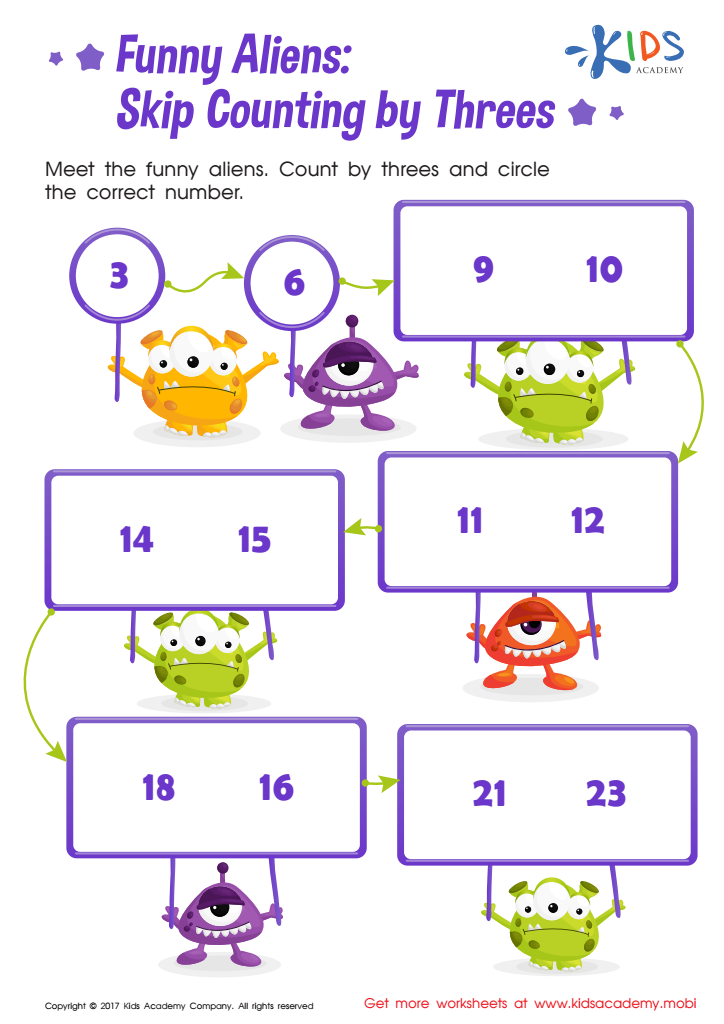
Skip Counting by 3s: Funny Aliens Printable
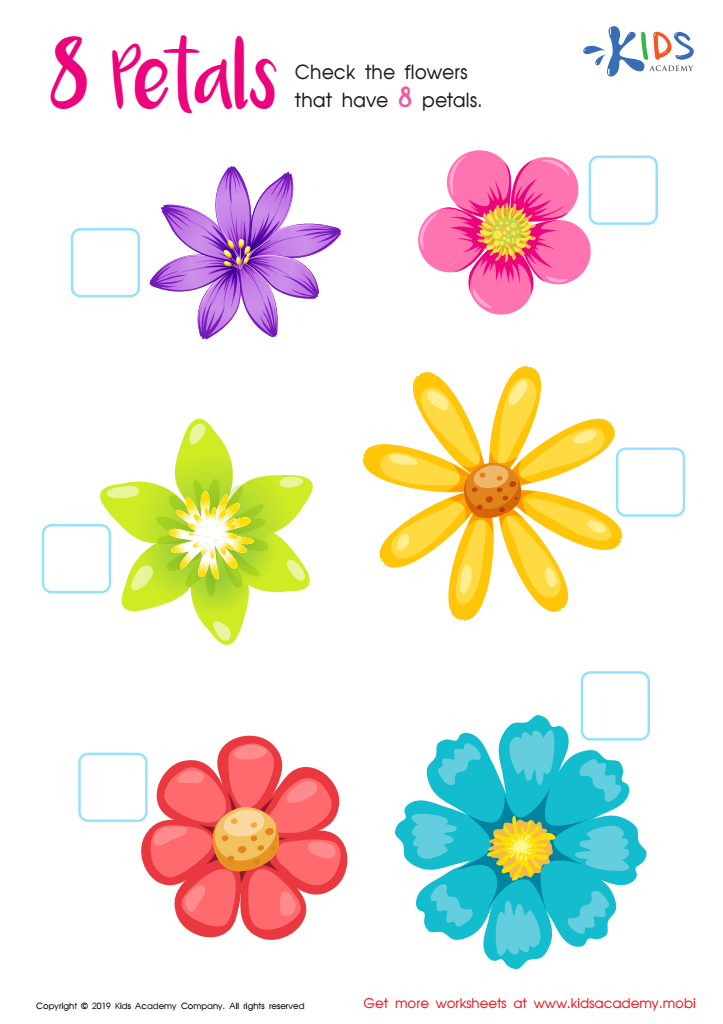
8 Petals Worksheet
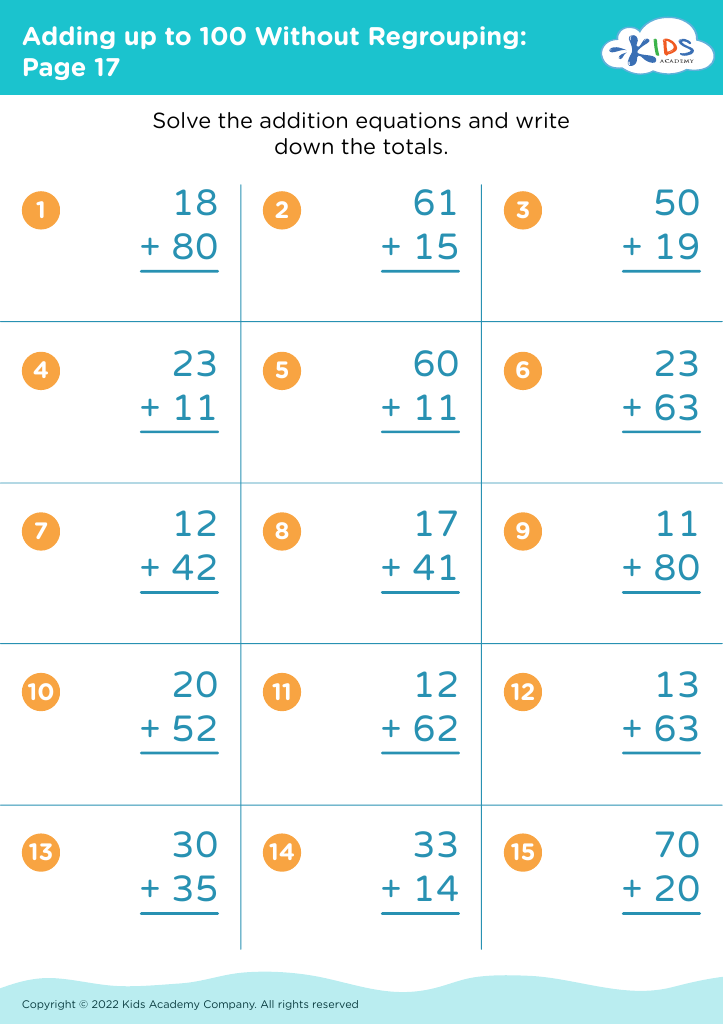
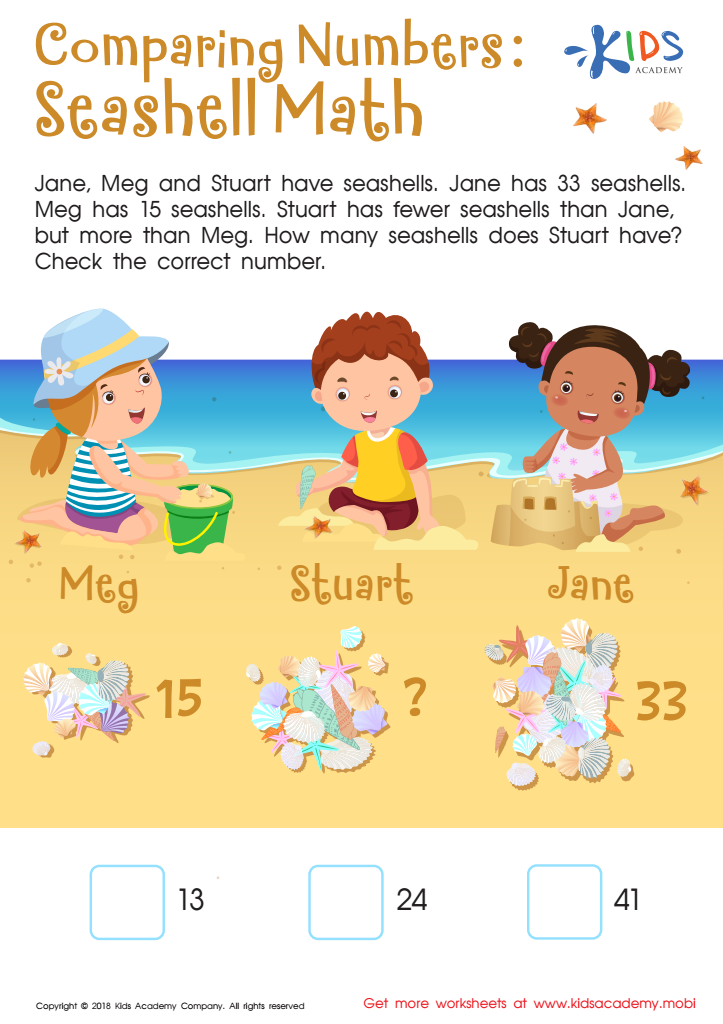
Seashell Collectors Worksheet
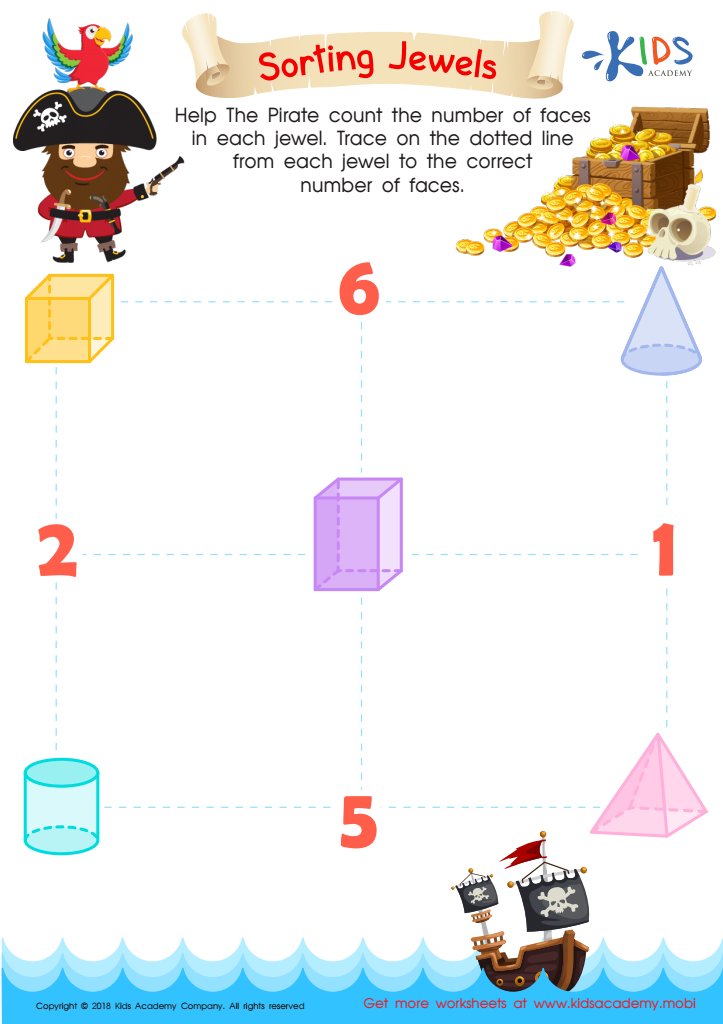
Sorting Jewels Worksheet
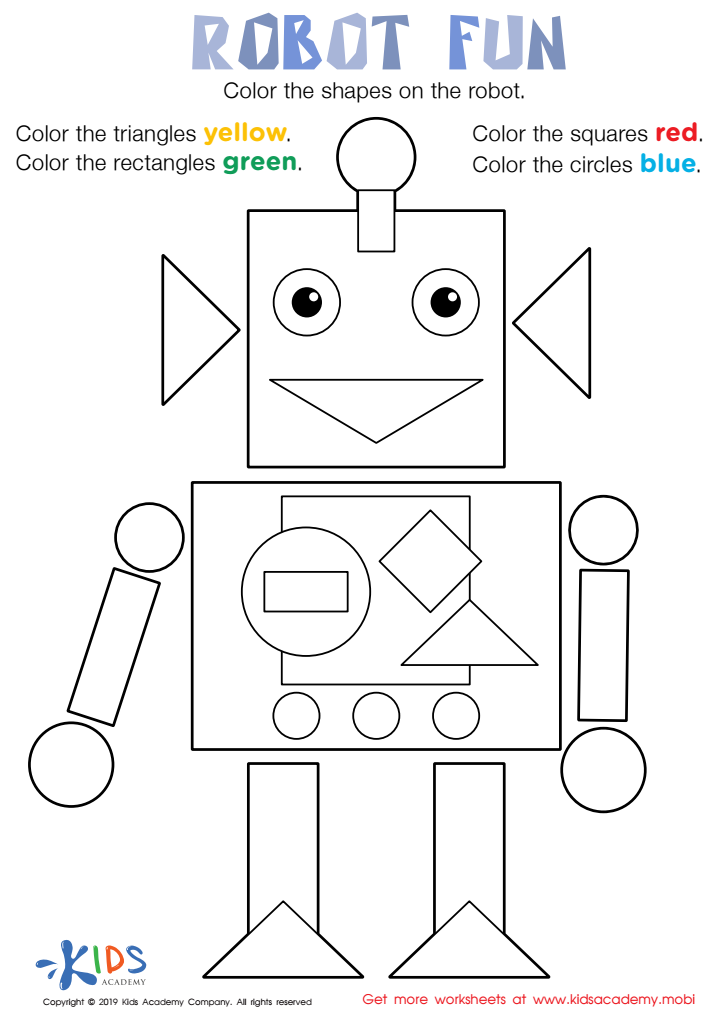
Robot Fun Worksheet
 Assign to My Students
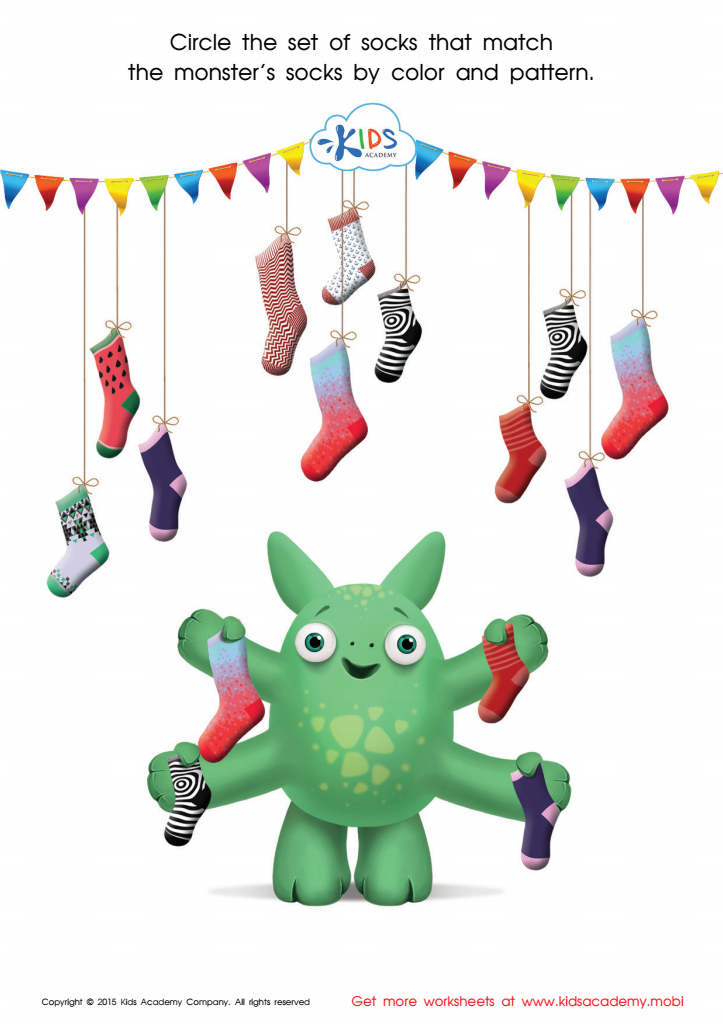
Sort the Monster's Socks Worksheet
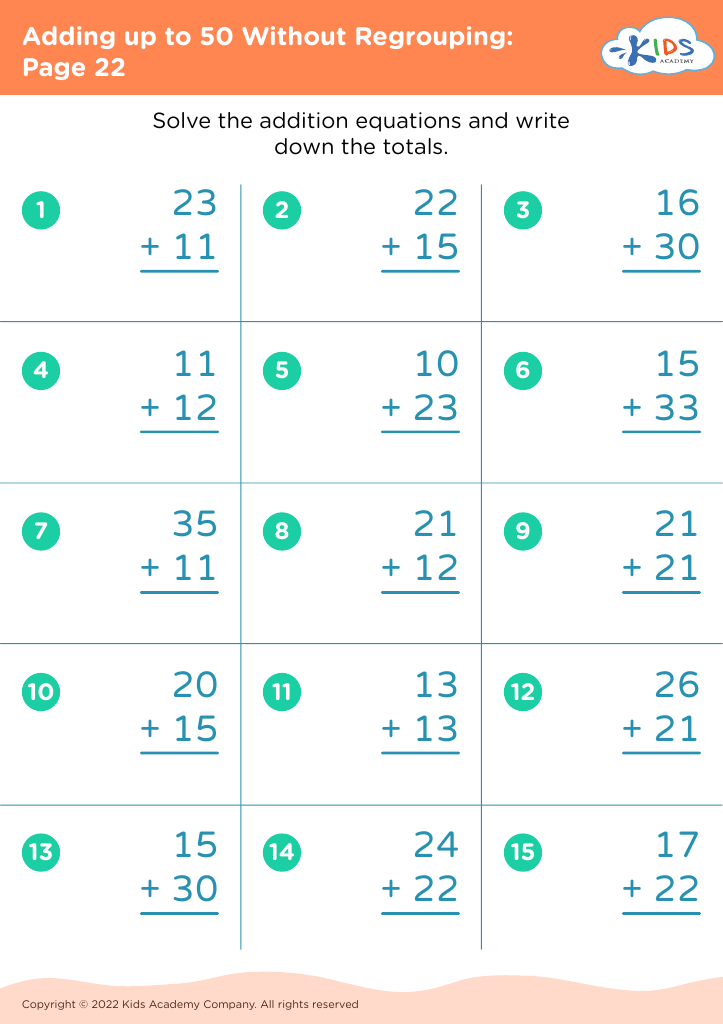
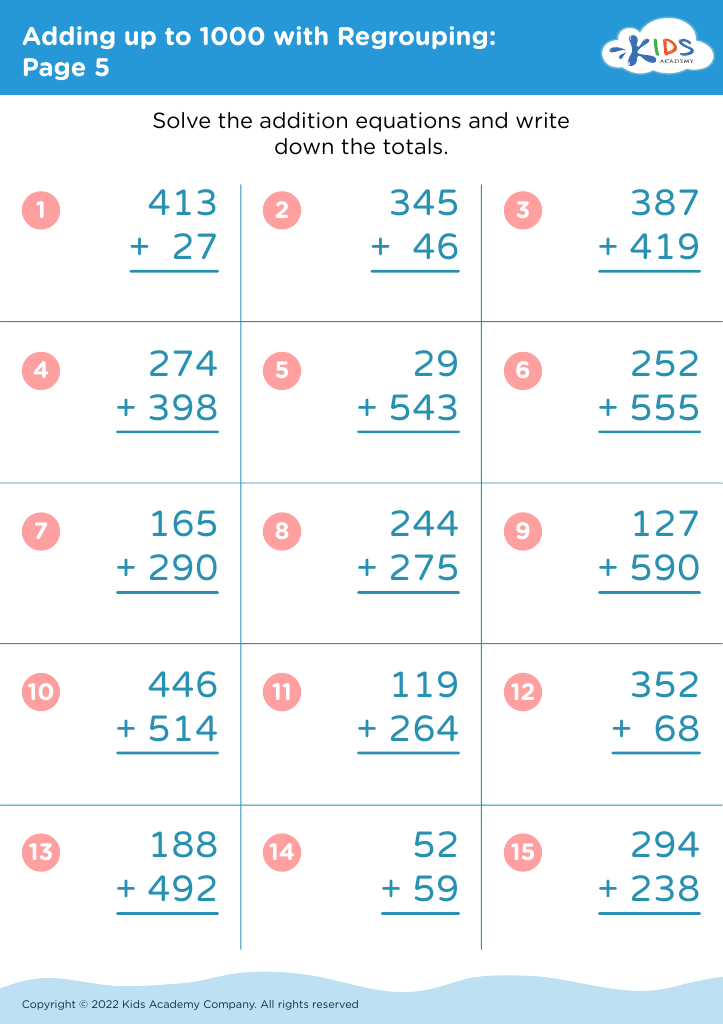
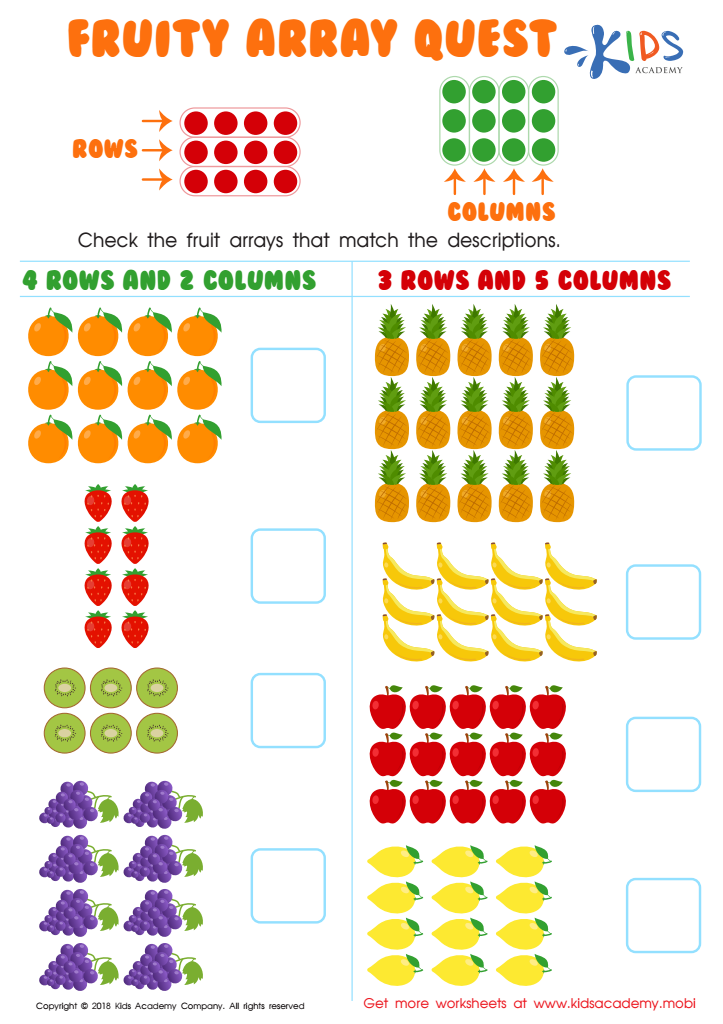
Fruity Array Quest Worksheet
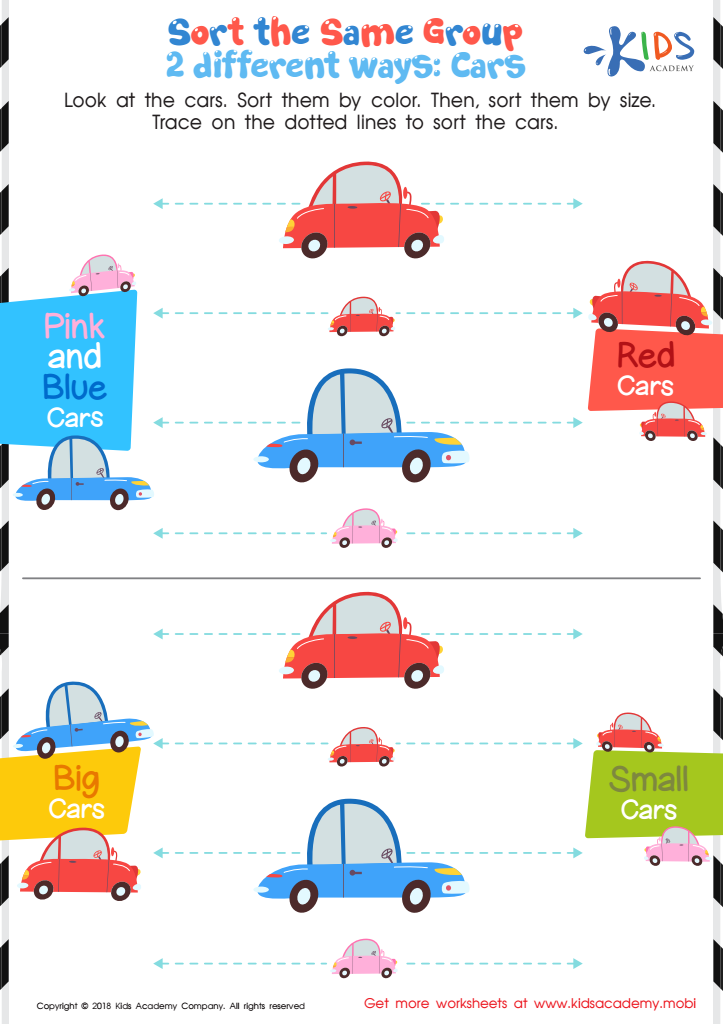
Sort the Same Group 2 Different Ways: Cars Worksheet
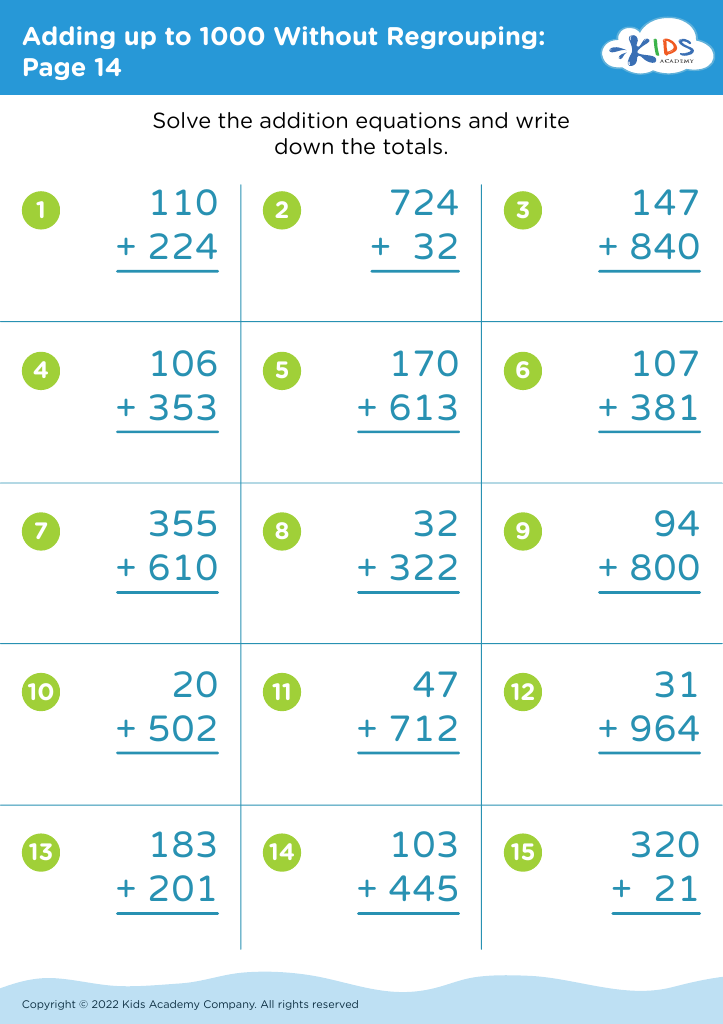
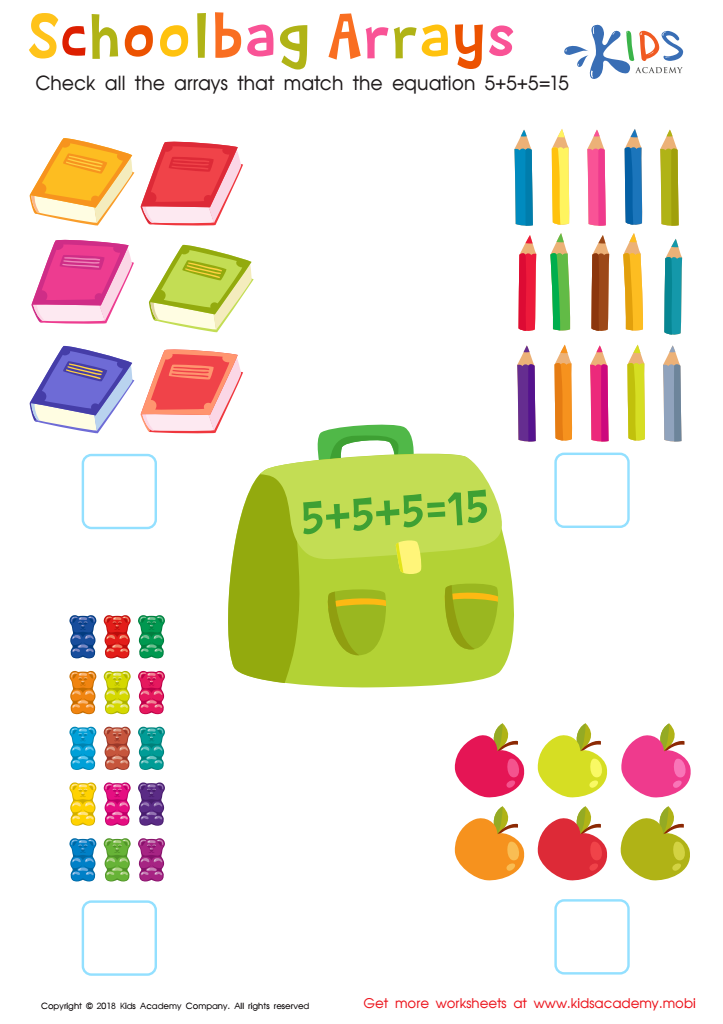
Schoolbag Arrays Worksheet
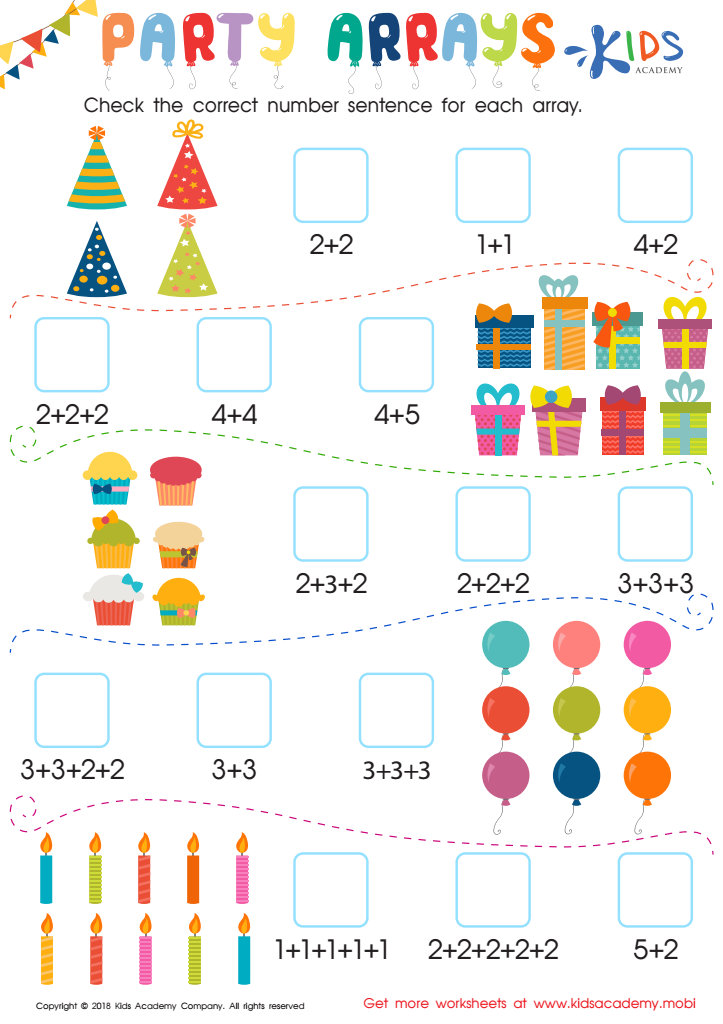
Party Arrays Worksheet
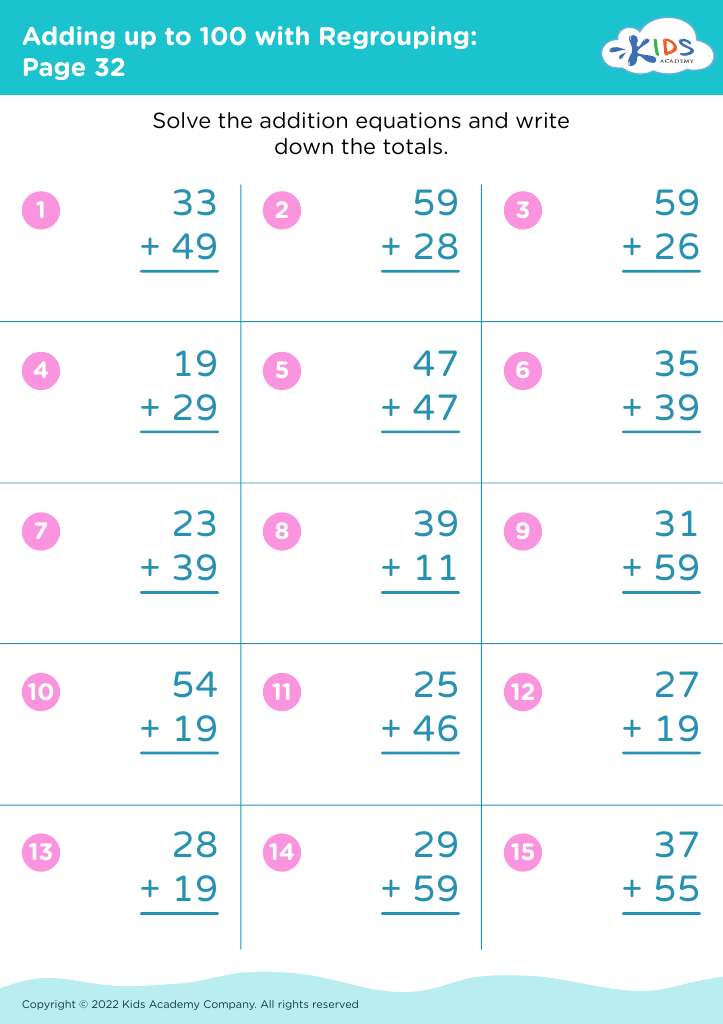
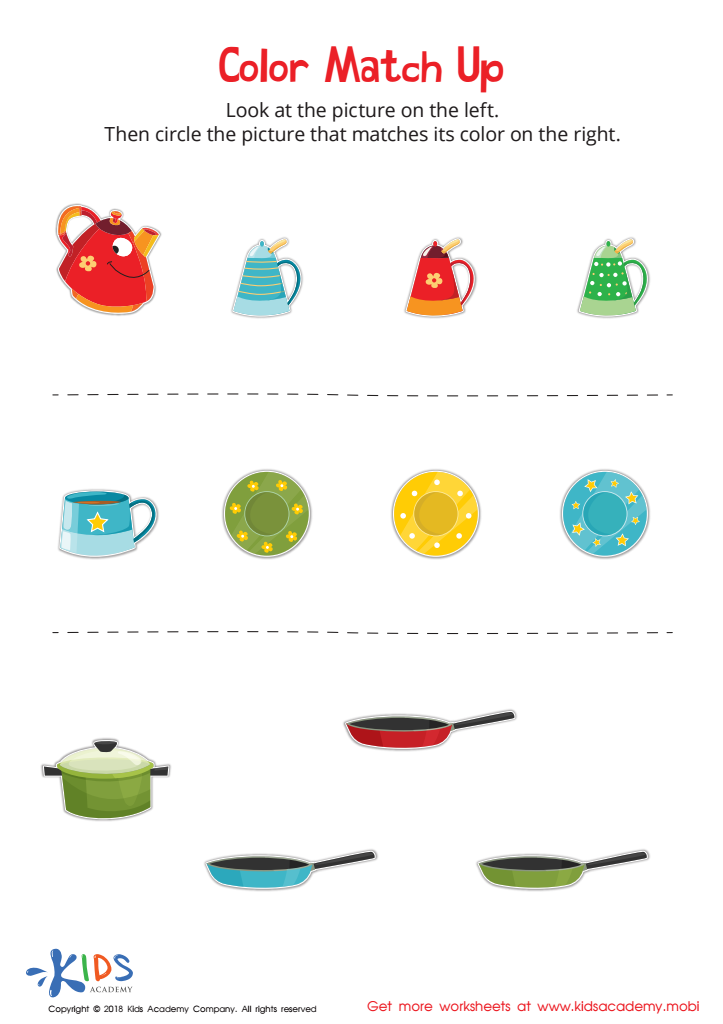
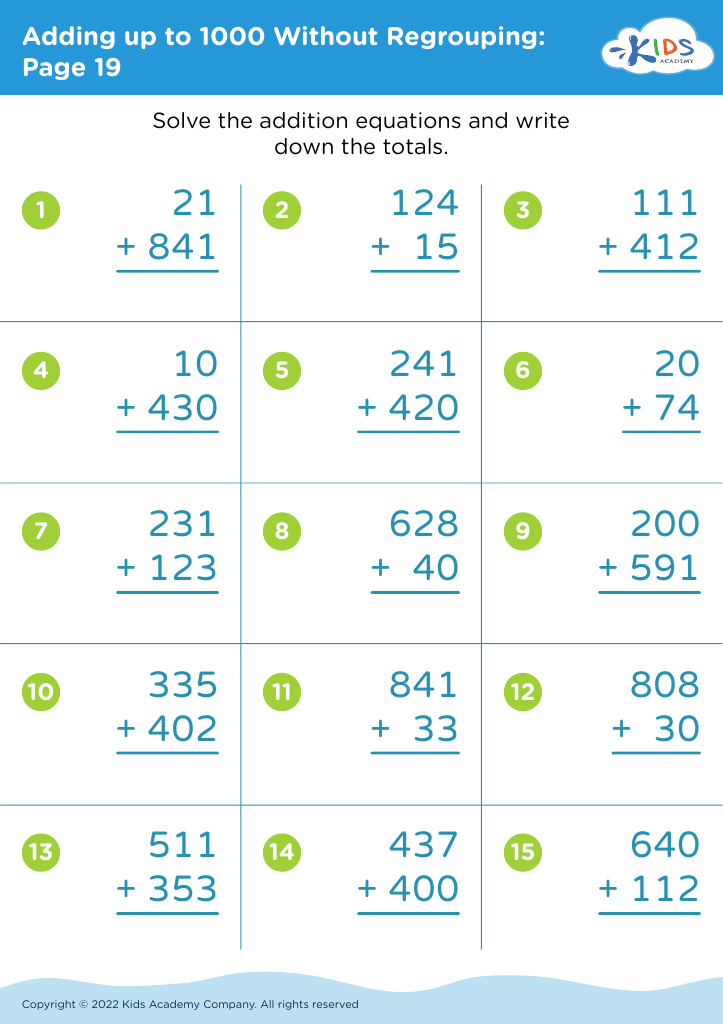
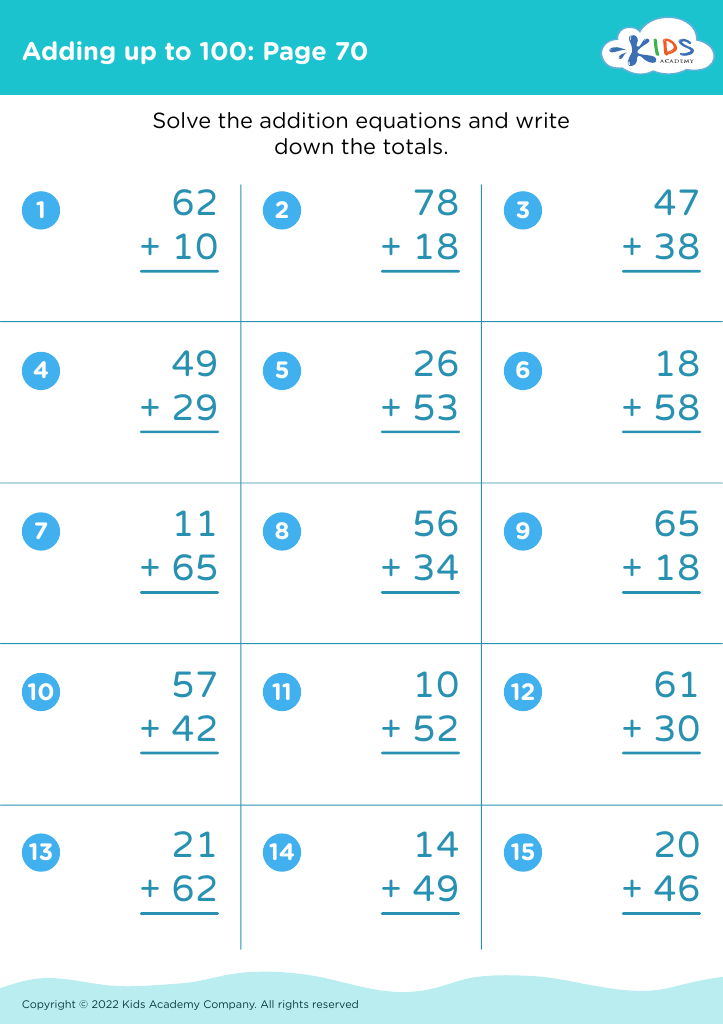
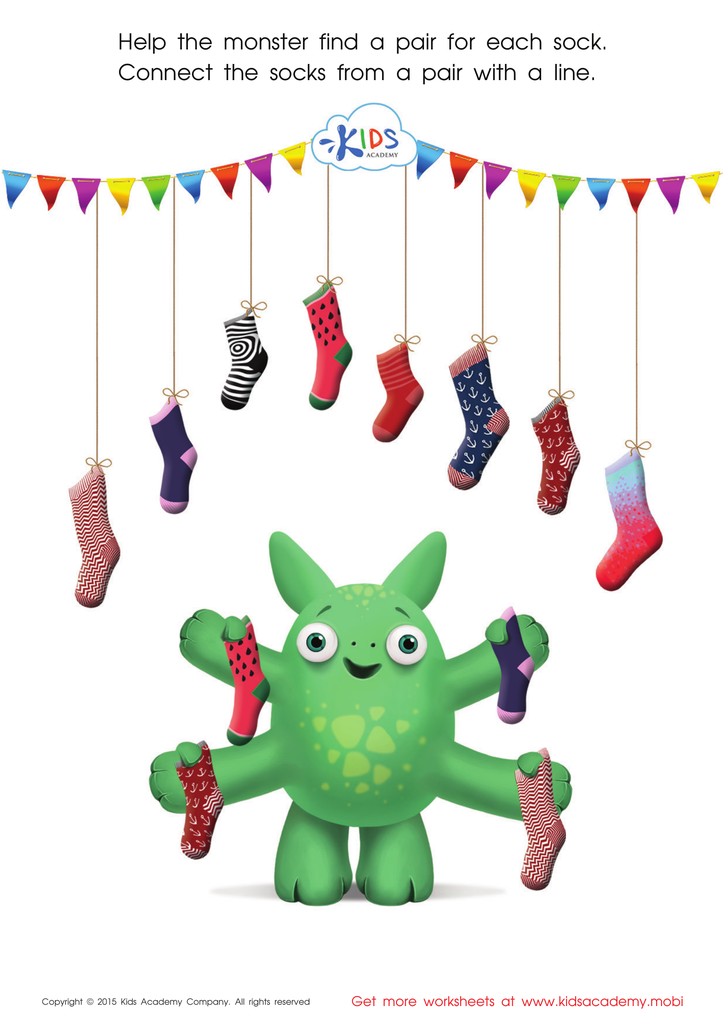
Math Matching Game: Monsterв's Socks Worksheet
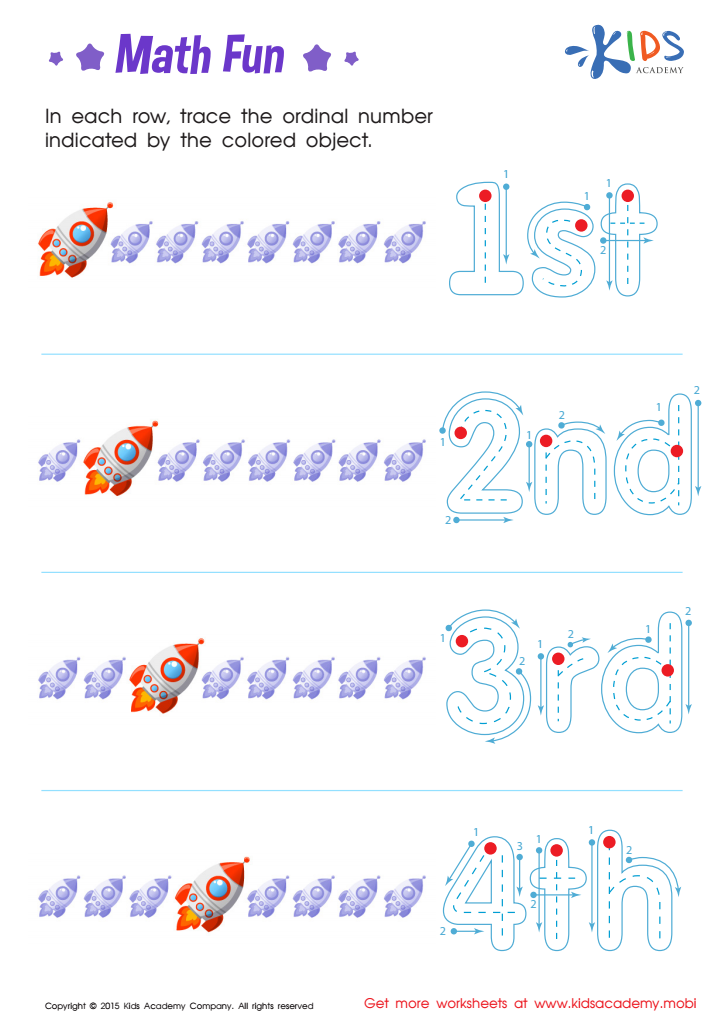
Ordinal Numbers: Math Fun Worksheet
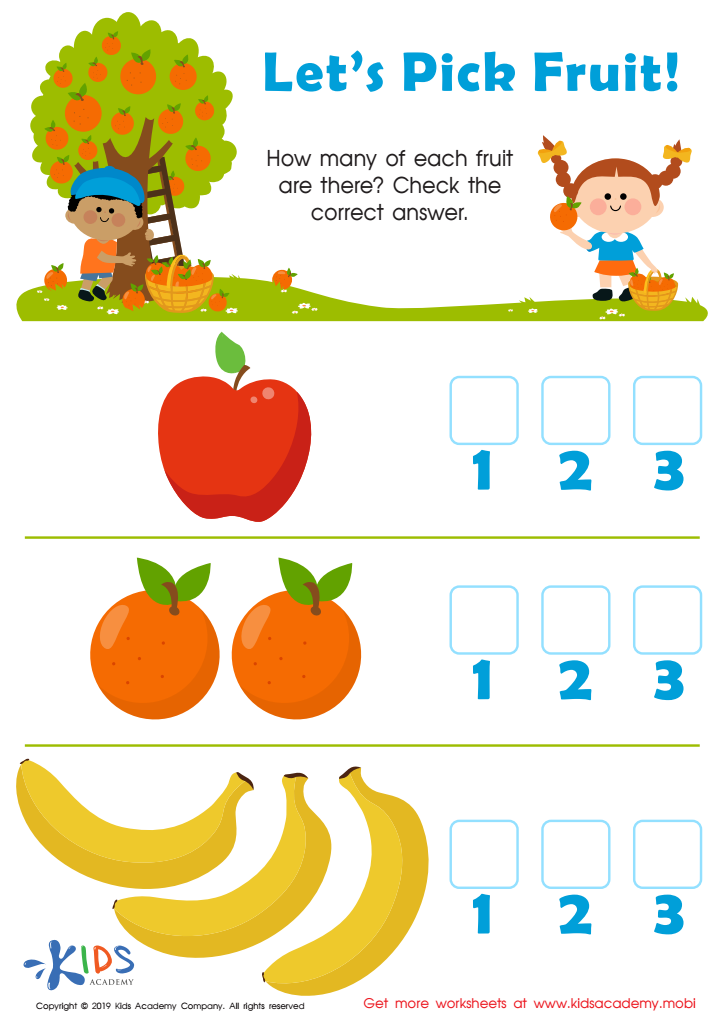
Let's Pick Fruit Worksheet






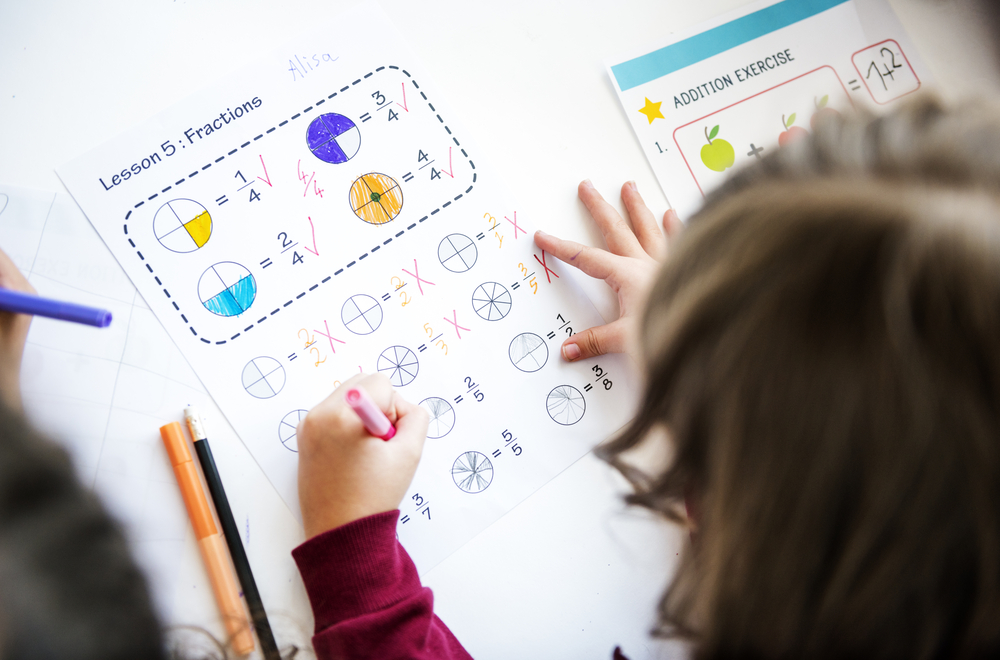

Color recognition plays a pivotal role in the early math development of children aged 3 to 8. Understanding colors not only enriches a child's visual perception but also lays the foundation for more complex mathematical concepts. Learning colors promotes cognitive development by enhancing categorization skills. When children identify and sort objects by color, they practice essential skills needed for sorting, grouping, and even counting—all key elements in math.
Additionally, color recognition often correlates with language development. Discussing colors sharpens vocabulary, enabling children to articulate their thoughts and understand instructions better. For parents and teachers, using colorful manipulatives in math activities makes lessons more engaging, capturing children's attention and fostering a love of learning.
Moreover, recognizing colors ties into patterns, another foundational concept in math. As children learn to identify and create patterns using colors, they cultivate critical thinking skills that are vital for problem-solving.
Caring about color recognition in early education means nurturing well-rounded learners. It sets the stage for future academic success, ensuring that children not only excel in mathematical skills but also develop a broader understanding of their world. Ultimately, both parents and teachers play an essential role in fostering this vital early learning experience.








