Enhance fine motor skills Math Worksheets for Ages 3-8
5 filtered results
-
From - To
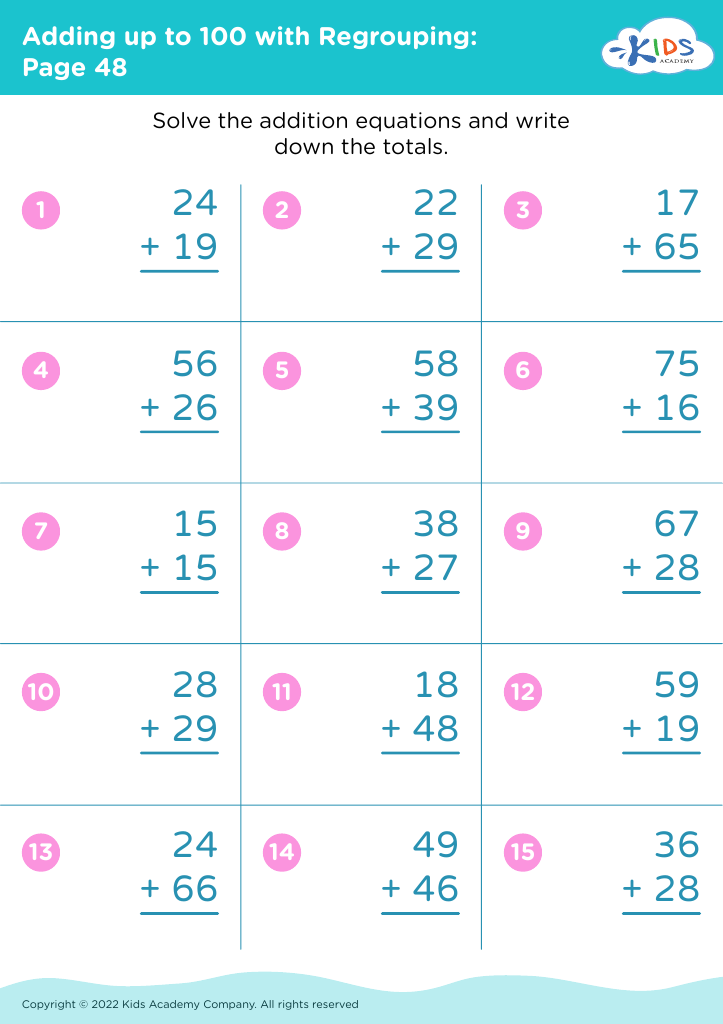
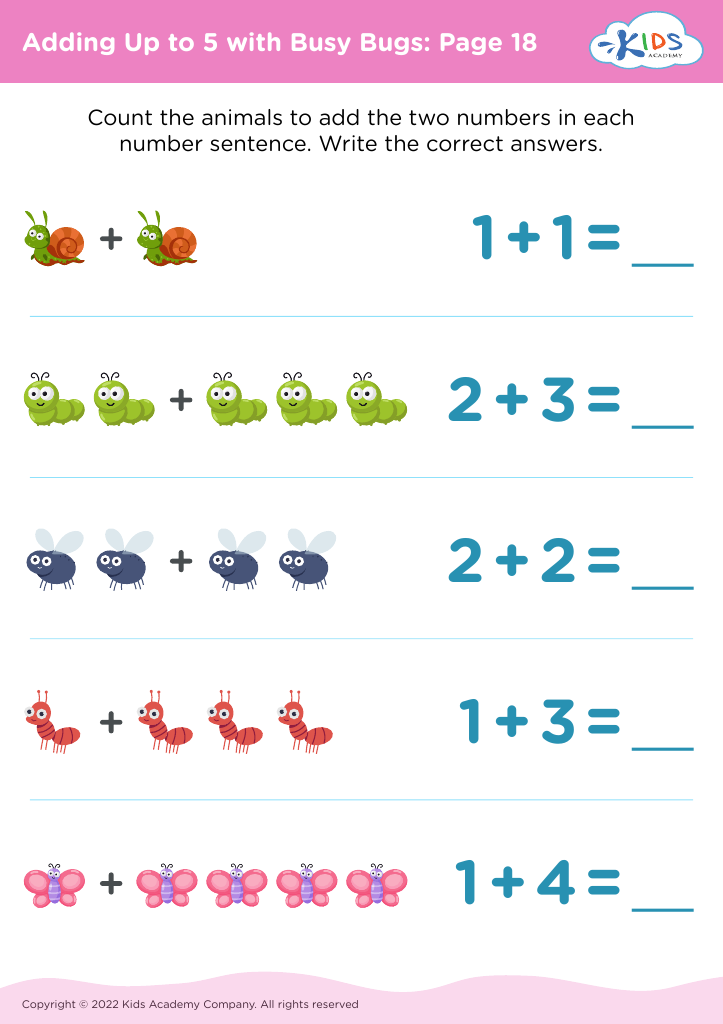
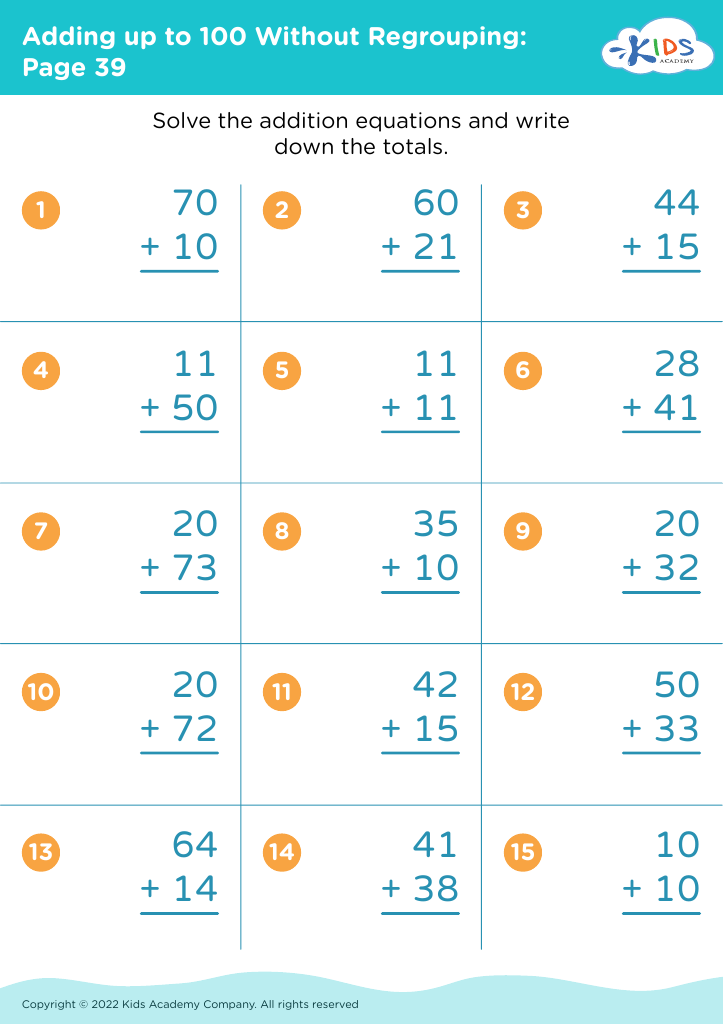
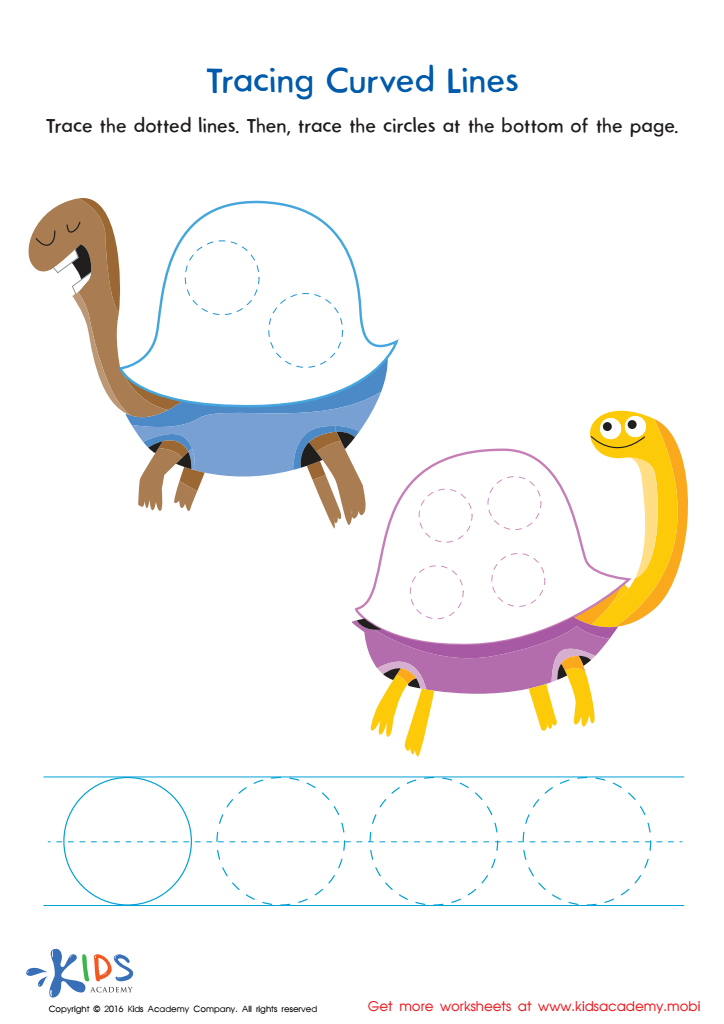
Looking to boost your child's fine motor skills while laying a strong math foundation? Our Enhance Fine Motor Skills Math Worksheets for ages 3-8 offer the perfect blend of fun and learning. These expertly designed printables help young learners master essential mathematical concepts while refining their handwriting, coloring, and cutting skills. Each worksheet encourages concentration and dexterity, providing an enjoyable and engaging way to develop tiny muscles crucial for writing. Ideal for home or classroom use, our worksheets support both independent practice and guided instruction. Give your child the gift of confident math abilities and stronger hand movements today!
 Assign to My Students
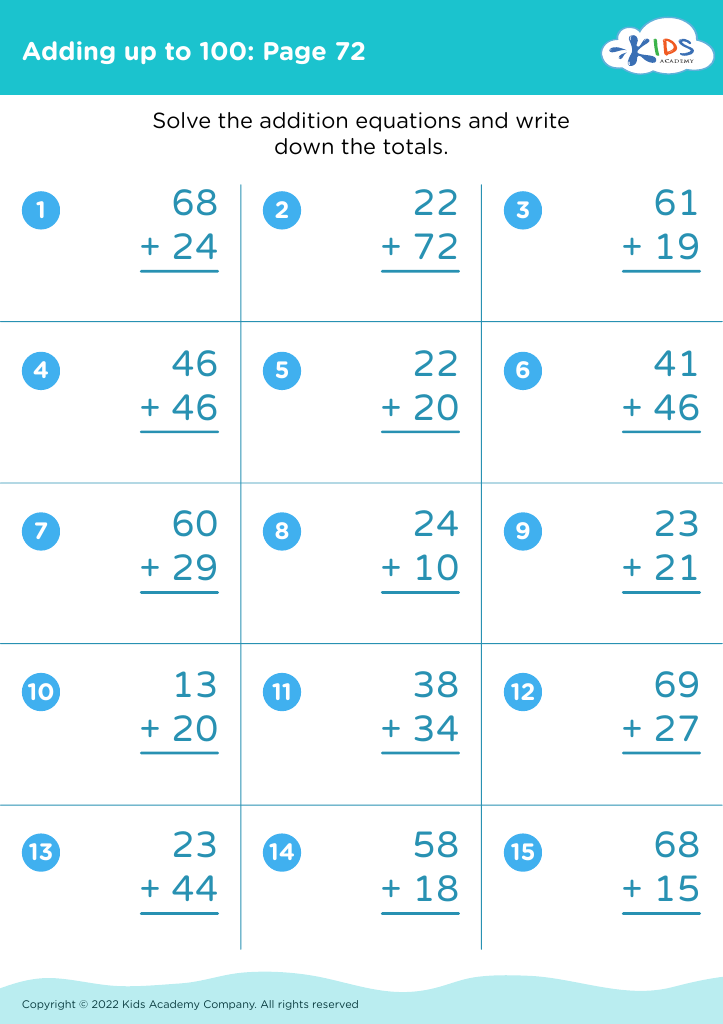








Enhancing fine motor skills in children aged 3-8 is crucial as it lays the fundamental groundwork for future learning, making developing these skills using math particularly beneficial. Fine motor skills involve the coordination of small muscles in movements—typically in the hands and fingers—crucial for activities like writing, buttoning, and cutting with scissors. Integrating math into the enhancement of these skills ensures that children are simultaneously strengthening both their cognitive and physical capabilities.
Math exercises that involve sorting small objects, counting beads, or assembling puzzles require precise hand movements, fostering hand-eye coordination and muscle memory. Engaging children in these activities builds their dexterity essential for handwriting, typing, and even playing musical instruments. Furthermore, early exposure to mathematical concepts helps develop logical reasoning, problem-solving skills, and spatial awareness, which are pivotal for academic success.
For parents and teachers, focusing on these dual development areas can yield a well-rounded growth pattern for children. This targeted development promotes confidence and independence in young learners, allowing them to perform daily tasks proficiently and tackle academic challenges head-on. Thus, the intersection of fine motor skills and early math education is key in shaping competent, capable learners equipped to navigate the complexities of future education and everyday life.








