Enhances number recognition Math Worksheets for Ages 3-8
5 filtered results
-
From - To
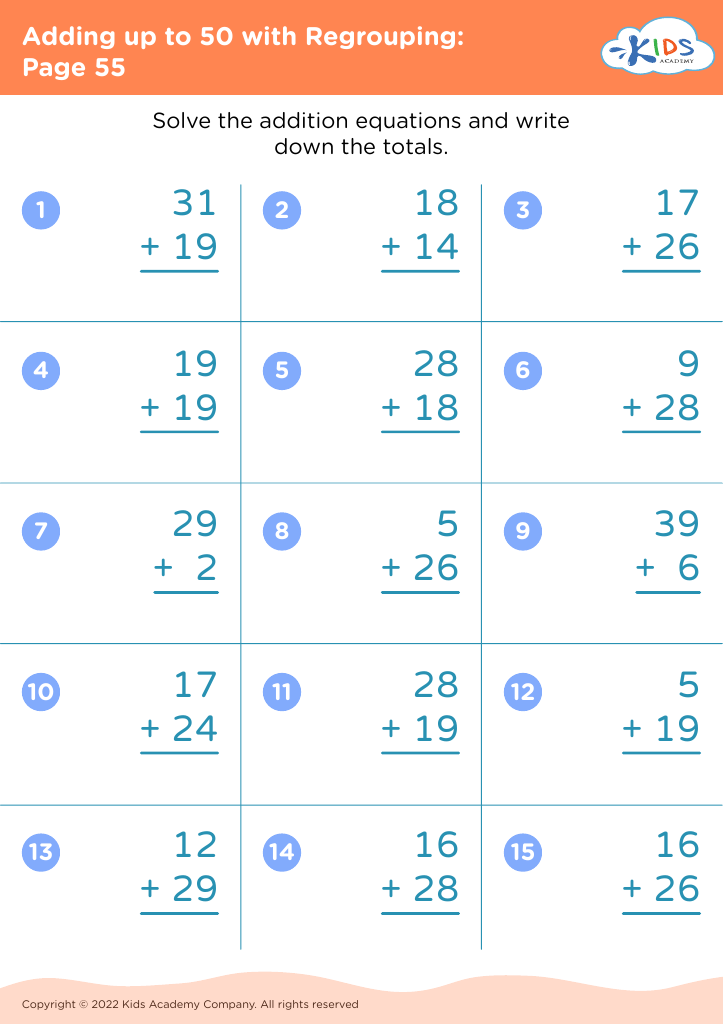
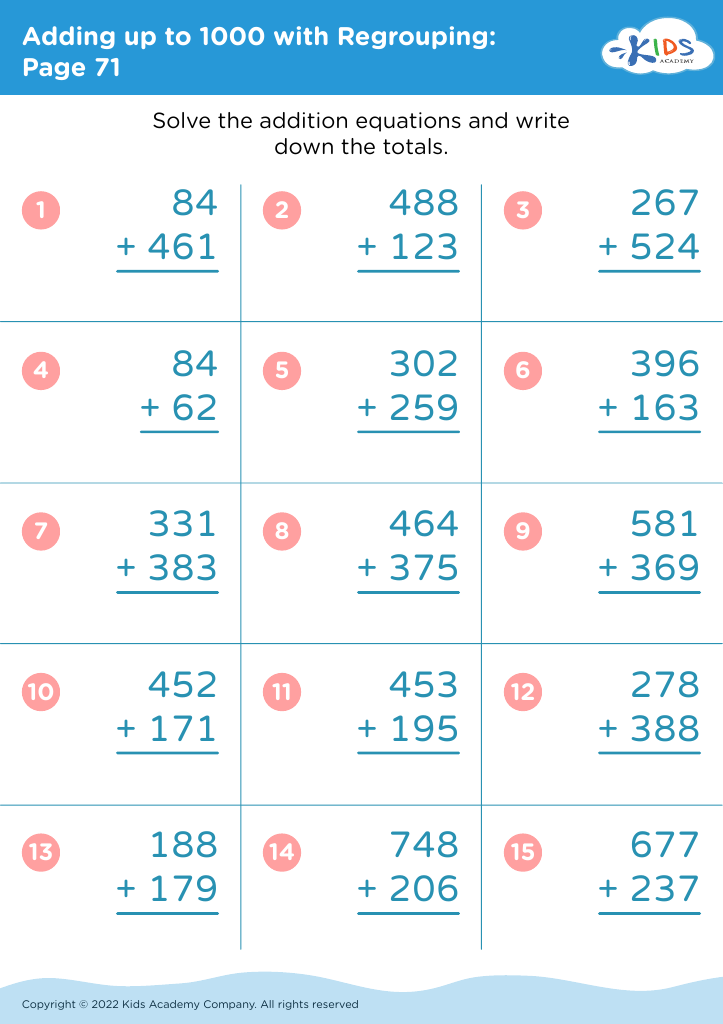
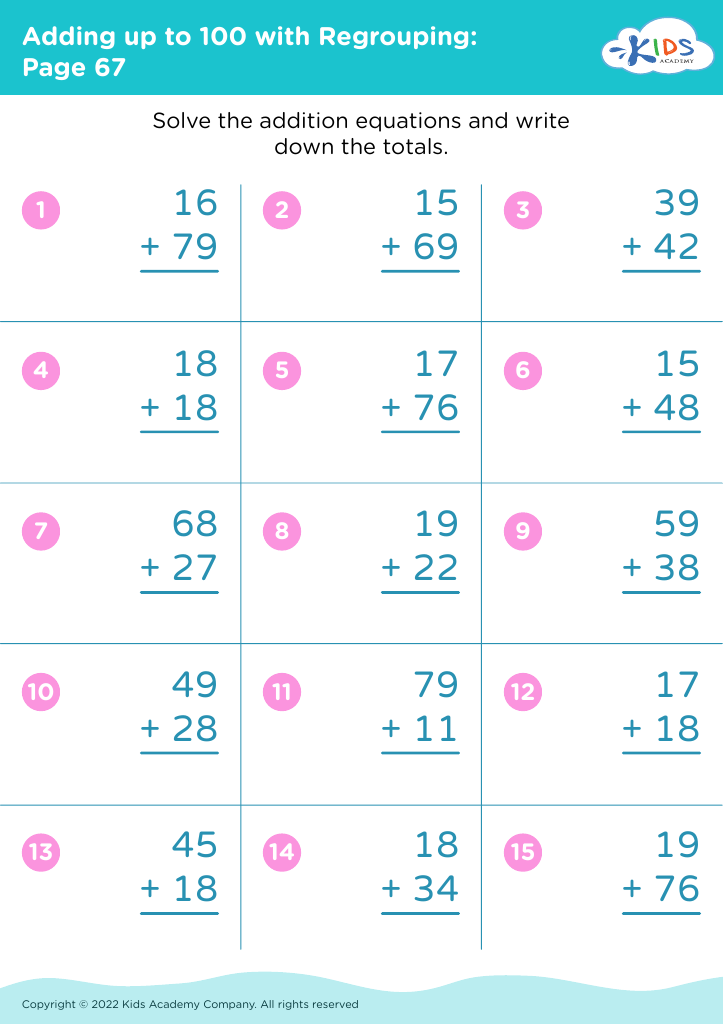
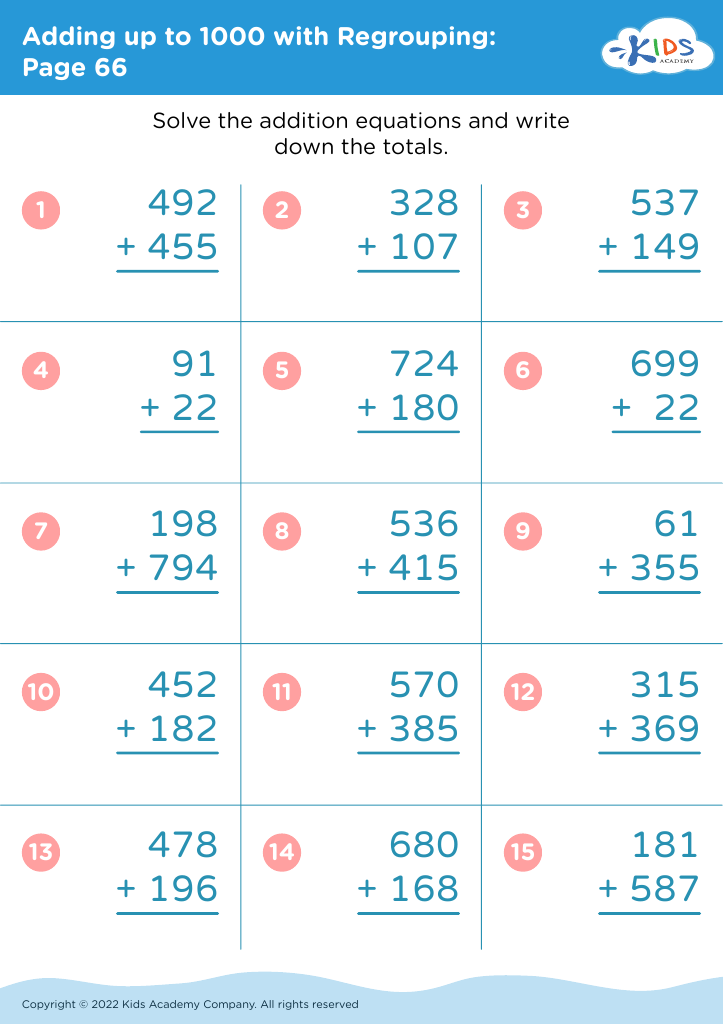
Discover our engaging "Enhances Number Recognition Math Worksheets" designed for children ages 3-8! These fun and colorful worksheets provide interactive activities that help young learners develop essential number recognition skills. Perfect for early childhood educators and parents, the worksheets feature a variety of exercises, including counting, tracing, and matching numbers, all aimed at fostering a solid mathematical foundation. With a focus on creative learning, children will enjoy exploring numbers through captivating illustrations and playful themes. Unlock your child's potential in mathematics today with these comprehensive and enjoyable resources that make learning numbers exciting and effective!
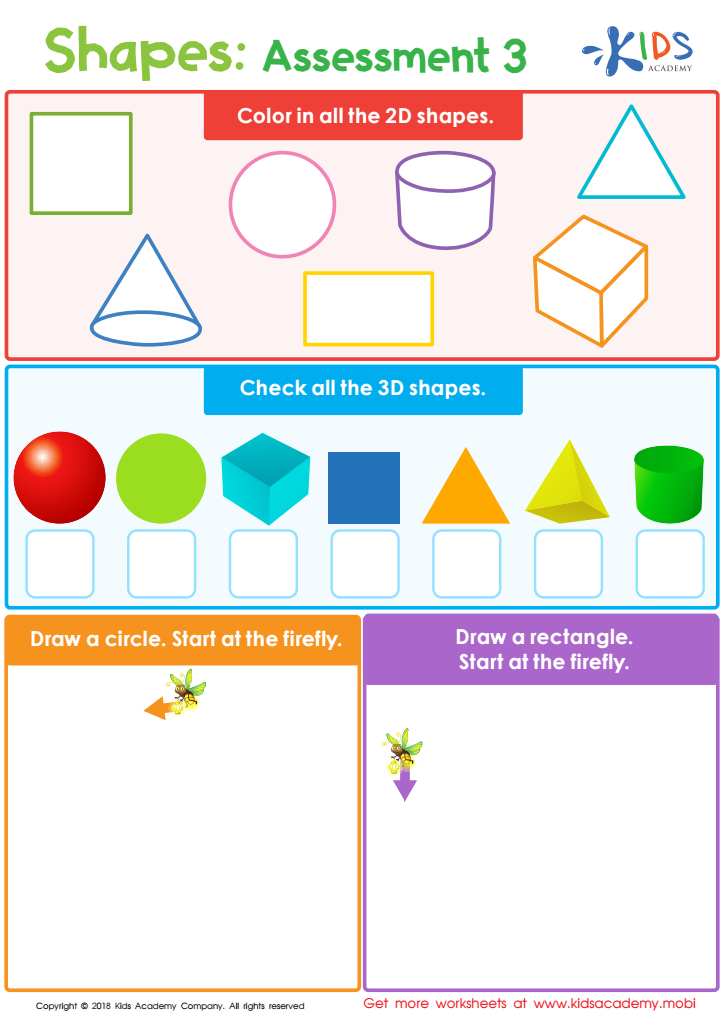
Shapes: Assessment 3 Worksheet
 Assign to My Students





.jpg)
Enhancing number recognition in children aged 3-8 is crucial for their overall mathematical development and later academic success. At this foundational stage, children are naturally curious and eager to absorb new concepts. By fostering early number recognition, parents and teachers help children develop a solid understanding of numbers, which is fundamental for mathematics.
Number recognition skills also enhance children's ability to engage in basic arithmetic operations, like addition and subtraction. When children can quickly recognize and understand numbers, they become more confident in their problem-solving abilities, paving the way for advanced mathematical concepts in later years. Furthermore, number recognition is linked to early literacy skills, as it often overlaps with understanding patterns and sequences.
Early exposure to number recognition encourages cognitive development and strengthens memory skills, as children learn to associate quantities with their numeral forms. Engaging children in playful activities, such as games, songs, and interactive storytelling that involve counting and numbers, builds a positive attitude towards math. Ultimately, supporting number recognition not only equips children with essential skills but also nurtures their enthusiasm for learning, laying the groundwork for lifelong success in mathematics and beyond.








