Check out this FREE Trial Lesson on Math for age 3-8!

P

Favorites
With answer key
Interactive
  • 3-8
  • Fraction simplification
  • Math
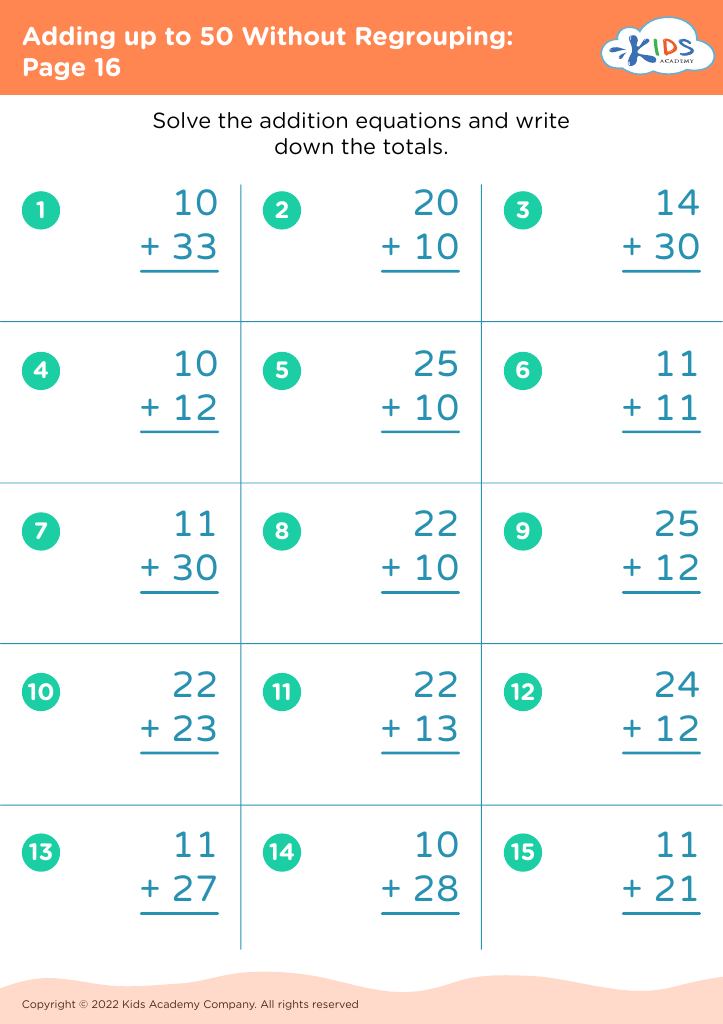
Adding up to 50 Without Regrouping: Page 16
Worksheet
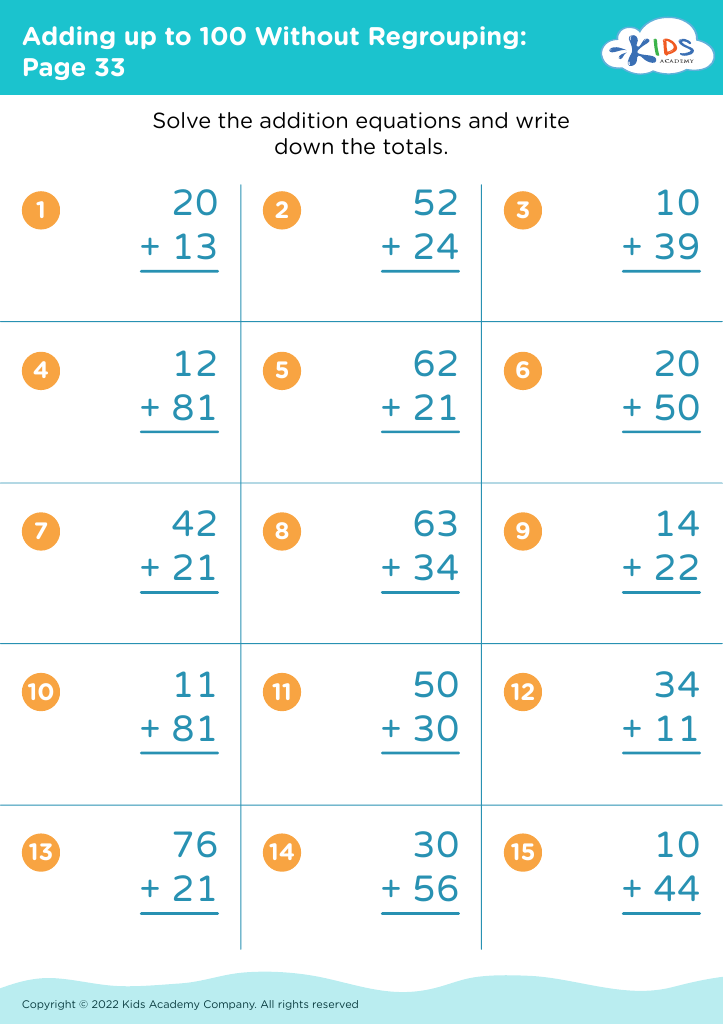
Adding up to 100 Without Regrouping: Page 33
Worksheet
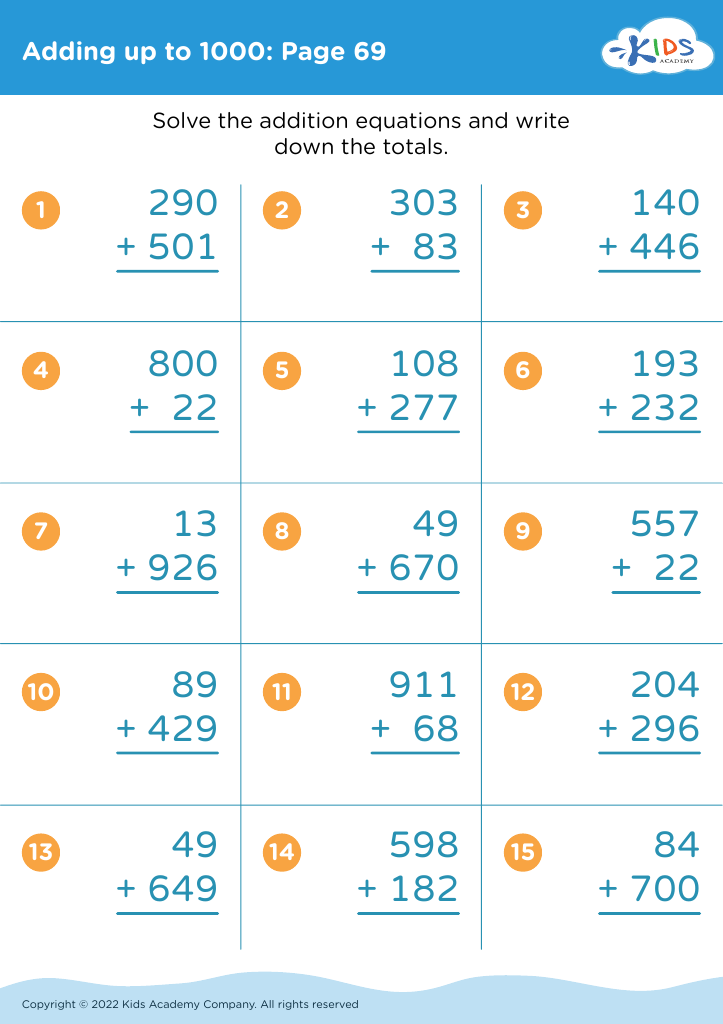
Adding up to 1000: Page 69

Adding up to 1000: Page 69

Adding up to 1000: Page 69
Worksheet
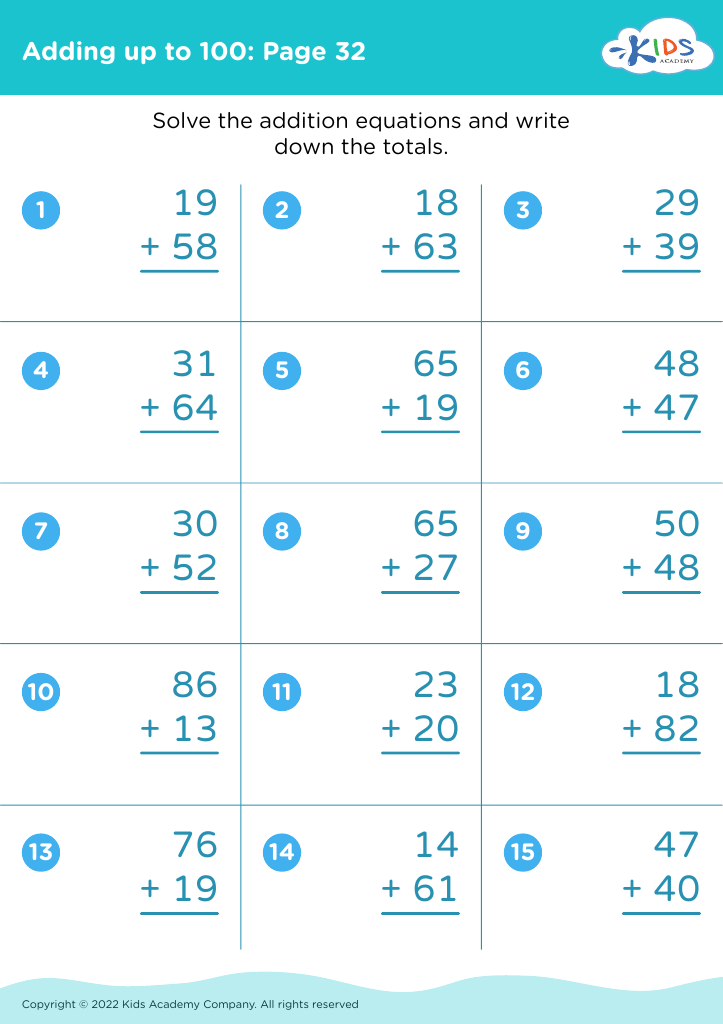
Adding up to 100: Page 32

Adding up to 100: Page 32

Adding up to 100: Page 32
Worksheet
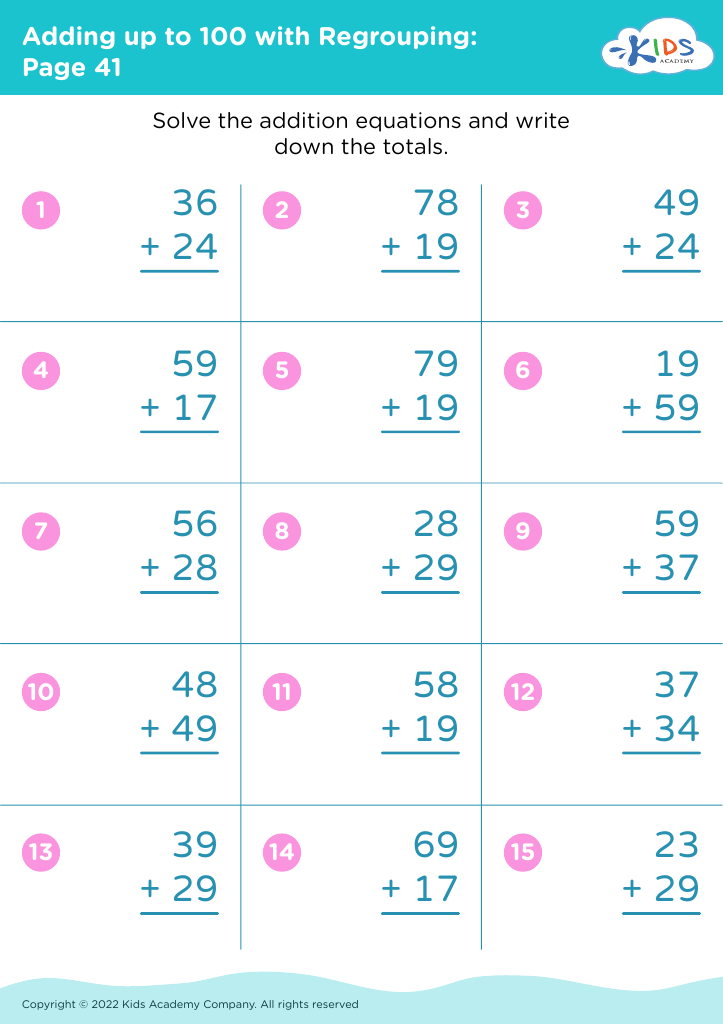
Adding up to 100 with Regrouping: Page 41
Worksheet
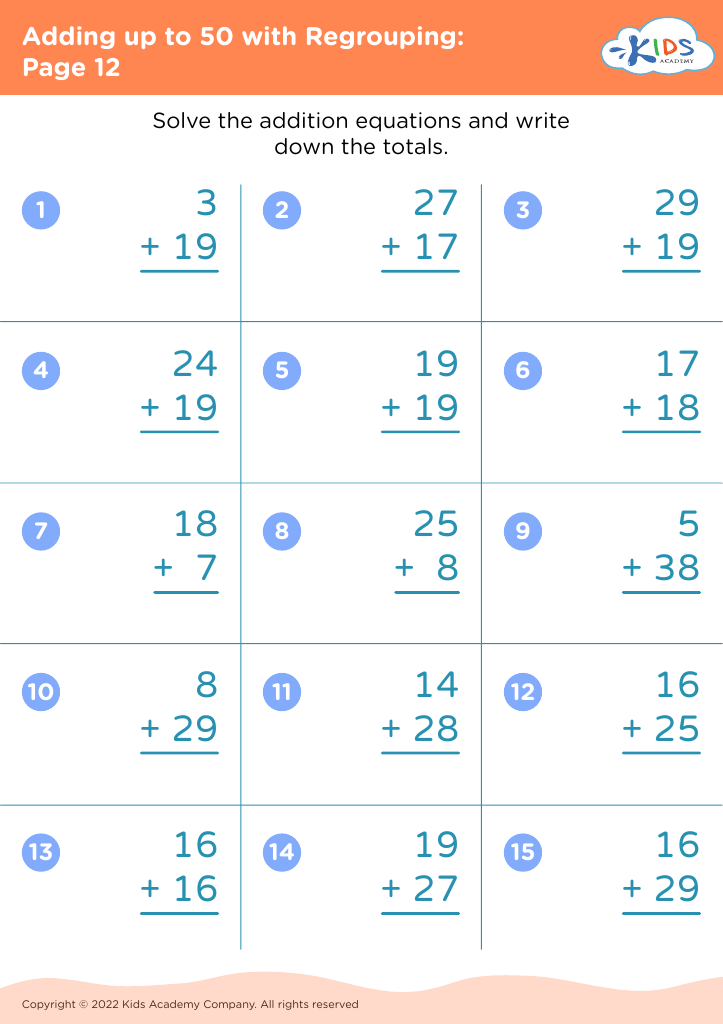
Adding up to 50 with Regrouping: Page 12
Worksheet
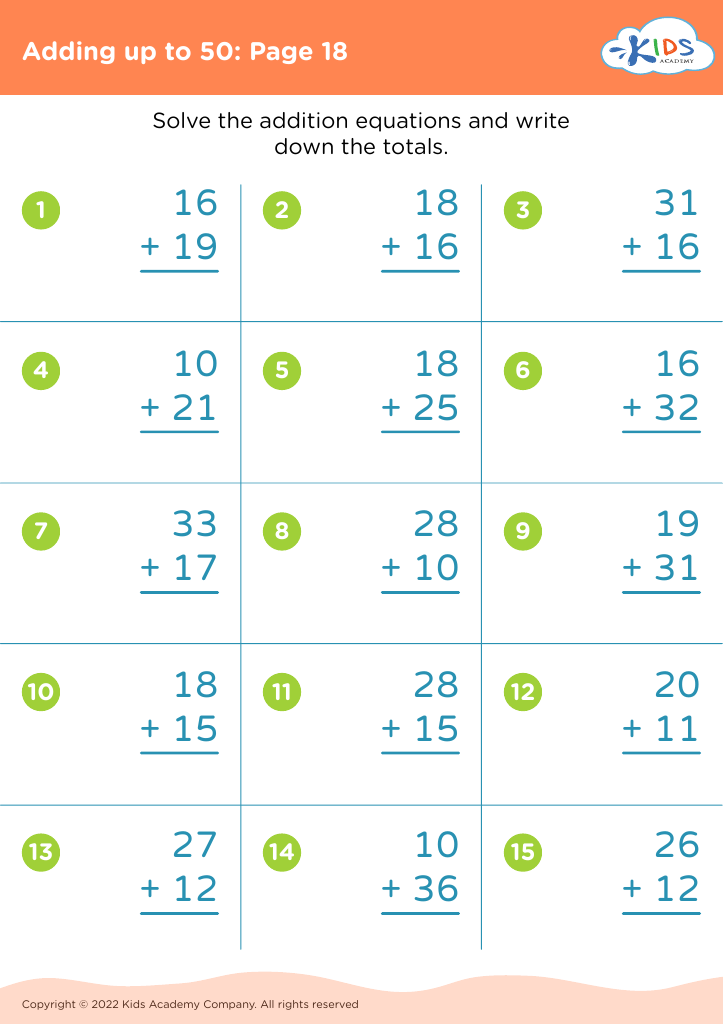
Adding up to 50: Page 18

Adding up to 50: Page 18

Adding up to 50: Page 18
Worksheet
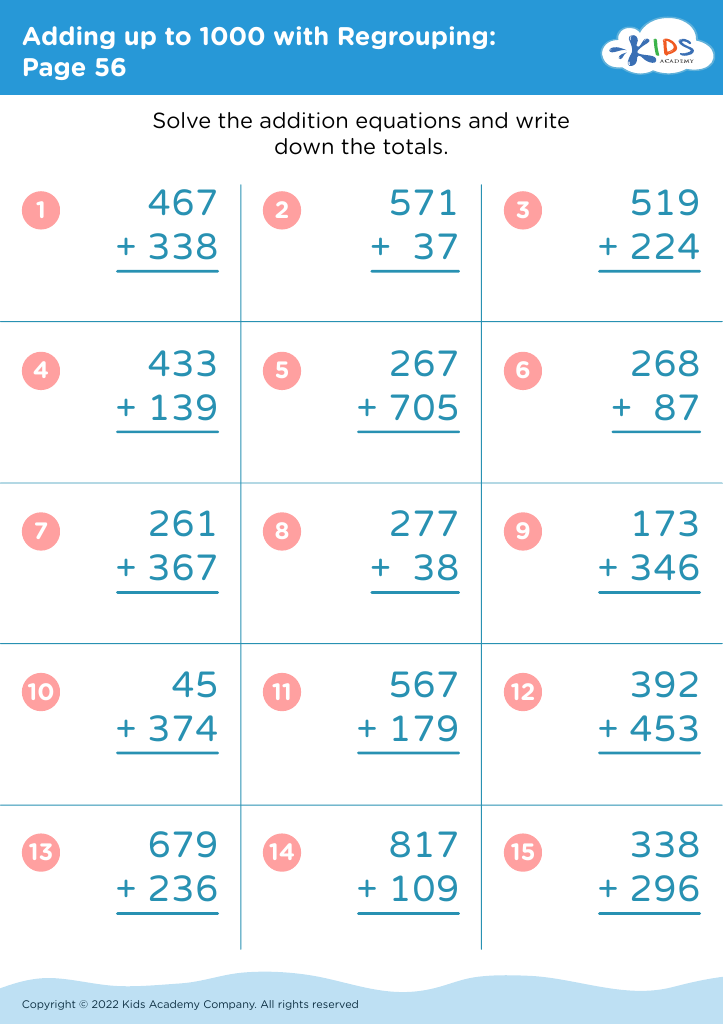
Adding up to 1000 with Regrouping: Page 56
Worksheet
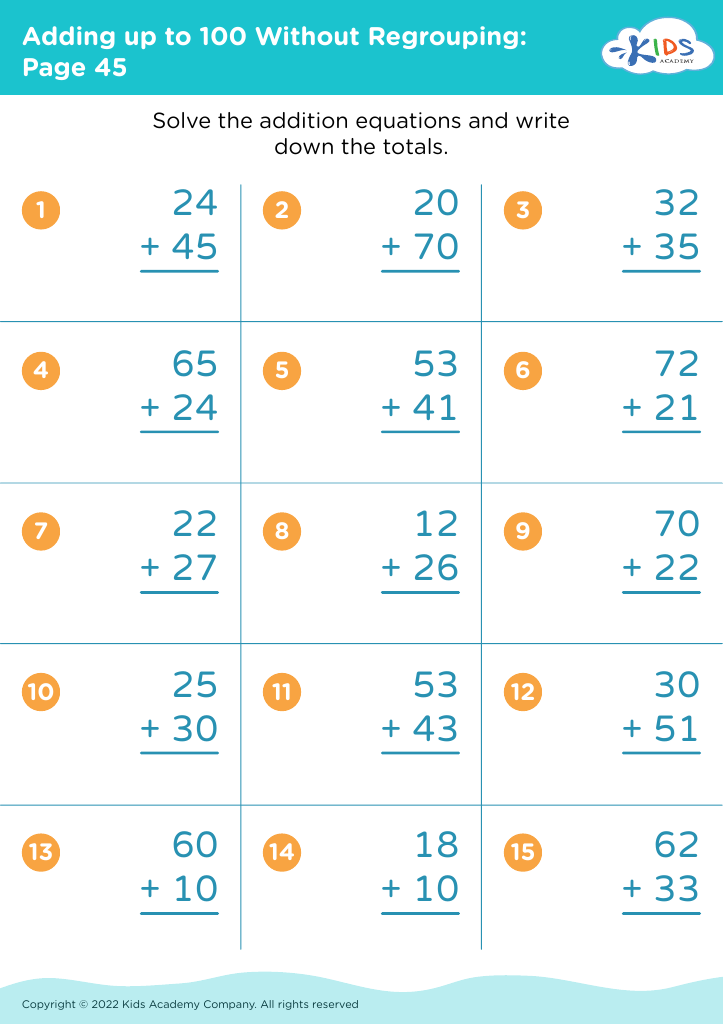
Adding up to 100 Without Regrouping: Page 45
Worksheet
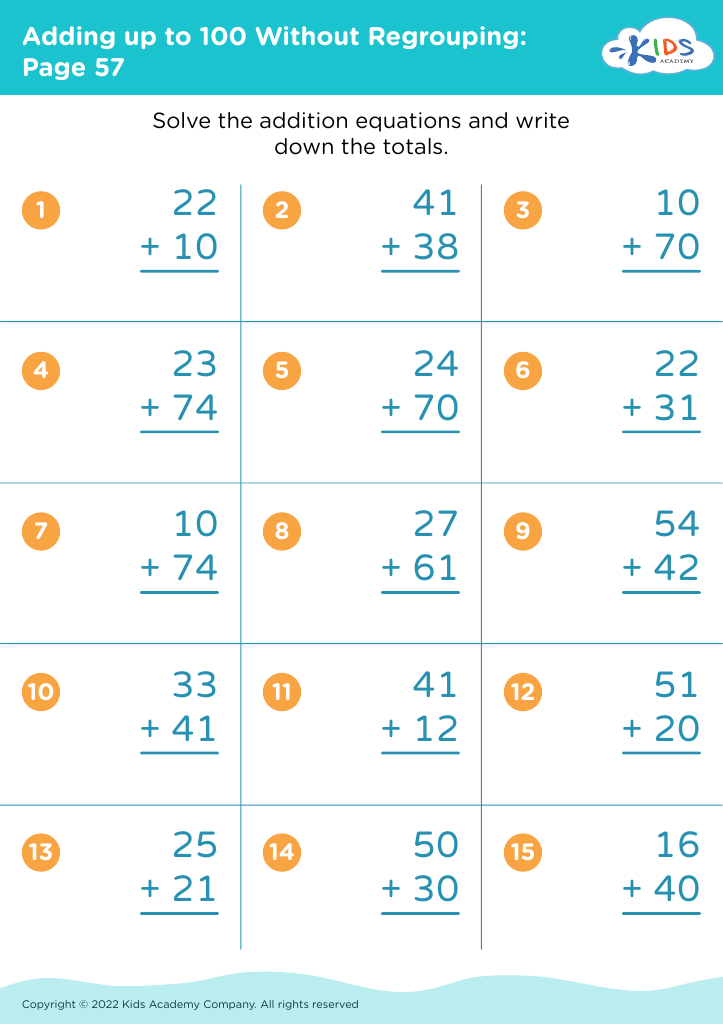
Adding up to 100 Without Regrouping: Page 57
Worksheet
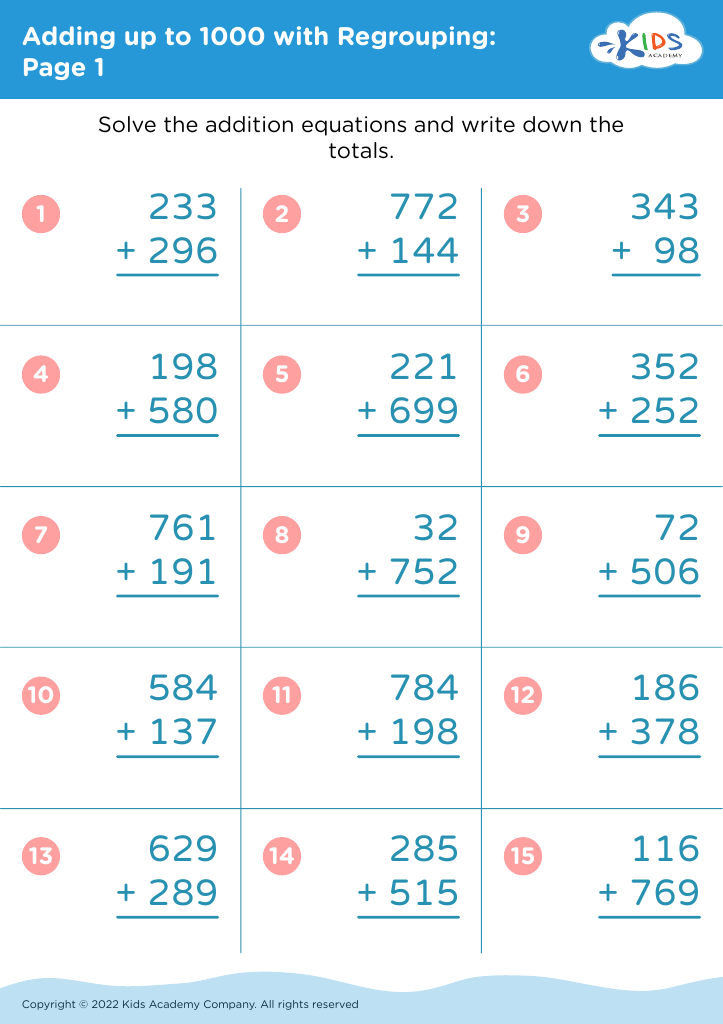
Adding up to 1000 with Regrouping: Page 1
Worksheet
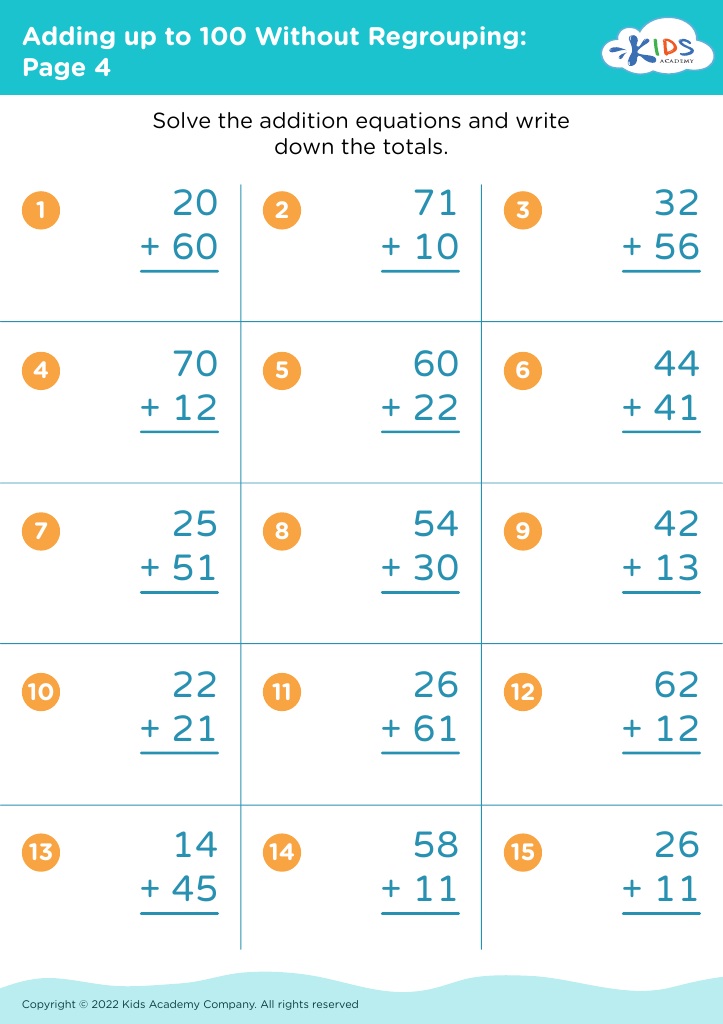
Adding up to 100 Without Regrouping: Page 4
Worksheet
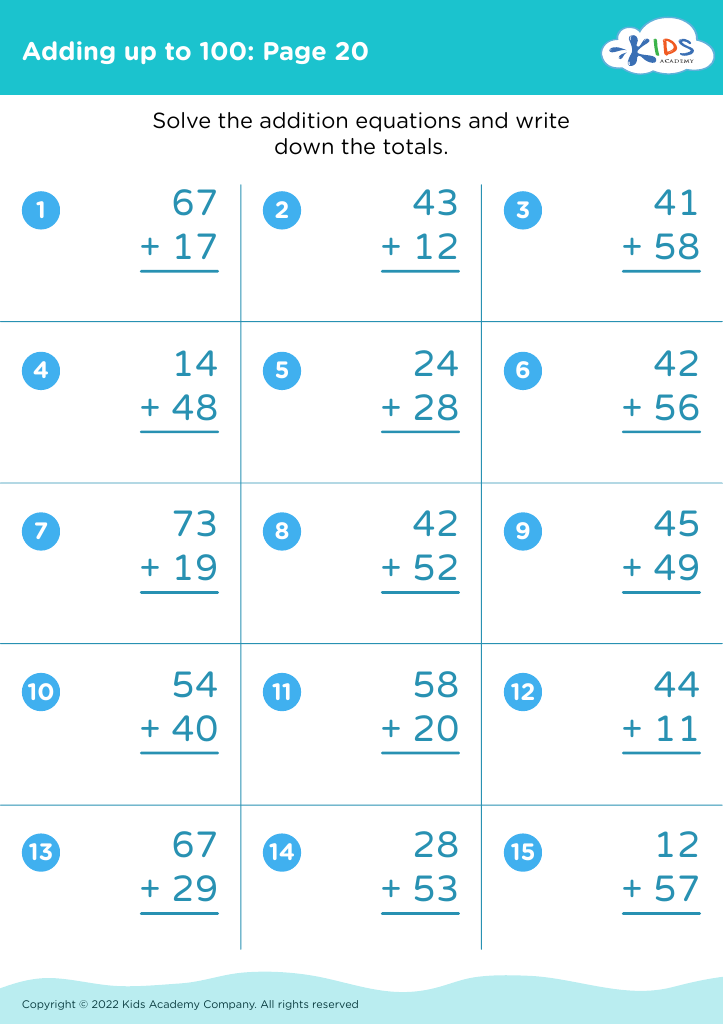
Adding up to 100: Page 20

Adding up to 100: Page 20

Adding up to 100: Page 20
Worksheet
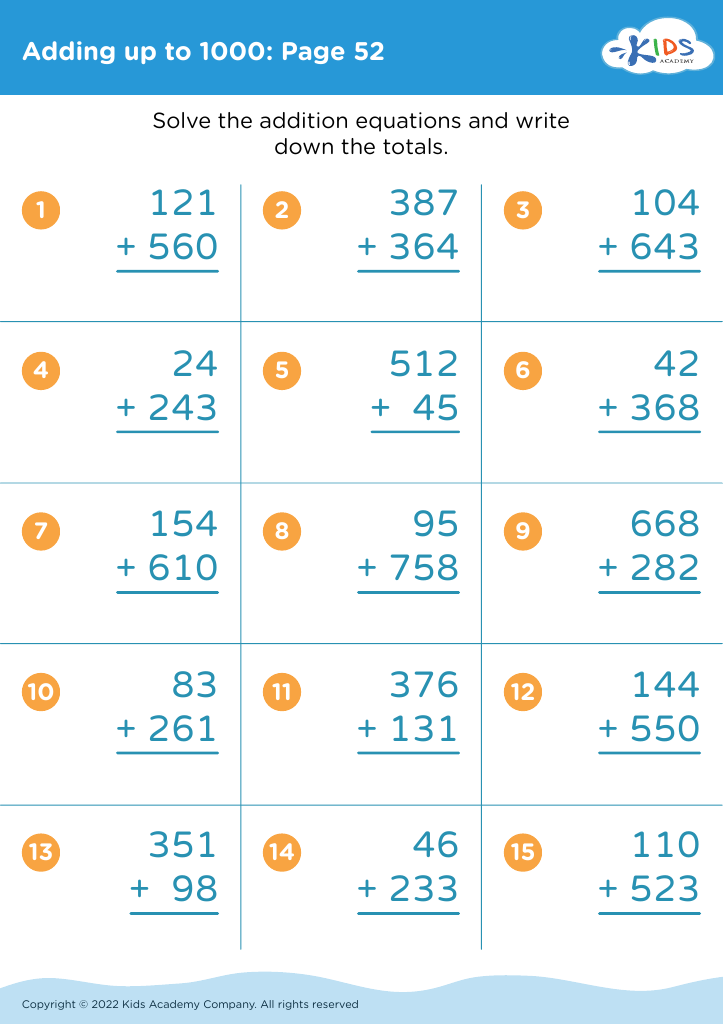
Adding up to 1000: Page 52

Adding up to 1000: Page 52

Adding up to 1000: Page 52
Worksheet
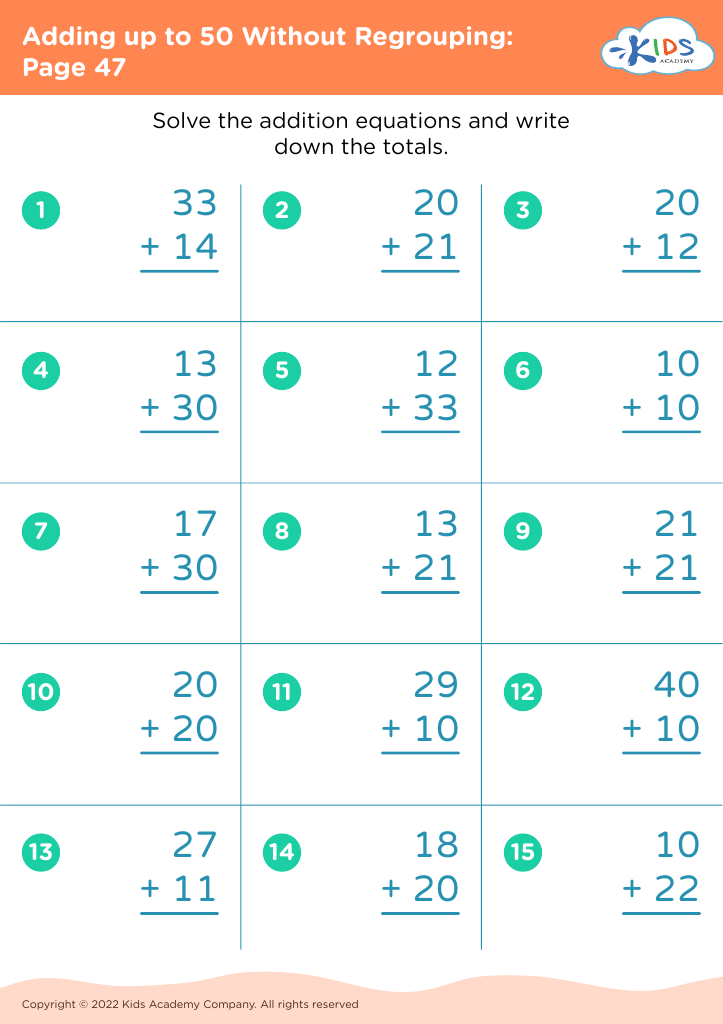
Adding up to 50 Without Regrouping: Page 47
Worksheet
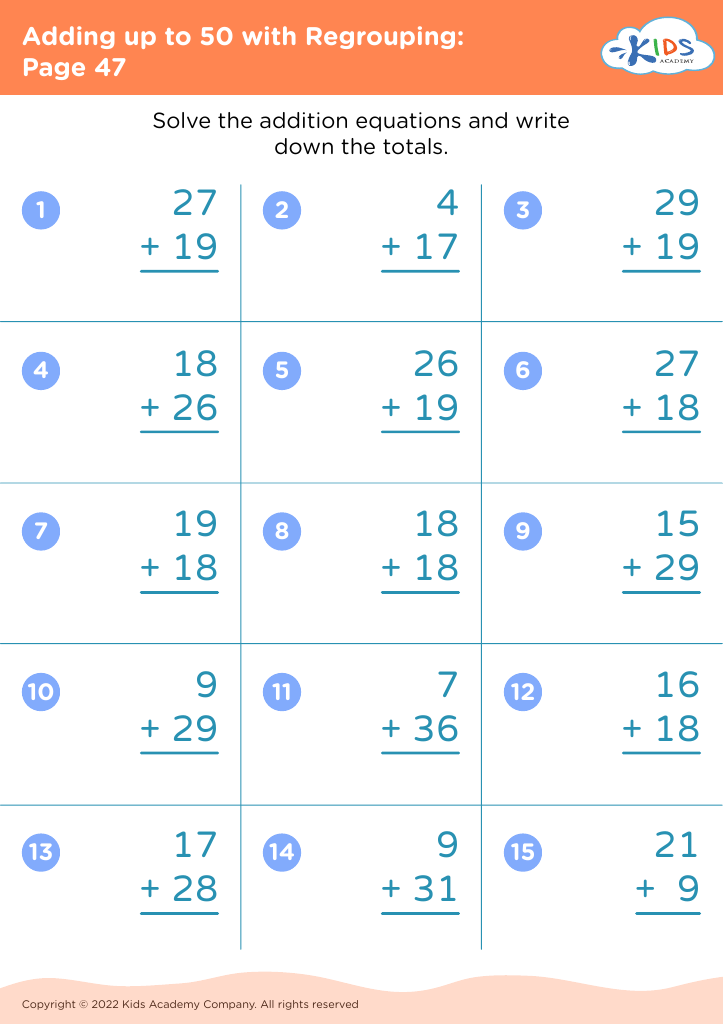
Adding up to 50 with Regrouping: Page 47
Worksheet
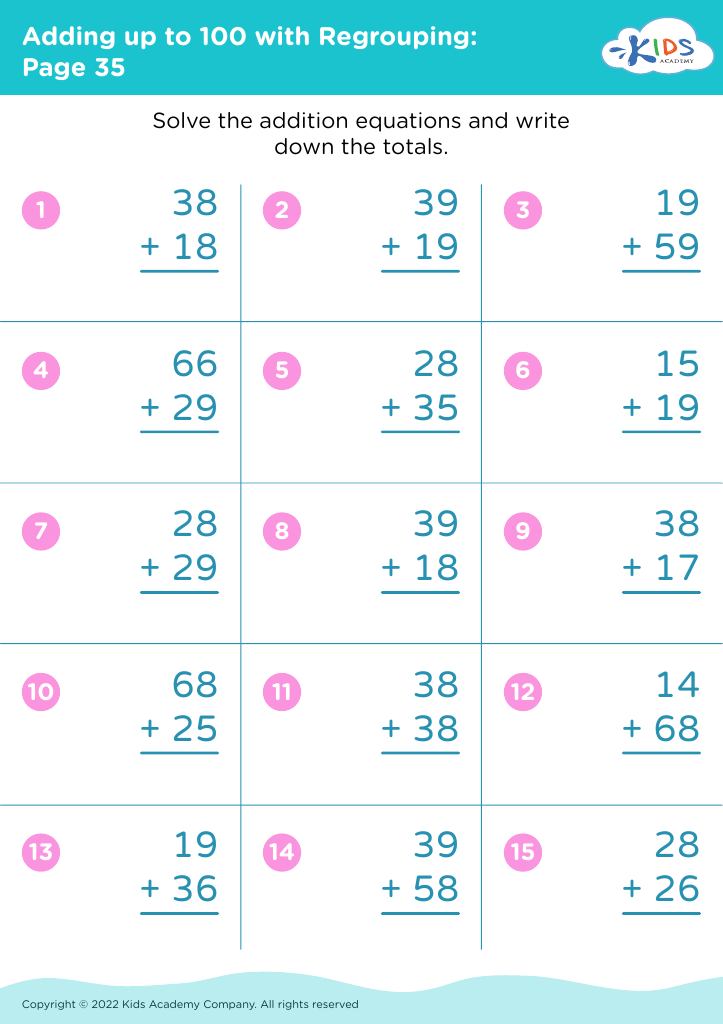
Adding up to 100 with Regrouping: Page 35
Worksheet
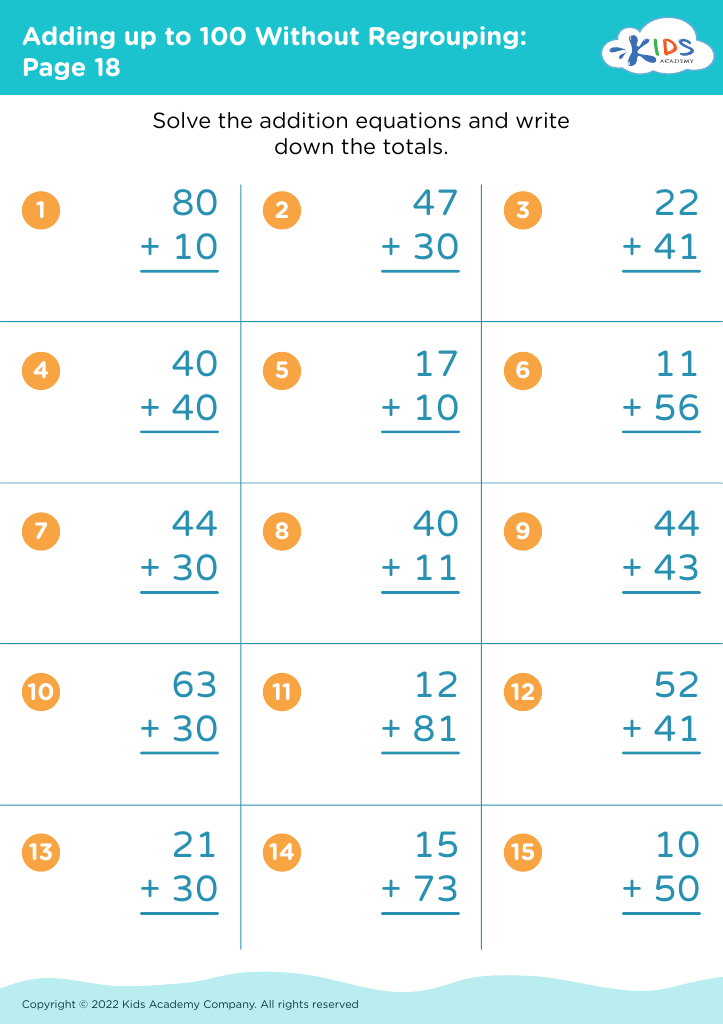
Adding up to 100 Without Regrouping: Page 18
Worksheet
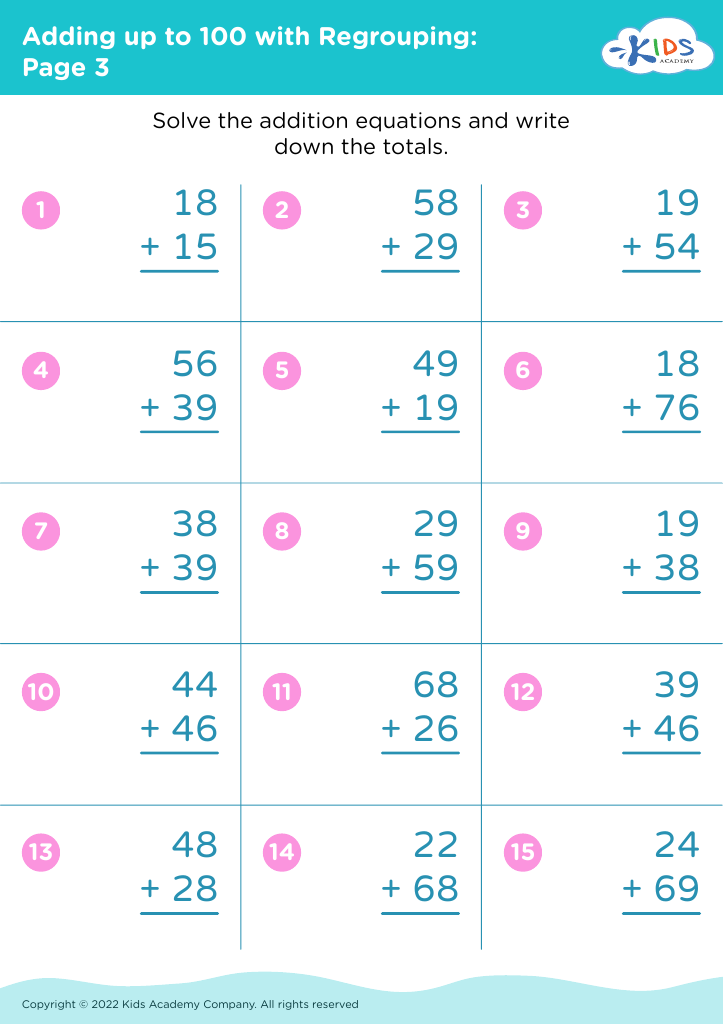
Adding up to 100 with Regrouping: Page 3
Worksheet
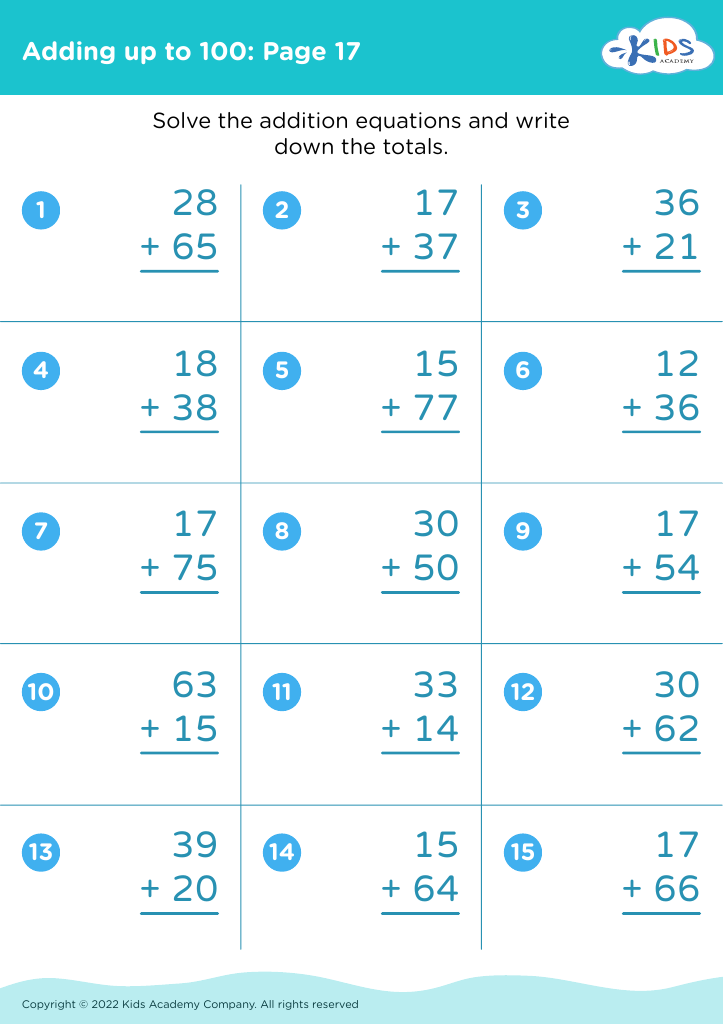
Adding up to 100: Page 17

Adding up to 100: Page 17

Adding up to 100: Page 17
Worksheet
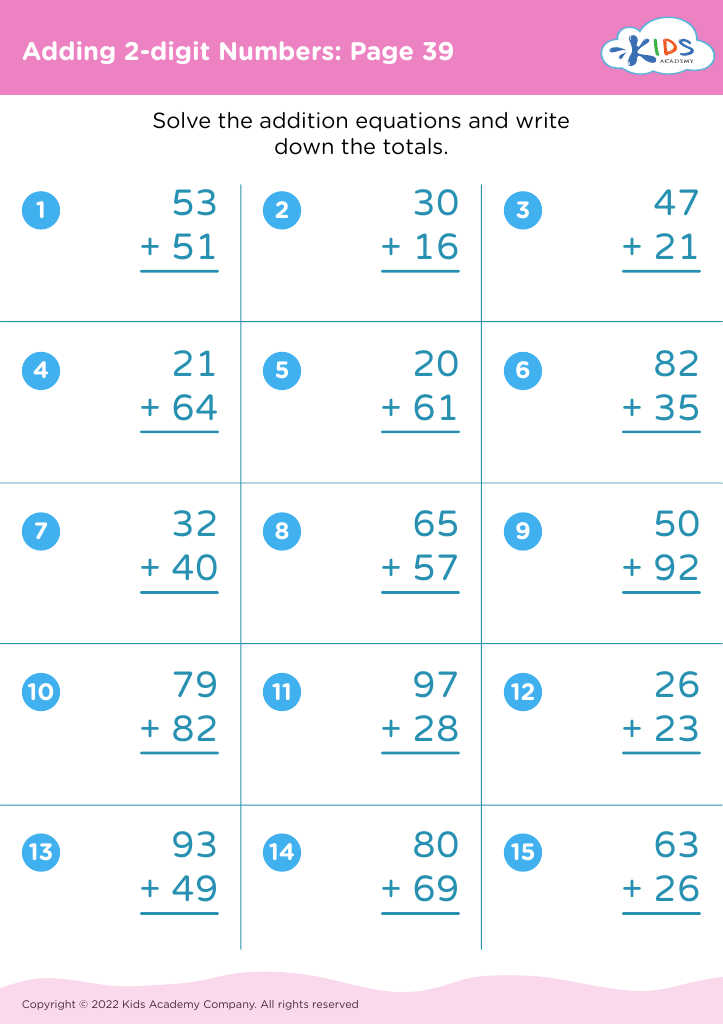
Adding 2-digit Numbers: Page 39

Adding 2-digit Numbers: Page 39

Adding 2-digit Numbers: Page 39
Worksheet
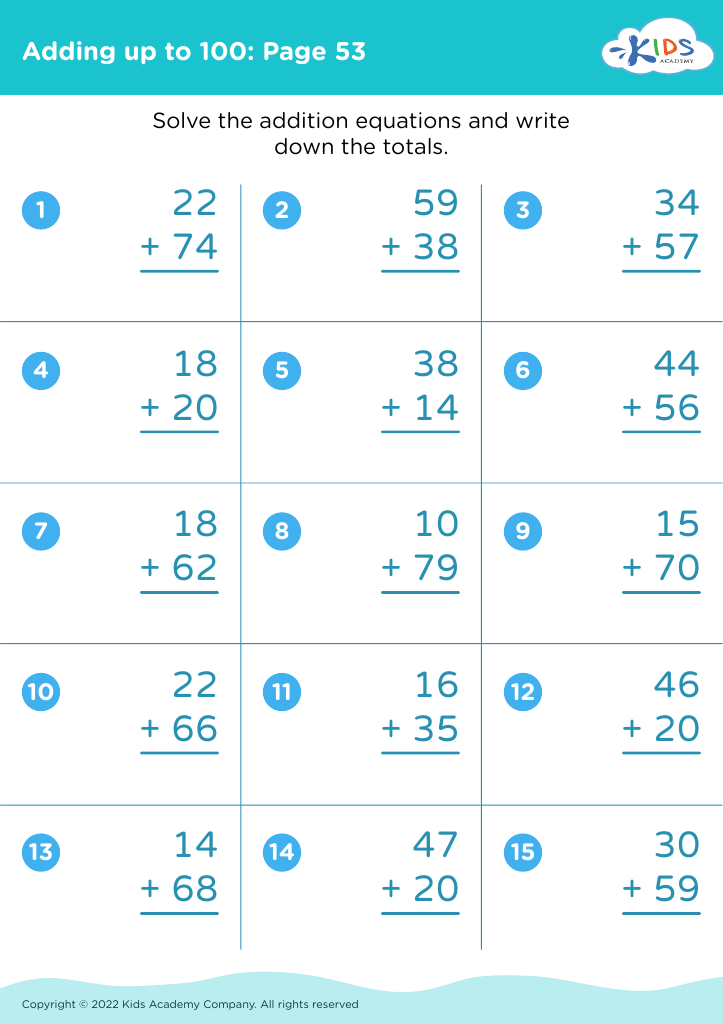
Adding up to 100: Page 53

Adding up to 100: Page 53

Adding up to 100: Page 53
Worksheet
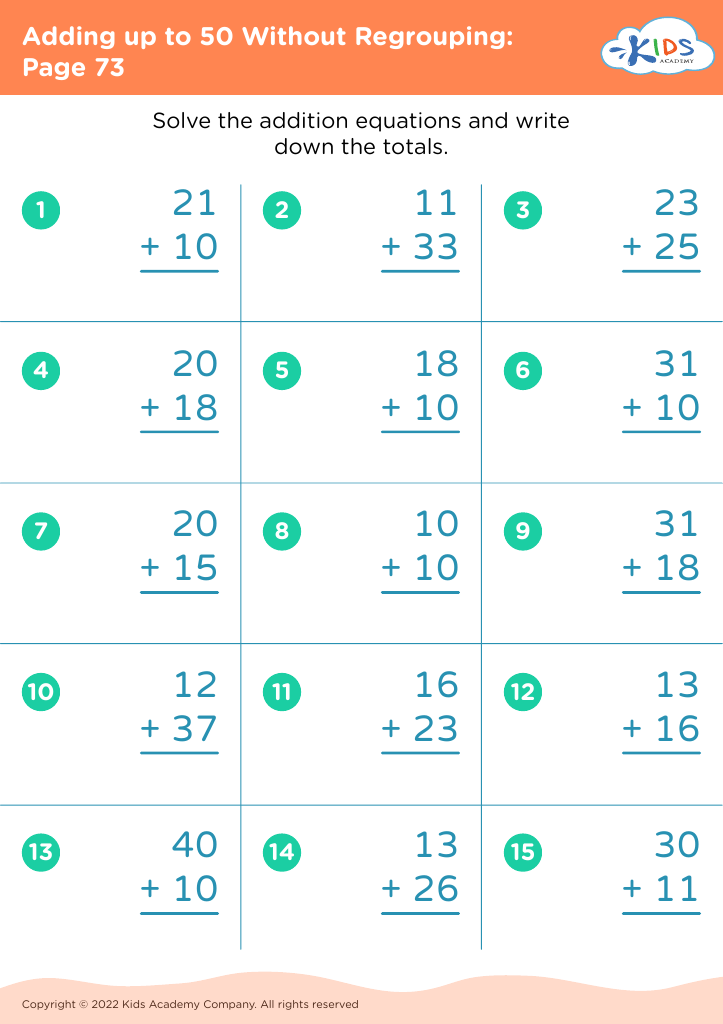
Adding up to 50 Without Regrouping: Page 73
Worksheet
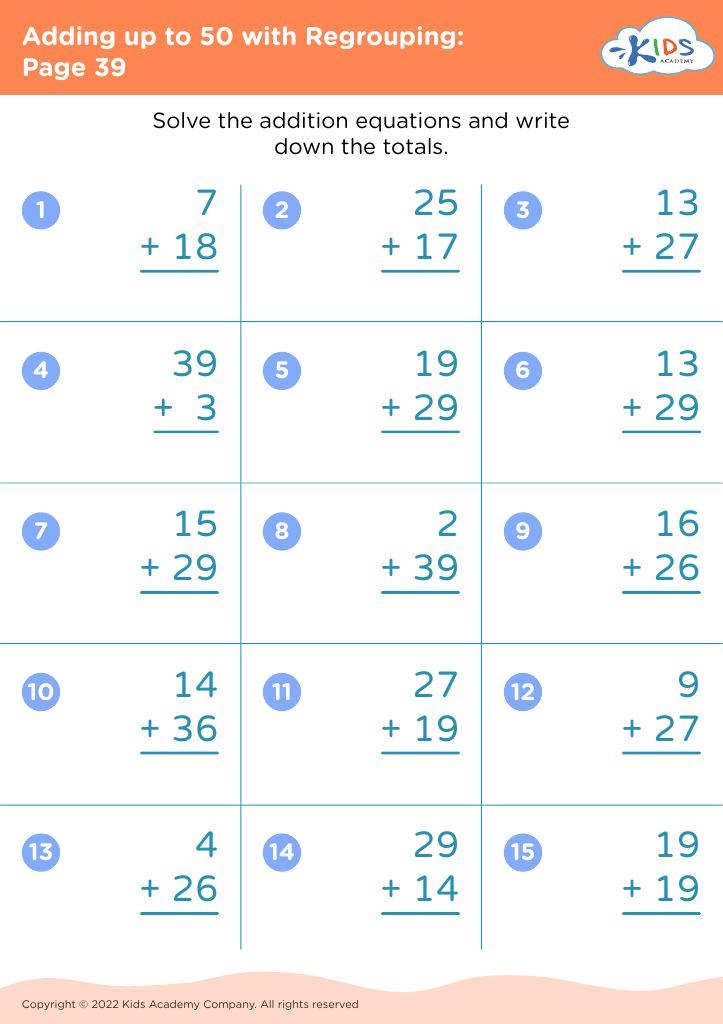
Adding up to 50 with Regrouping: Page 39
Worksheet


Understanding fraction simplification at an early age lays the foundation for essential mathematical concepts crucial for children’s cognitive development. Teaching children aged 3-8 about fractions fosters number sense and encourages critical thinking. Simplifying fractions helps them grasp the idea of part-to-whole relationships, enhancing their ability to recognize and compare quantities. This skill is instrumental in everyday life, as children learn to divide, share, or measure, providing practical applications that enhance their understanding of math.

Moreover, mastering fractions promotes confidence in arithmetic, reducing anxiety around more complex mathematics later on. It prepares them for future success in subjects that build on these principles, ensuring they do not develop gaps in knowledge that could hinder their progression. For parents and teachers, engaging young learners with fun and relatable fraction activities can create a positive learning environment that nurtures a love for math.

By investing time in teaching fraction simplification, parents and teachers not only equip children with fundamental skills but also foster analytical thinking, problem-solving abilities, and an appreciation for mathematics as a tool for understanding the world. Ultimately, this early education feeds into a stronger academic foundation, paving the way for lifelong learning and success in math.