
Improves concentration Math Worksheets for Ages 3-8
8 filtered results
Difficulty Level
Grade
Age
-
From - To
Subject
Activity
Standards
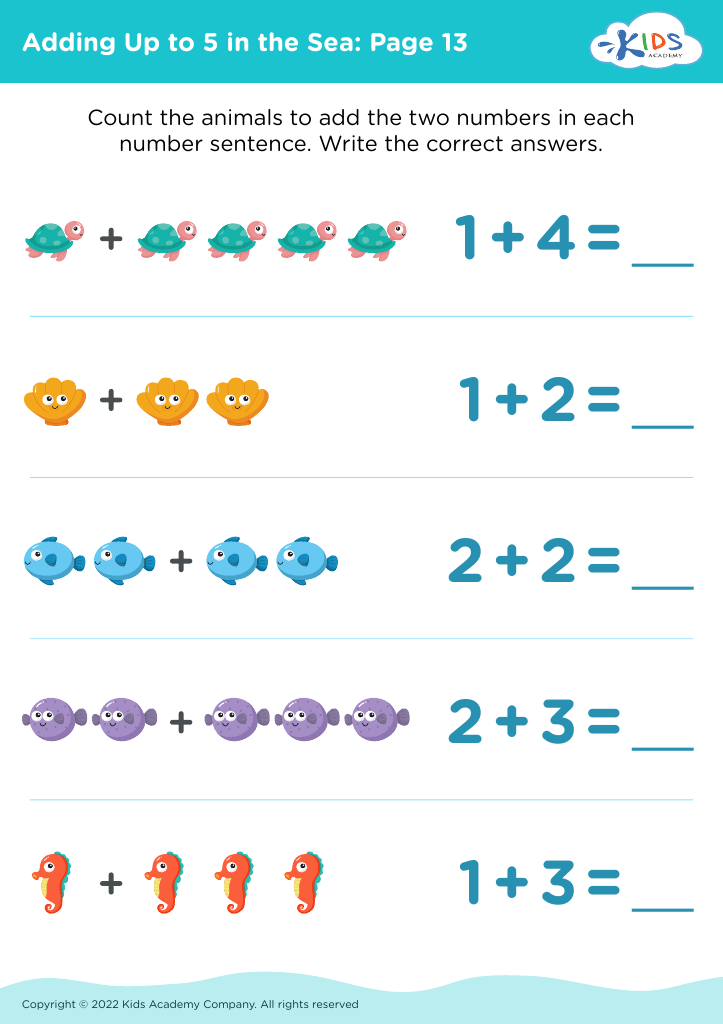
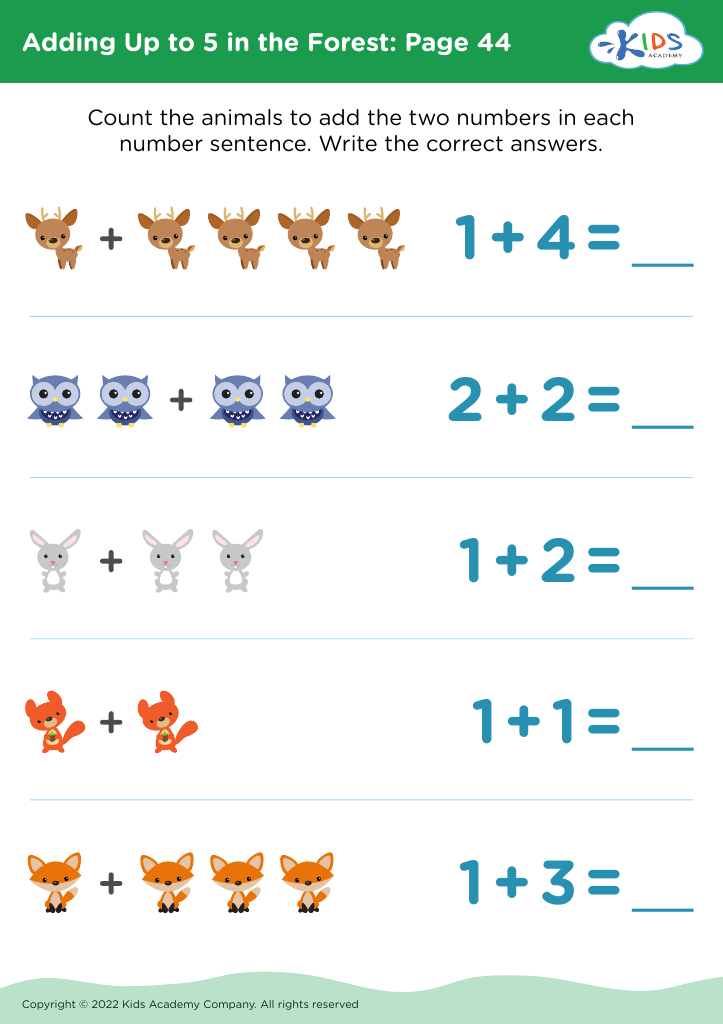
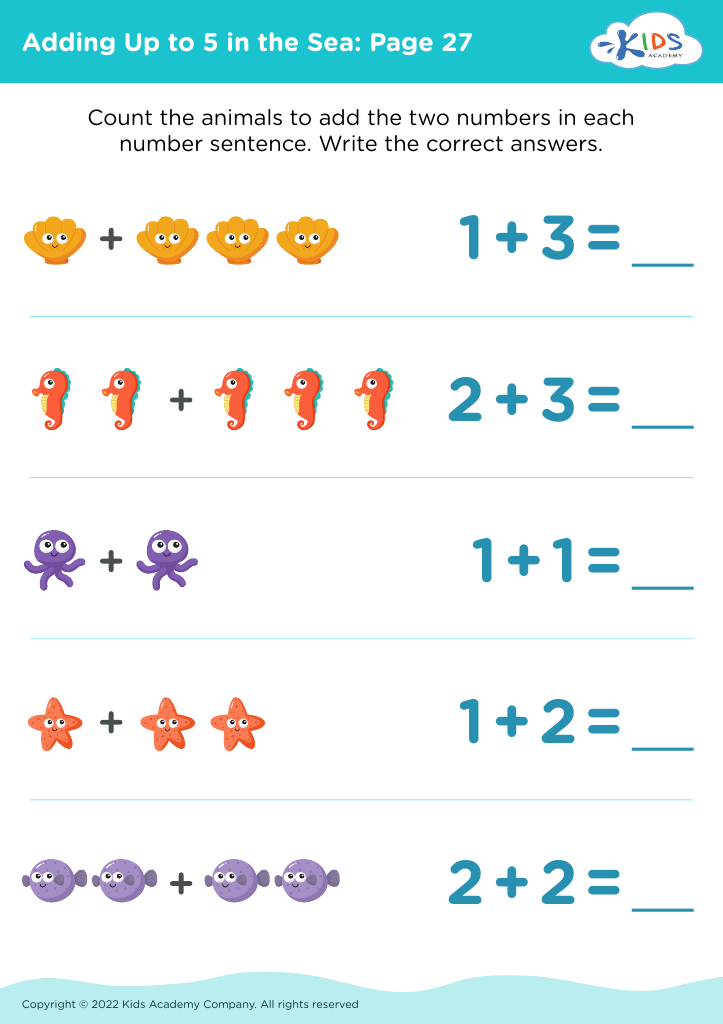
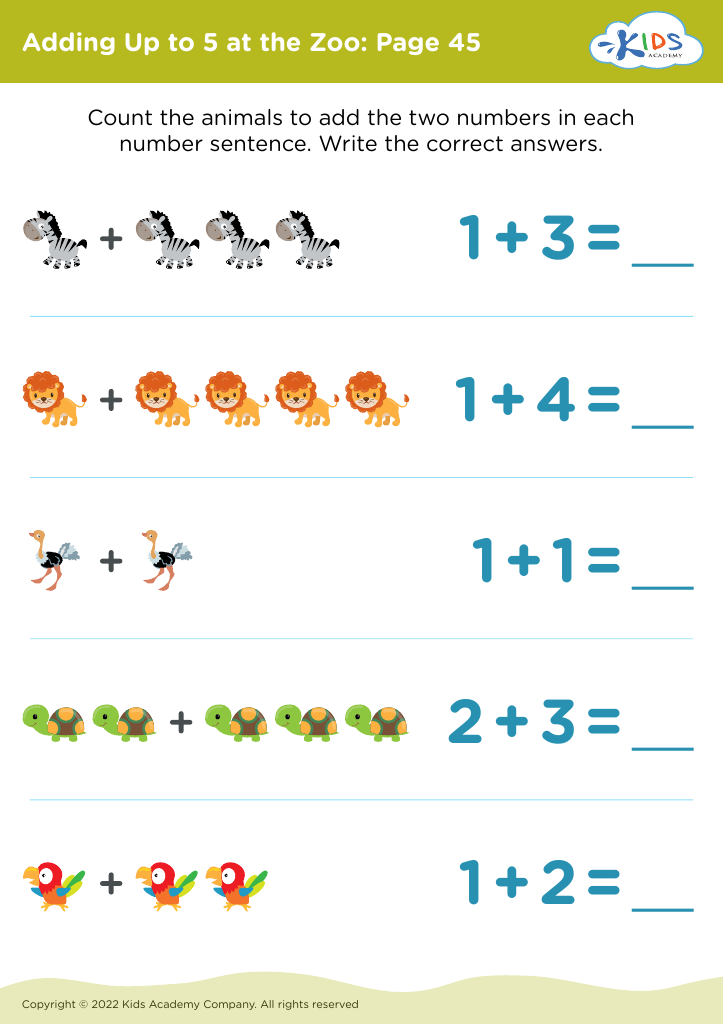
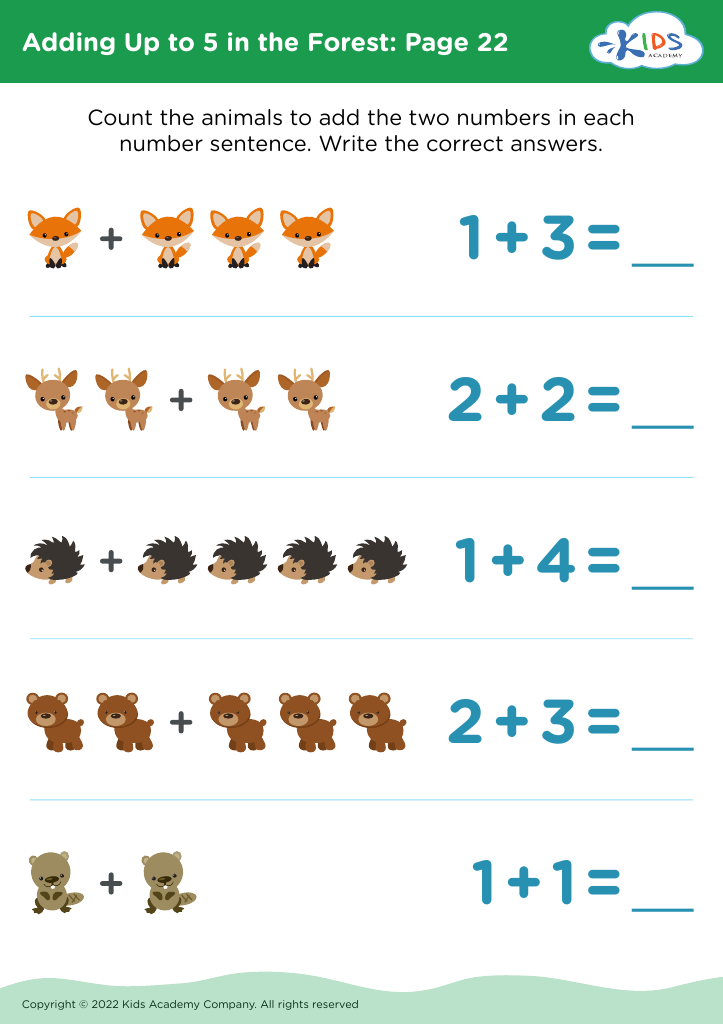
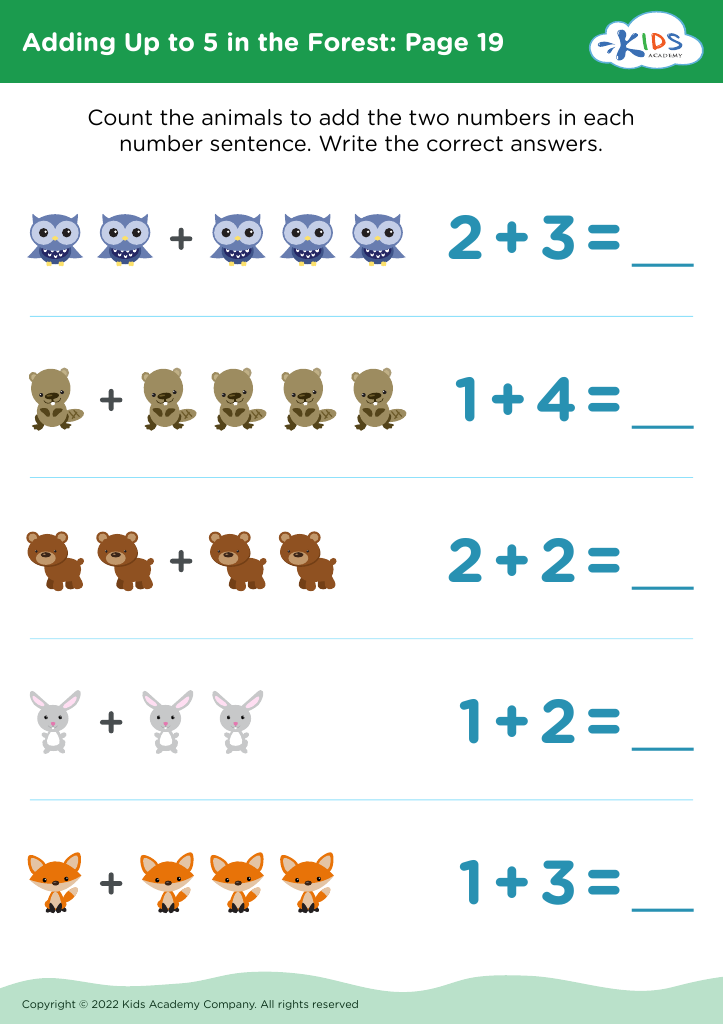
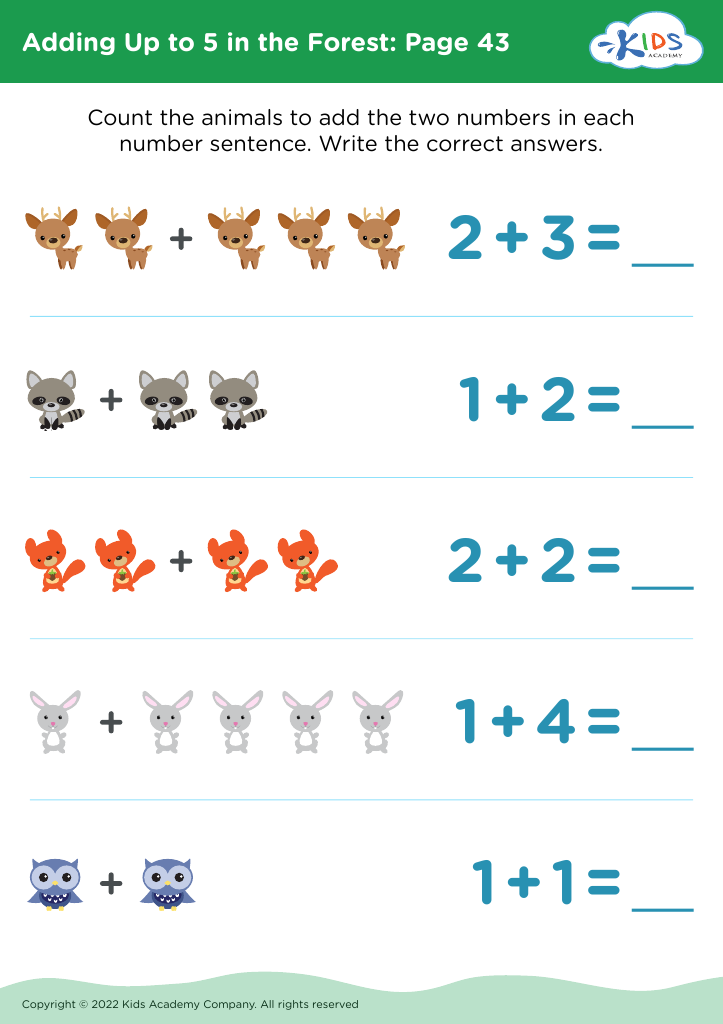
Discover our "Improves Concentration Math Worksheets for Ages 3-8," designed to enhance young learners' focus and boost their mathematical skills. These fun and engaging worksheets promote concentration through interactive activities, puzzles, and exercises tailored to children's developmental levels. They cover essential math concepts, including counting, addition, and patterns, all while encouraging cognitive growth. Ideal for both home and classroom use, our worksheets are user-friendly and visually appealing, making learning an enjoyable experience. Foster a love for math while helping your child develop essential concentration skills that will benefit them in their educational journey. Download now for hours of focused learning fun!
Favorites
With answer key
Interactive
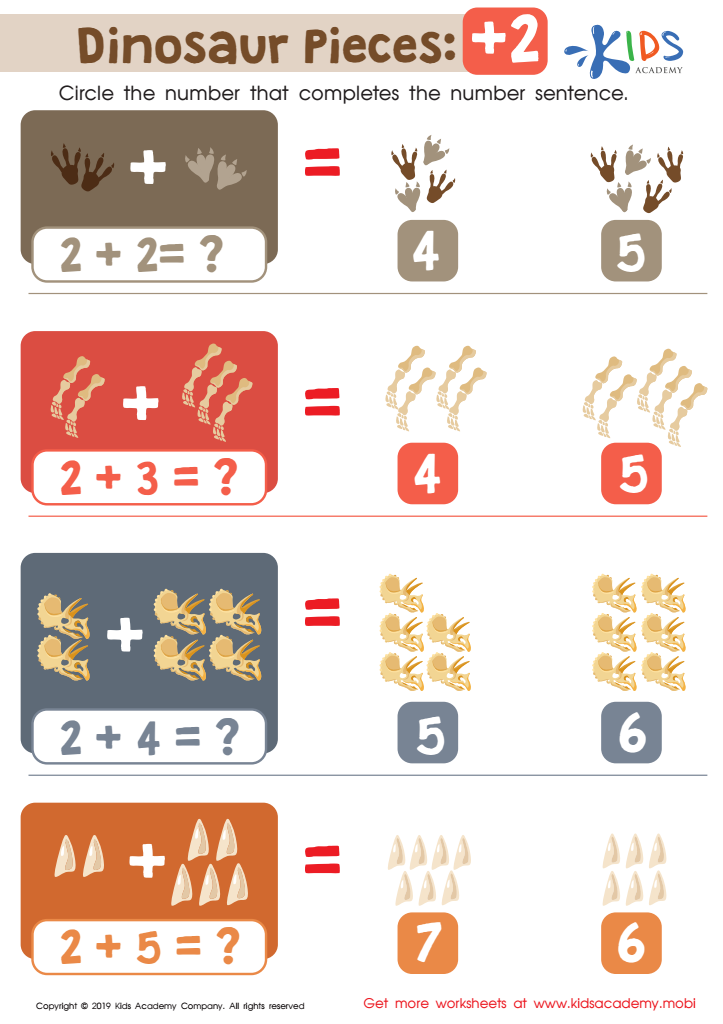
Dinosaur Pieces: +2 Worksheet
Kids love dinosaurs! See if your kids can solve these three equations featuring the mysterious creatures. Download the PDF and have them circle the number that completes each equation. Dinosaurs are extinct, not seen for thousands of years, but they can still help kids work on their math skills!
 Assign to My Students
Dinosaur Pieces: +2 Worksheet
Worksheet
Join Kids Academy for Free
Who is primarily going to use this learning content?




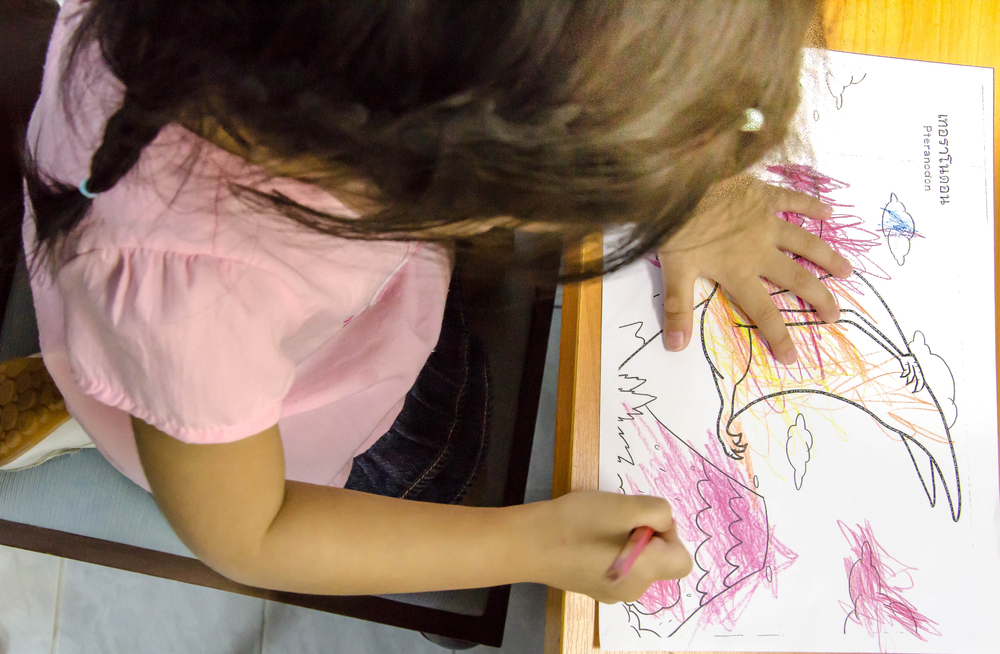



Improving concentration in math for children aged 3-8 is essential for several key reasons. First, early mathematical skills lay the foundation for a child’s cognitive development and pave the way for more complex problem-solving abilities in later years. When children learn to focus and concentrate on math activities, it fosters a deeper understanding of numerical concepts, patterns, and relationships. This not only enhances their math skills but also promotes overall academic success.
Moreover, developing concentration skills at a young age helps children become more engaged learners. With improved focus, they can actively participate in lessons, grasp new concepts more efficiently, and develop a positive attitude towards learning. This cultivates resilience, allowing them to tackle challenges confidently.
Parents and teachers should care about this area because establishing strong concentration habits early on leads to lasting benefits. Children who can concentrate well exhibit better behavior, are more capable of self-regulation, and can approach tasks with greater independence. In conclusion, prioritizing concentration in math for young children not only supports their immediate learning but also equips them with vital skills for future academic and life success. Investing in these foundational abilities is critical for fostering lifelong learners.








