Letter Tracing Practice Math Worksheets for Ages 3-8
3 filtered results
-
From - To
Unlock your child's potential with our Letter Tracing Practice Math Worksheets, tailored for ages 3-8! These engaging worksheets seamlessly blend alphabet mastery and foundational math skills. Perfect for preschool to early elementary students, they reinforce fine motor development and number recognition, offering a fun, interactive learning experience. Each worksheet is designed to captivate young minds with colorful images and straightforward instructions, making learning both effective and enjoyable. Ideal for both classroom and at-home use, our printable resources are your go-to solution for fostering early writing and math prowess. Start the learning journey today with Kids Academy!
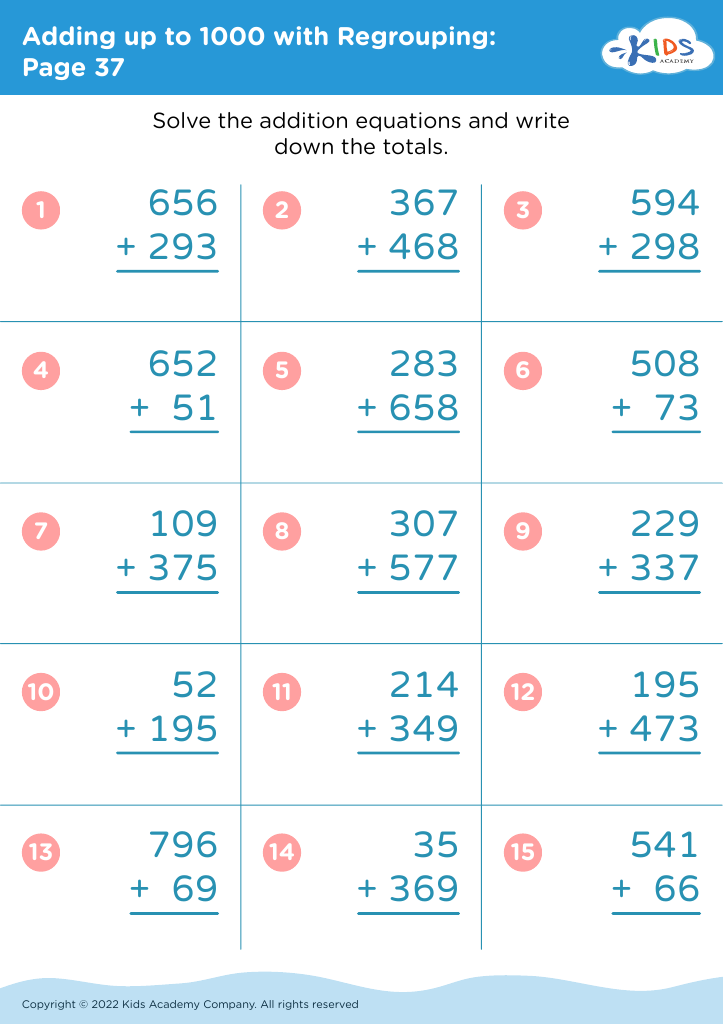
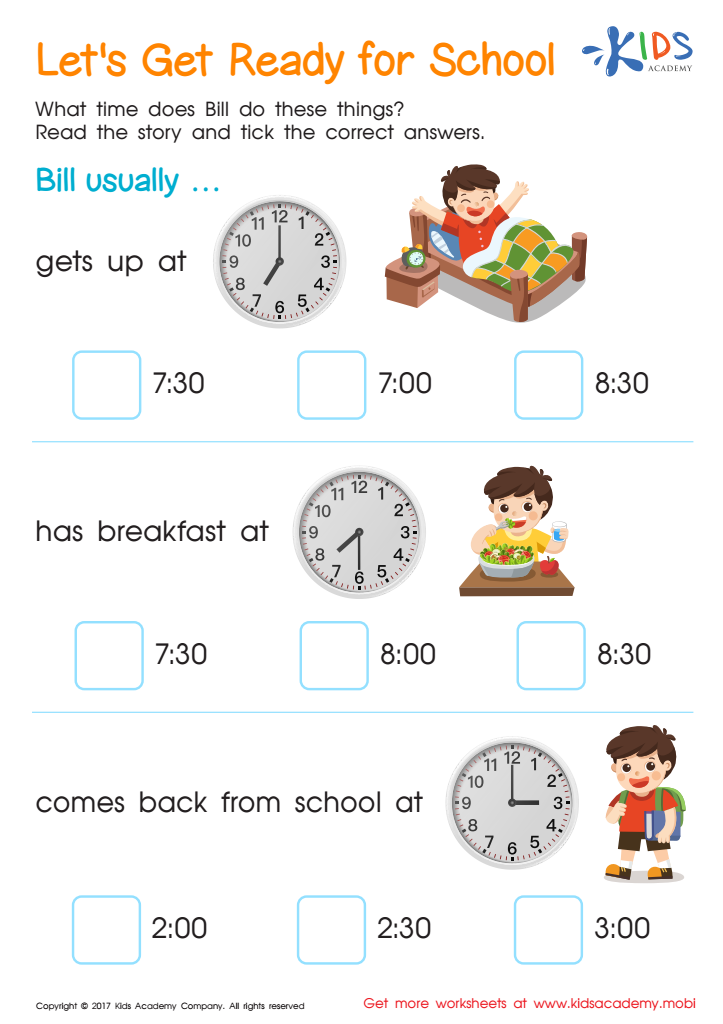
Lets Get Ready For School Time Printable
 Assign to My Students
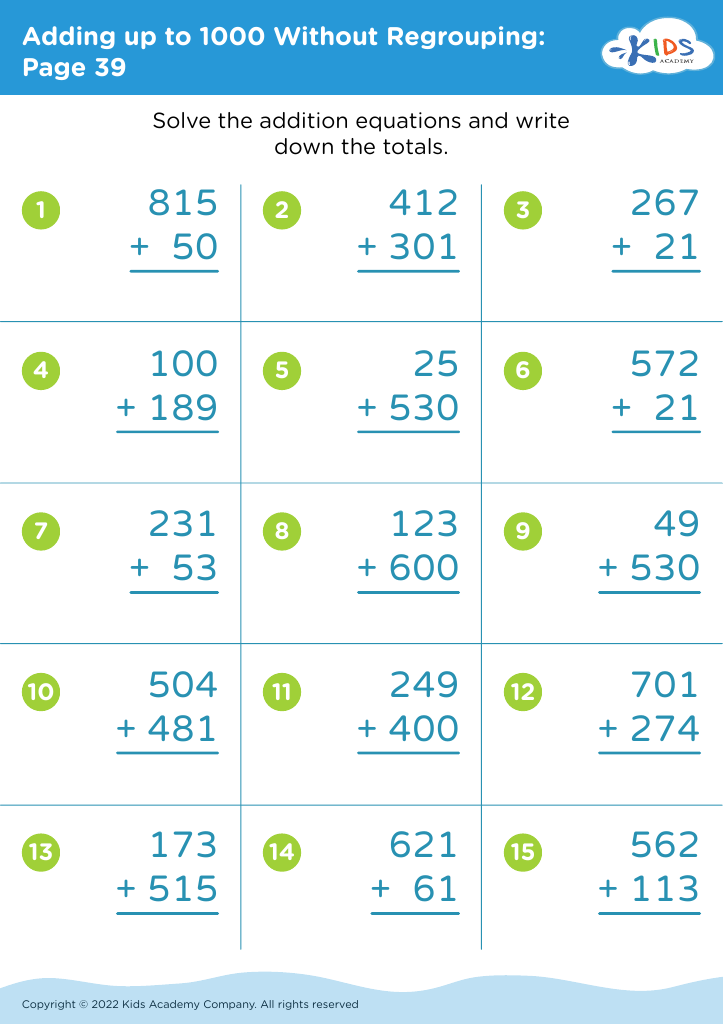








Letter tracing practice and introductory math activities are crucial tools for developmental learning in children aged 3-8, forming the foundational building blocks for future academic success. During these early years, children experience rapid brain development, making it an optimal period to nurture crucial skills such as letter recognition, fine motor coordination, number cognition, and problem-solving abilities.
Letter tracing serves multiple purposes: it aids children in understanding the alphabet, reinforces correct letter formation, and builds hand-eye coordination. Engaging in this practice helps young learners become proficient in writing while simultaneously boosting their ability to recognize and recall letters more effectively, easing the journey toward fluent reading and writing.
Math for young learners introduces essential numerical concepts, such as counting, basic addition and subtraction, and recognizing shapes and patterns. Structured play with numbers enhances cognitive skills and familiarizes children with analytical thinking and logical reasoning, crucial for future academic disciplines and everyday problem-solving.
Moreover, combining letter tracing and math introduces routine and structure, fostering a positive learning attitude and disciplined practice habits. Supporting children in these early learning endeavors not only aims to prepare them for school readiness but also cultivates a love for lifelong learning, positioning them well for future educational and personal success. Parents and teachers, therefore, should give these practices the necessary attention and encouragement.








