Filters

31 filtered results

Clear all filters
Favorites
With answer key
Interactive

31 filtered results

Difficulty Level

Grade


Check out this FREE Trial Lesson on Math for age 3-8!

2 Step Word Problems Writing Equations to Match

Favorites
With answer key
Interactive
  • 3-8
  • Logical Reasoning
  • Math
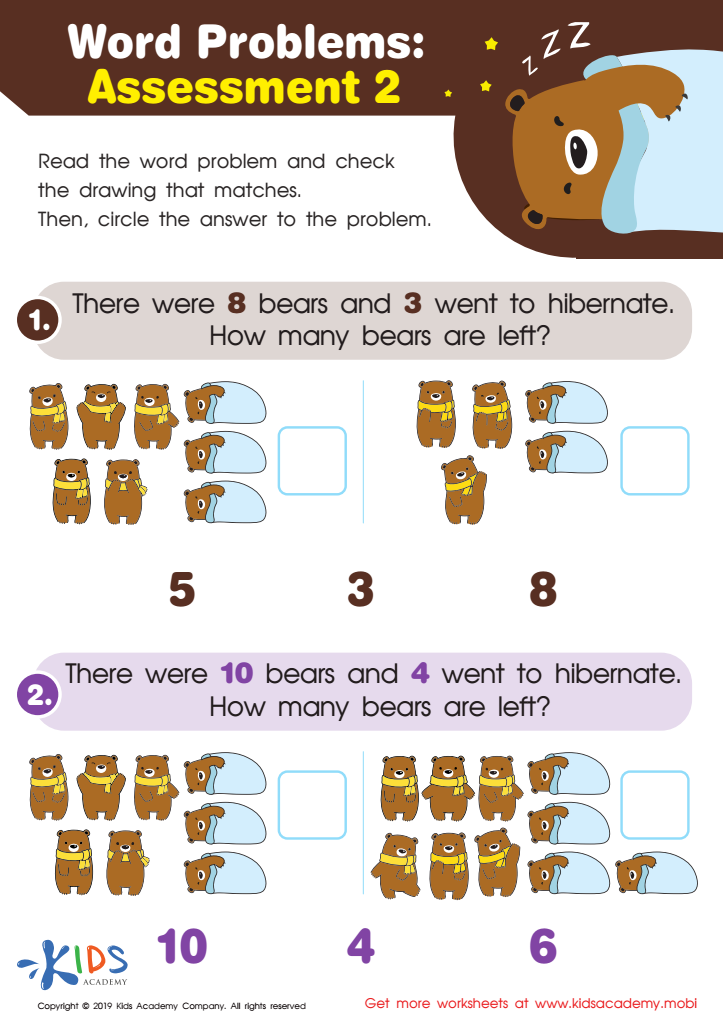
Word Problems: Assessment 2 Worksheet

Word Problems: Assessment 2 Worksheet

This bear-themed worksheet is a great way to test subtraction skills. Have your child read the word problems and match the correct drawing with the answer. It's a fun way to quiz them without them even knowing. Enjoy counting cute snoozing bears! (80 words)
Word Problems: Assessment 2 Worksheet
Worksheet
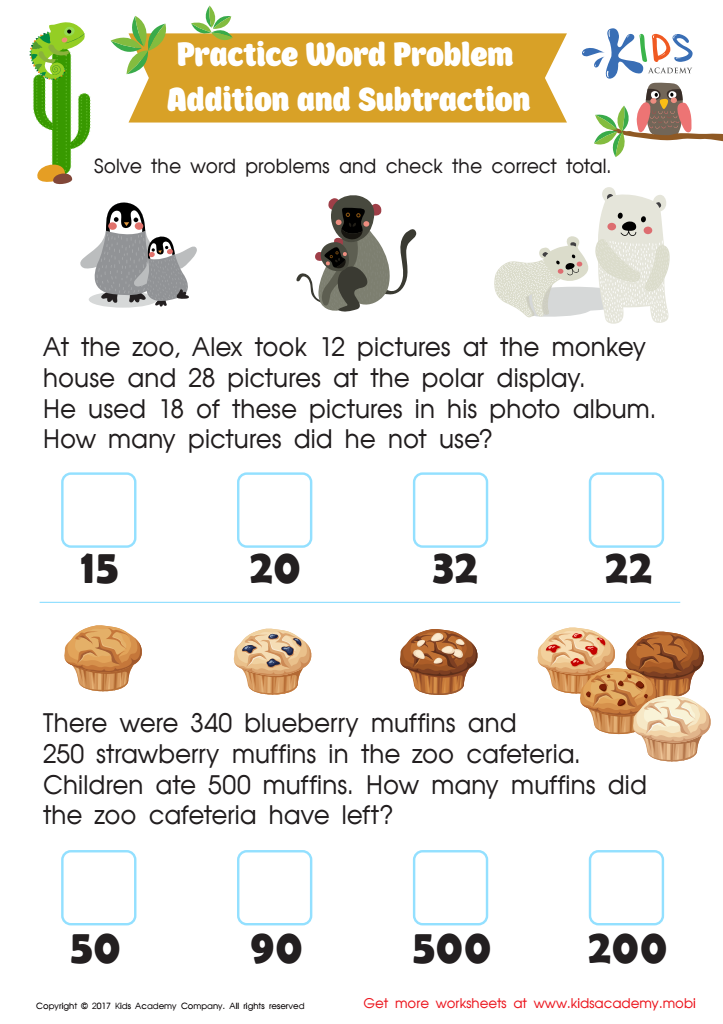
Addition and subtraction word problem worksheet for 3rd grade

Addition and Subtraction: Word Problems Worksheet
Word problems can be difficult, but they offer another way to understand math. Our 3rd grade worksheet takes your child to the zoo; two intriguing word problems will test their thinking skills and help them find the total.
Addition and Subtraction: Word Problems Worksheet
Worksheet
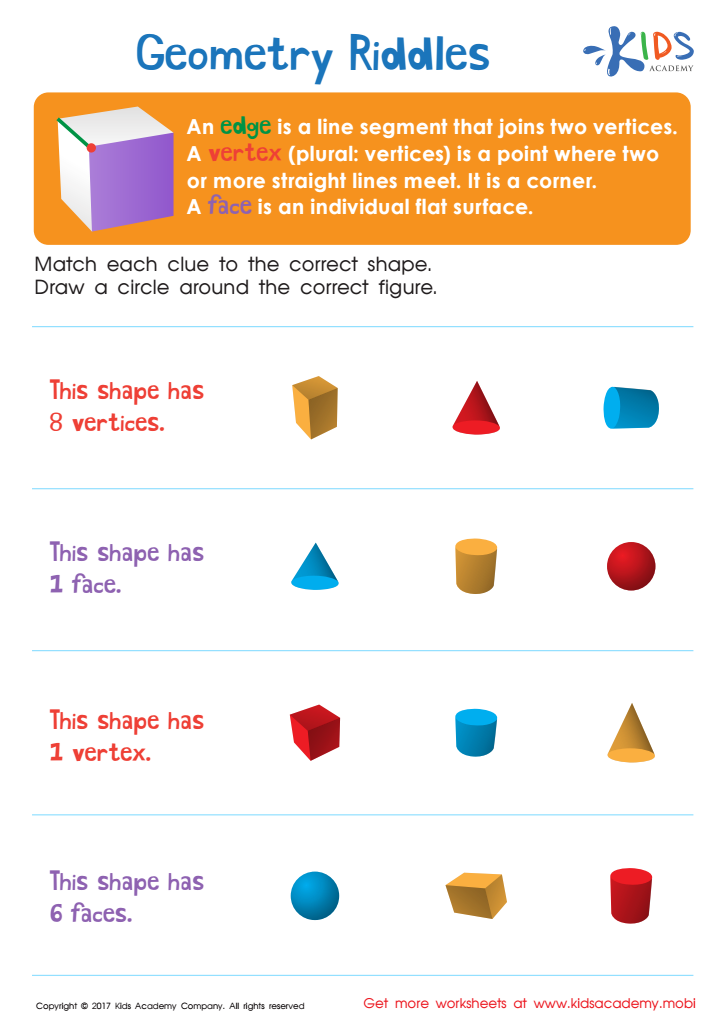
Geometry riddles worksheet

Geometry Riddles Printable

Review geometry terms with your child using this challenging worksheet of tricky riddles. Identifying and counting vertices, edges, and faces of shapes becomes fun as they solve the riddles!
Geometry Riddles Printable
Worksheet
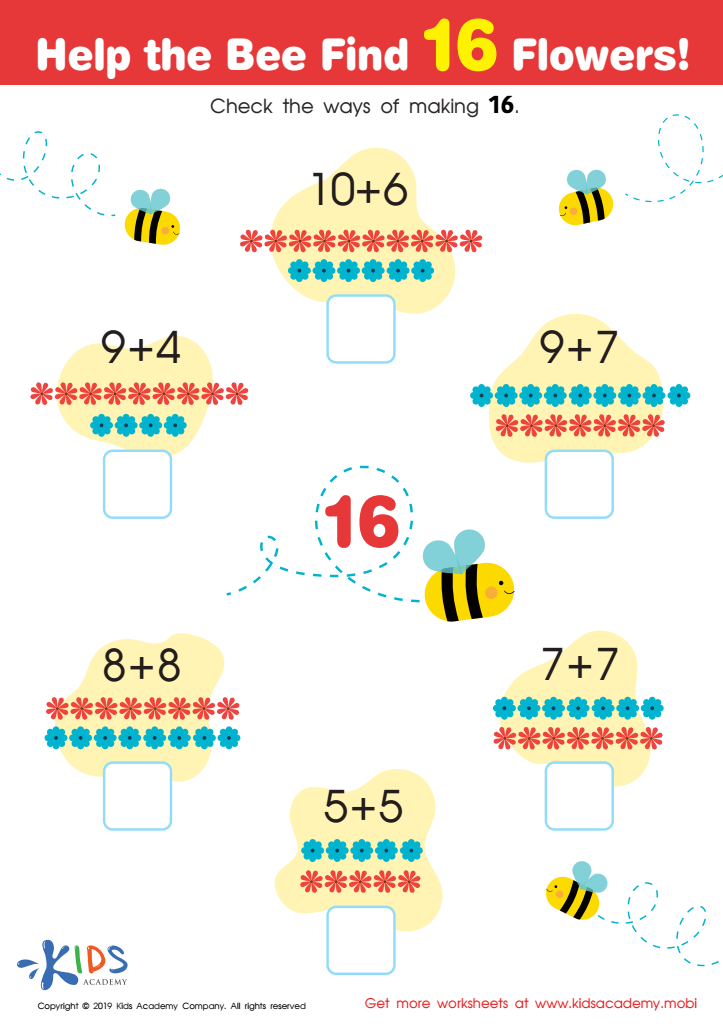
Help the Bee Find 16 Flowers Worksheet
Help the Bee Find 16 Flowers Worksheet

Ask your students to count as high as they can. Show them that different numbers can equal the same figure with examples like 2+2=4 and 3+1=4. Ask for more examples, then help the bees find 16 flowers by checking the ways of making 16.
Help the Bee Find 16 Flowers Worksheet
Worksheet
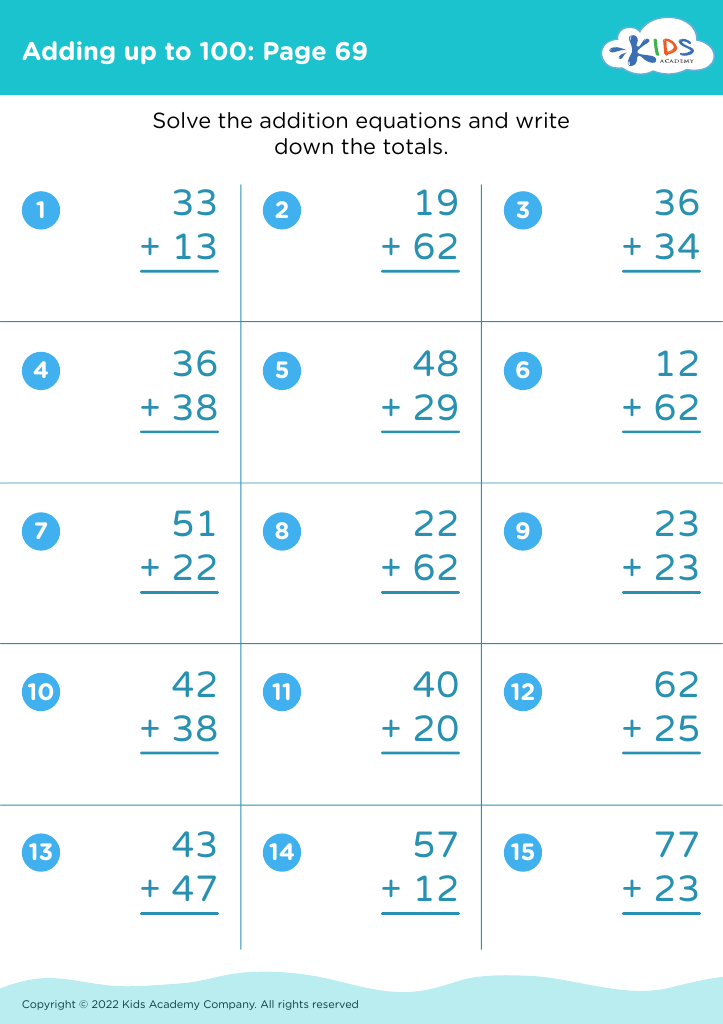
Adding up to 100: Page 69

Adding up to 100: Page 69

Adding up to 100: Page 69
Worksheet
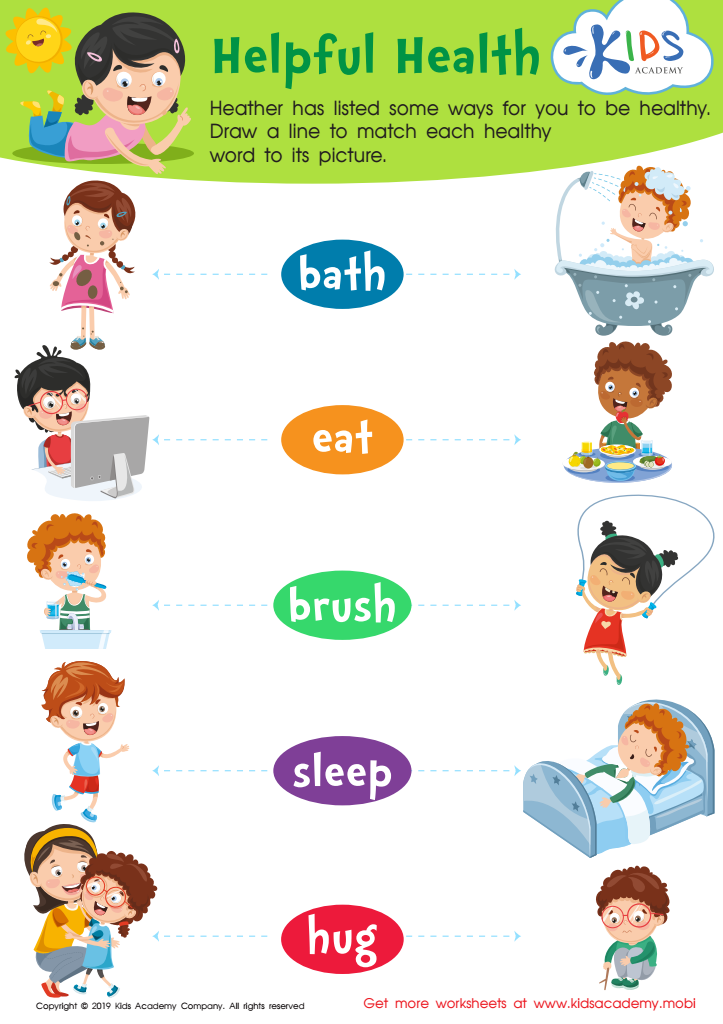
Helpful Health Worksheet

Helpful Health Worksheet

Kids can learn healthy habits with this free worksheet! With their pal Heather, they'll trace lines to connect health words with pictures like brushing teeth, hugging, and getting enough sleep. It's a great way to help young ones understand healthy activities.
Helpful Health Worksheet
Worksheet
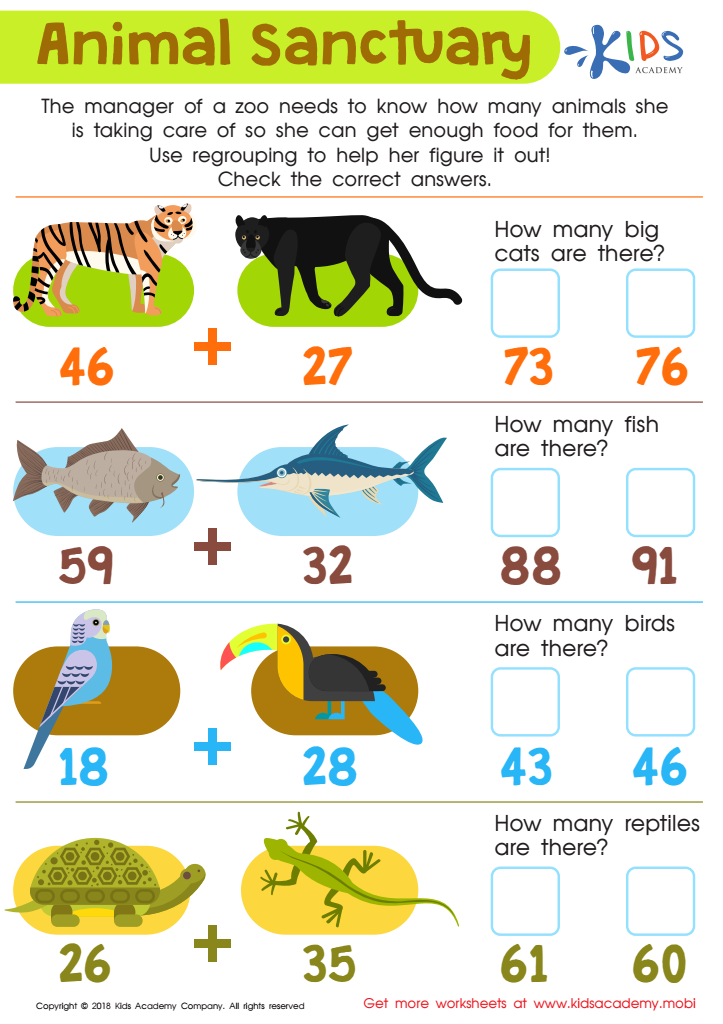
Animal Sanctuary Worksheet

Animal Sanctuary Worksheet

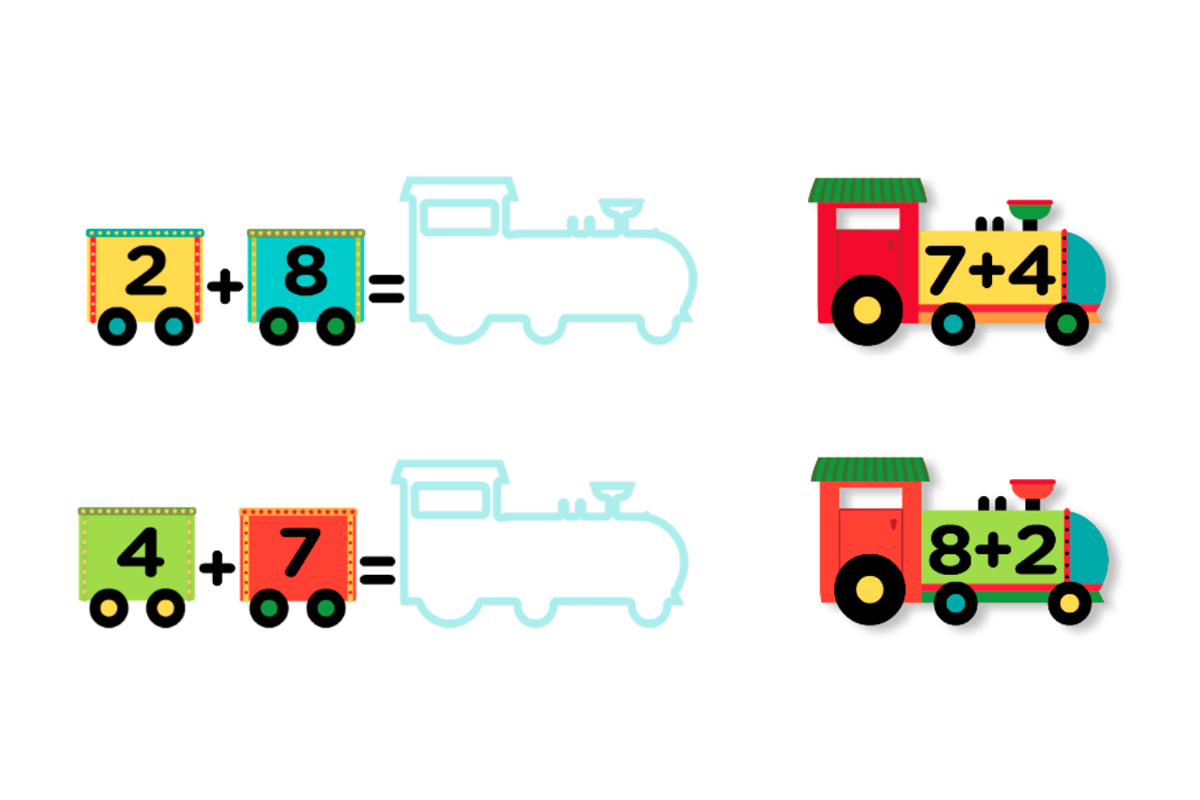
Do your kids love visiting the zoo? Ask which animals they remember & which ones they liked the most. The manager needs help to get enough food for all the animals. Help your child use regrouping to figure out how many animals there are. And ask them to check the answers.
Animal Sanctuary Worksheet
Worksheet


Logical reasoning is foundational for a child’s cognitive development, making it crucial for parents and teachers to prioritize this area, especially for children ages 3-8. Logical reasoning enhances problem-solving skills by encouraging children to think systematically and understand cause and effect. It awakens curiosity and nurtures the ability to analyze situations and make informed decisions, which are essential skills not only in mathematics but across all domains of learning and life.

At this formative age, a child's brain is exceptionally receptive to new concepts. Introducing logical reasoning through math—like recognizing patterns, sequencing, and basic operations—helps harness this developmental window to build strong neural connections. Importantly, these activities are often engaging and play-based, making learning enjoyable and effective.

Logical reasoning also improves a child’s capacity to communicate their thought processes. As they justify their answers and question conclusions, they develop critical thinking and verbal skills. Such abilities are vital for academic success and essential in the 21st century, where problem-solving and analytical thinking are highly valued.

Overall, fostering logical reasoning in young children's math education equips them with tools for lifelong learning, enhances cognitive abilities, and sets a solid foundation for future complex problem-solving tasks.