Observation skills Math Worksheets for Ages 3-8
5 filtered results
-
From - To
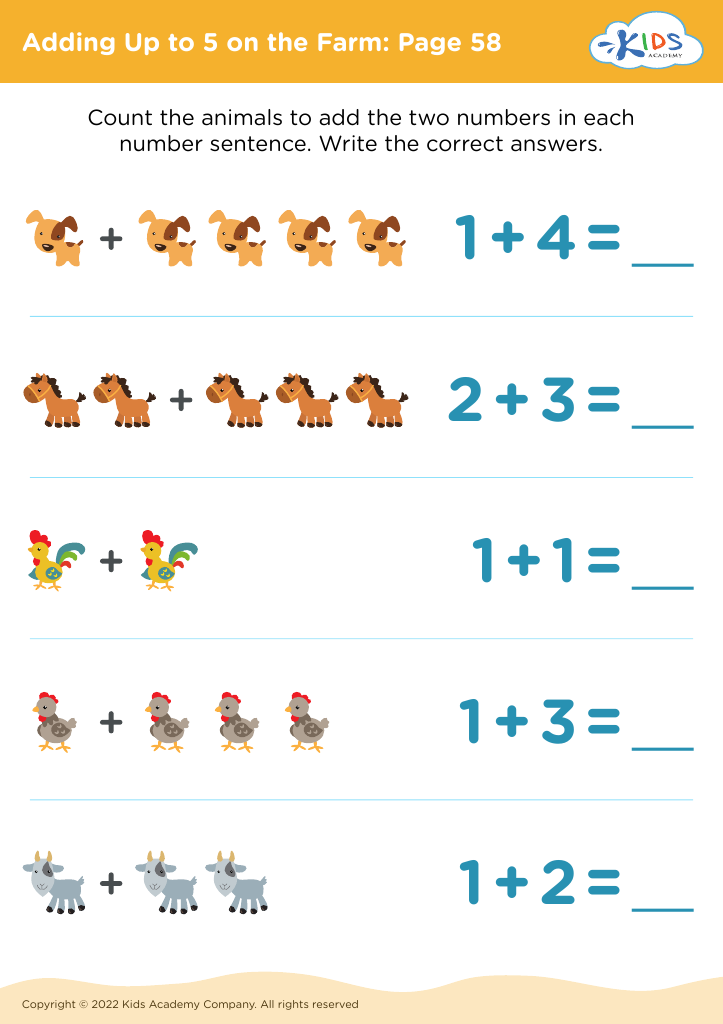
Enhance your child's learning journey with our Observation Skills Math Worksheets, designed specifically for ages 3-8. These engaging materials nurture critical thinking and enhance attention to detail through fun math exercises and activities. Children will develop their ability to observe and interpret visual patterns, shapes, and sizes while improving foundational math skills. With a variety of appealing illustrations and age-appropriate challenges, these worksheets make math practice enjoyable and effective. Perfect for home or classroom use, our resources foster a love for learning and empower young minds to build strong observational skills essential for future academic success. Explore our worksheets today!
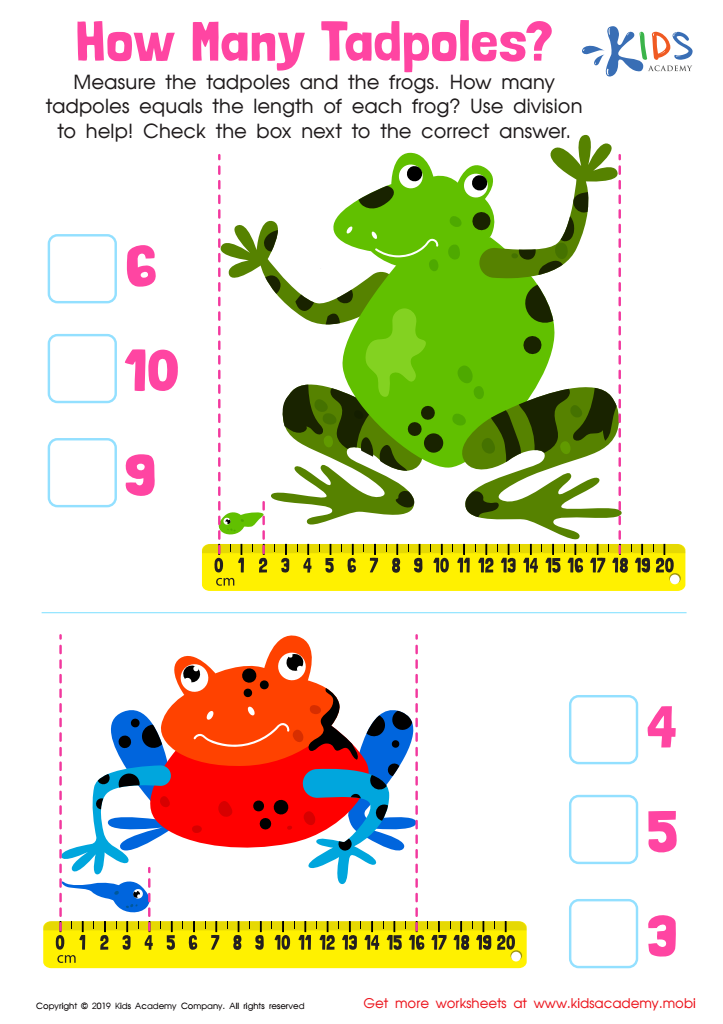
How Many Tadpoles Worksheet
 Assign to My Students
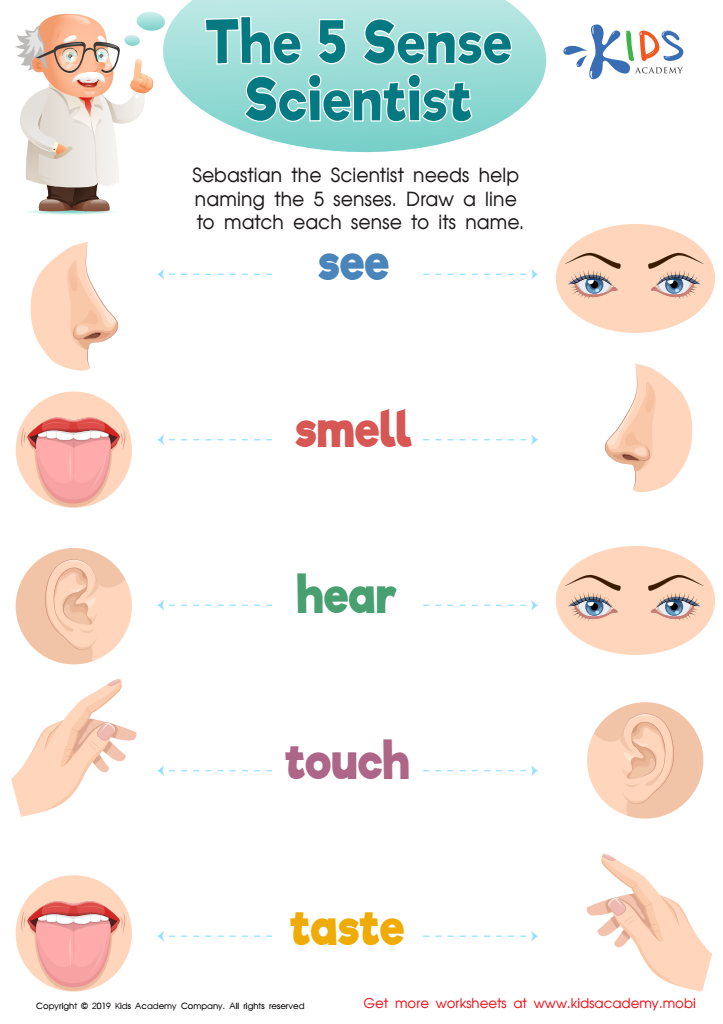
The 5 Sense Scientist Worksheet
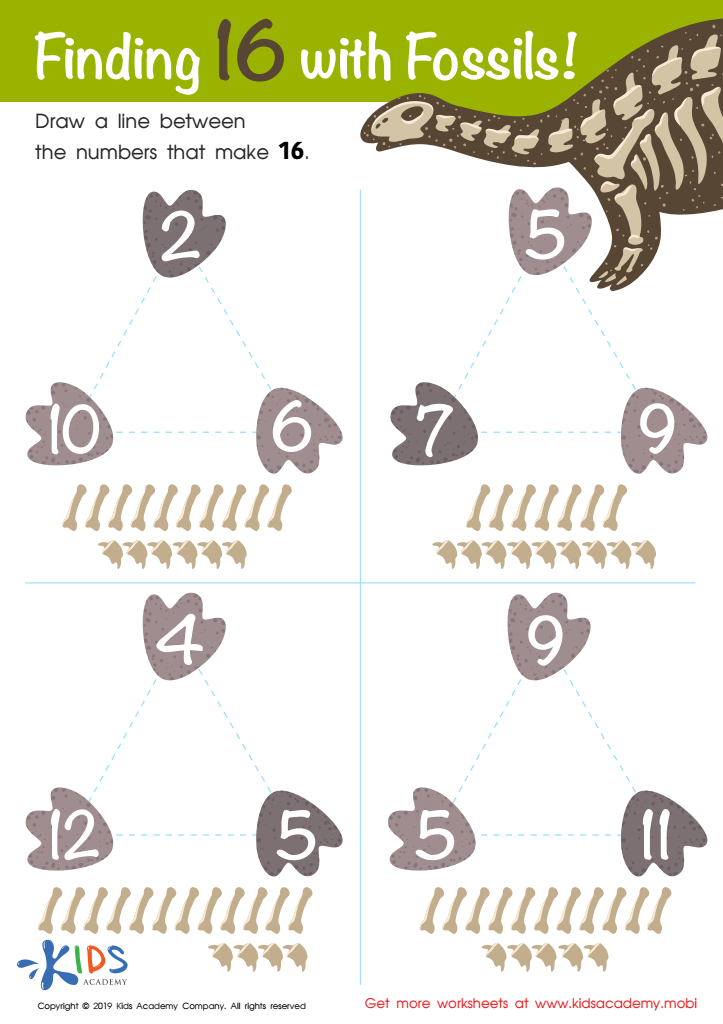
Finding 16 With Fossils Worksheet
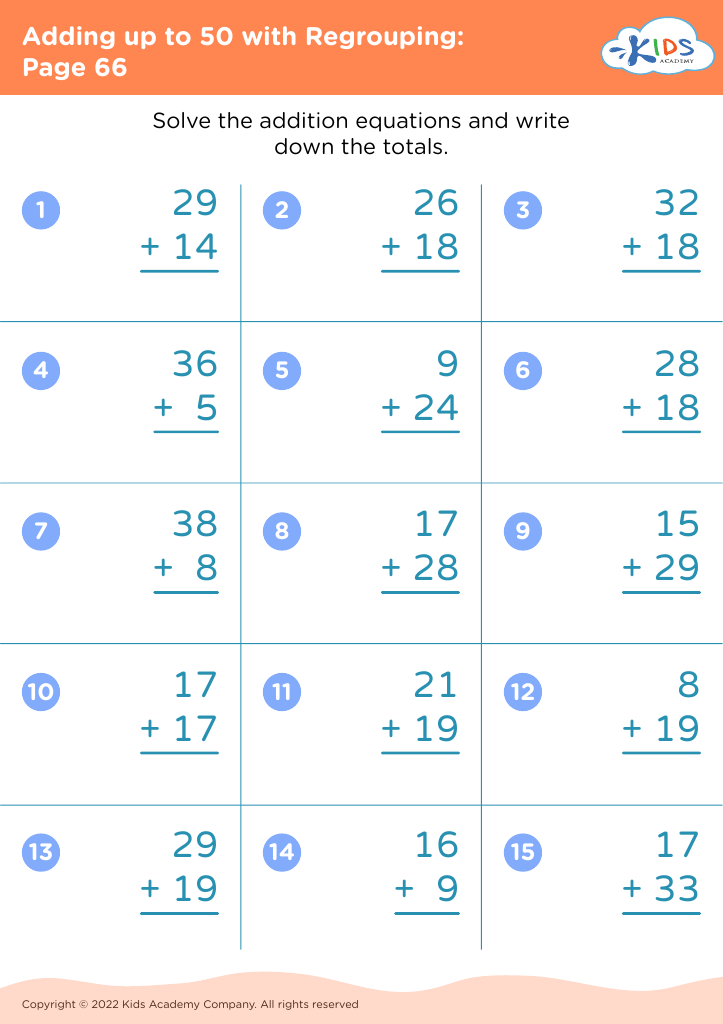






Observation skills in mathematics are critical for children aged 3 to 8, as they form the foundation for more complex mathematical reasoning in later years. For parents and teachers, fostering these skills helps young learners engage actively with their environment. Children learn to notice patterns, compare quantities, and recognize shapes, which enhances their understanding of mathematical concepts.
Observation encourages curiosity, leading to exploratory learning. When educators prioritize observation-based activities, they provide opportunities for students to make connections between mathematical ideas and real-world applications. This engagement ignites a passion for math, making it less intimidating and more enjoyable.
Furthermore, strong observation skills support the development of critical thinking and problem-solving abilities. Children who can observe, analyze, and draw conclusions about numerical relationships are better equipped to tackle challenges as they grow. This skill is essential not only for math but across all academic areas.
Moreover, by involving parents in this process, they can reinforce these skills at home, creating a consistent learning experience. As educators, focusing on observational learning in math teaches children to become confident learners, paving the way for academic success and a lifelong love of learning. Therefore, both parents and teachers play a key role in nurturing these vital skills.








