Sentence construction Math Worksheets for Ages 3-8
7 filtered results
-
From - To
Discover engaging "Sentence Construction Math Worksheets for Ages 3-8" designed to enhance your child's learning journey. These educational resources blend fun sentence-building activities with essential math concepts, fostering both literacy and numeracy skills simultaneously. Each worksheet features delightful imagery and clear instructions, making it easy for young learners to construct sentences while practicing counting, addition, subtraction, and more. Perfect for home or classroom use, our printable worksheets cater to various skill levels, ensuring kids remain motivated and excited to learn. Spark creativity and boost confidence in your young students with these innovative, dual-purpose worksheets.
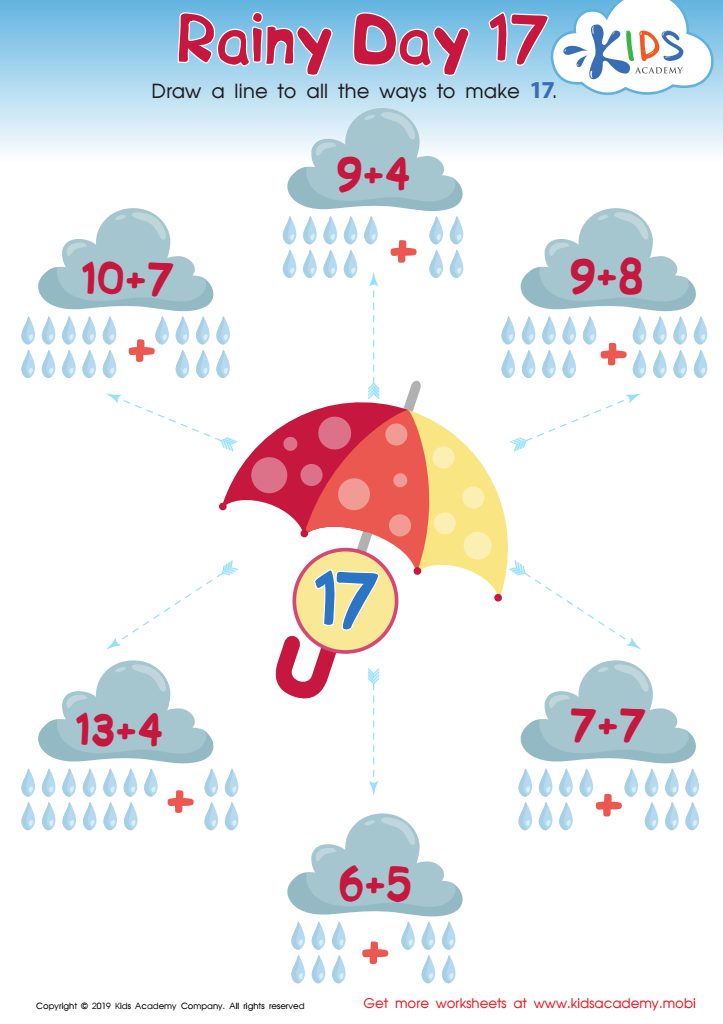
Rainy Day 17 Worksheet
 Assign to My Students
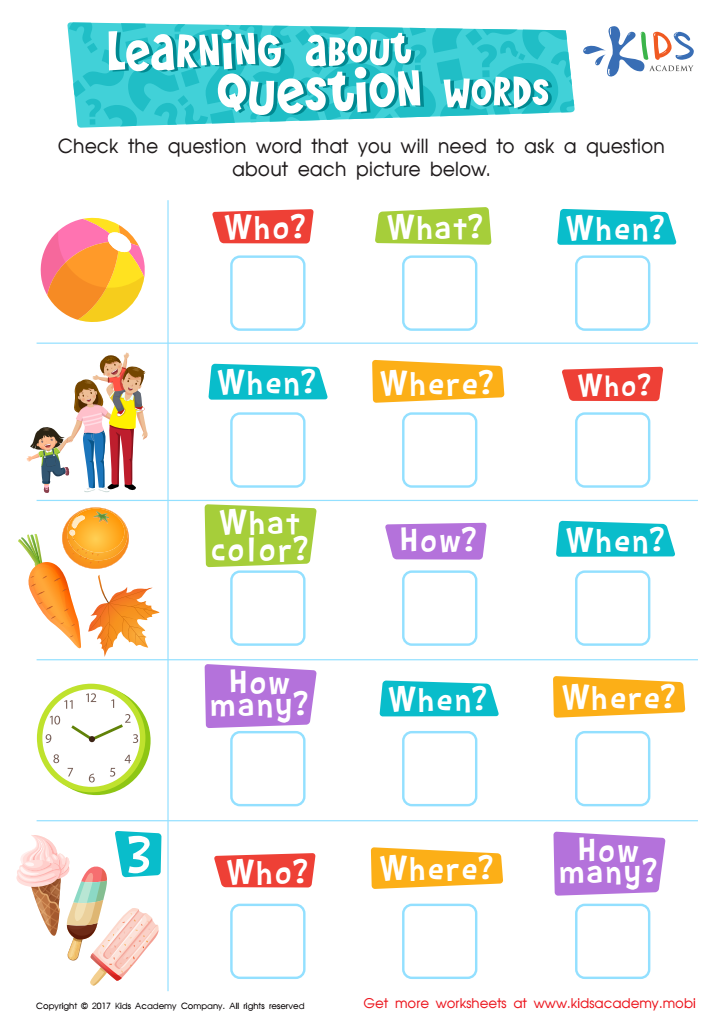
Learning about Question Words Worksheet
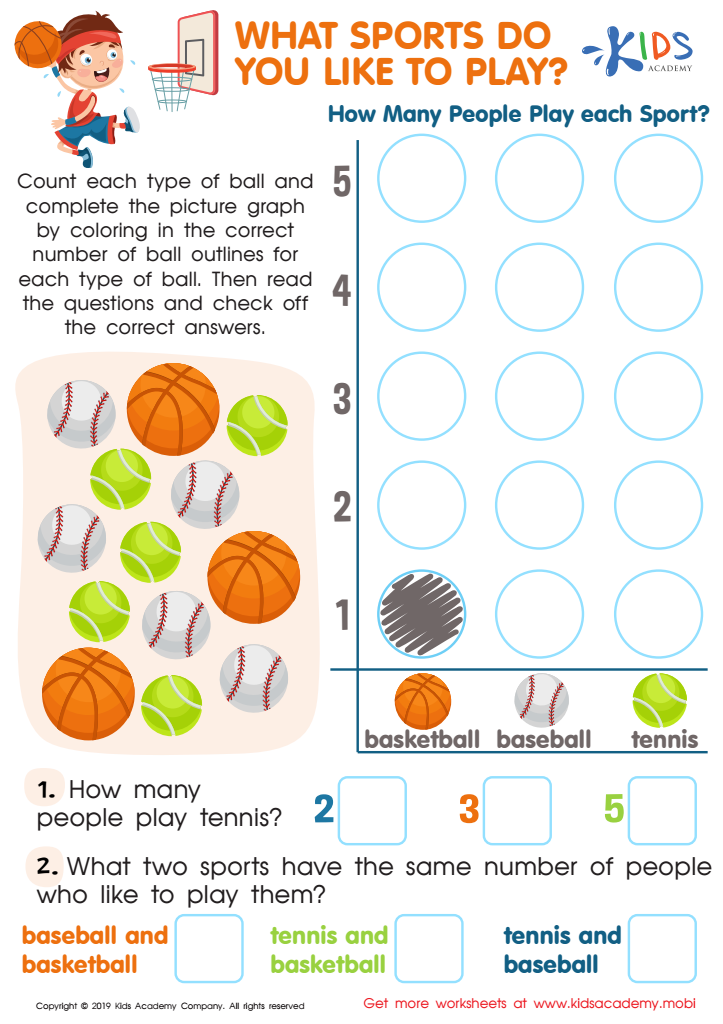
What Sports Do You Like to Play Worksheet
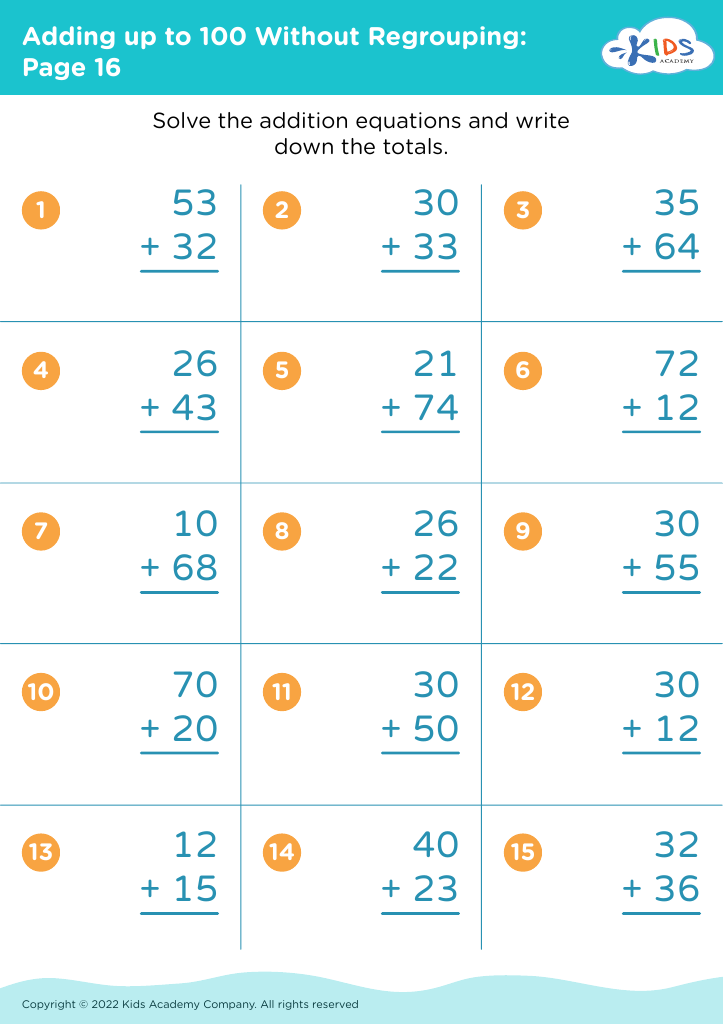
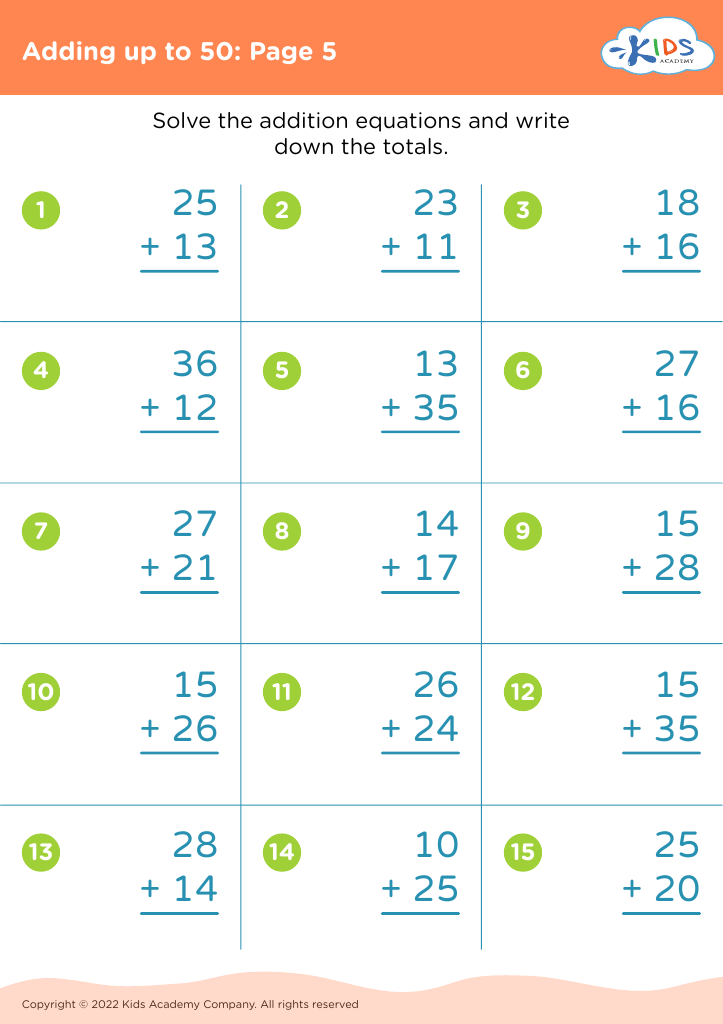







Parents and teachers should place high importance on sentence construction and basic math skills for children aged 3-8 because these are the foundational years for cognitive and linguistic development. Strong sentence construction helps in building effective communication skills. When children effectively construct sentences, they are better able to express their thoughts, emotions, and needs, which is crucial for their social and emotional development. Proficiency in sentence construction also fosters reading comprehension and writing skills, setting a solid base for academic success throughout their schooling.
Similarly, early math skills are crucial as they facilitate the development of logical and analytical thinking. Basic math concepts such as counting, recognizing numbers, and understanding simple addition and subtraction introduce problem-solving skills that will be essential later in life. By working with basic math, children develop a sense of number sense, patterns, and spatial awareness, which are critical for everyday tasks.
Blending sentence construction with math activities—like having children form sentences about counting objects or describing shapes—can create a rich learning environment that engages multiple areas of the brain simultaneously. Consequently, such integrative approaches not only engage children more effectively but also help them see the real-world applicability of what they learn, thereby boosting their overall cognitive development.








