Spatial awareness Math Worksheets for Ages 3-8 - Page 2
32 filtered results
-
From - To
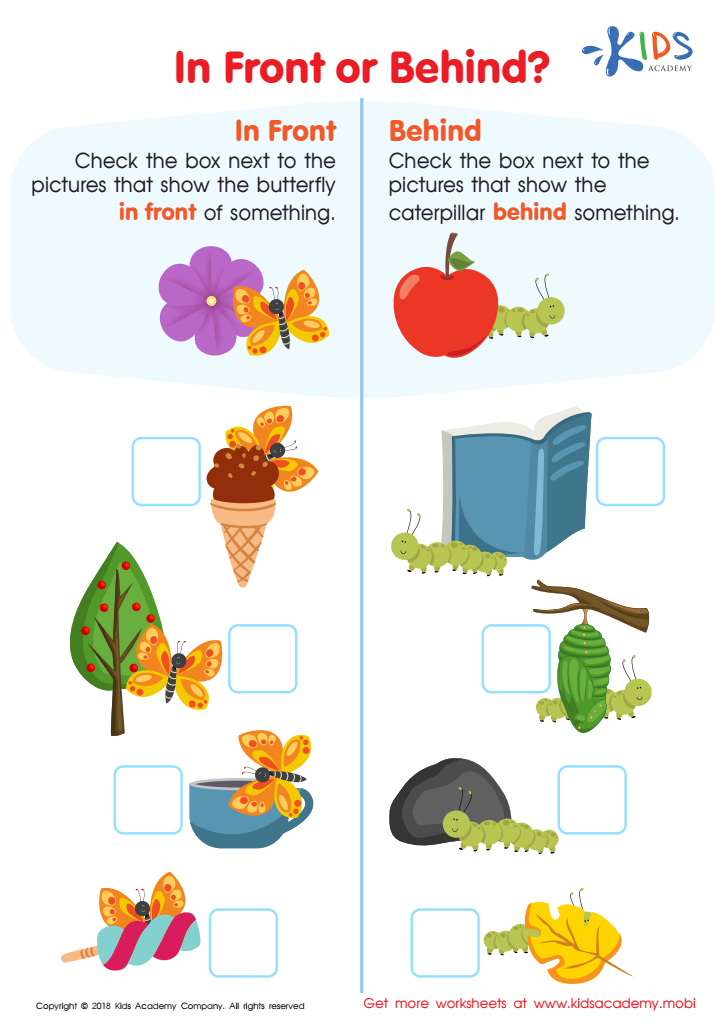
In Front or Behind Worksheet
 Assign to My Students
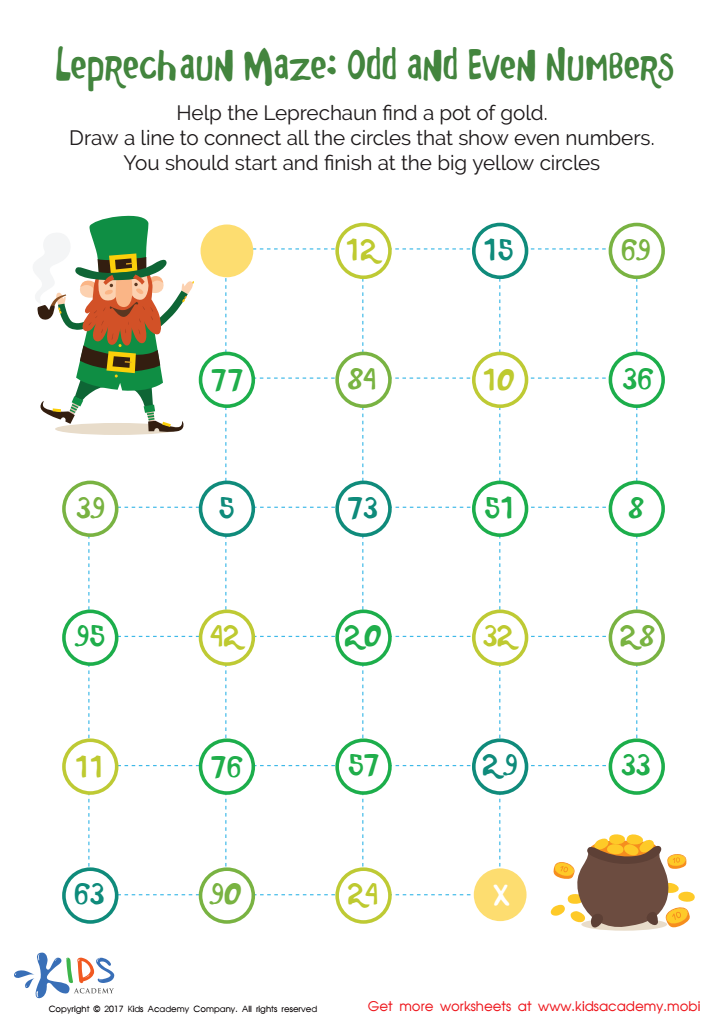
Leprechaun Maze Printable
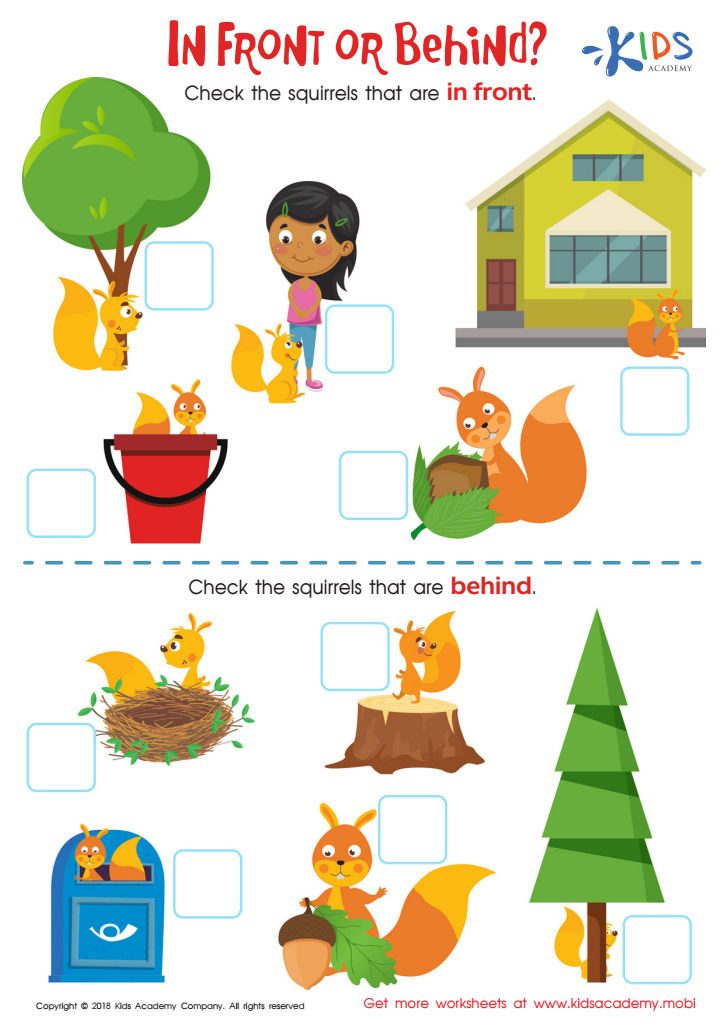
In Front or Behind: Part 2 Worksheet
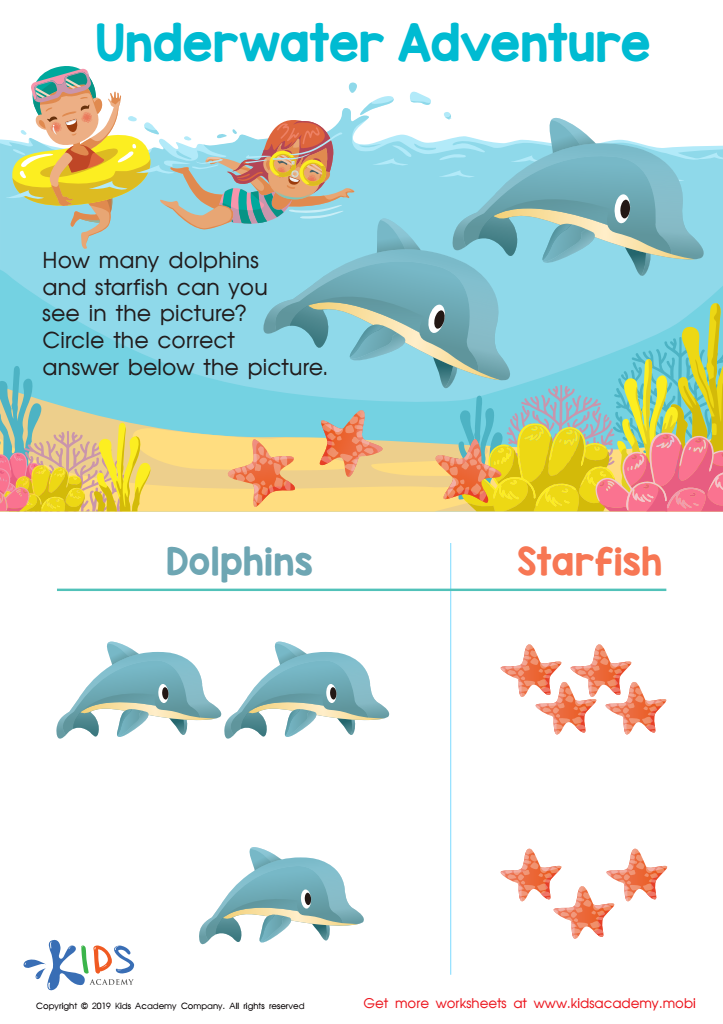
Underwater Adventure Worksheet
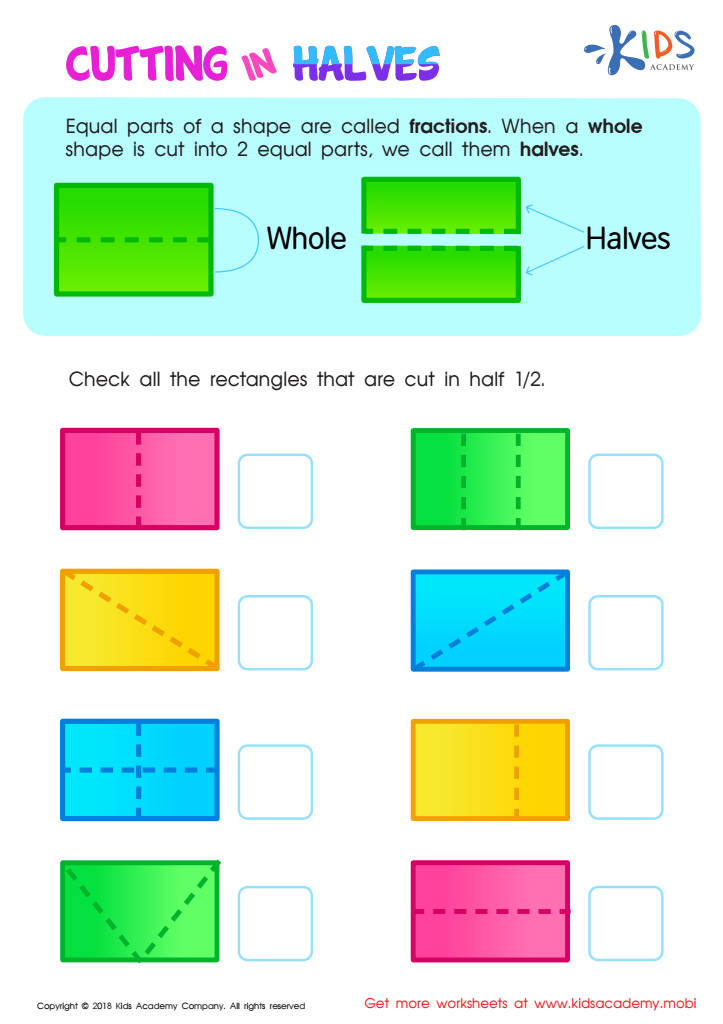
Cutting in Halves Worksheet
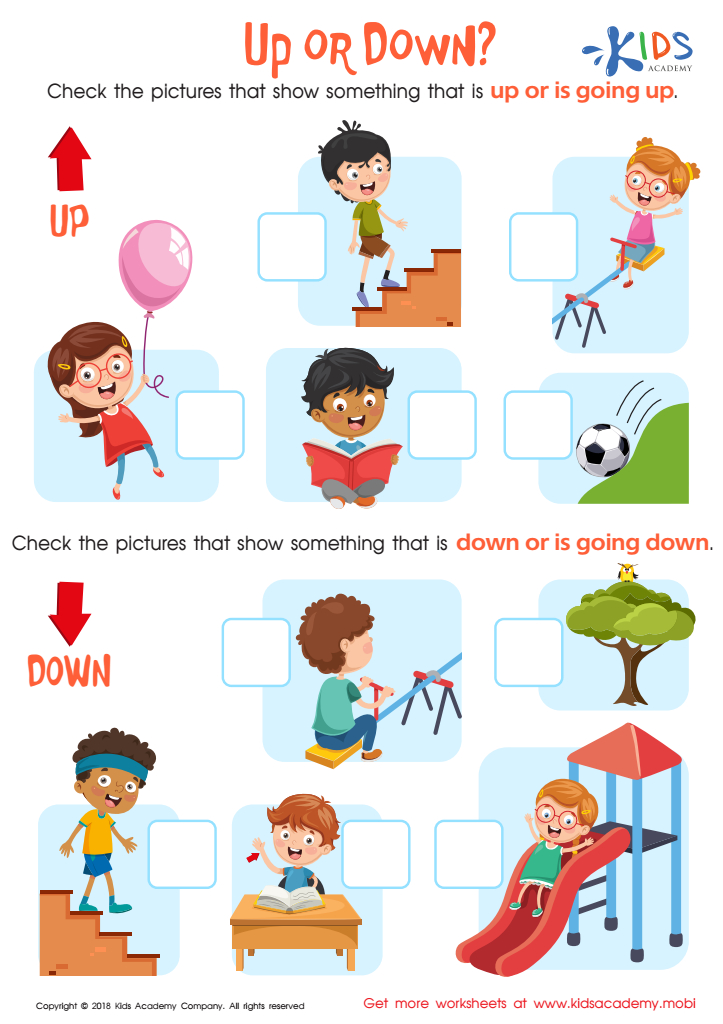
Up or Down Worksheet







Spatial awareness is a crucial aspect of cognitive development in children aged 3-8, and it significantly influences their mathematical understanding. By focusing on spatial awareness, parents and teachers can help children develop essential skills such as problem-solving, visualization, and critical thinking. Spatial awareness lays the foundation for more advanced mathematical concepts, including geometry, measurement, and spatial reasoning.
Children with a strong sense of spatial awareness can better understand shapes, sizes, and positions, which enhances their ability to visualize mathematical problems. This skill is pivotal for activities like reading maps, understanding graphs, and even performing everyday tasks such as packing or organizing.
Moreover, nurturing spatial awareness engages children with hands-on activities, such as building blocks, puzzles, or art projects, which can be both enjoyable and educational. Such activities promote collaboration, communication, and creativity, essential for overall development.
By prioritizing spatial awareness in early education, parents and teachers not only foster mathematical competencies but also equip children with skills that support their learning in various subjects throughout their academic journey. Ultimately, developing spatial awareness helps create a solid foundation for lifelong learning and growth.








