Understanding number sequences Math Worksheets for Ages 3-8
7 filtered results
-
From - To
Discover our engaging "Understanding Number Sequences" math worksheets designed for children ages 3 to 8! These interactive worksheets help young learners grasp the concept of number sequences through fun, age-appropriate activities. Your child will enhance their logical thinking, pattern recognition, and counting skills while enjoying diverse exercises, including filling in missing numbers and completing patterns. Perfect for classroom use or home learning, these worksheets cater to various learning levels, ensuring each child builds a strong arithmetic foundation. Get started with our printables today and watch your child's confidence in math concepts grow, setting them on a path to success!
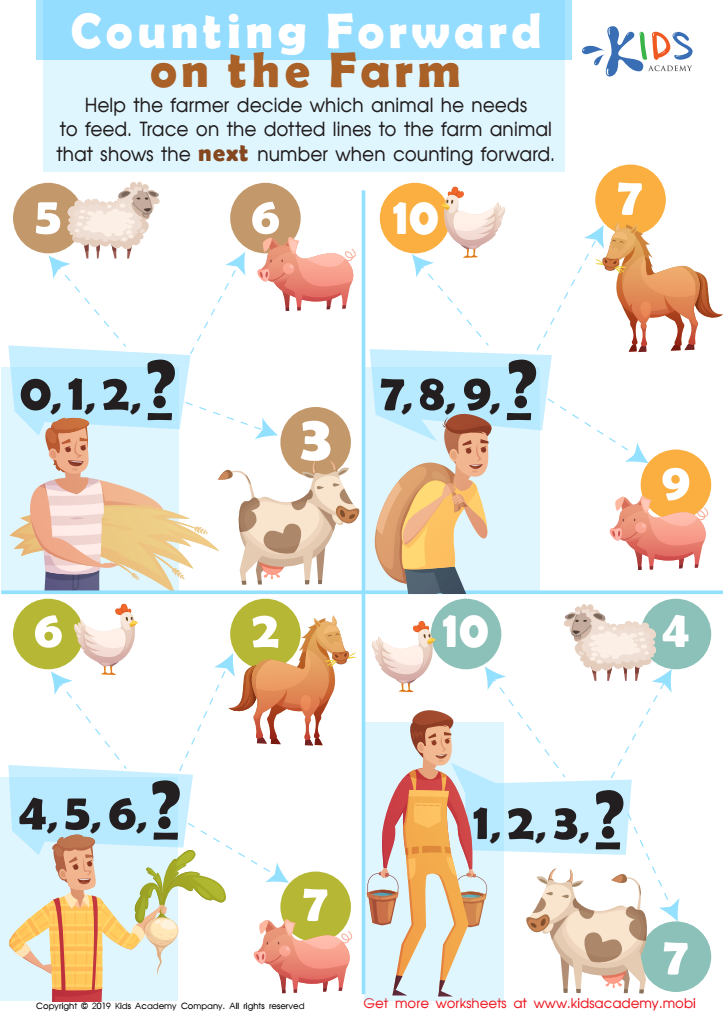
Counting Forward On the Farm Worksheet
 Assign to My Students
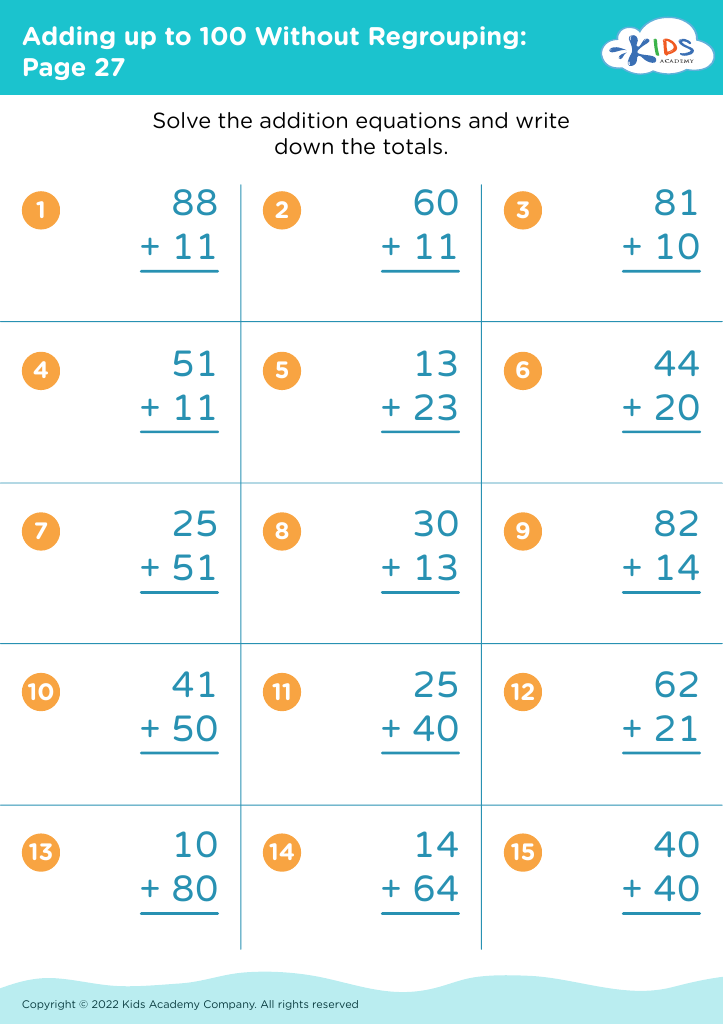
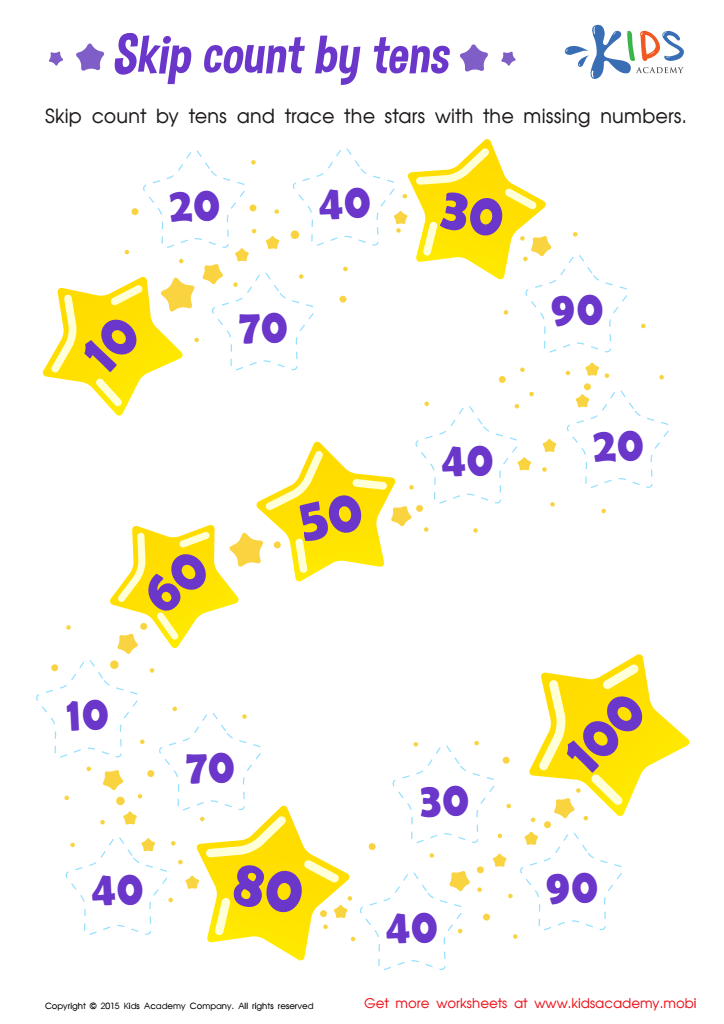
Learn dozens: Skip Count by Tens Printable
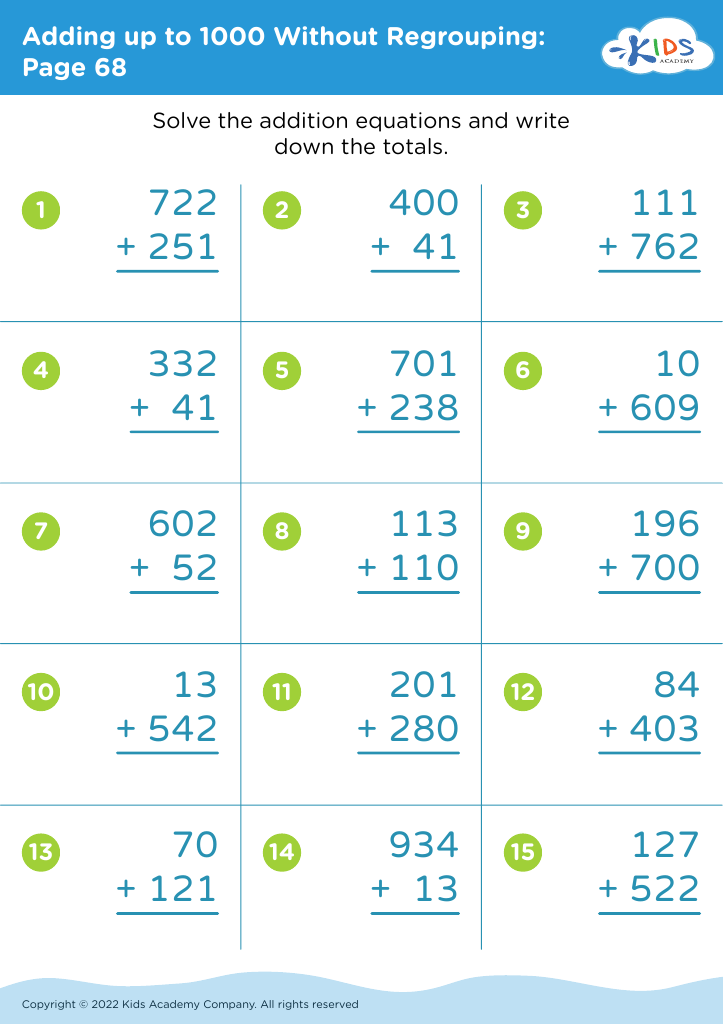
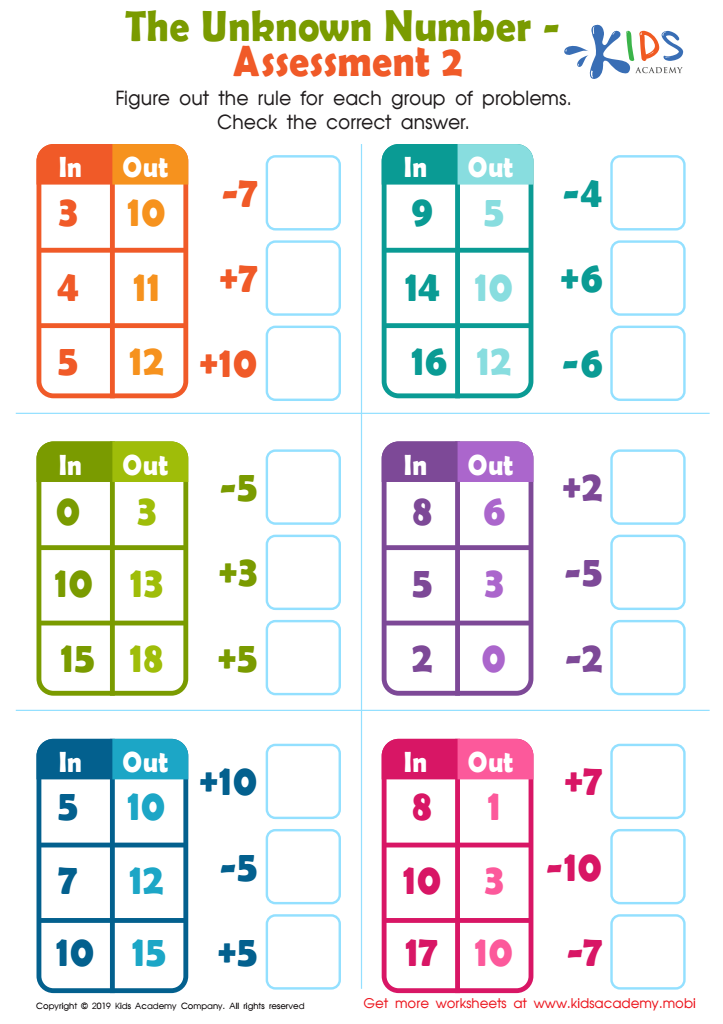
The Unknown Number - Assessment 2 Worksheet
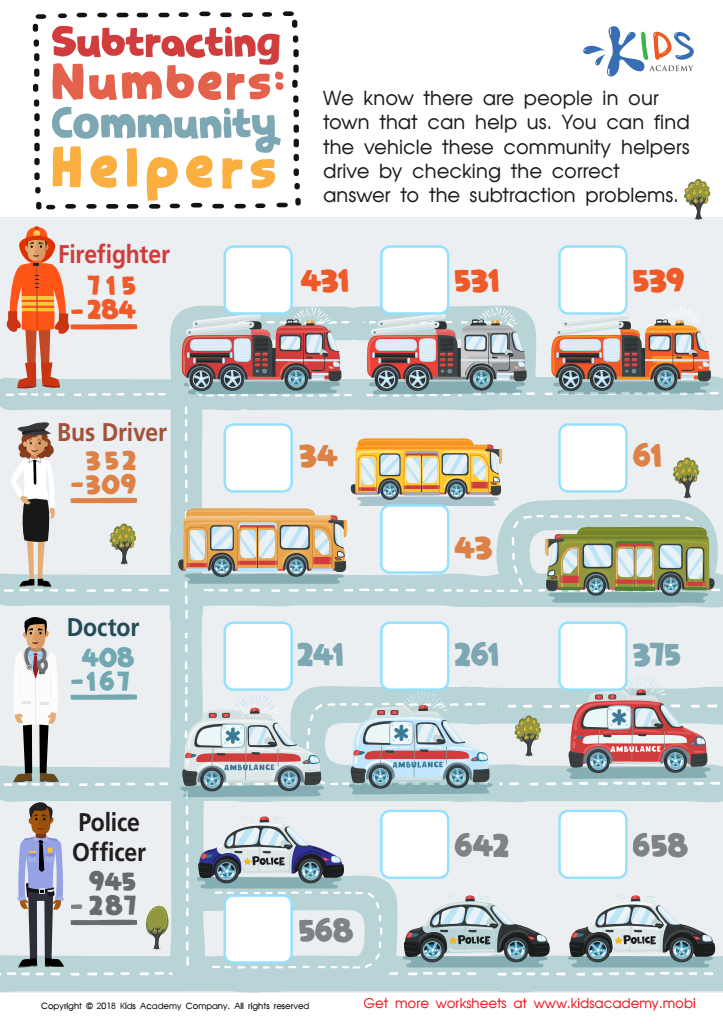
Subtracting Numbers: Community Helpers Worksheet








Understanding number sequences is crucial for young children aged 3-8, as it lays the foundation for their mathematical development. Parents and teachers should care about this because number sequences help children grasp essential concepts such as counting, ordering, and comparing quantities. Learning sequences enables children to identify patterns, which enhances their problem-solving skills and critical thinking.
As children encounter numbers in sequences, they begin to understand the relationships between numbers, fostering their ability to perform basic arithmetic operations later on. This foundational knowledge supports their transition into more complex mathematical concepts, such as addition and subtraction. Furthermore, engaging with number sequences in playful ways, like counting songs or games, can enrich children's learning experiences and make them more enthusiastic about math.
Moreover, early exposure to number sequences contributes to a child's cognitive development, promoting attention to detail and memory skills. By reinforcing these concepts, parents and teachers can set children up for success in their future academic pursuits. In an increasingly numeracy-driven world, helping young learners become comfortable with numbers ensures they possess the skills needed for everyday problem-solving and lifelong learning, empowering them as confident individuals.








