Understanding number value Math Worksheets for Ages 3-8
4 filtered results
-
From - To
Unlock your child’s potential with our "Understanding Number Value Math Worksheets" tailored for ages 3-8! These engaging printable worksheets help young learners grasp the foundational concept of number values using fun activities that illustrate counting, comparing, and recognizing numbers. Each worksheet is thoughtfully designed to develop children’s cognitive skills and numerical understanding through interactive exercises and visual aids, making learning both effective and enjoyable. Perfect for parents and educators aiming to bolster early math skills, our resources ensure your child builds a strong mathematical foundation to excel in future learning. Join now and watch your young mathematician thrive!
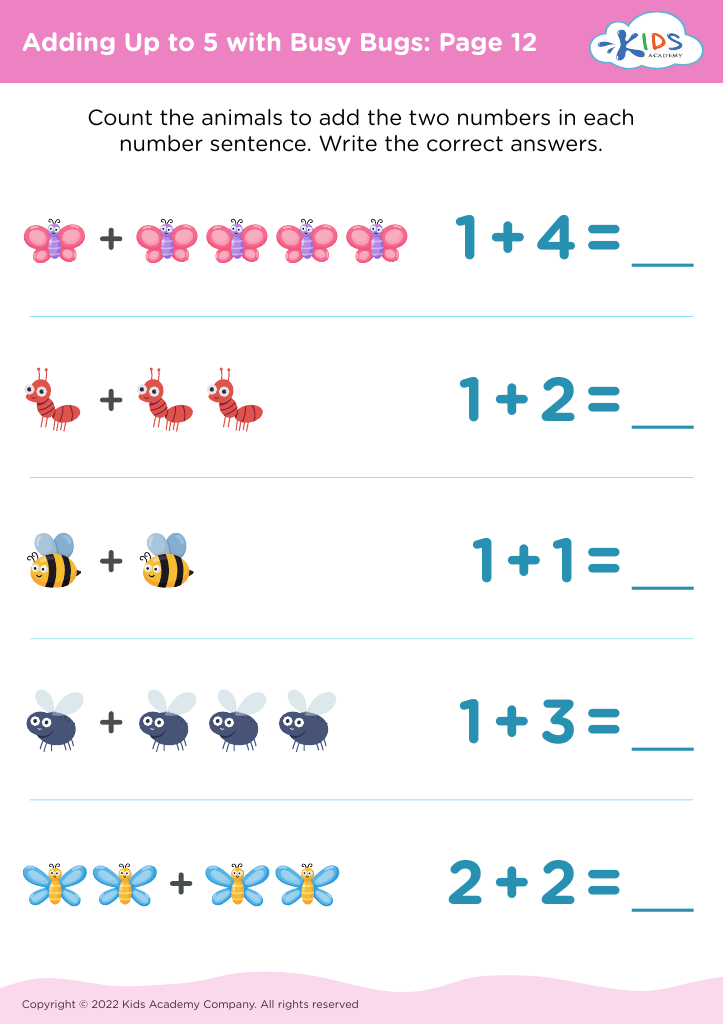
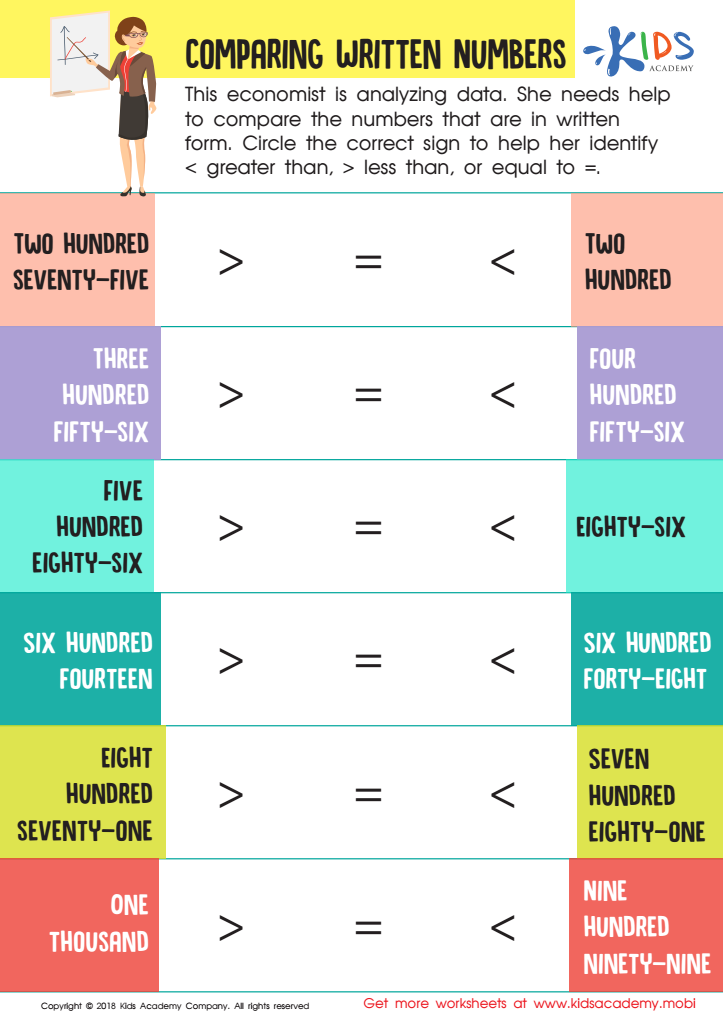
Comparing Written Numbers Worksheet
 Assign to My Students




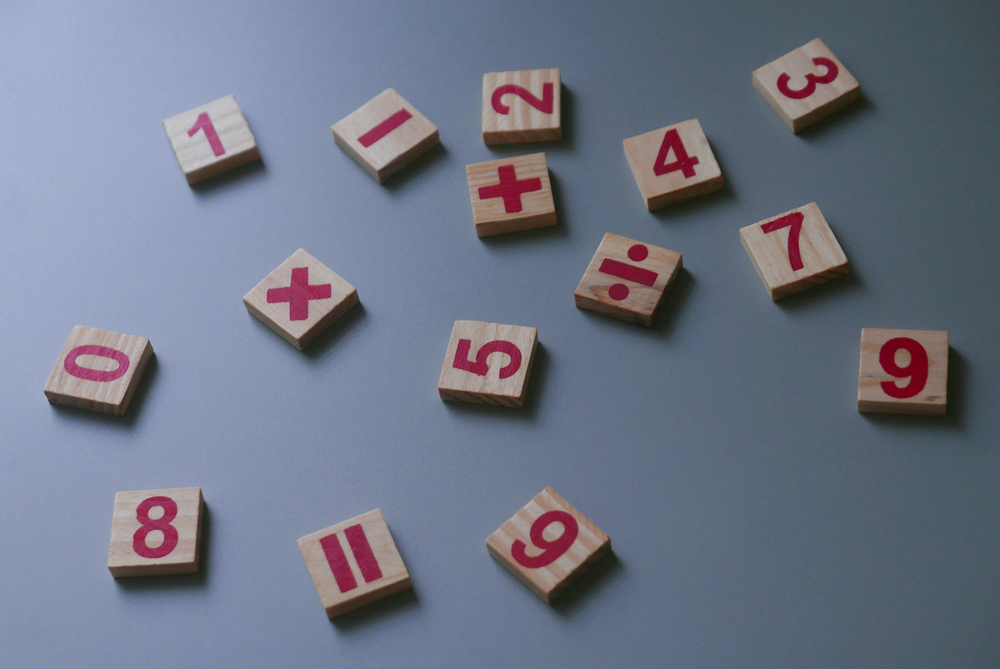



Understanding number value math for children aged 3-8 is crucial as it lays a strong foundation for their future mathematical learning and everyday activities. At these ages, children are in a prime developmental stage where they rapidly acquire and assimilate basic cognitive skills. Grasping fundamental concepts such as number value, counting, and simple arithmetic operations paves the way for more complex problem-solving abilities later on.
First, number sense helps children make sense of the world around them. Recognizing that the number “3” represents three objects fosters both logical reasoning and practical application, such as sharing toys or understanding age-appropriate time concepts.
Secondly, early math skills are strongly correlated with future academic success. Numerous studies have shown that early proficiency in math can predict higher achievement levels in mathematics and other academic subjects as children progress through school. Parents and teachers who build fun and engaging math activities into everyday routines contribute significantly to a child’s cognitive development and self-esteem. For instance, counting blocks, identifying shapes, and engaging in simple math games make learning enjoyable.
Lastly, building a solid understanding of number values enhances problem-solving skills and critical thinking. These competencies are invaluable not only in school settings but also in daily life. Thus, nurturing an early love and knowledge of math equips children with essential life skills.








