Understanding opposites Math Worksheets for Ages 3-8
4 filtered results
-
From - To
Discover our engaging "Understanding Opposites Math Worksheets" designed for children ages 3-8! These interactive worksheets help young learners grasp the concept of opposites, using fun illustrations and relatable examples. From big and small to hot and cold, kids will enjoy exploring the world of contrasting ideas while developing their math skills. Our worksheets promote critical thinking and enhance vocabulary, making learning both educational and enjoyable. Perfect for home or classroom use, these resources are ideal for early grade teachers aiming to foster foundational math skills. Explore the world of opposites today and watch your child's understanding bloom!
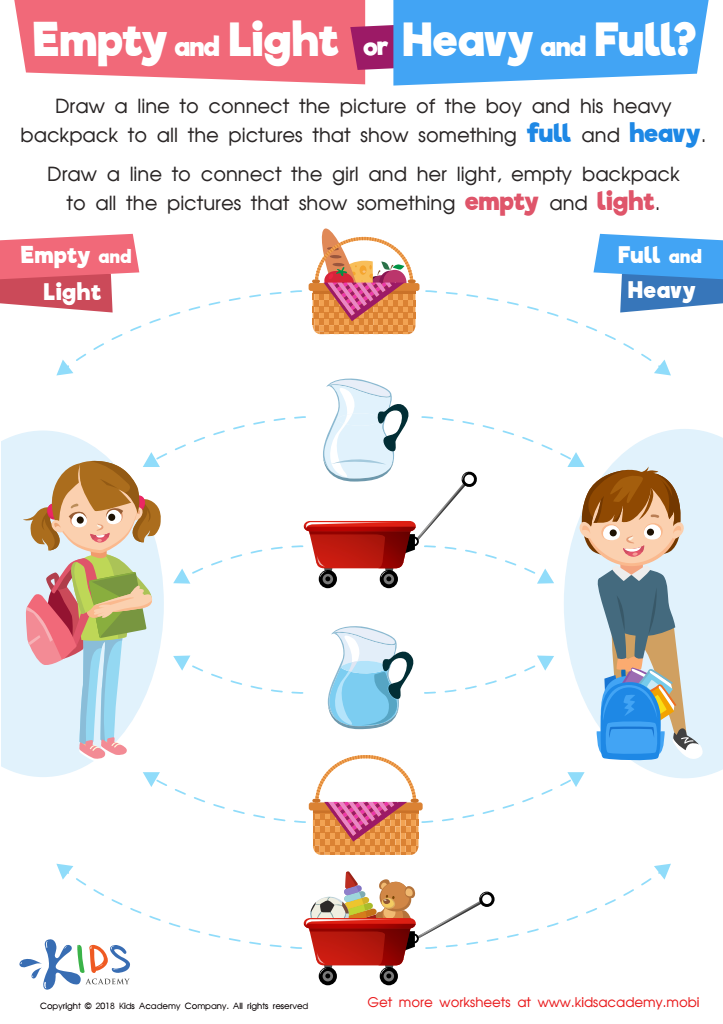
Empty and Light or Heavy and Full? Worksheet
 Assign to My Students
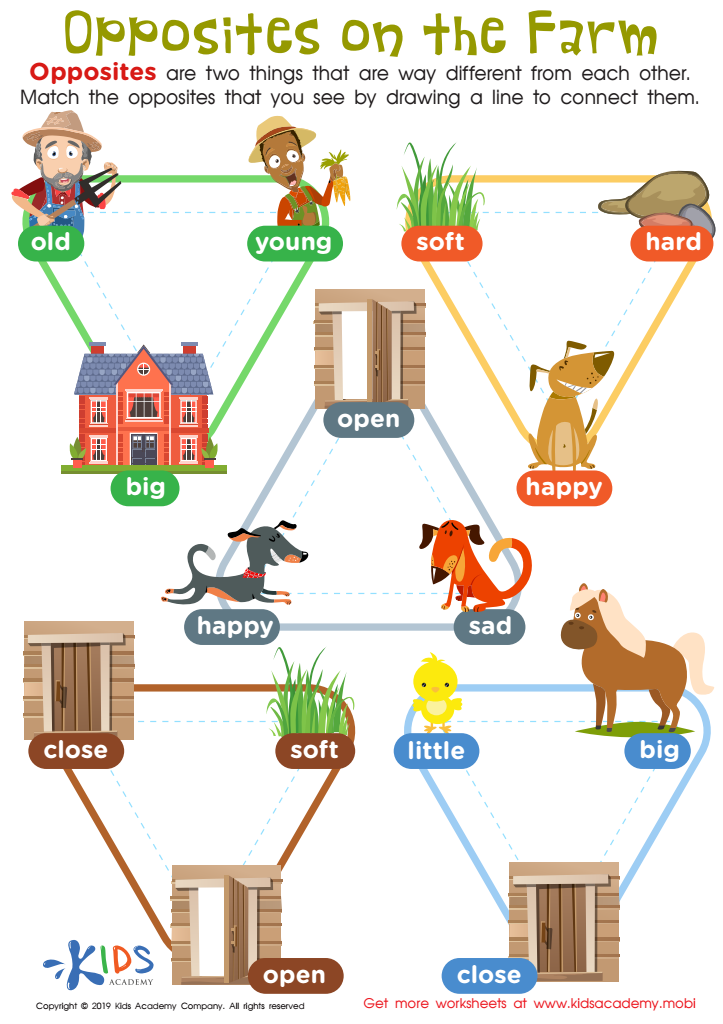
Opposites on the Farm Worksheet
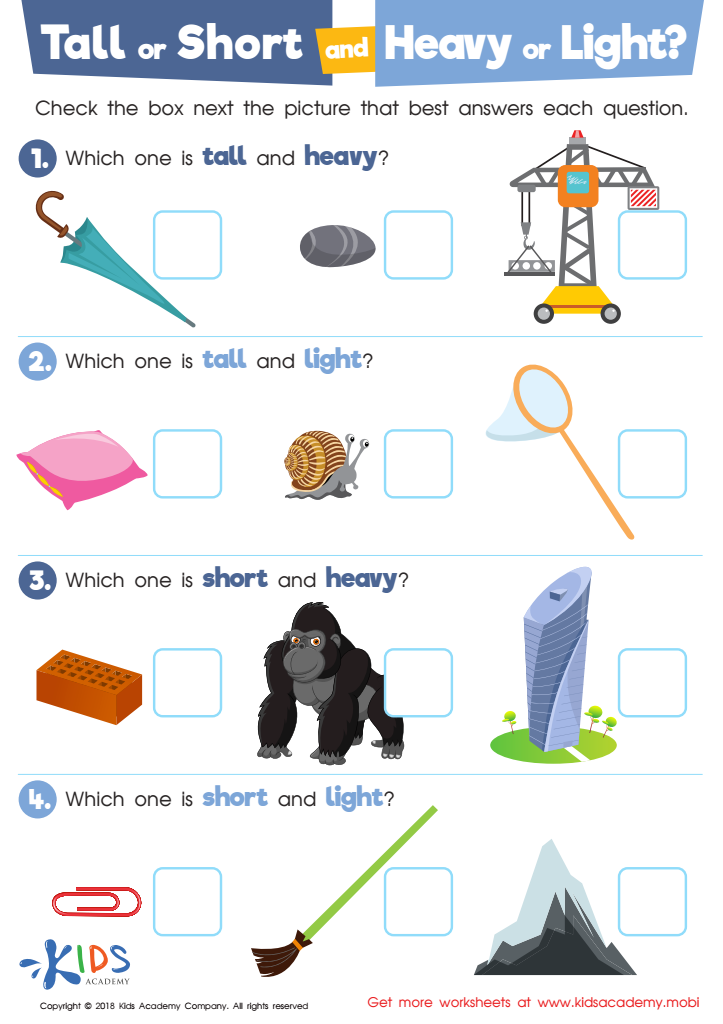
Tall or Short and Heavy or Light? Worksheet
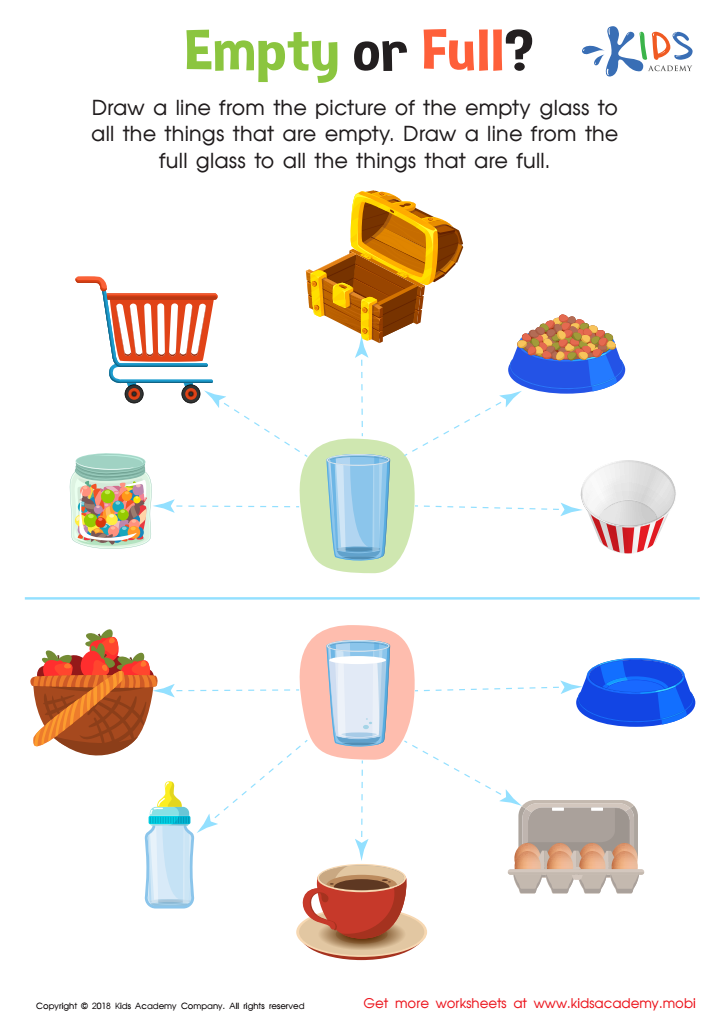
Empty or Full? Worksheet






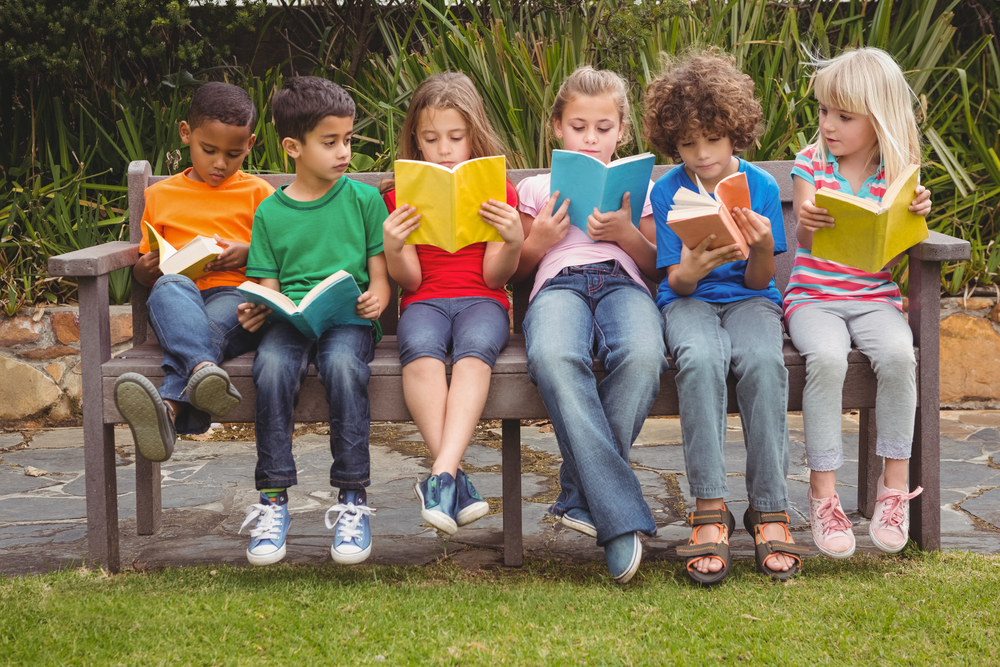

Understanding opposites is crucial for young learners aged 3-8, as it lays the foundation for key mathematical concepts and cognitive development. When children grasp opposites such as big/small, fast/slow, and above/below, they begin to recognize relationships between objects and ideas. This early exposure not only enhances their vocabulary but also improves their logical thinking skills.
At this age, children's brains are wired for exploration and connection-making. By learning opposites, they develop critical thinking skills that are essential for problem-solving later in life. Math is not just about numbers; it’s about understanding relationships, patterns, and comparisons. When children learn to quantify opposites, like understanding that two is more than one (more/less), they gain a stronger grasp of basic arithmetic operations, which subsequently supports their progression to more complex math skills.
For parents and teachers, fostering this understanding is beneficial as it aligns with developmental milestones. Teaching through play and everyday situations—like categorizing toys or discussing sizes—encourages engagement and curiosity. Moreover, it instills a sense of confidence in children as they navigate math concepts, affirming their capabilities and fostering a lifelong love of learning. Ultimately, nurturing this foundational understanding helps equip children for future academic success in mathematics and beyond.








