Understanding symmetry Math Worksheets for Ages 3-8 - Page 2
30 filtered results
-
From - To
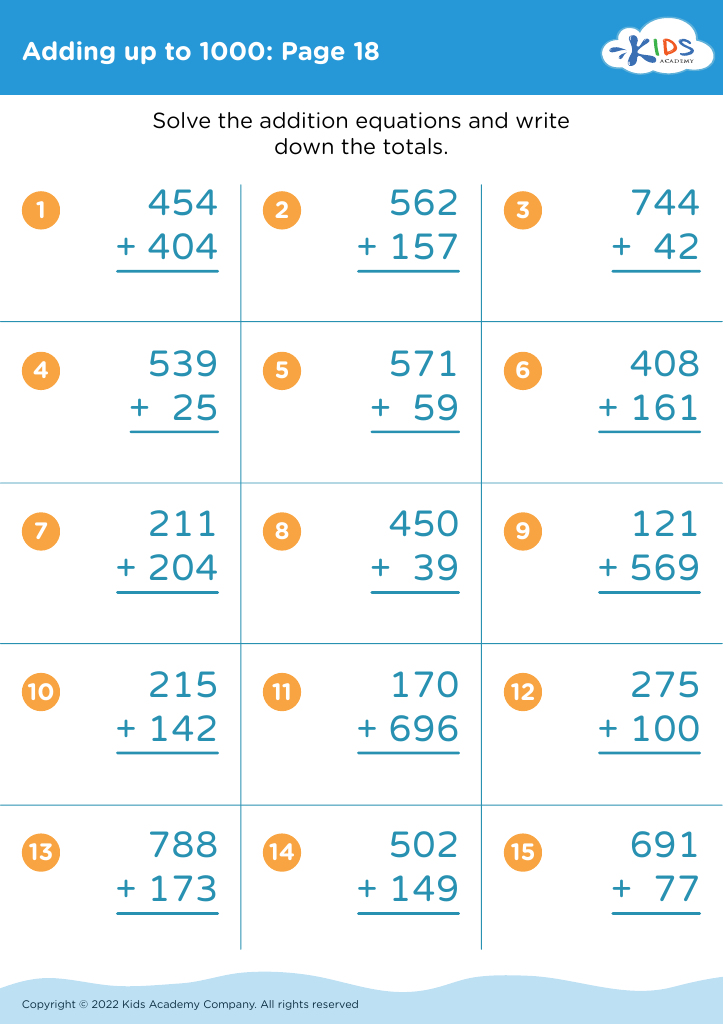
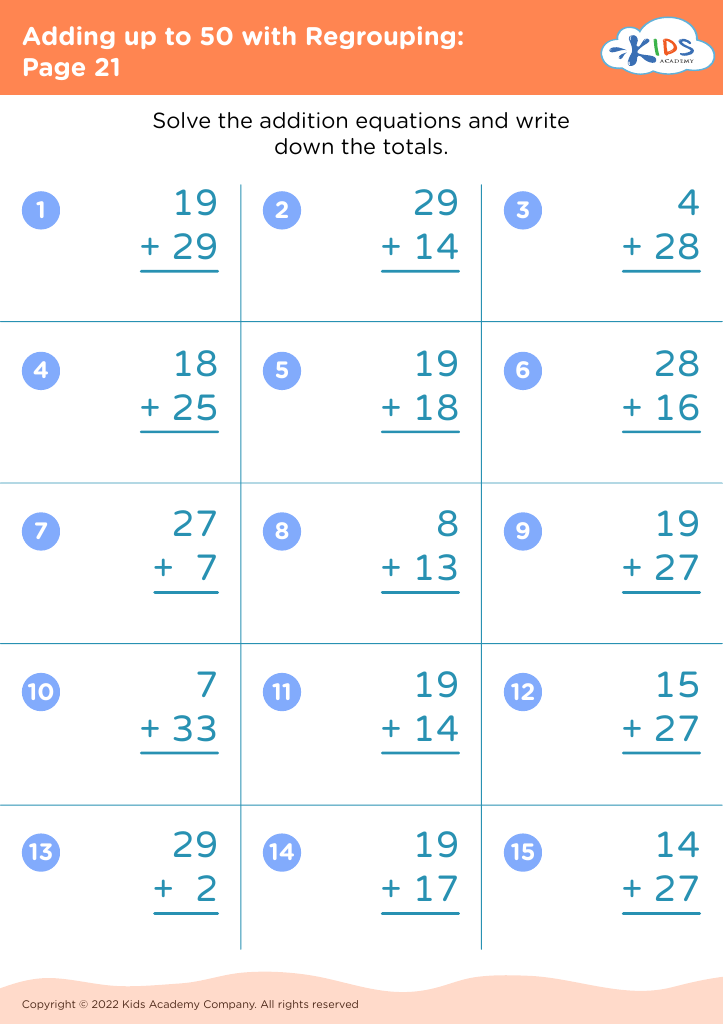
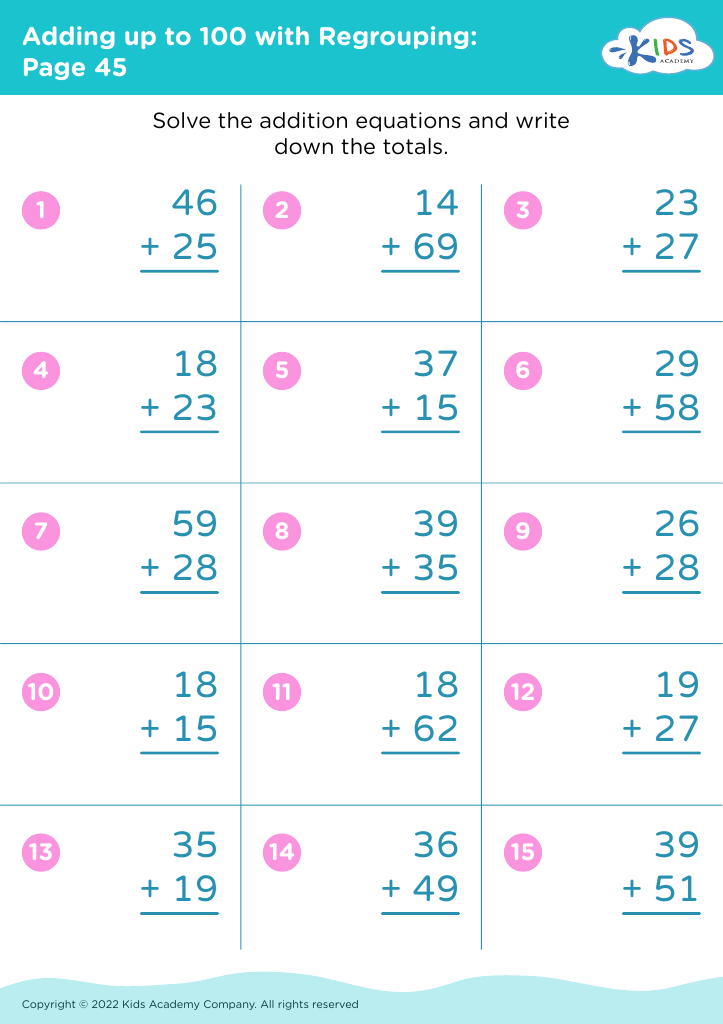
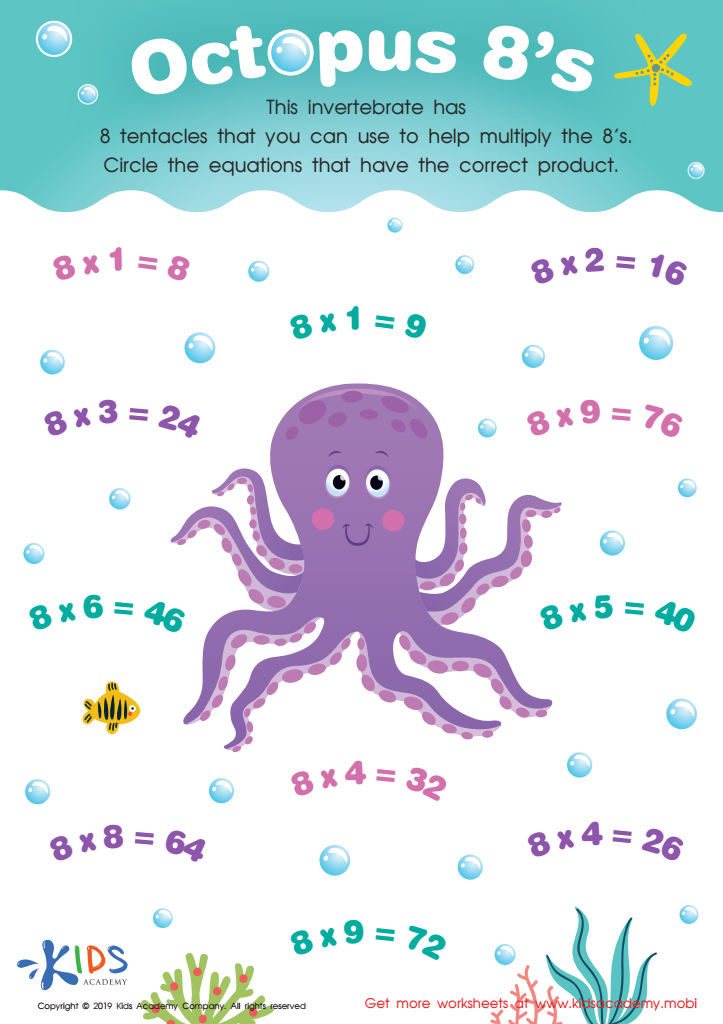
Octopus 8’s Worksheet
 Assign to My Students





Understanding symmetry is vital for young children, as it lays a foundational stone for critical math and cognitive skills. For parents and teachers, focusing on symmetry stimulates children's ability to identify patterns—a key component not only in mathematics but also in understanding the world around them. This concept fosters spatial reasoning, enhancing skills crucial for geometry later in their education.
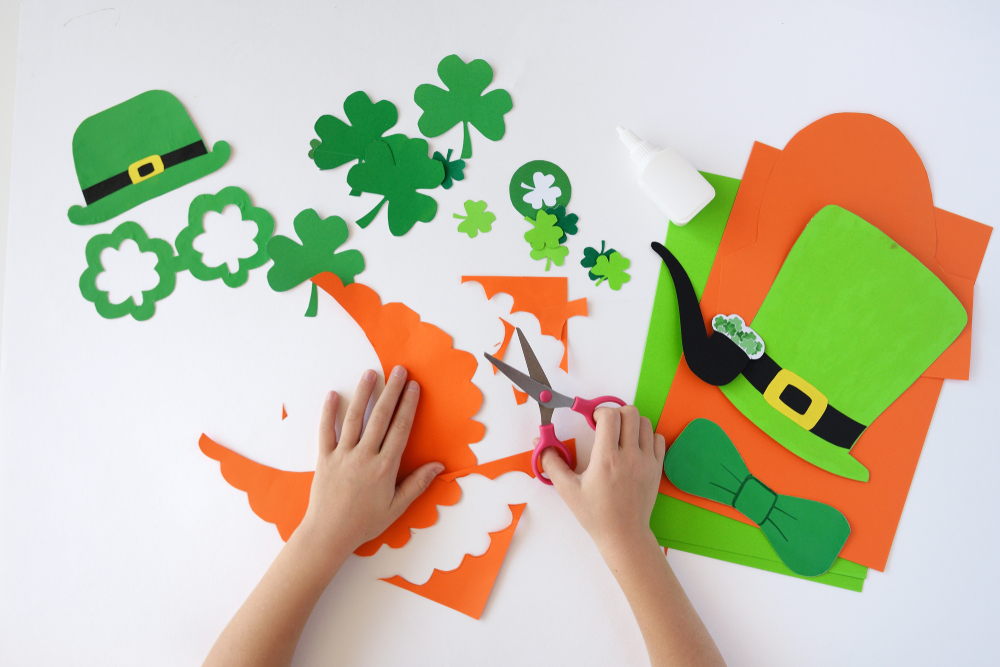
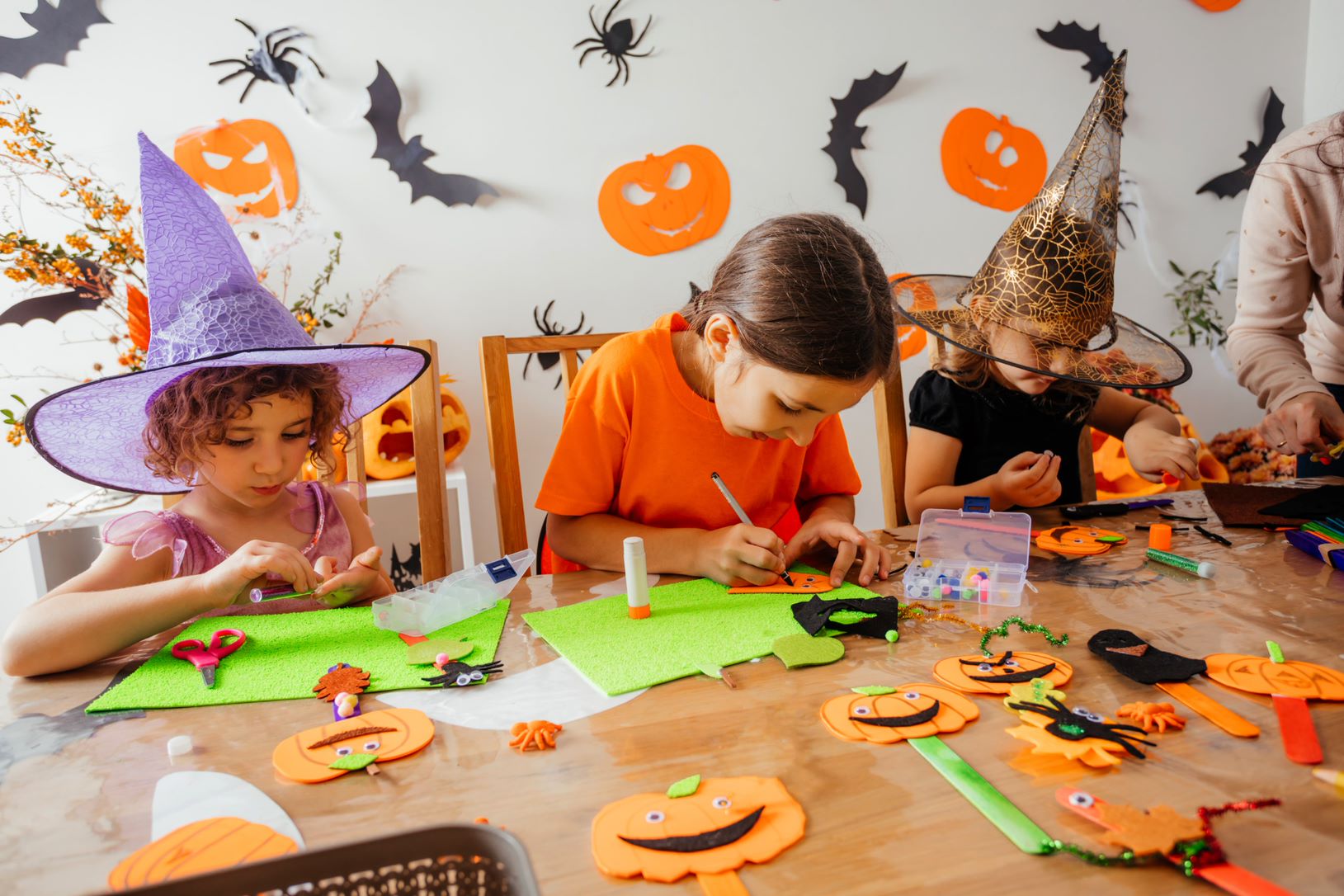
Additionally, engaging with symmetry allows children to practice observation and classification, enriching their problem-solving capabilities. It connects mathematics to art and nature, making learning more enjoyable and relevant to their everyday experiences. Activities like creating symmetrical artworks or identifying symmetrical objects in their environment can strengthen their observational skills and ignite their creativity.
Moreover, understanding symmetry builds confidence in young learners. When children can grasp such concepts, they are more likely to engage with and pursue more complex mathematical ideas without fear. This early exposure to symmetry also promotes logical thinking and cognitive development. Overall, integrating symmetry into the curriculum is vital for a well-rounded education, equipping children with essential skills and a positive attitude toward math as they grow.








