
Visual comprehension Math Worksheets for Ages 3-8
7 filtered results
Difficulty Level
Grade
Age
-
From - To
Subject
Activity
Standards
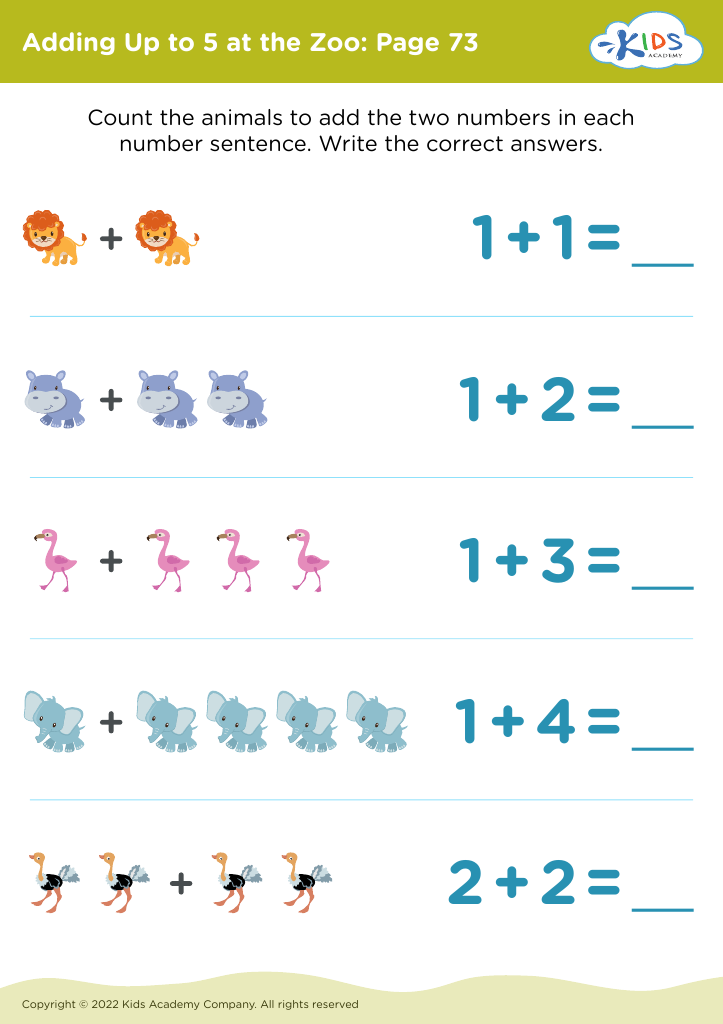
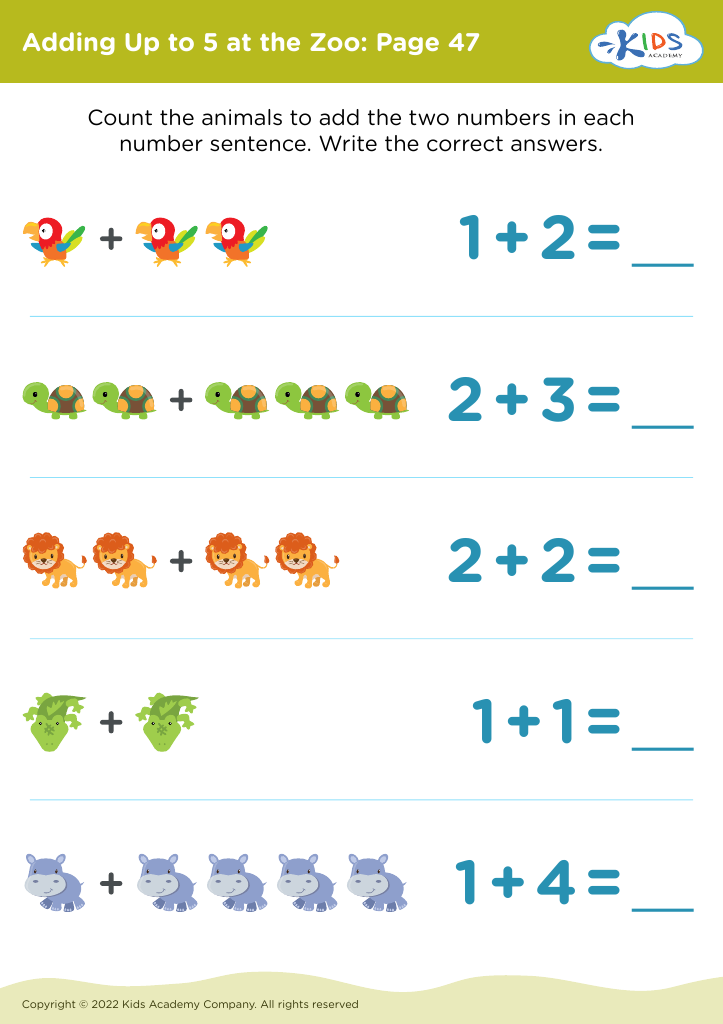
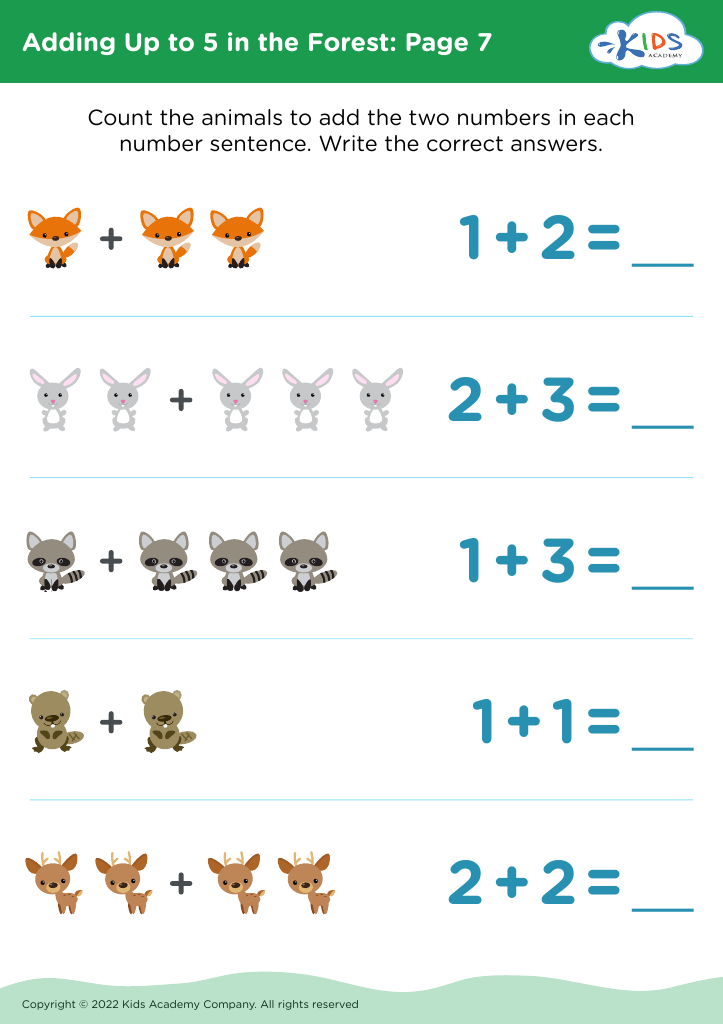
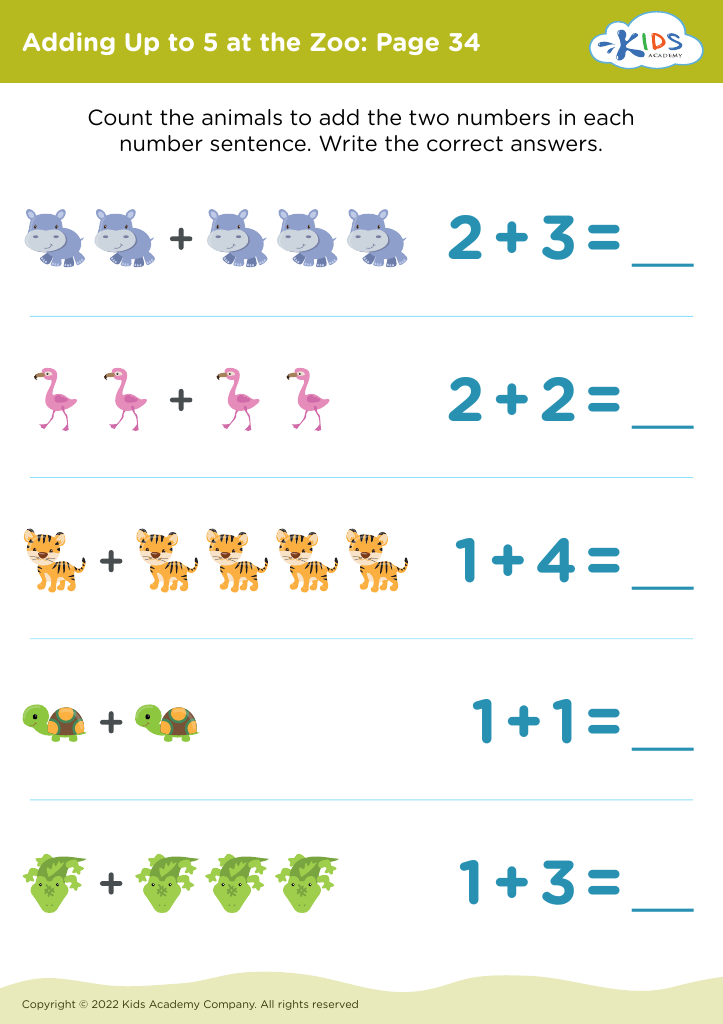
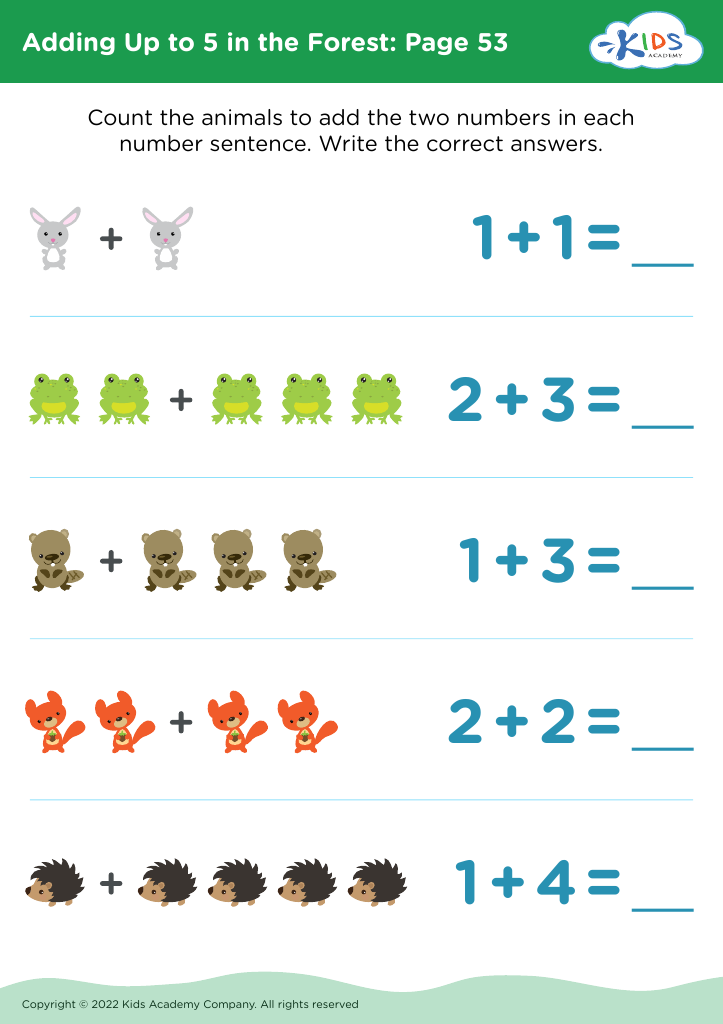
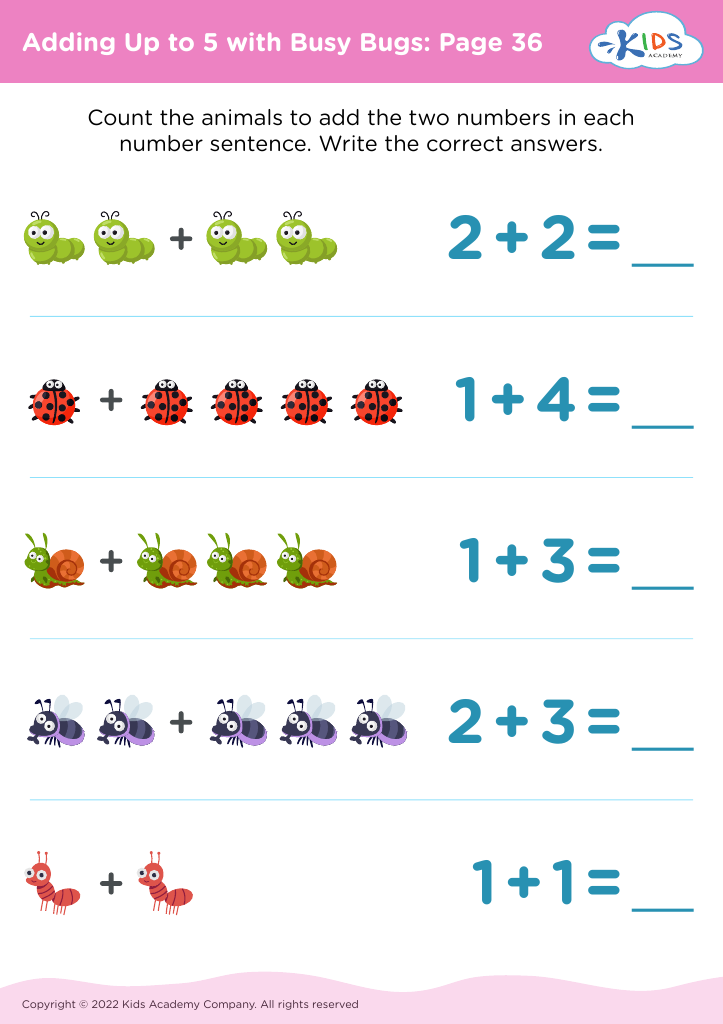
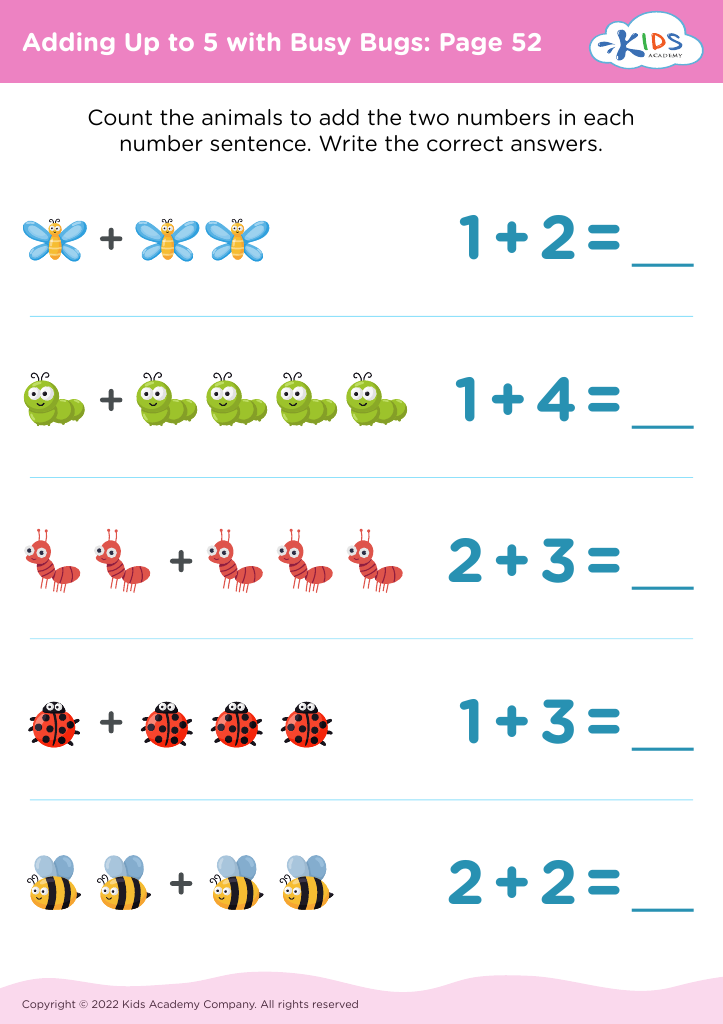
Unlock the potential of young learners with our engaging visual comprehension math worksheets designed specifically for ages 3-8! These worksheets cultivate essential skills such as pattern recognition, shape identification, and spatial awareness through fun and interactive activities. Tailored for early education, our resources enhance critical thinking and problem-solving abilities while making math enjoyable. As children explore vibrant visuals and relatable scenarios, they develop a solid foundation for future learning. Ideal for use at home or in the classroom, our visual comprehension worksheets empower kids to gain confidence in their math skills. Start your child’s math journey today with captivating, skill-building fun!
Favorites
With answer key
Interactive
Join Kids Academy for Free
Who is primarily going to use this learning content?







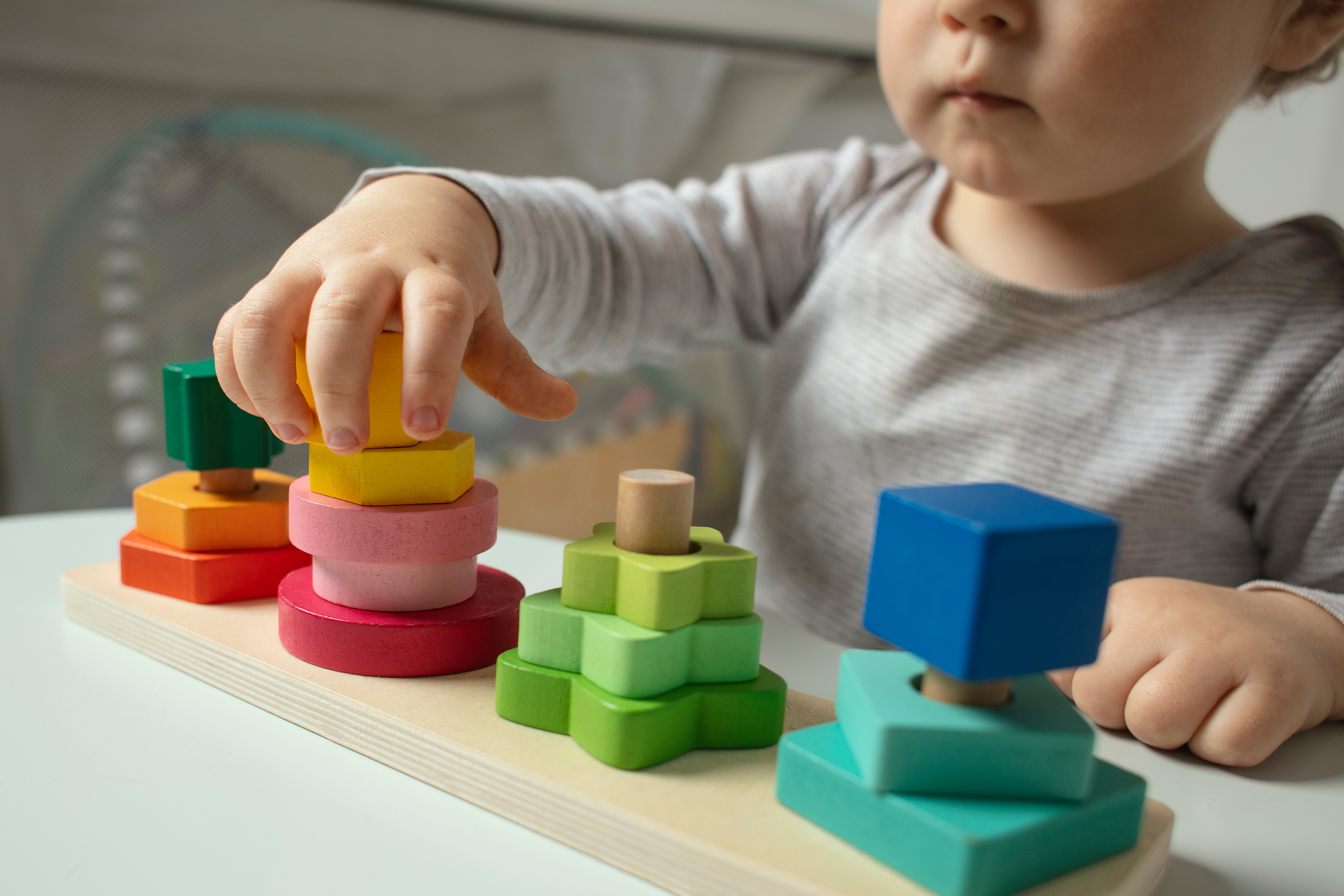
Visual comprehension in math is crucial for children aged 3-8 because it lays the foundational skills necessary for later mathematical understanding. At this young age, children learn best through visual and tangible experiences. Visual comprehension enables them to recognize patterns, shapes, and numerical relationships, which are essential concepts in early math learning.
Parents and teachers should care about this aspect of learning because it fosters critical thinking and problem-solving skills in a natural, engaging way. By incorporating visual aids such as pictures, diagrams, or manipulatives, educators can make abstract concepts more concrete and relatable. This helps children grasp essential math ideas without becoming overwhelmed.
Furthermore, visual comprehension supports cognitive development. It aids in memory retention and enhances children's ability to visualize mathematical problems, which is a skill they will need in advanced math subjects later on. Engaging visual strategies also keep learning enjoyable, thereby encouraging a positive attitude towards math from an early age.
Involving parents in this process can reinforce learning at home, creating a supportive environment where children feel comfortable exploring and asking questions. This collaborative approach ensures that children develop a strong mathematical foundation that will benefit them throughout their academic journey.








