Interpreting data Measurement Worksheets for Ages 3-8
5 filtered results
-
From - To
Explore our engaging Interpreting Data Measurement Worksheets designed specifically for children aged 3-8. These worksheets introduce young learners to fundamental concepts in data interpretation, enhancing their ability to visualize and understand measurements. Through fun and interactive exercises, kids will learn to compare, classify, and analyze information, making math enjoyable and accessible. Our resources cater to diverse learning styles, ensuring every child can grasp essential skills. Perfect for classrooms or at-home learning, these worksheets foster critical thinking and build a solid foundation in data literacy. Inspire your child's early math journey with our thoughtfully created materials!
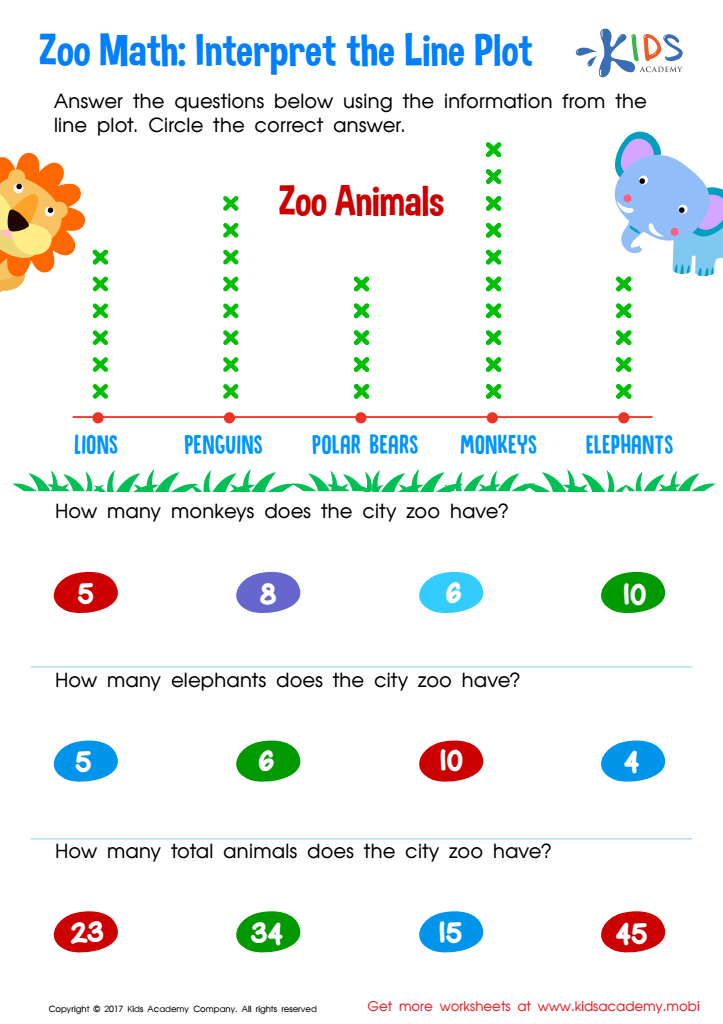
Interpret Line Plot Worksheet
 Assign to My Students
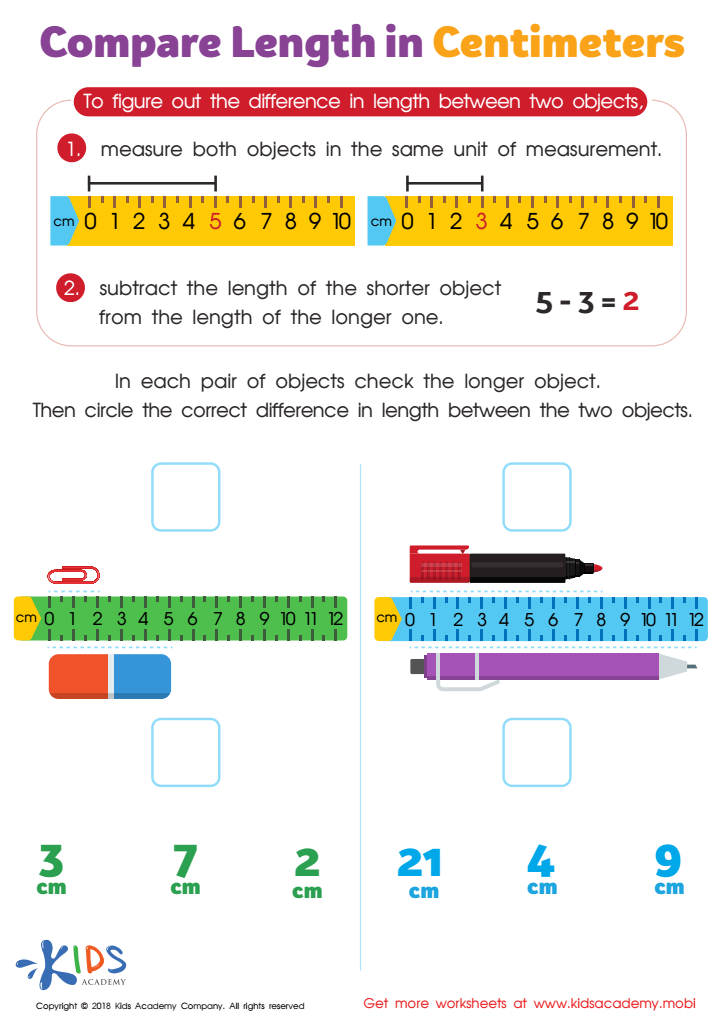
Compare Length in Centimeters Worksheet
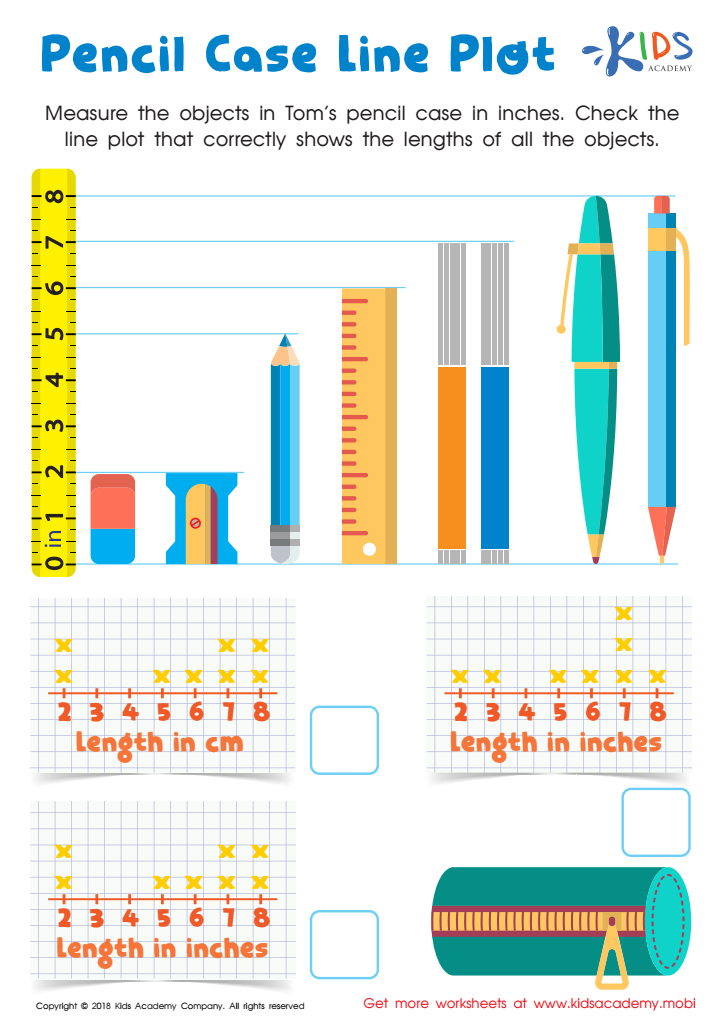
Pencil Case Line Plot Worksheet
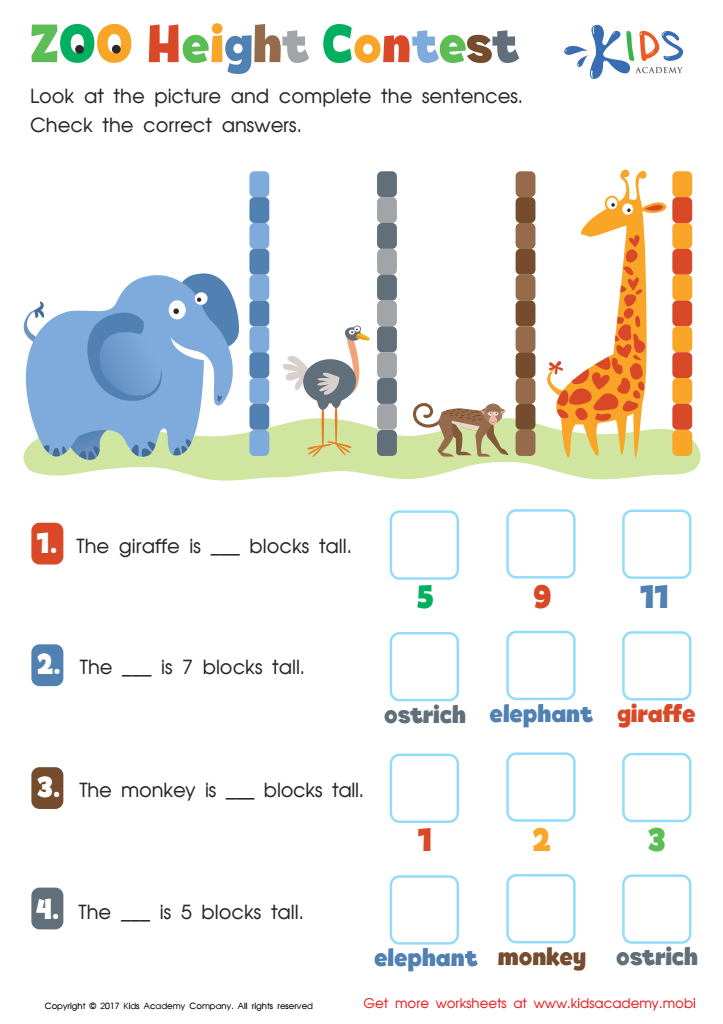
Zoo Height Contest Worksheet
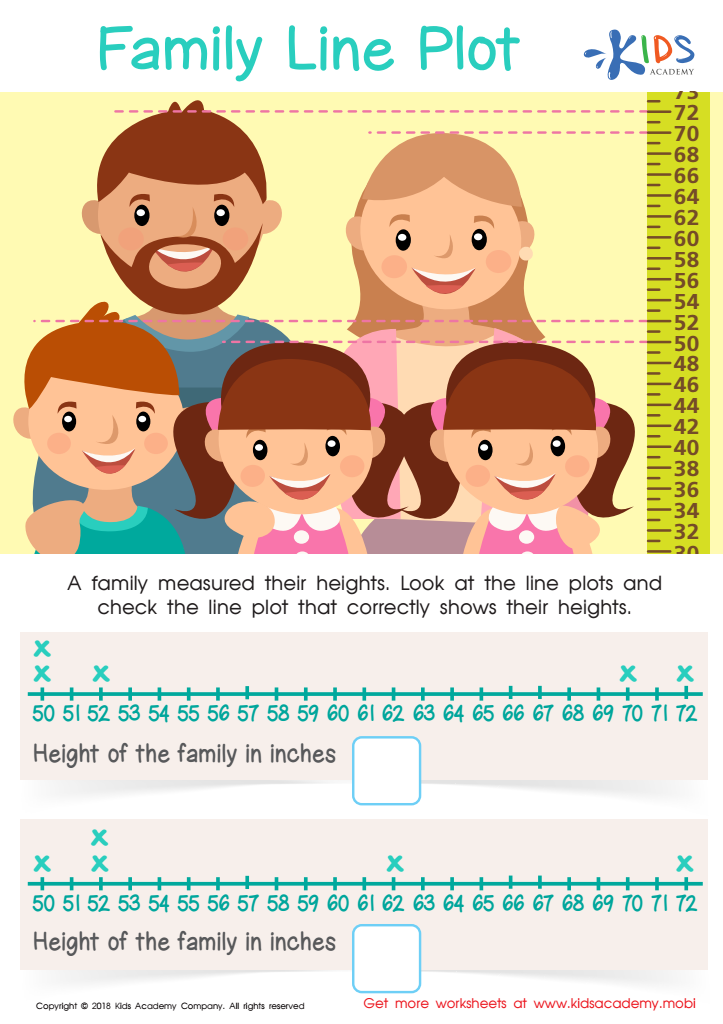
Family Line Plot Worksheet








Interpreting data measurement for children aged 3-8 is crucial for both parents and teachers, as it provides insights into a child's developmental progress, learning needs, and potential areas for intervention. Early childhood is a formative stage where foundational skills in literacy, numeracy, and social-emotional development are established. By understanding measurement data, educators can pinpoint specific strengths and weaknesses, enabling targeted support that fosters growth.
For parents, this data interpretation guides informed conversations about their child’s learning journey. It empowers them to actively participate in their child’s education, reinforcing skills at home and collaborating with teachers to ensure appropriate challenges are provided.
Furthermore, interpreting measurement data helps in creating a more personalized learning environment. Teachers can design tailored activities that support differentiated instruction, accommodating diverse learning styles and paces within the classroom.
In summary, both parents and teachers play a pivotal role in ensuring a child’s sustainable growth. By caring about data interpretation, they can foster a supportive foundation that enhances learning outcomes, promotes positive behaviors, and prepares children for future academic challenges, ultimately contributing to their overall success and well-being.








