Logical thinking development Measurement Worksheets for Ages 3-8
3 filtered results
-
From - To
Enhance your child’s logical thinking skills with our engaging Measurement Worksheets, designed specifically for ages 3-8. These worksheets provide a fun, interactive way for young learners to understand and apply measurement concepts through various activities. Tailored to support early childhood development, our resources focus on critical thinking, problem-solving, and understanding spatial relationships. Through hands-on practice, children explore selecting the appropriate measurement tools, comparing different measurements, and drawing conclusions based on their findings. Encourage a solid foundation in logical reasoning while boosting your child's confidence in math. Download our worksheets today and watch your child's logical thinking skills flourish!
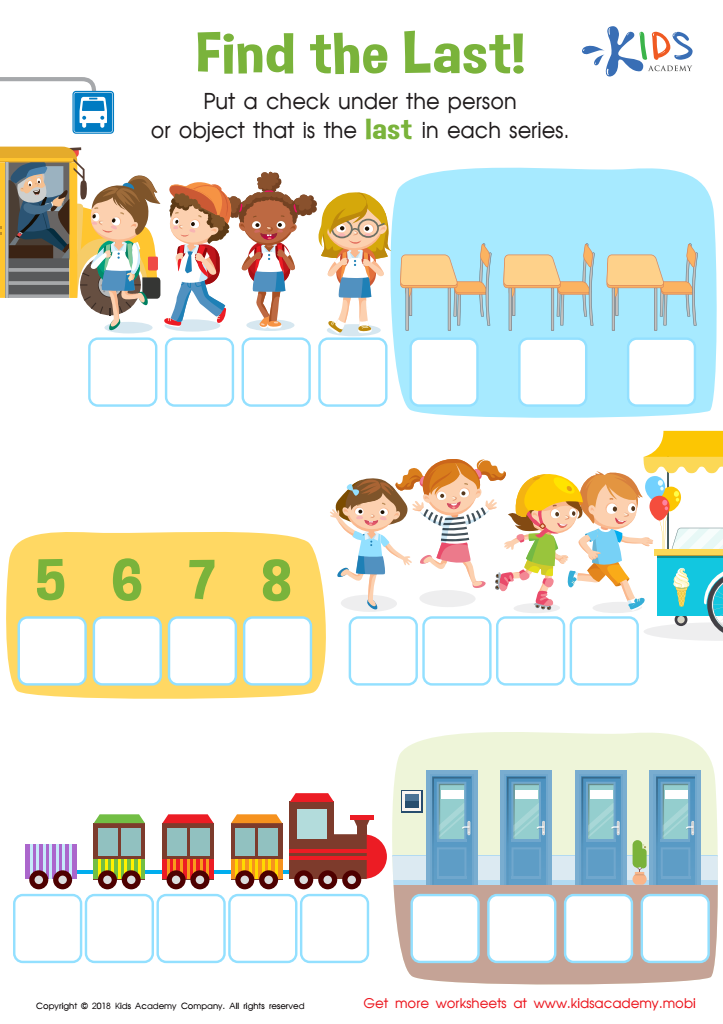
Find the Last! Worksheet
 Assign to My Students
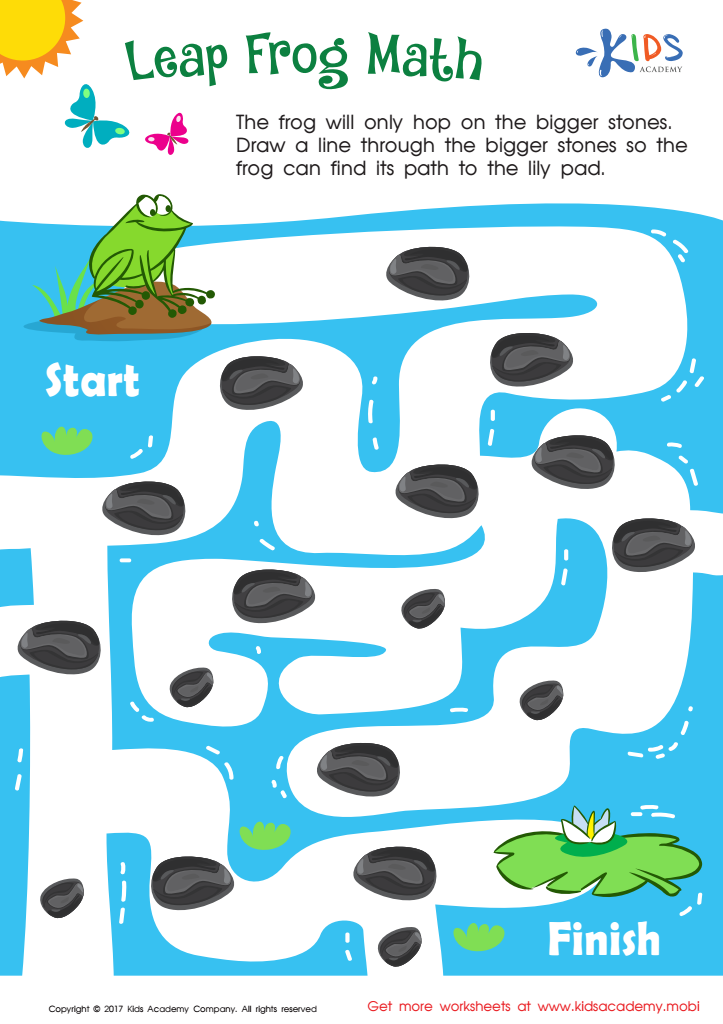
Math Puzzle Worksheet
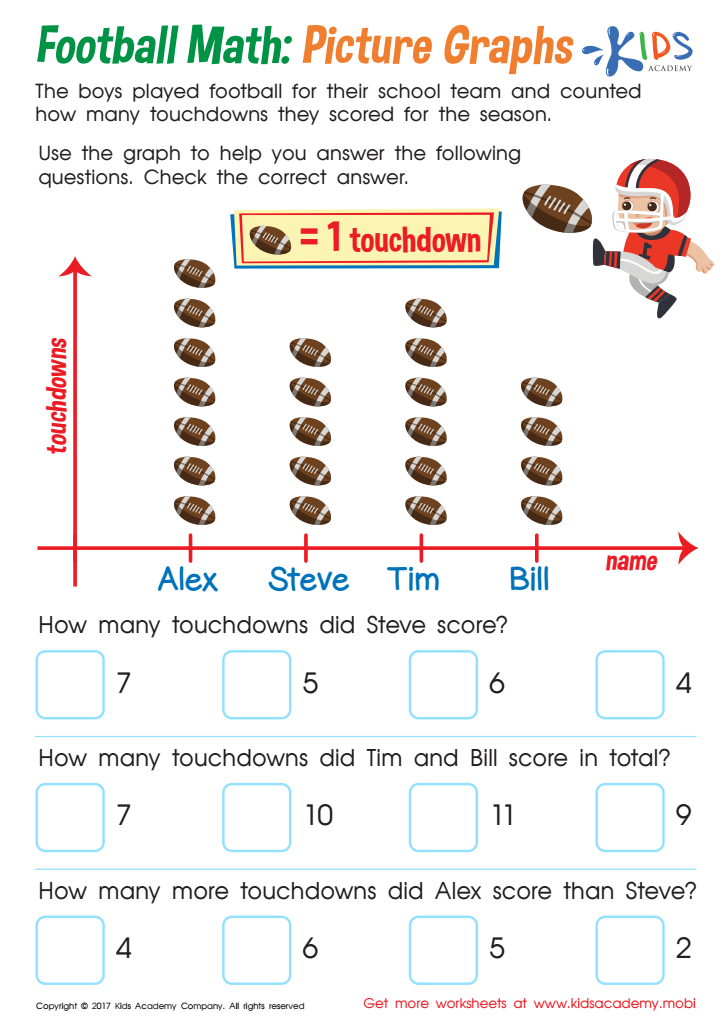
Football Math Worksheet








Logical thinking development is crucial for children ages 3-8, as it lays the foundation for problem-solving skills, critical thinking, and decision-making. During these formative years, children's brains are rapidly developing, making it an ideal time for parents and teachers to encourage cognitive growth. Logical thinking helps children recognize patterns, understand cause-and-effect relationships, and make connections between ideas.
By measuring and nurturing this development, educators can identify strengths and areas for improvement, allowing for tailored learning experiences that target individual needs. Early experiences with logic-based tasks, such as puzzles, games, and storytelling, foster curiosity and creativity, helping children engage with the world around them.
Moreover, strong logical reasoning skills are essential as children progress through school, influencing their ability to tackle math, science, and even literacy tasks. For parents, being involved in logical thinking development means they can provide support at home through age-appropriate activities, ensuring their children thrive academically and socially.
In summary, prioritizing logical thinking measurement and development during ages 3-8 equips children with essential life skills, enhances their academic journey, and prepares them for a complex world where logical reasoning is increasingly vital.








