Number Sequencing Numbers 0–10 Worksheets for Ages 3-8
4 filtered results
-
From - To
Discover our engaging Number Sequencing Numbers 0–10 Worksheets, perfect for children ages 3-8! These fun, educational resources are designed to help young learners develop essential math skills through the interactive practice of number sequencing. Each worksheet challenges kids to order numbers correctly, enhancing their understanding of numerical order and boosting their confidence. Ideal for both classroom and at-home learning, our worksheets offer a variety of activities that cater to different learning styles. Watch as your child joyfully navigates the journey of mastering number sequences while laying a solid foundation for future math success!
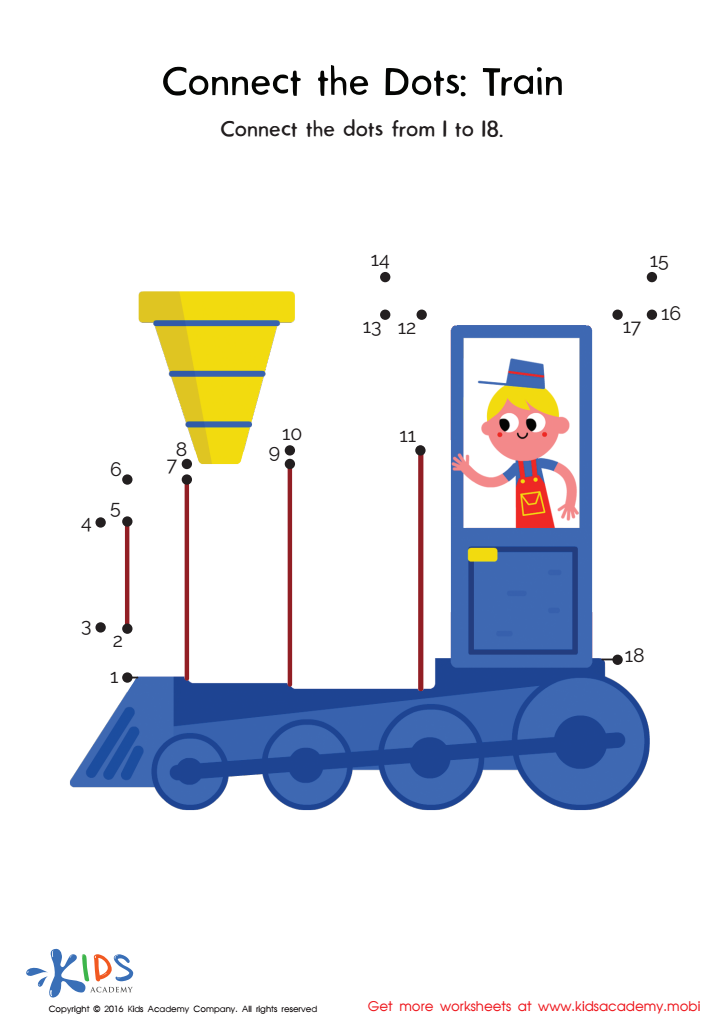
 Assign to My Students
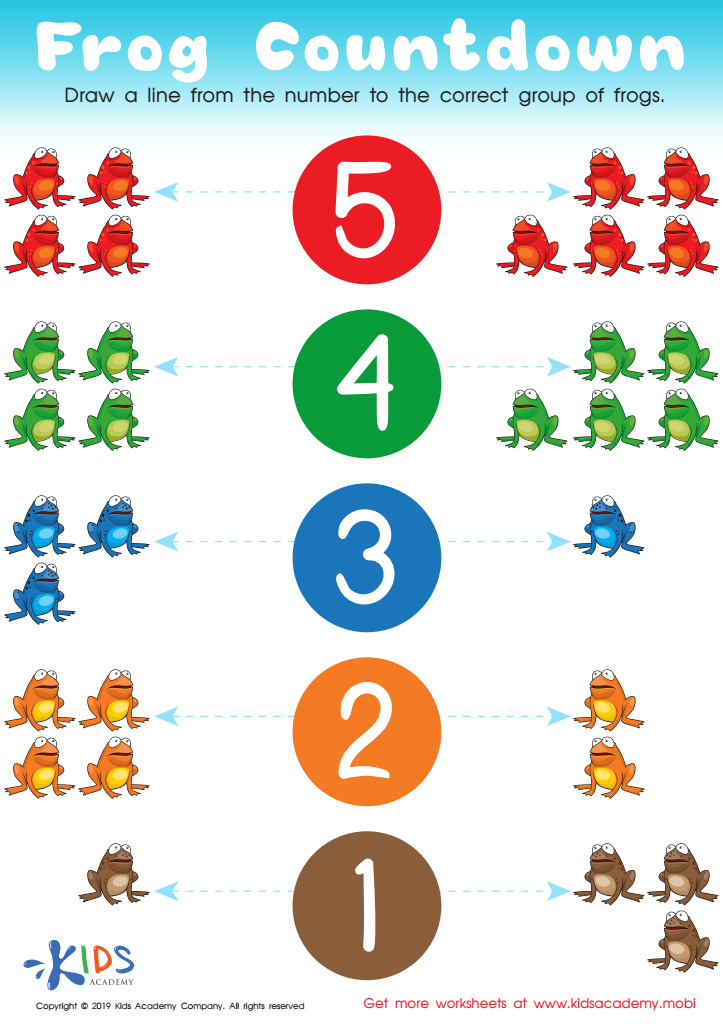
Frog Countdown Worksheet
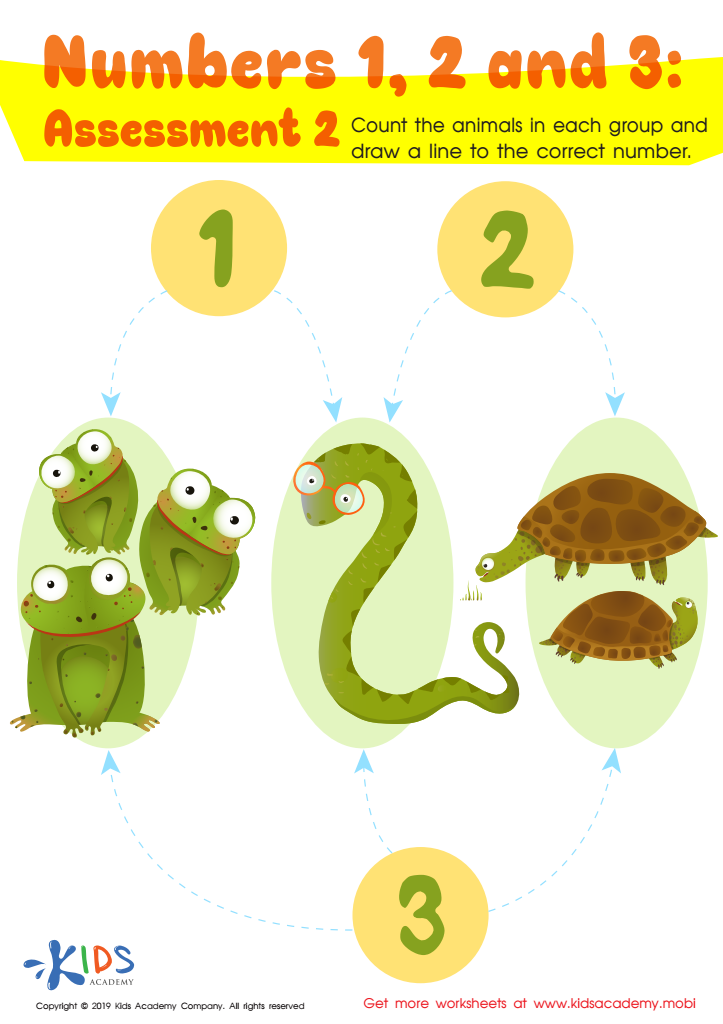
Numbers 1, 2 and 3: Assessment 2 Worksheet
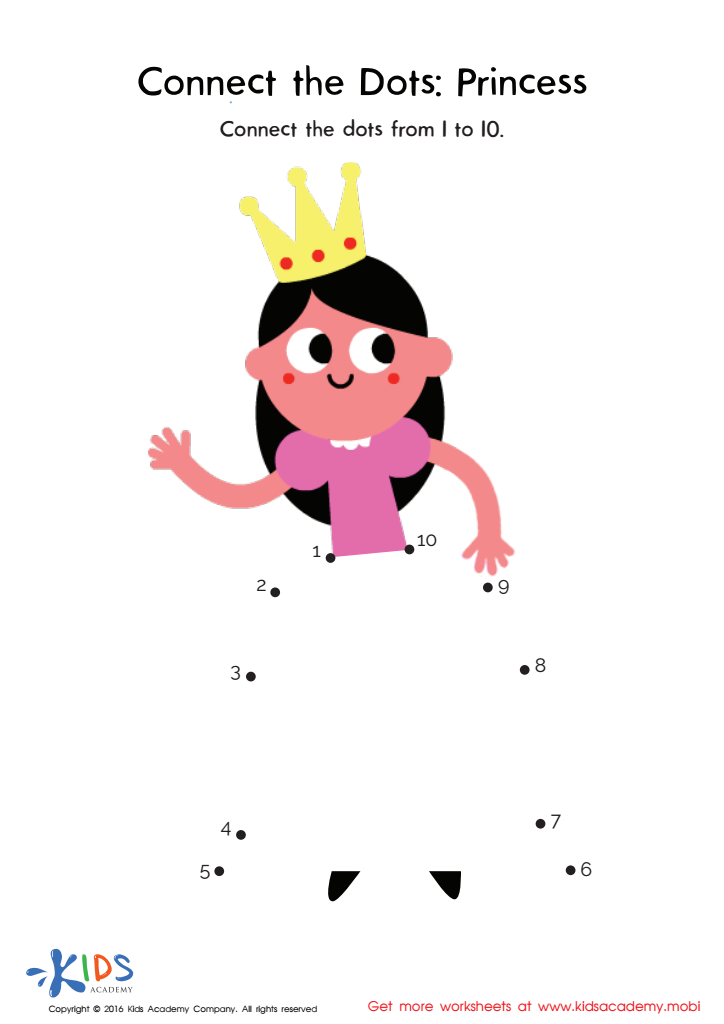
Princess Connect Dots Worksheet








Number sequencing from 0 to 10 is a foundational skill that serves as a building block for a child's math education. Understanding number sequences helps children grasp the concept of numerical order, which is critical for more advanced arithmetic, such as addition and subtraction. For young learners from ages 3-8, engaging with number sequences enhances their ability to recognize patterns, improves memory, and strengthens cognitive development.
This skill is important not just for academic success, but also for everyday life. Activities like counting steps, distributing snacks, or setting the table involve number sequencing. By incorporating these early math skills into daily routines, parents and teachers provide practical contexts that make learning relevant and enjoyable.
Moreover, early mastery of number sequencing prepares children for future learning milestones. In school, they will encounter more complex math operations and concepts, and a solid understanding of basic number sequences will make those new ideas more accessible. Interactive games, hands-on activities, and consistent practice can make number sequencing both fun and educational, laying a strong mathematical foundation during these formative years.
In summary, fostering number sequencing skills from 0 to 10 allows young children to develop mathematical reasoning, essential life skills, and the confidence needed for future learning challenges. Parents and teachers play crucial roles in nurturing and guiding this early arithmetic understanding.








