Following instructions Building Vocabulary Coloring Pages Worksheets for Ages 3-8
4 filtered results
-
From - To
Enhance your child's learning experience with our "Following Instructions Building Vocabulary Coloring Pages Worksheets" designed for ages 3-8. These interactive worksheets integrate fun coloring activities with essential vocabulary building skills, promoting cognitive development and reading comprehension. Each worksheet encourages young learners to follow directions, fostering critical thinking and attention to detail. By combining creativity with educational objectives, children will love engaging with these colorful exercises. Perfect for parents and educators looking to reinforce language skills in a playful manner. Download our age-appropriate worksheets today and inspire a love for learning while enhancing vocabulary and instruction-following capabilities!
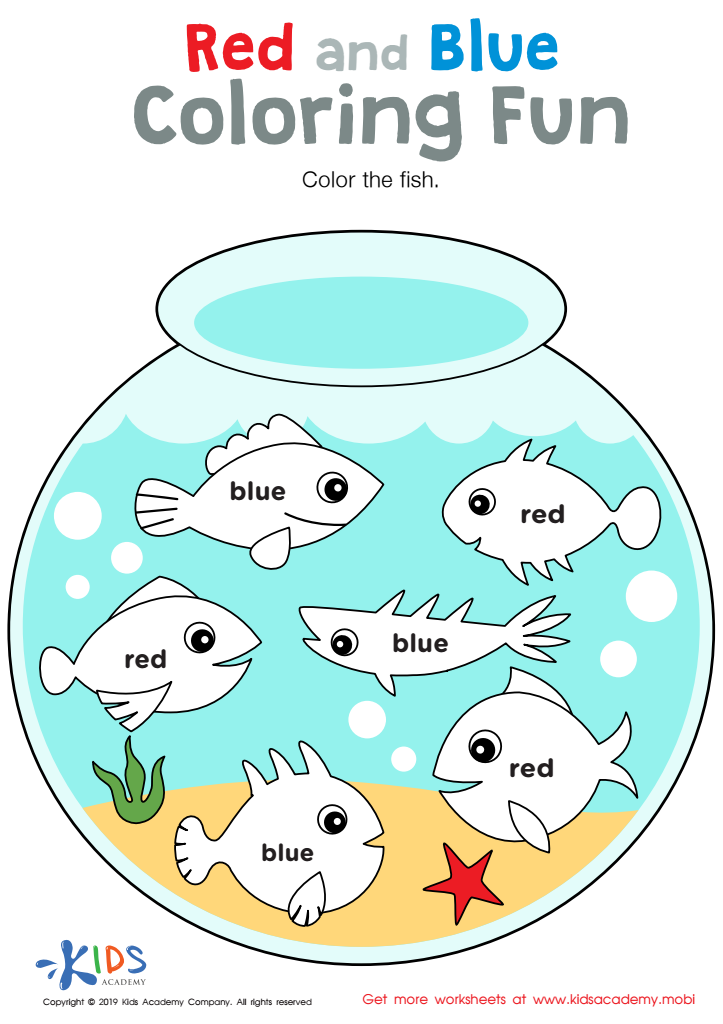
Red and Blue Coloring Fun Worksheet
 Assign to My Students
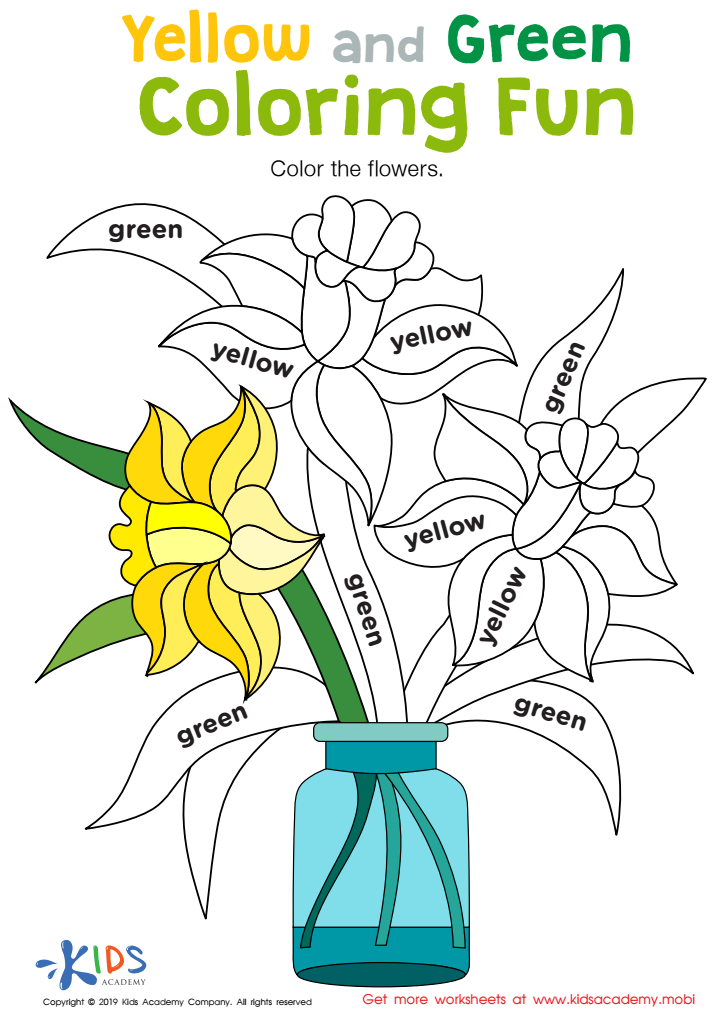
Yellow and Green Coloring Fun Worksheet
Assign to My Students
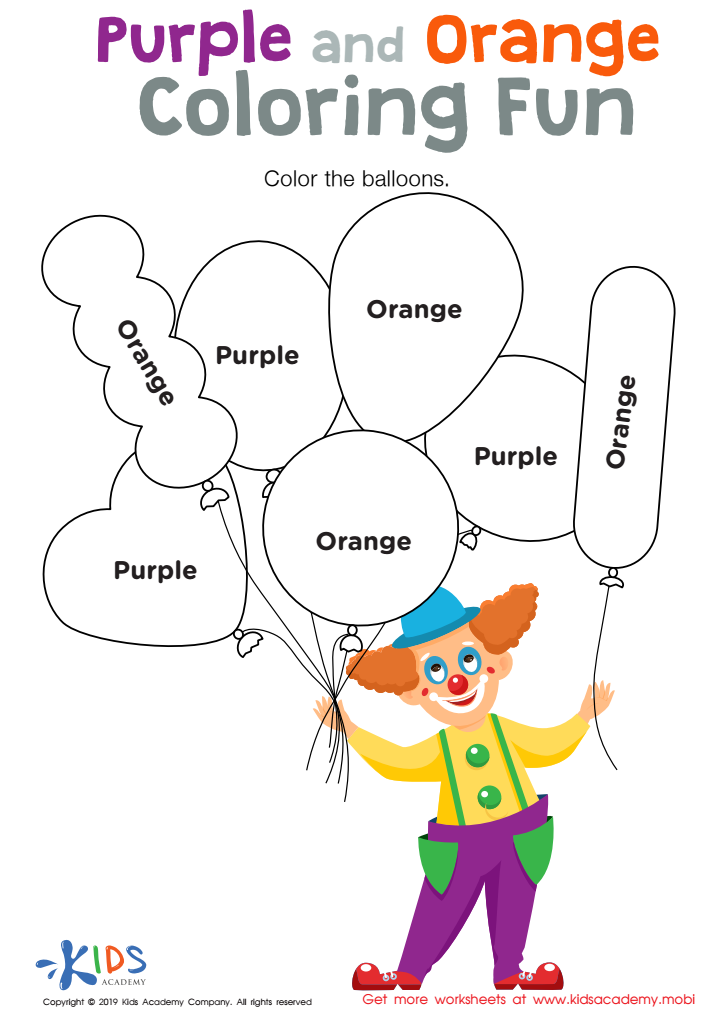
Purple and Orange Coloring Fun Worksheet
Assign to My Students

White and Pink Coloring Fun Worksheet
Assign to My Students



Parents and teachers should care about following instructions, building vocabulary, and utilizing coloring pages for ages 3-8 because these elements play a crucial role in early childhood development.
Following instructions helps children develop essential cognitive skills, promoting critical thinking, focus, and self-discipline. When children learn to comprehend and execute directions, they build a foundation for more complex tasks in later education stages.
Building vocabulary is integral to linguistic development, as it enhances reading comprehension and communication skills. As children expand their vocabulary, they gain the ability to express thoughts and feelings more clearly, fostering social interaction and confidence.
Coloring pages serve as a practical tool for combining creativity with learning. They engage children in a fun, informal setting while reinforcing colors, shapes, and fine motor skills that are essential for writing. When asking children to color within lines or follow specific patterns, they practice attention to detail and patience.
Incorporating these activities not only supports key areas of cognitive and language development but also enriches children's emotional and social growth, laying the groundwork for academic success. Thus, investing attention in these practices benefits both educators and parents committed to nurturing well-rounded learners.








