Critical Thinking Building Vocabulary Worksheets for Ages 3-8
20 filtered results
-
From - To
Discover the perfect resources for enhancing your child's critical thinking and vocabulary development with our "Critical Thinking Building Vocabulary Worksheets" specifically designed for ages 3-8. These engaging worksheets combine fun activities with educational concepts, encouraging young learners to explore language while honing their analytical skills. Each worksheet features age-appropriate prompts that stimulate curiosity and promote comprehension, ensuring your child gains confidence in their reading abilities. Parents and educators can seamlessly integrate these worksheets into daily learning routines, making education enjoyable and interactive. Dive into our extensive collection and empower your child's journey towards becoming a critical thinker and effective communicator!
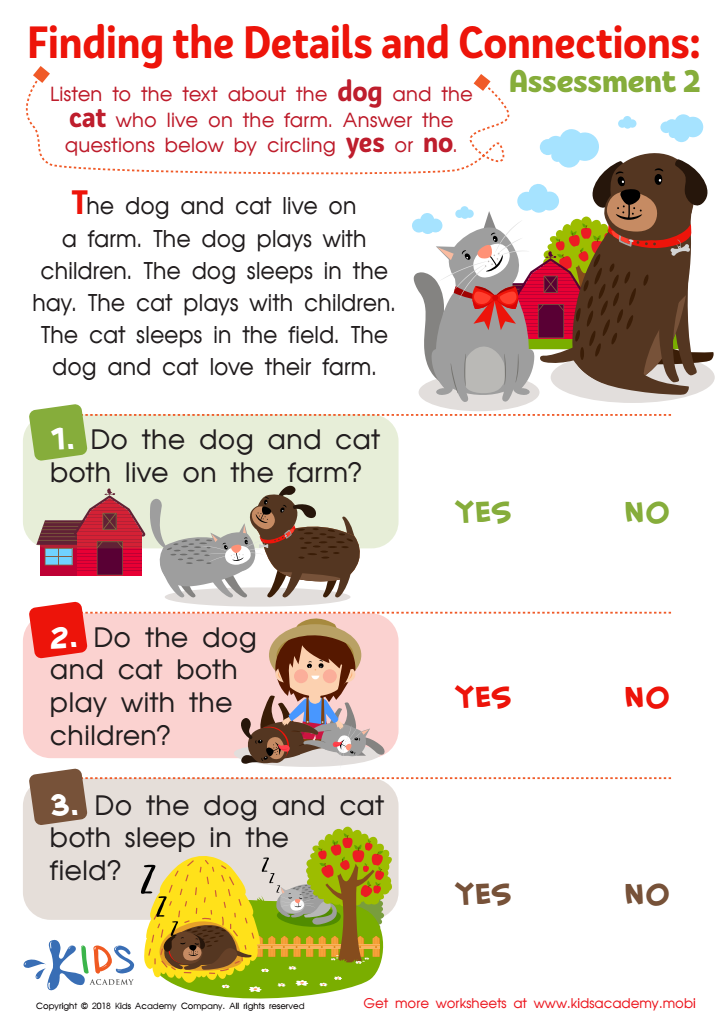
Finding the Details and Connections: Assessment 2 Worksheet
 Assign to My Students











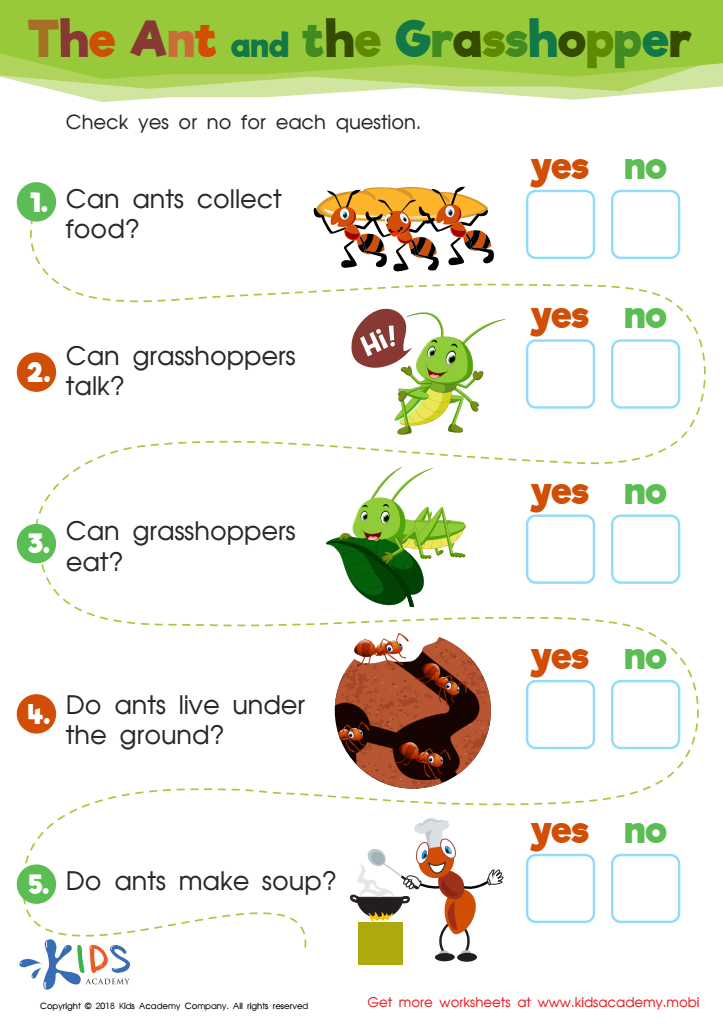
The Ant and The Grasshopper Worksheet

Native American Word Search Printable
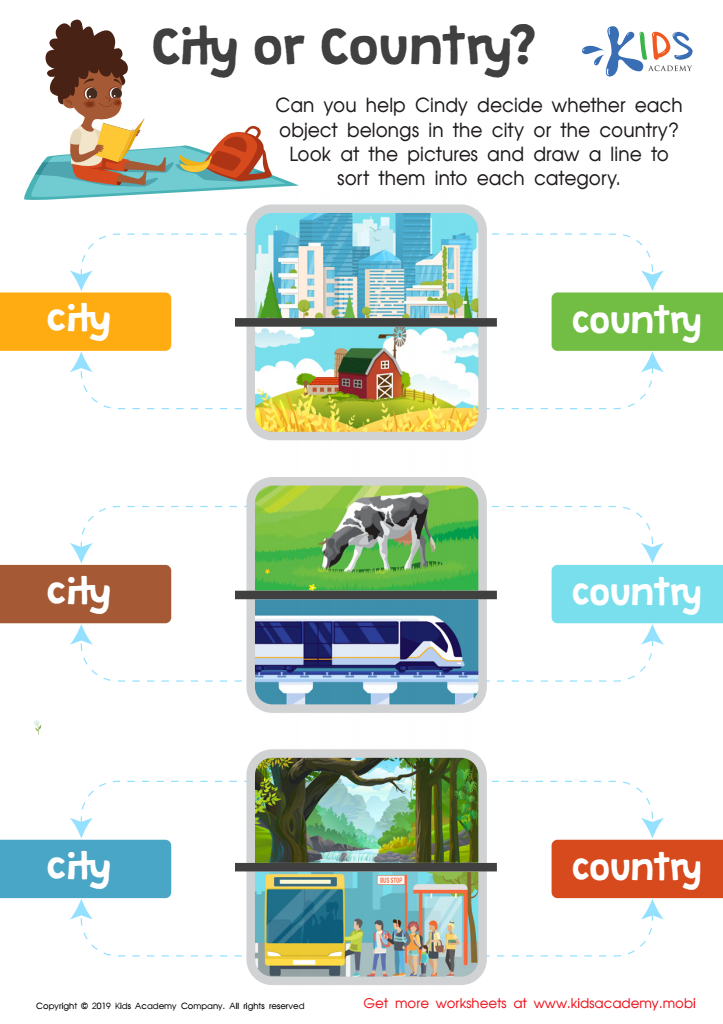
City or Country? Worksheet
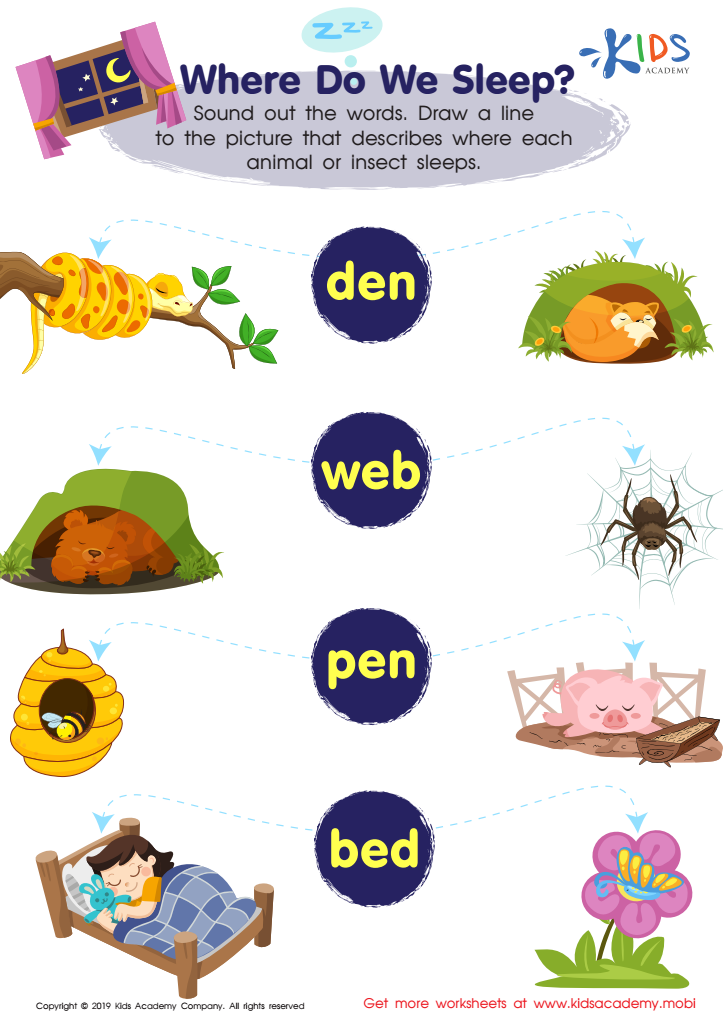
Where Do We Sleep Worksheet
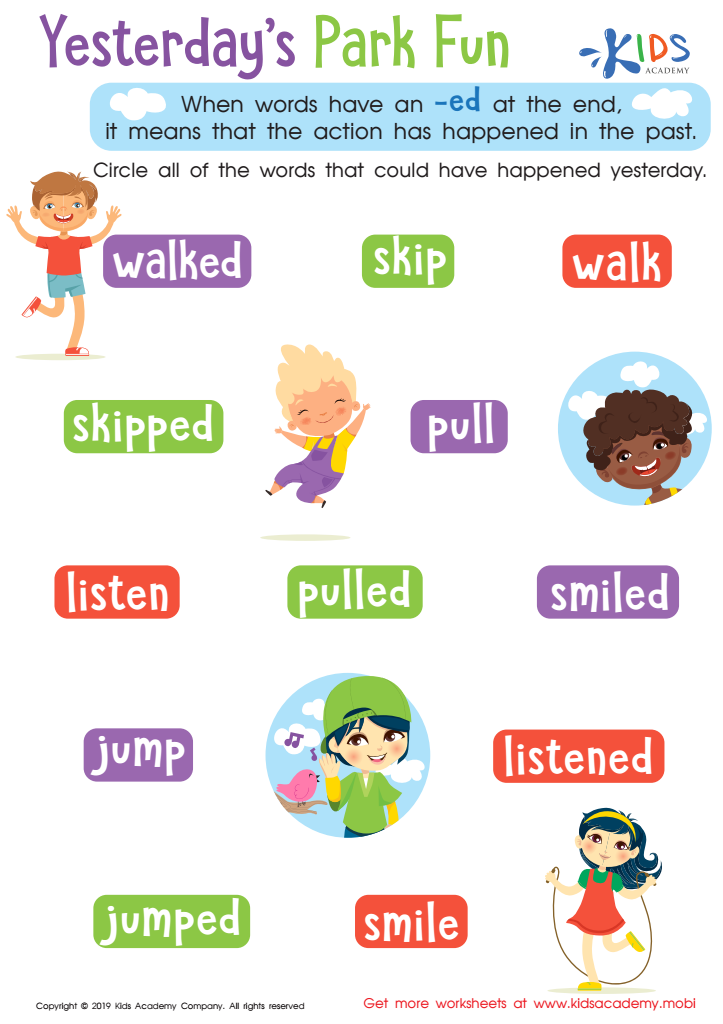
Yesterday's Park Fun Worksheet
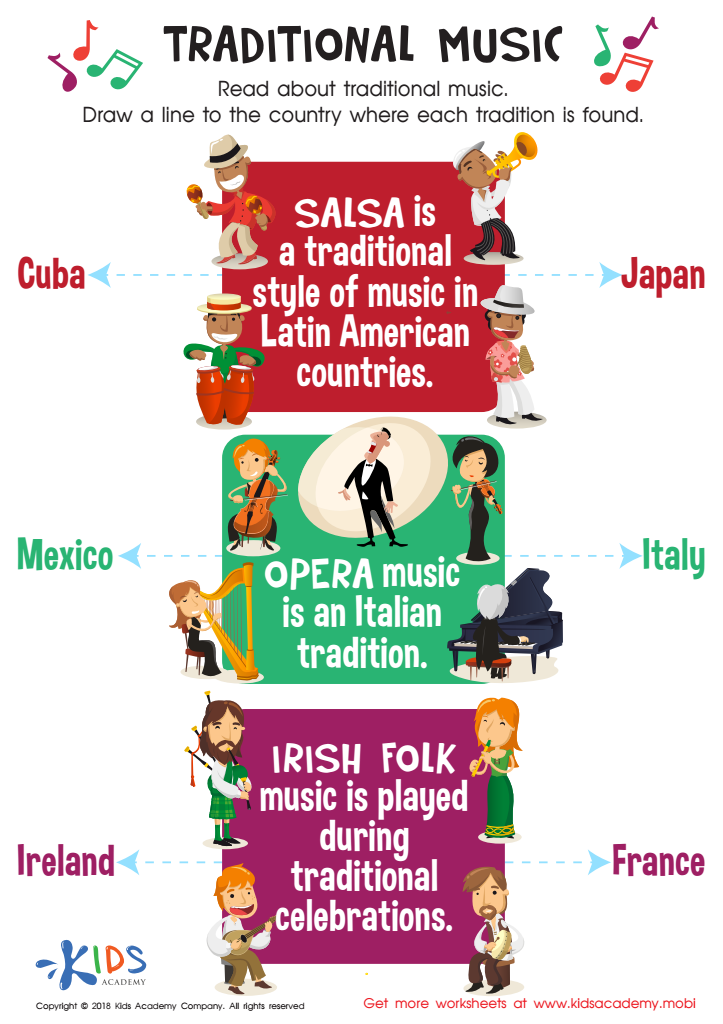
Traditional Music Worksheet
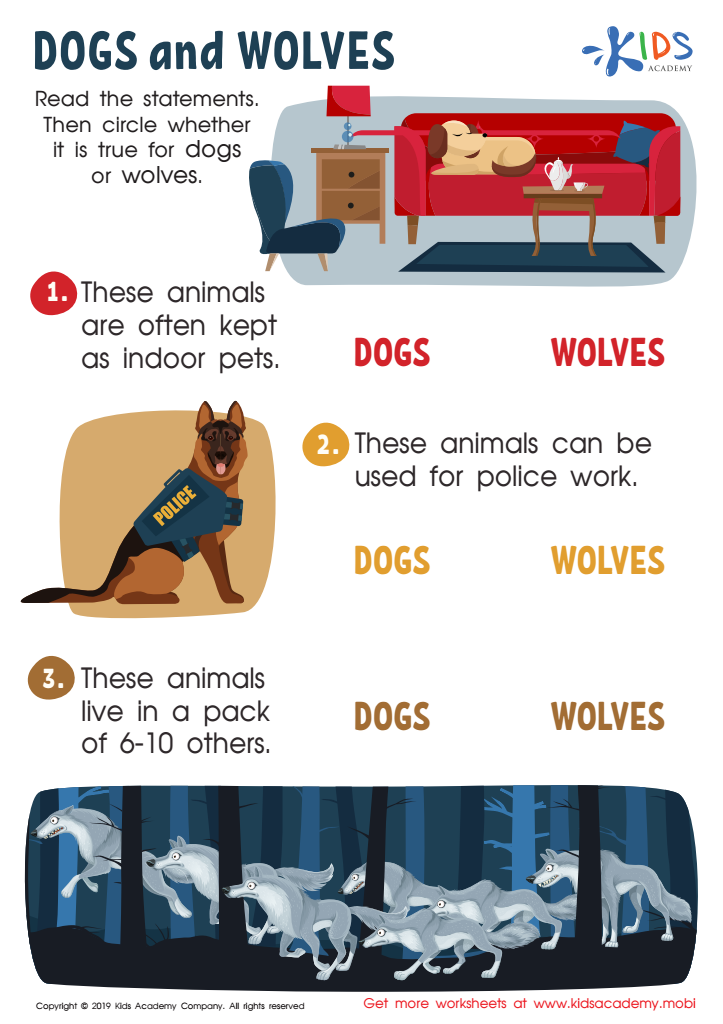
Dogs and Wolves Worksheet
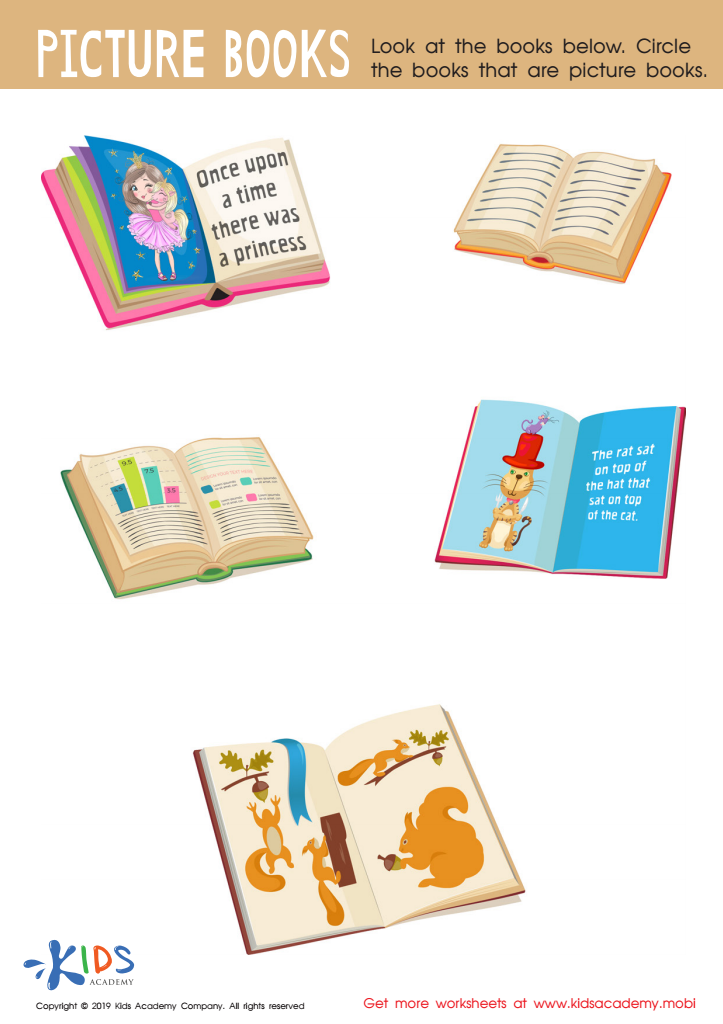
Picture Books Worksheet
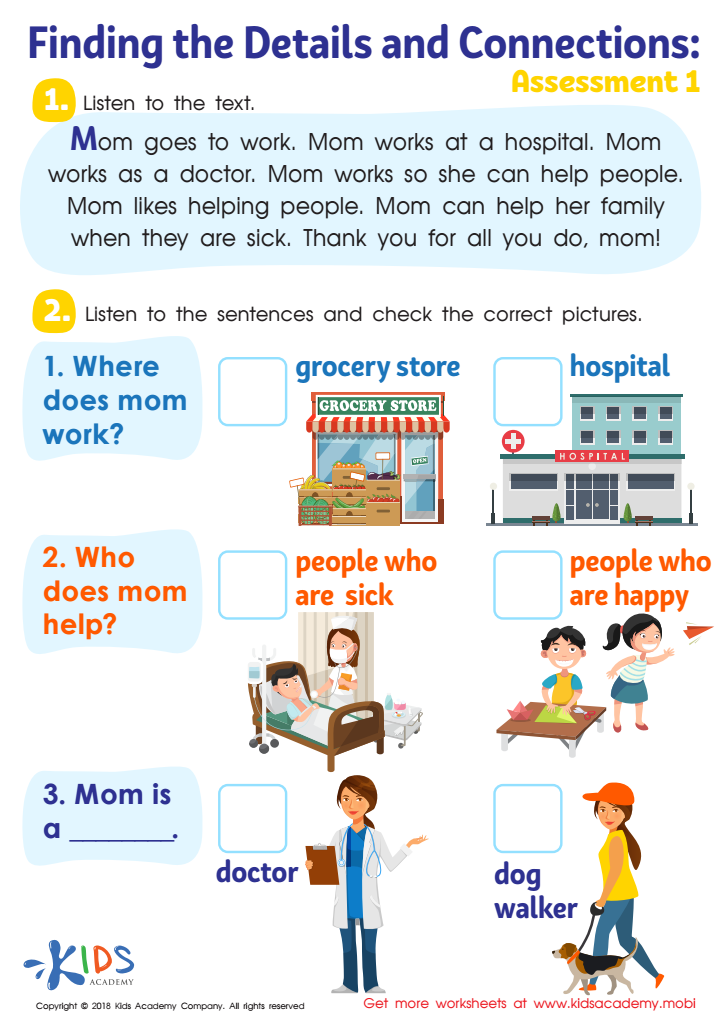
Finding the Details and Connections: Assessment 1 Worksheet
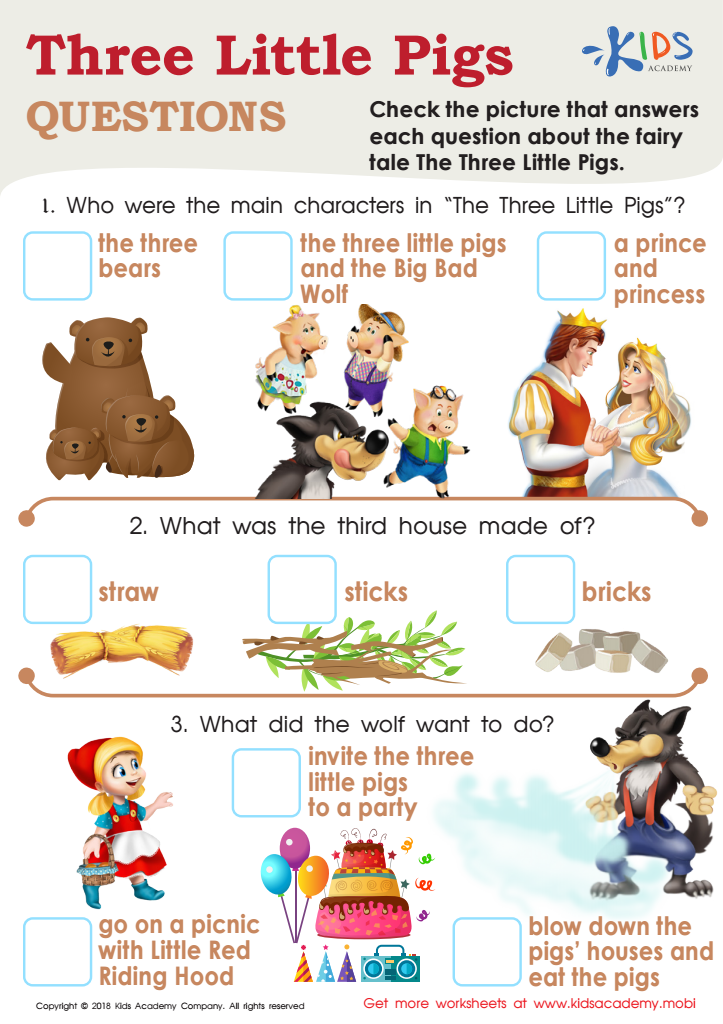
Three Little Pigs Questions Worksheet
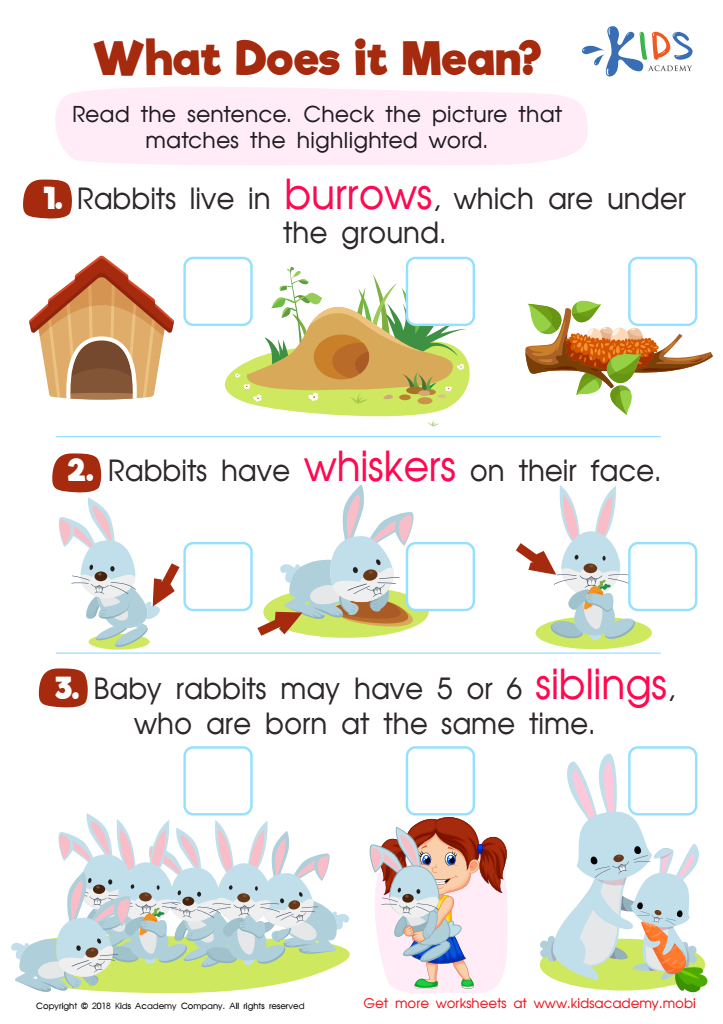
What Does It Mean? Worksheet
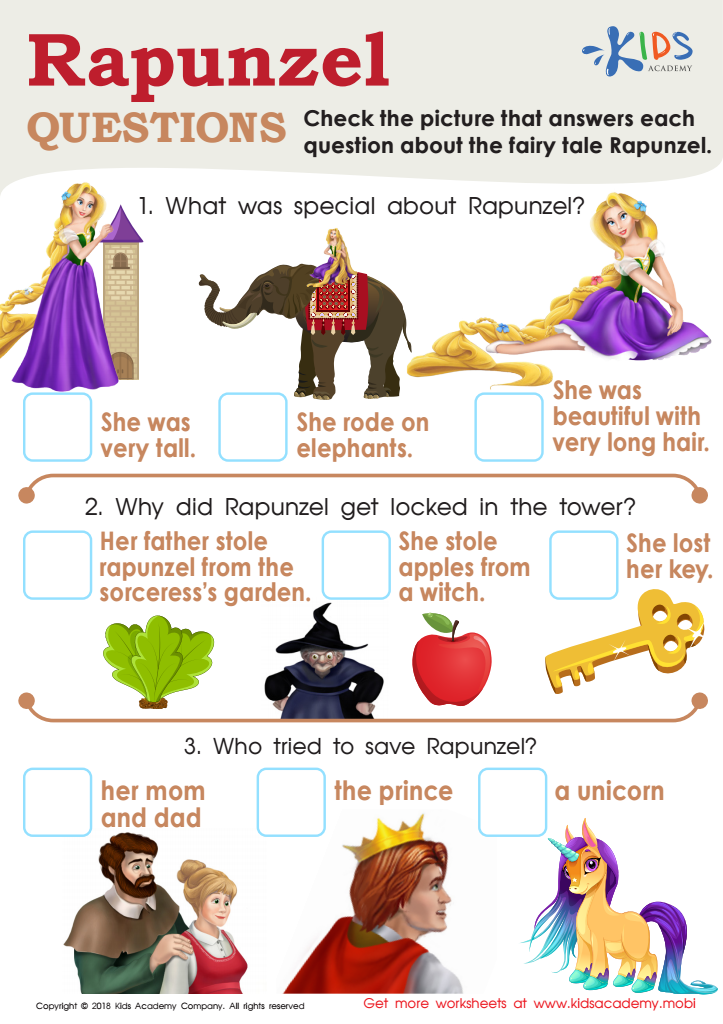
Rapunzel Questions Worksheet
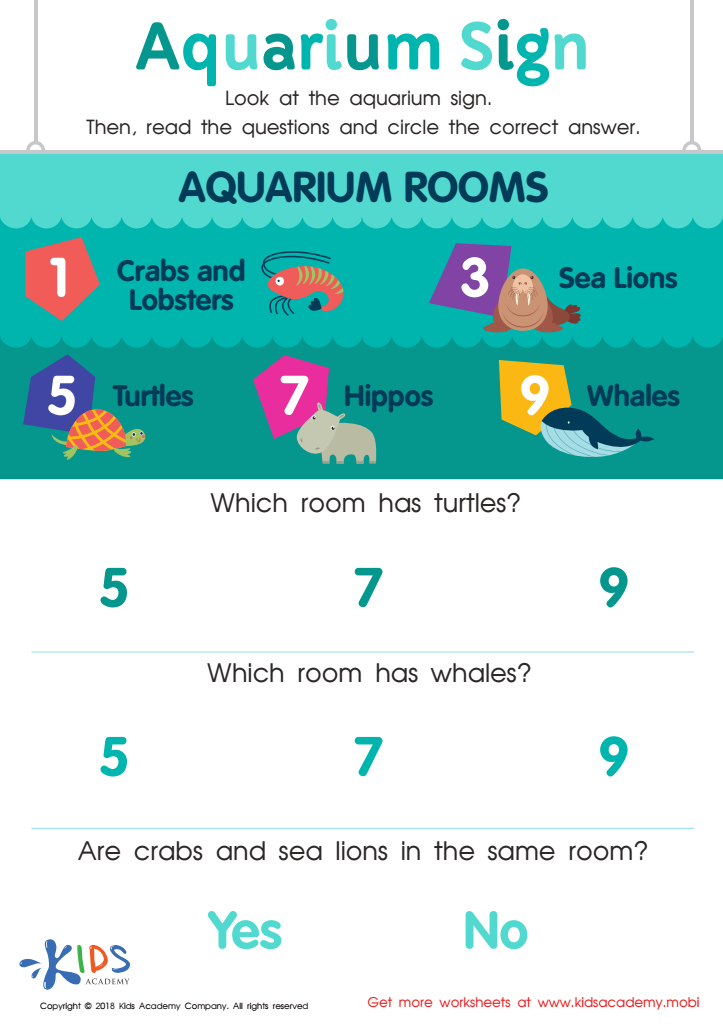
Assessment: Aquarium Sign Worksheet
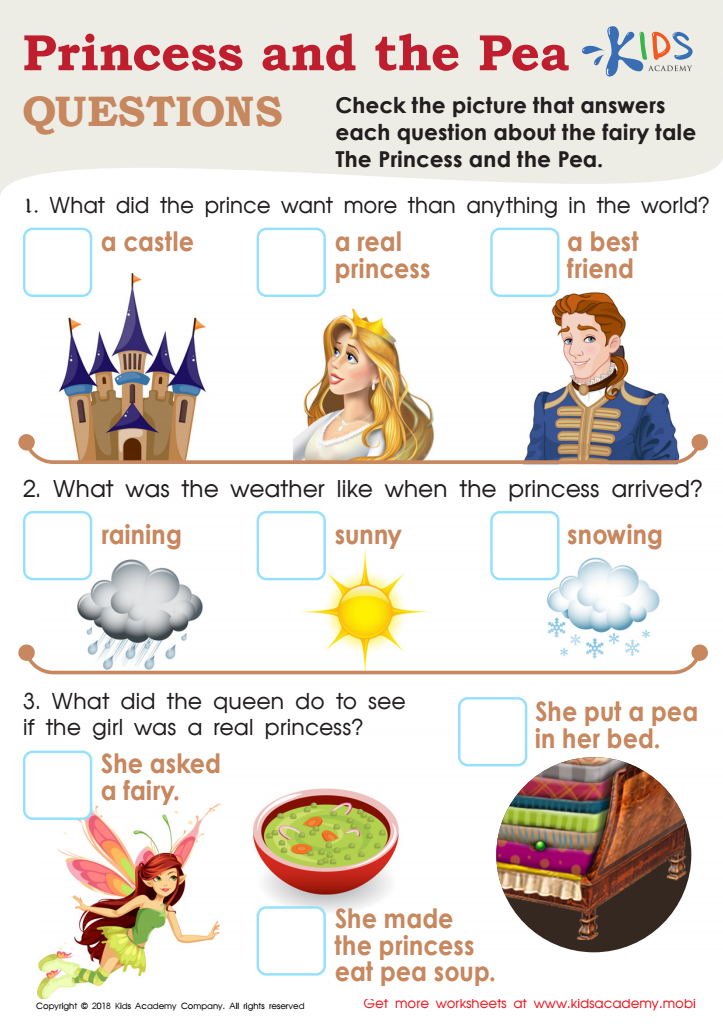
Princess and the Pea Questions Worksheet
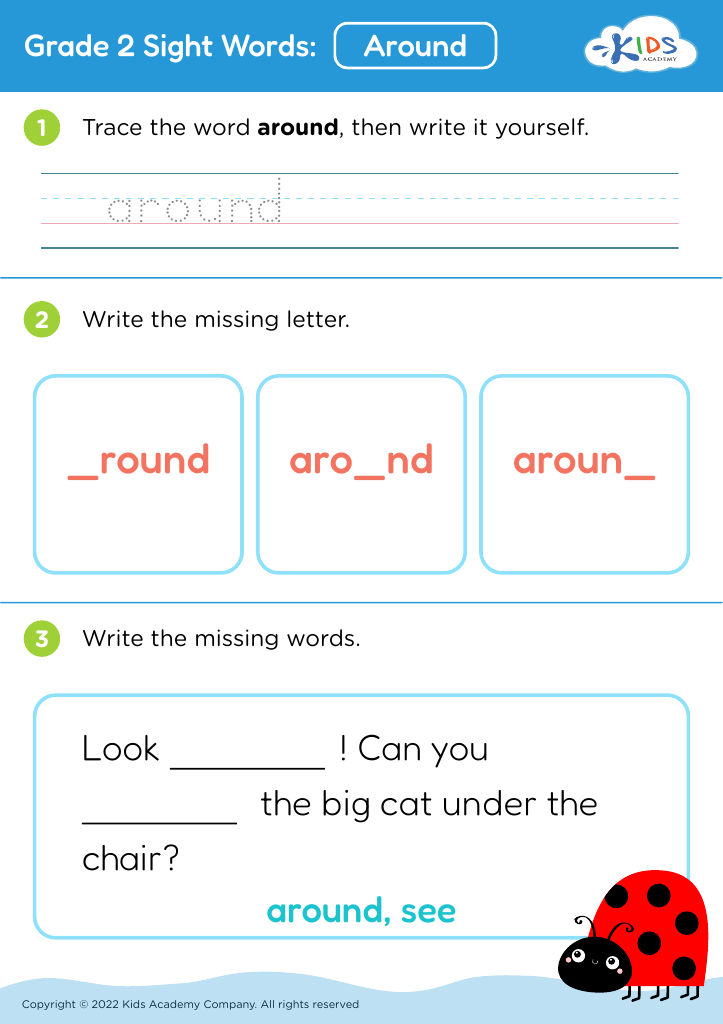
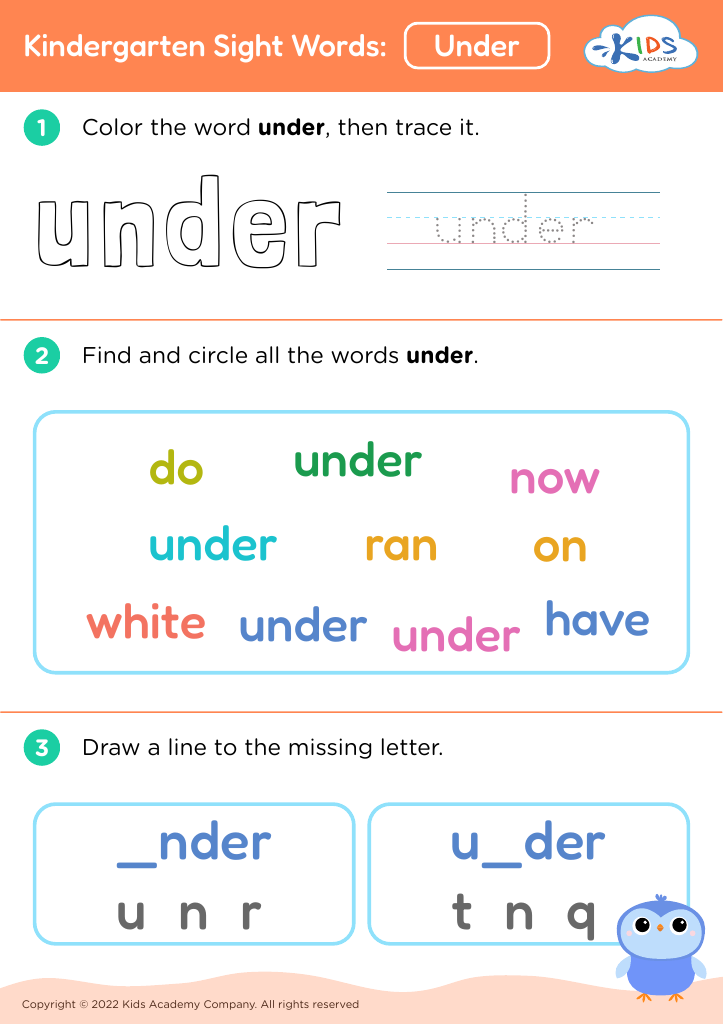




.jpg)



Critical thinking and vocabulary development are crucial components of early childhood education, especially for children aged 3-8. At this formative stage, children's cognitive and linguistic abilities are rapidly expanding, making it an ideal time to cultivate their critical thinking skills through a rich vocabulary.
Firstly, critical thinking helps children analyze information, ask questions, and make informed decisions. By learning to think critically, young learners become confident problem solvers who can navigate complex situations in everyday life. Employing vocabulary building in tandem with critical thinking also enhances their ability to express thoughts clearly and articulate their ideas, which is essential for effective communication.
Second, a robust vocabulary enables students to understand their environment better and interact more meaningfully with others. It lays the foundation for literacy and academic success, benefiting them in all subjects as they progress through school. Encouraging parents and teachers to focus on both critical thinking and vocabulary fosters an environment where children learn to explore concepts deeply and engage in discussions that nurture curiosity.
Ultimately, when parents and teachers prioritize these skills, they help children become lifelong learners, ready to face challenges with cognitive resilience and effective communication. It's an investment in their future success, both personally and academically.








