Critical thinking skills Building Vocabulary Worksheets for Ages 3-8
7 filtered results
-
From - To
Our expertly designed "Critical Thinking Skills Building Vocabulary Worksheets for Ages 3-8" provide engaging activities that inspire young minds. Perfect for early learners, these worksheets seamlessly integrate fun and learning, fostering essential vocabulary development alongside critical thinking skills. With a variety of exercises, children will enhance their word recognition, comprehension, and reasoning abilities. Ideal for both classrooms and at home, our worksheets create a strong foundation for academic success. Encourage exploration, curiosity, and intellectual growth in your child today with our expertly crafted resources. Fuel their love for learning by visiting Kids Academy and downloading these valuable tools!

The Ice Age Worksheet
 Assign to My Students











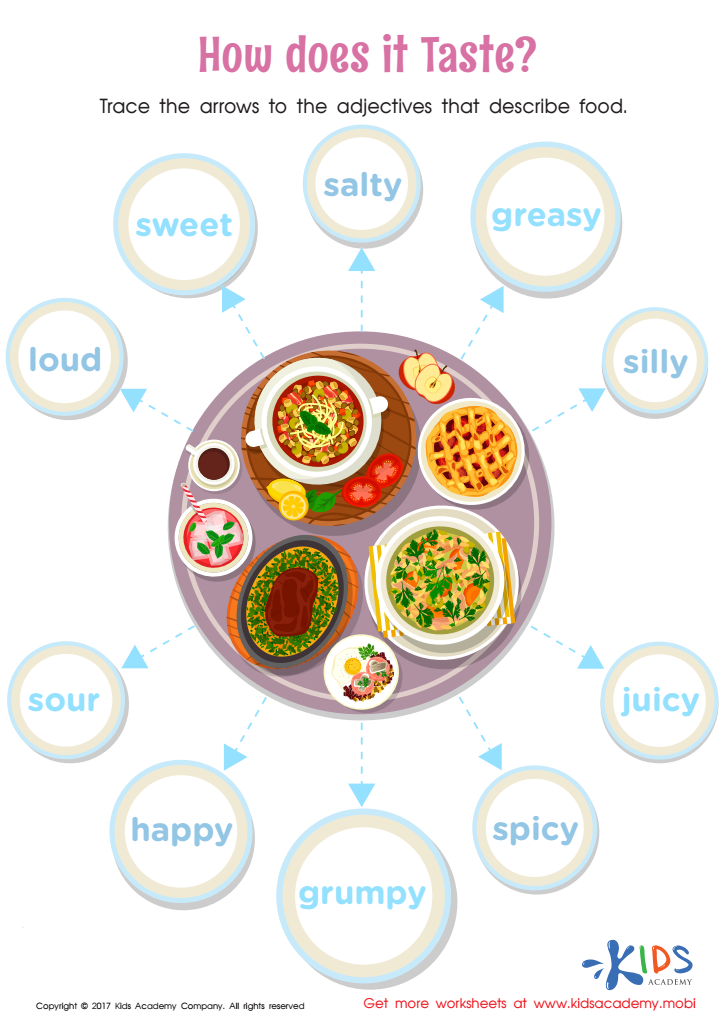
Food Adjectives Worksheet
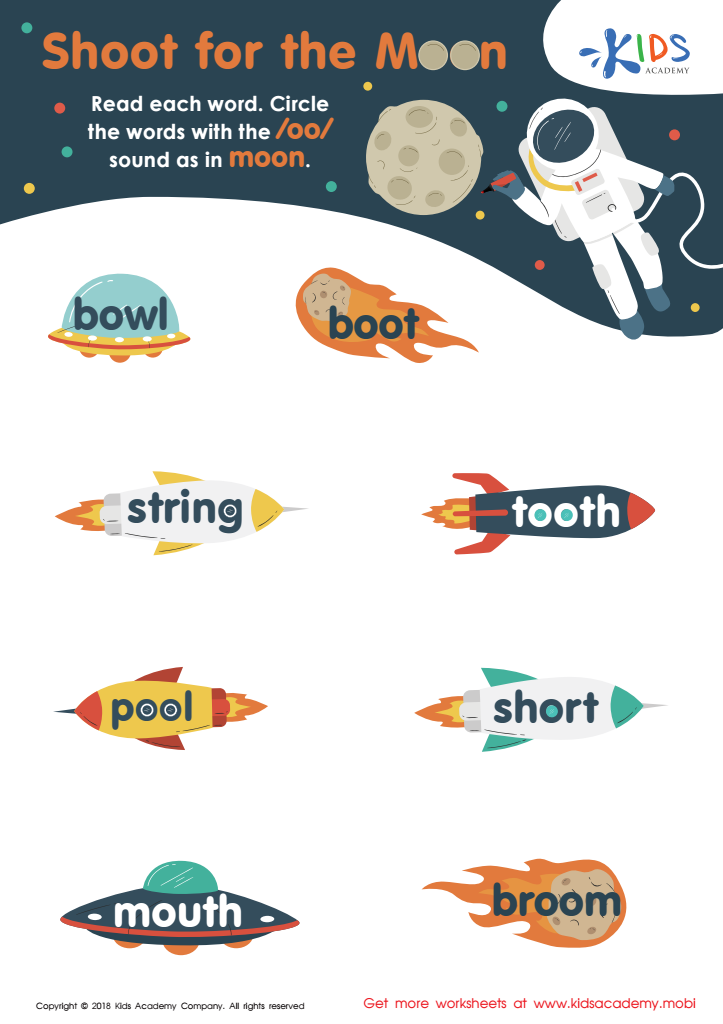
Reading: Shoot for the Moon Worksheet
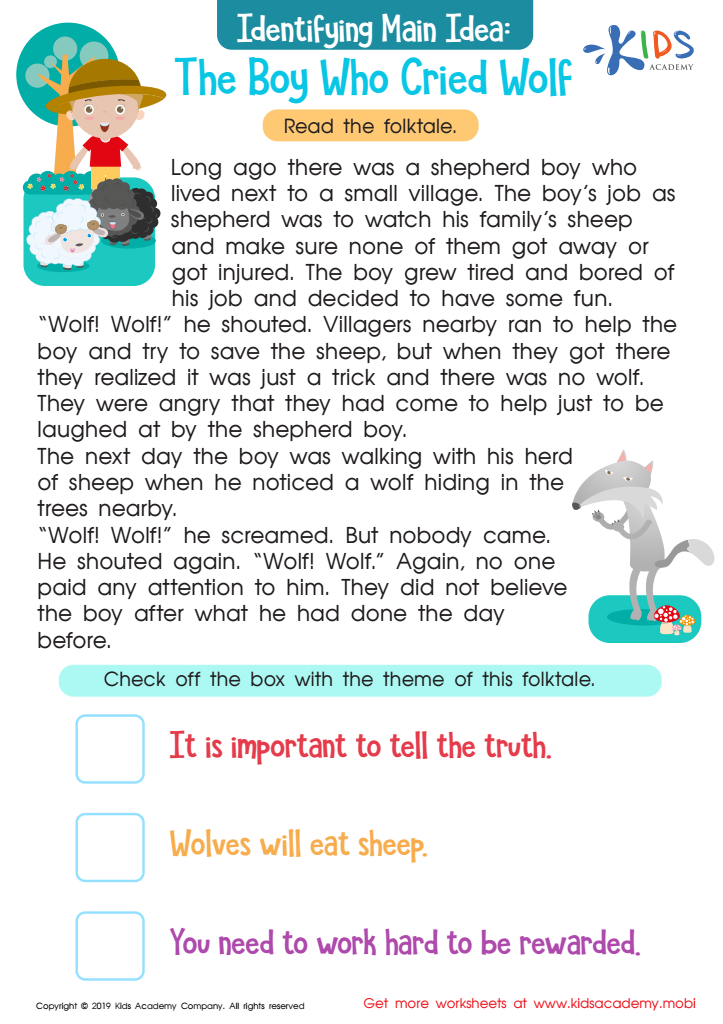
The Boy Who Cried Wolf Part 2 Worksheet
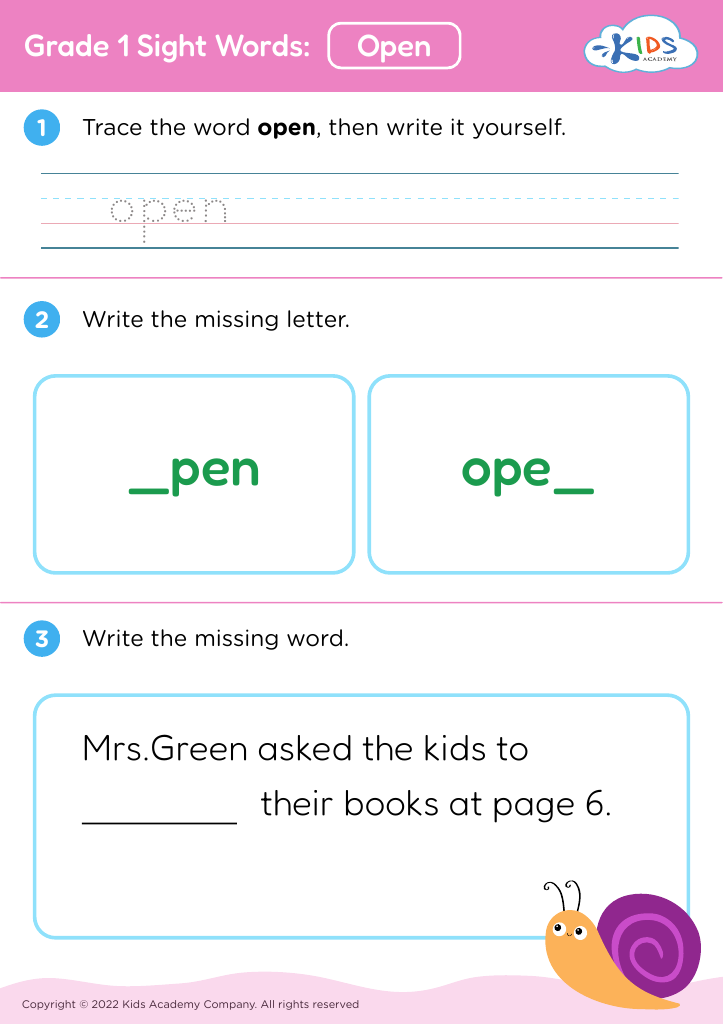
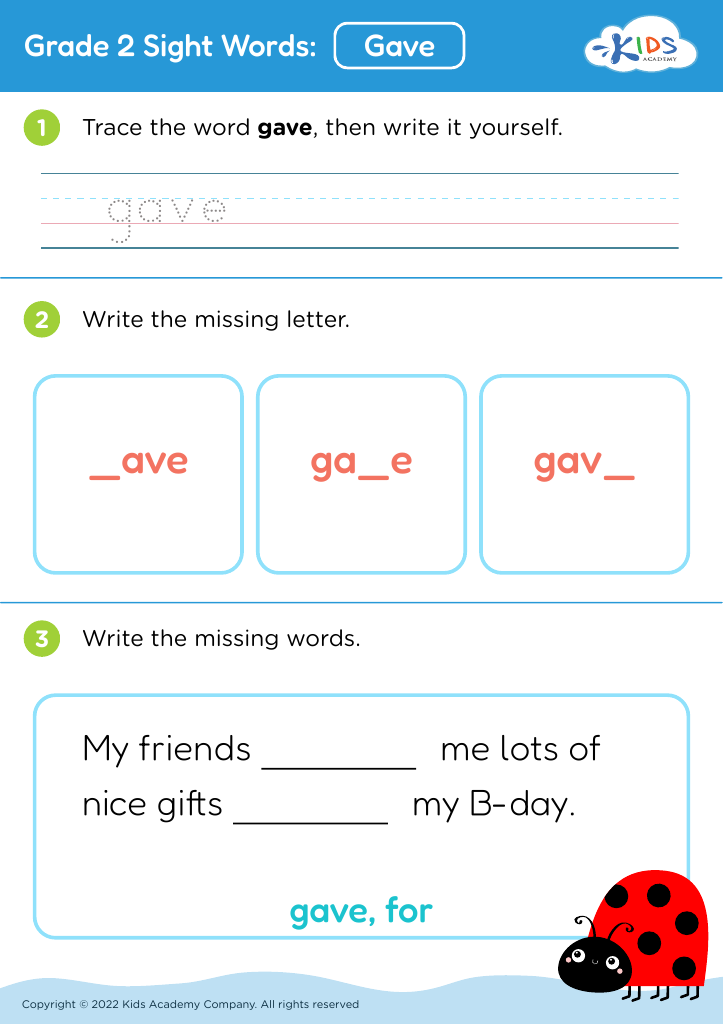
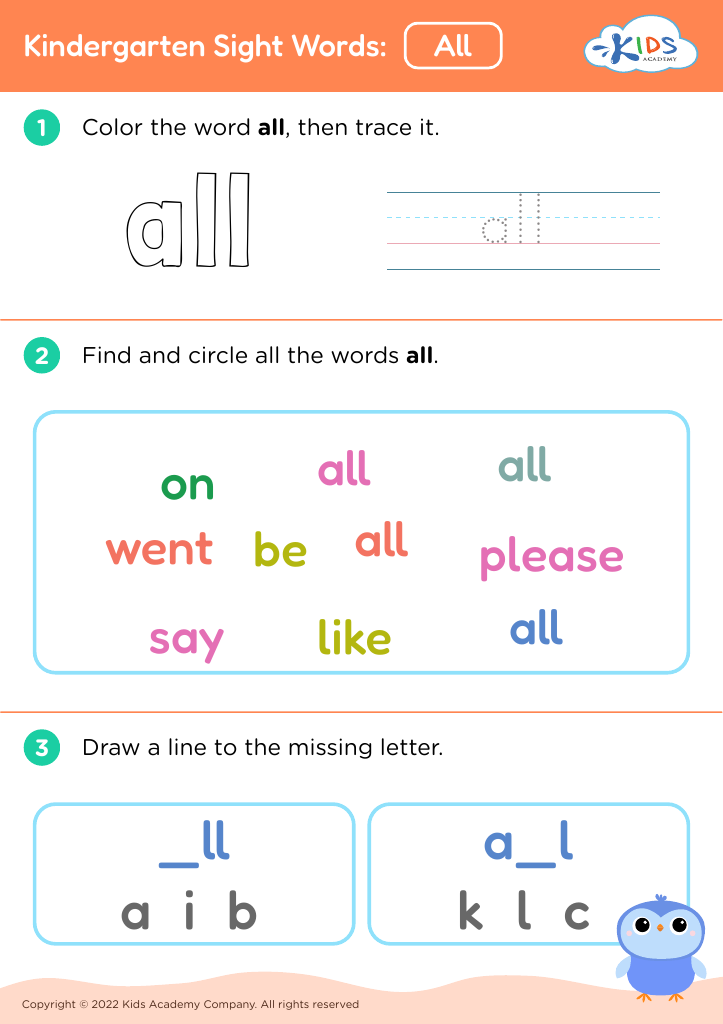








Critical thinking skills and building vocabulary are crucial in the early years, ages 3-8, as they form the foundation for lifelong learning and problem-solving abilities. At this age, children's brains are highly adaptable and receptive to new information, making it an ideal period for developing essential cognitive skills.
Critical thinking skills enable children to analyze, evaluate, and synthesize information, fostering independent thinking and decision-making. These skills are fundamental for academic success and navigating complex real-world situations. Encouraging curiosity, asking open-ended questions, and prompting children to think about different outcomes can enhance their critical thinking capabilities.
Simultaneously, a rich vocabulary improves communication skills, reading comprehension, and overall academic achievement. Words are the building blocks of communication; having a diverse vocabulary allows children to express their thoughts, emotions, and ideas more clearly. Reading to children, introducing them to new words in context, and engaging in conversations are effective strategies for vocabulary building.
By prioritizing critical thinking and vocabulary development, parents and teachers lay the groundwork for children to become confident, autonomous learners. This dual focus not only supports academic success but also equips children with the tools needed to understand the world around them and effectively communicate within it. Hence, investing time in these areas is an investment in a child's future.








