Develop critical thinking Building Vocabulary Worksheets for Ages 3-8
4 filtered results
-
From - To
Enhance your child's critical thinking skills with our engaging Building Vocabulary Worksheets, specifically designed for ages 3-8. These worksheets provide a fun and interactive way for young learners to expand their vocabulary while sharpening their analytical abilities. Each activity encourages children to think deeply about words, their meanings, and how they fit into everyday contexts. Our carefully crafted exercises promote creativity, problem-solving, and comprehension, laying a strong foundation for lifelong learning. Perfect for use at home or in the classroom, these worksheets make language development an enjoyable experience. Start nurturing essential critical thinking skills today!
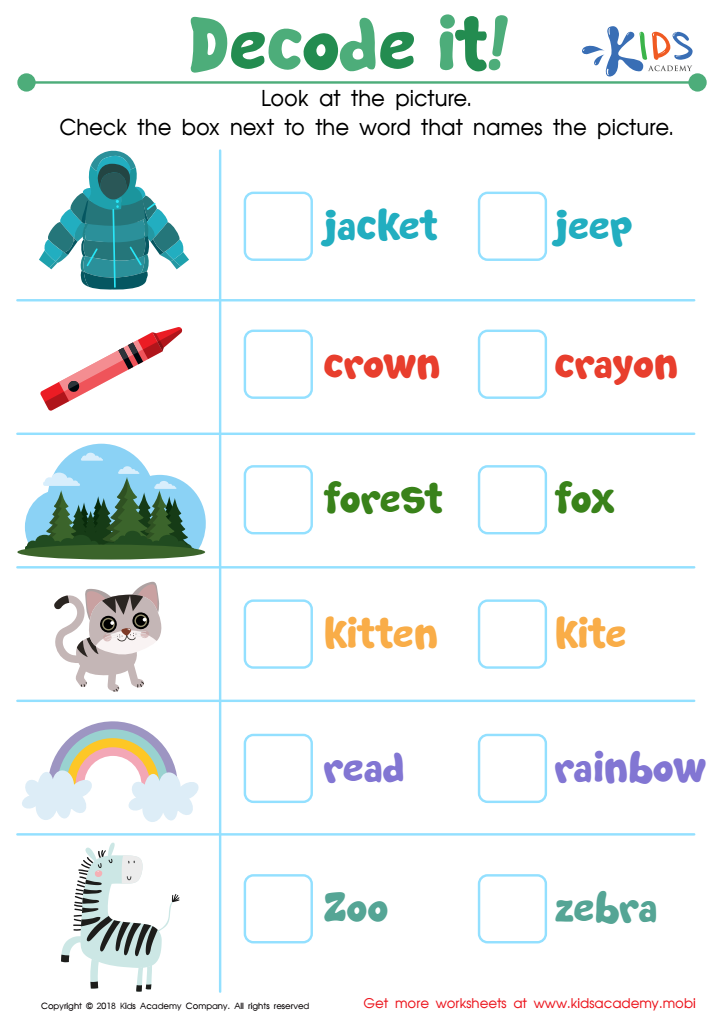
Reading: Decode It Worksheet
 Assign to My Students











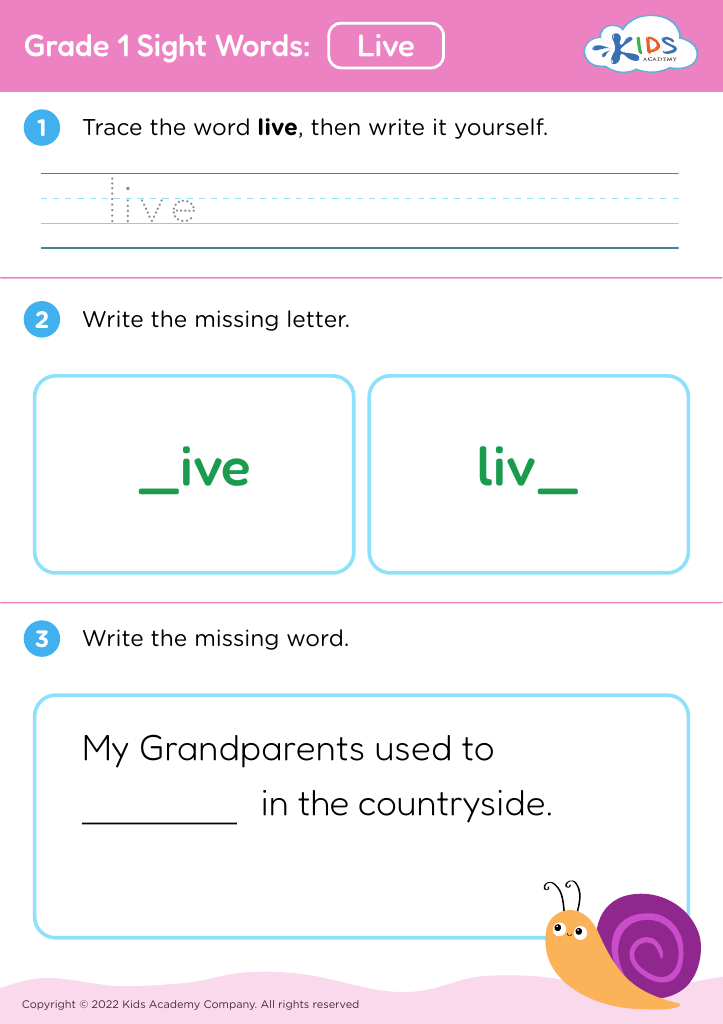
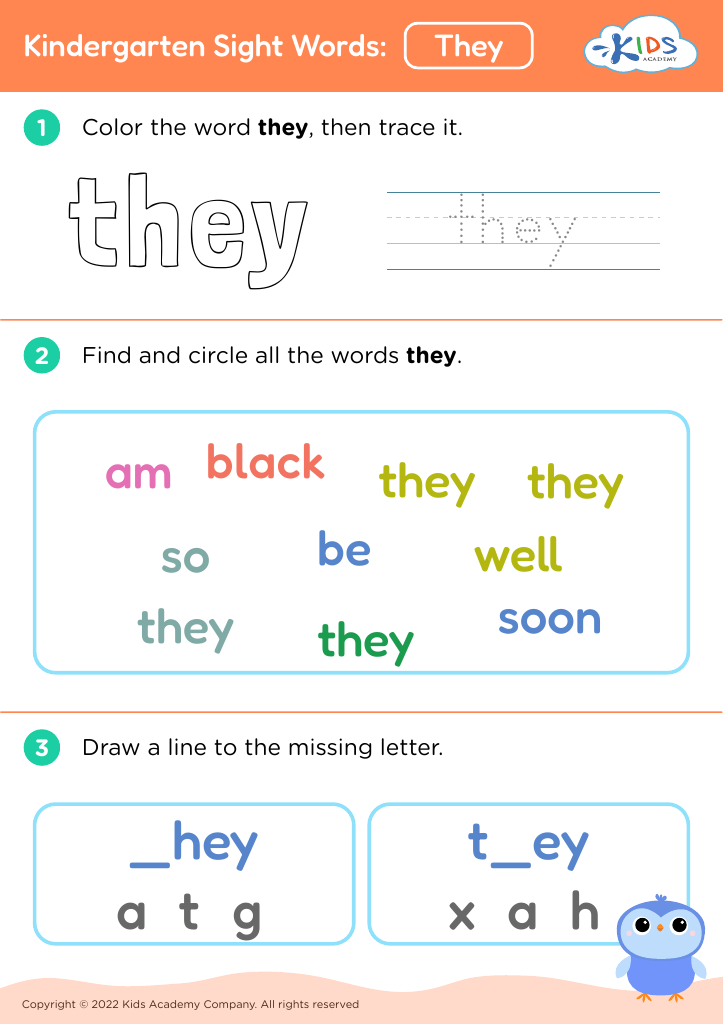
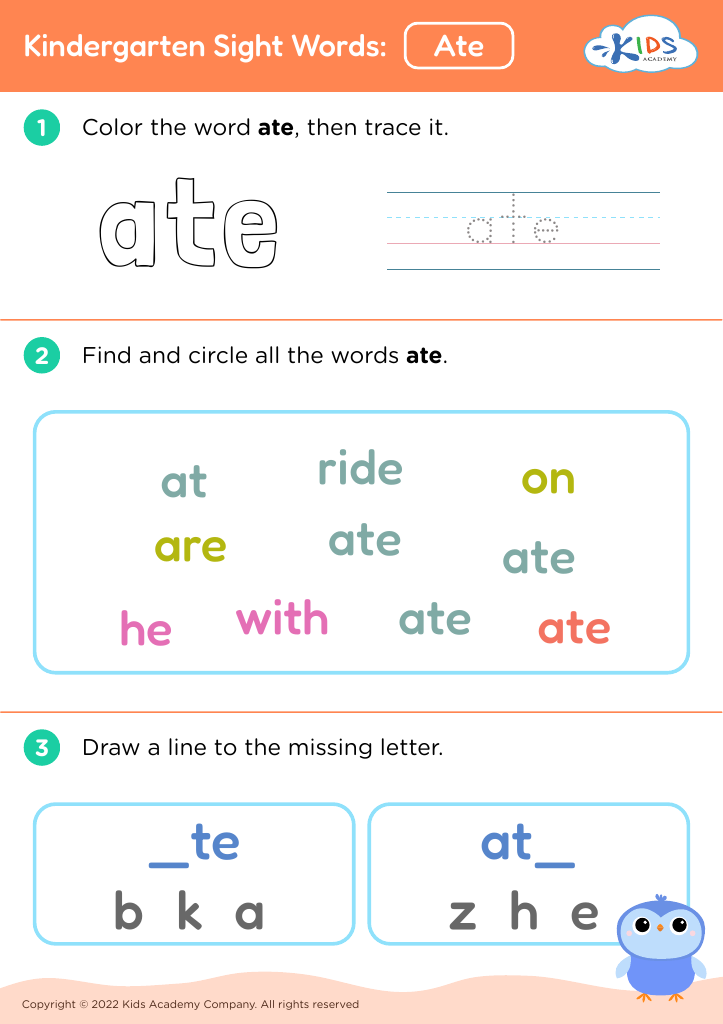



.jpg)




Parents and teachers should prioritize developing critical thinking and building vocabulary for children ages 3-8 because these foundational skills significantly contribute to a child's overall cognitive and social development.
Critical thinking encourages children to analyze, evaluate, and synthesize information, fostering independent thought and problem-solving abilities. By engaging children in discussions, asking open-ended questions, and providing opportunities for explorative play, adults can nurture a mindset that values inquiry and resilience. This skill set prepares children for academic challenges and helps them navigate real-world scenarios as they grow.
Building vocabulary is equally essential at this young age. A strong vocabulary enables children to express their thoughts and feelings accurately, facilitating better communication and fostering relationships with peers and adults. Rich language exposure also enhances reading comprehension and academic success later.
Combined, critical thinking and vocabulary development lay the groundwork for lifelong learning. Children who engage with these skills from an early age are not only better prepared for school but also more equipped to become thoughtful, articulate, and informed individuals. Ultimately, prioritizing these areas enriches a child’s educational experience, promotes emotional intelligence, and prepares them for engaging meaningfully with their communities.








