Improving math skills Building Vocabulary Worksheets for Ages 3-8
5 filtered results
-
From - To
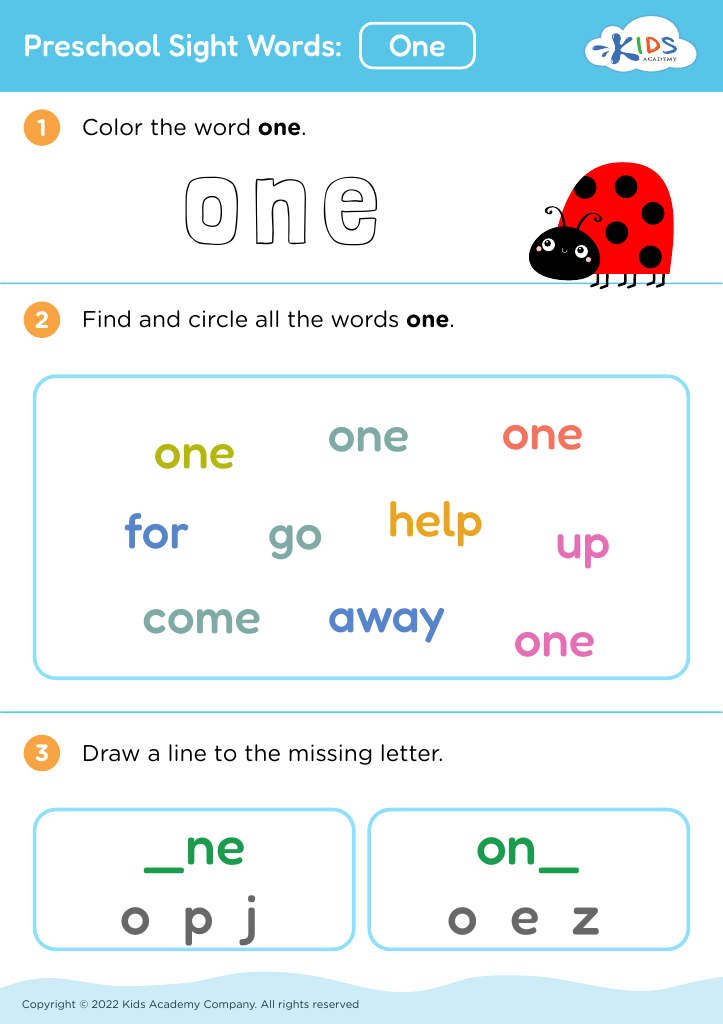
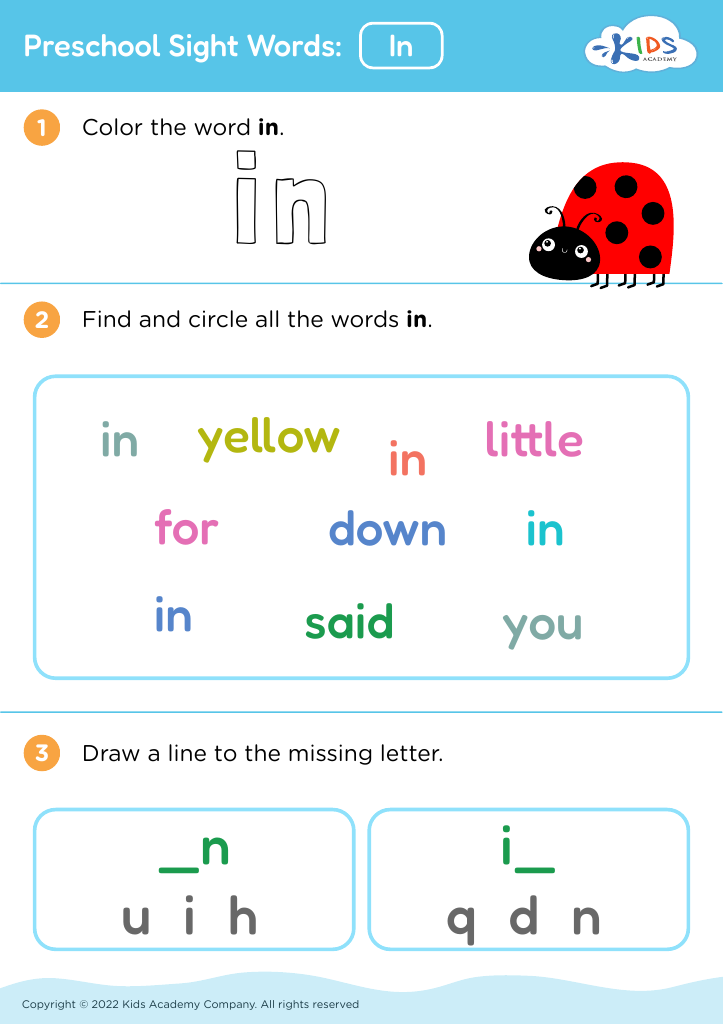
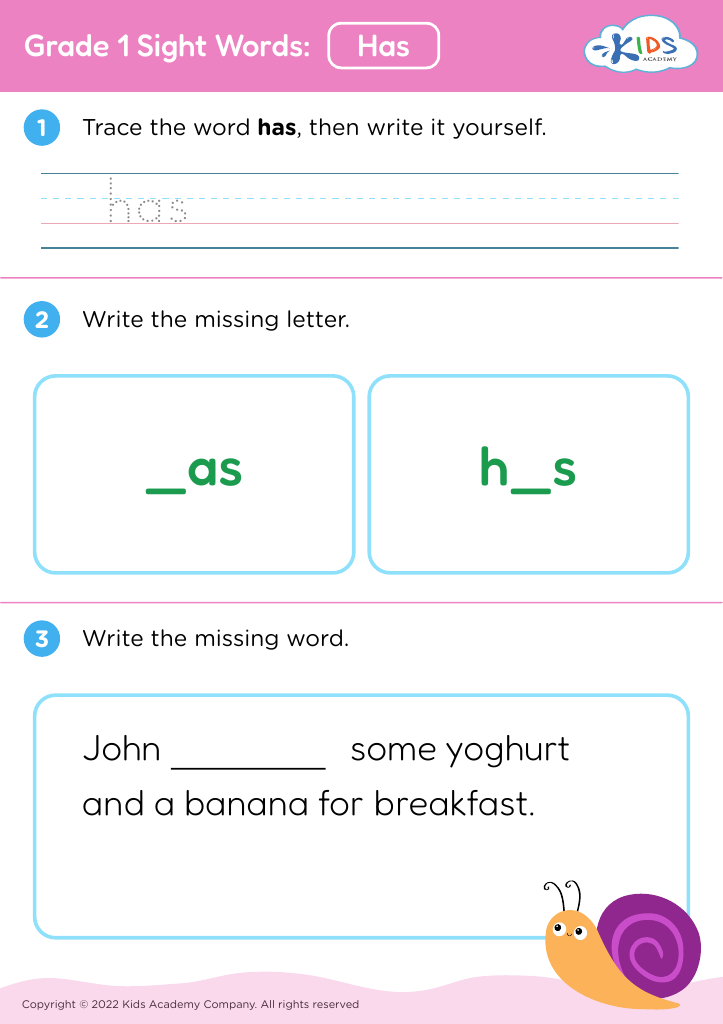
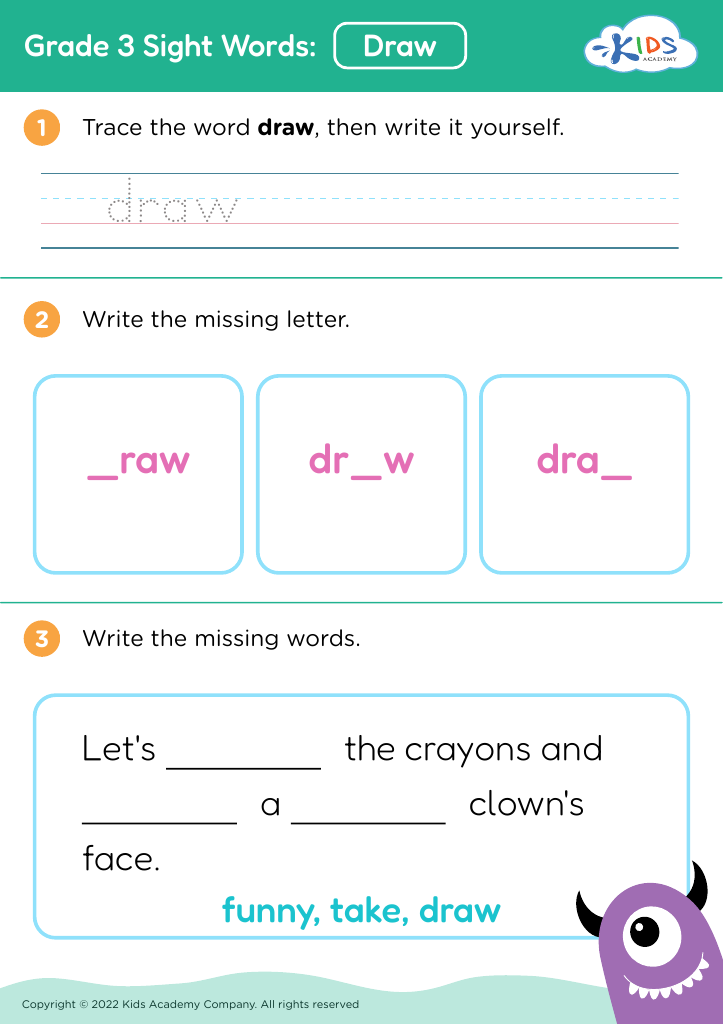
Elevate your child's math and literacy skills with our "Improving Math Skills Building Vocabulary Worksheets for Ages 3-8." These engaging, printable worksheets combine the fundamentals of math with essential vocabulary-building exercises. Perfectly designed for young learners, each activity fosters critical thinking and language development while making math fun and accessible. Kids will enjoy a variety of tasks such as counting, simple addition, and word problems that enhance comprehension and fluency. Ideal for both classroom settings and home practice, our worksheets are a valuable resource for parents and teachers guiding children through essential early learning milestones.











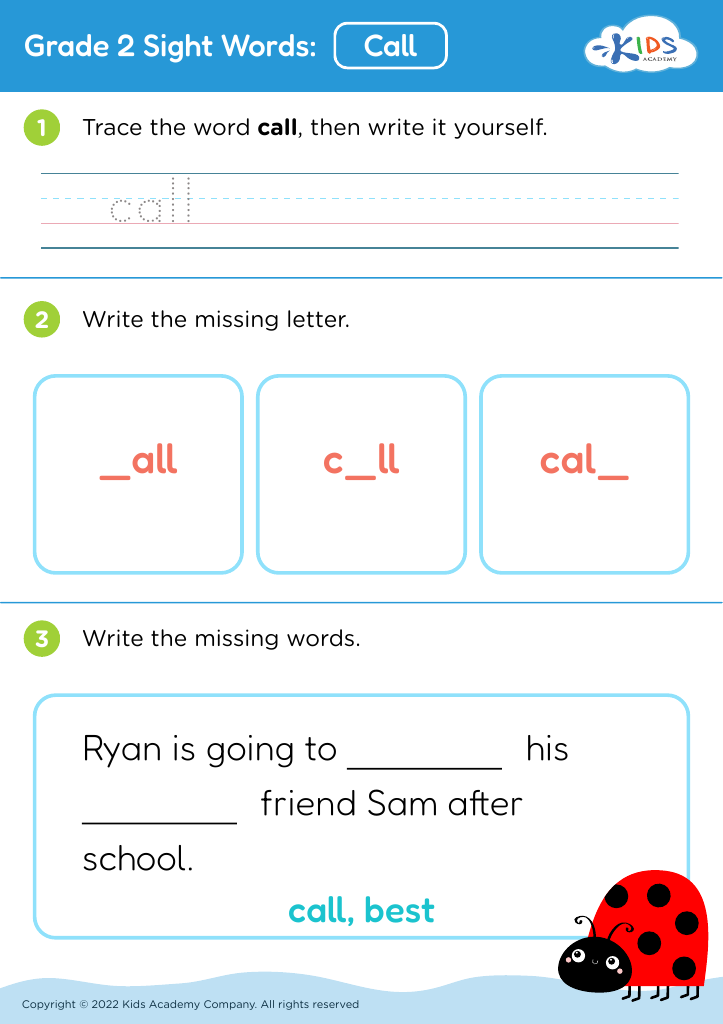








Parents and teachers should prioritize improving math skills and building vocabulary for children aged 3-8 because these foundational abilities are critical for academic success and overall development. Early math skills lay the groundwork for problem-solving, critical thinking, and logical reasoning. This early proficiency forms the bedrock for more advanced mathematical concepts children will encounter later in their education. Activities like counting, recognizing shapes, or simple arithmetic can boost a child's confidence and enthusiasm for learning.
Similarly, a strong vocabulary is essential for effective communication and reading comprehension. A rich vocabulary helps young children express their thoughts clearly, understand instructions, and engage in meaningful conversations. It also plays a pivotal role as they learn to read, underpinning their ability to decode new words and grasp the meaning of texts. Shared reading, storytelling, and interactive conversations are great ways to enhance vocabulary.
Early proficiency in both areas not only promotes academic achievement but also supports emotional and social development. Competitive early competence in math and vocabulary enables children to navigate their learning environments more effectively, fostering a love for learning and providing them with tools to succeed in school and life. By investing time and effort in these areas, parents and teachers set the stage for a brighter, more capable future generation.








