
Logical thinking Building Vocabulary Worksheets for Ages 3-8
5 filtered results
Difficulty Level
Grade
Age
-
From - To
Subject
Activity
Standards
Enhance your child’s vocabulary and logical thinking skills with our engaging worksheets designed for ages 3 to 8. These meticulously crafted exercises seamlessly blend fun and education, encouraging young learners to explore language through critical thinking activities. Each worksheet promotes cognitive development by challenging children to categorize words, make connections, and solve puzzles. Our user-friendly format ensures ease of use for educators and parents alike, making learning enjoyable and interactive. Watch your child thrive as they build vocabulary in a stimulating, nurturing environment. Invest in their future today with our logical thinking building vocabulary worksheets, where fun meets foundational learning!
Favorites
With answer key
Interactive
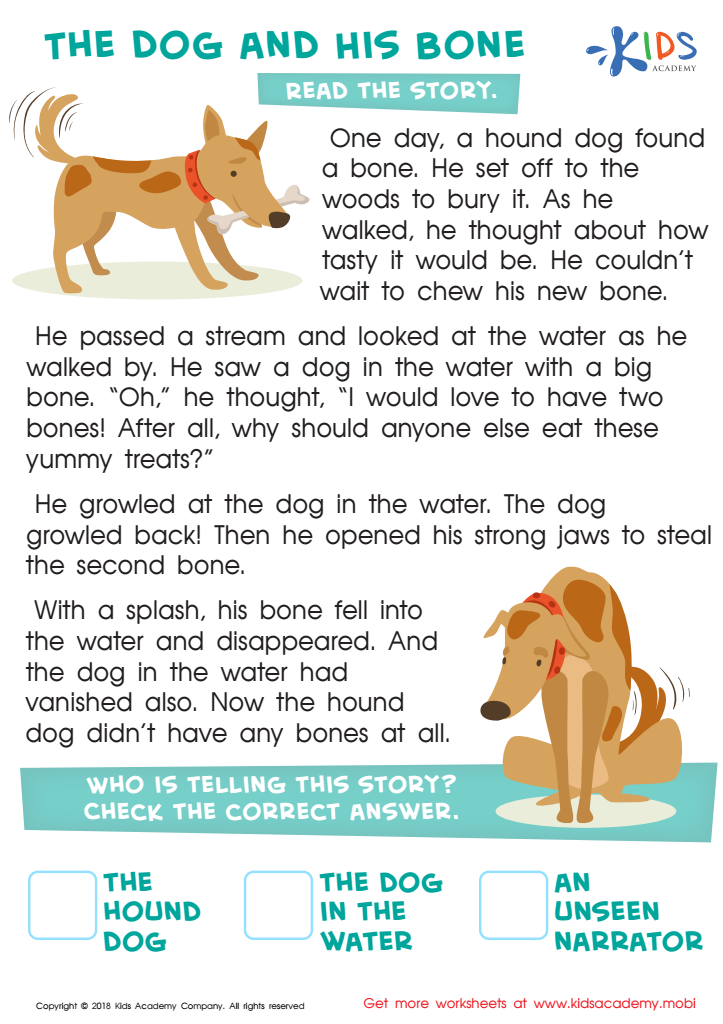
The Dog and His Bone Worksheet
Read the story of The Dog and His Bone to your kids, making sure they take in the details. Ask them the questions in this worksheet and help them check the answers. Encourage them to think carefully.
 Assign to My Students
The Dog and His Bone Worksheet
Worksheet











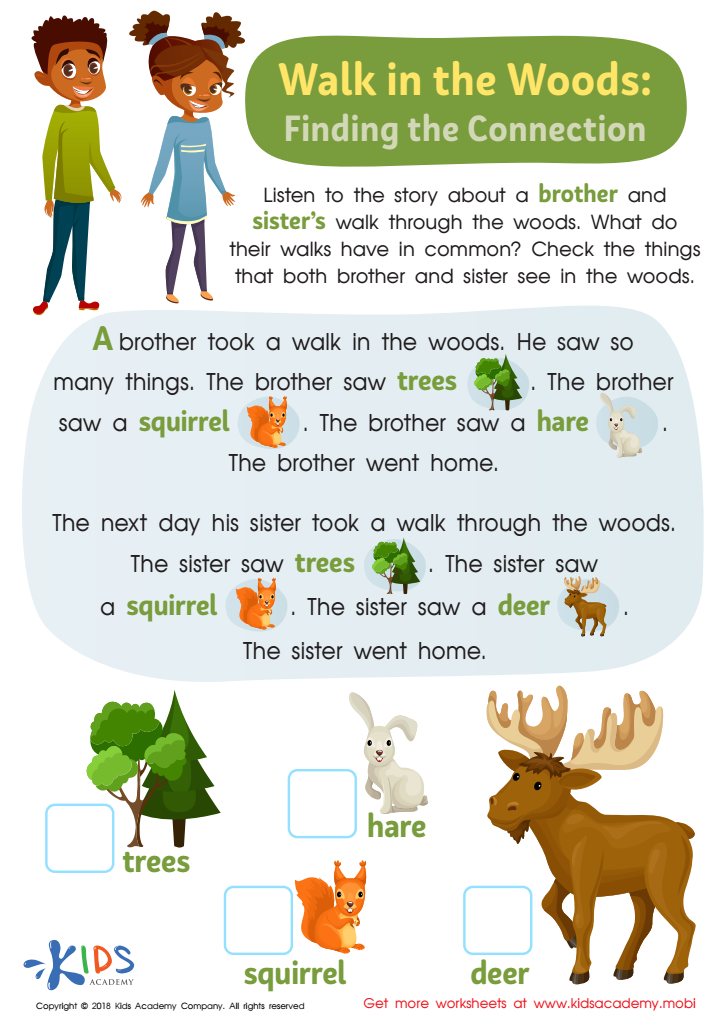
Walk In the Woods: Finding Connections Worksheet
Brother and sister took a walk in the woods to connect with nature and get some exercise. As they went, they noted different things like birds and plants, which they share in this story. Read it to your little ones, and help them check off the items the two saw. It's a great way to learn about nature and enjoy the outdoors.
Walk In the Woods: Finding Connections Worksheet
Worksheet
Join Kids Academy for Free
Who is primarily going to use this learning content?







.jpg)
Logical thinking and vocabulary development are crucial components in the early education of children aged 3-8. Parents and teachers should prioritize these skills as they lay the foundation for future learning and cognitive growth.
Logical thinking nurtures problem-solving abilities, critical analysis, and decision-making skills. By encouraging children to think logically, educators and parents help them to process information effectively, assess situations, and develop sound reasoning. This skill is vital across all subjects, from mathematics to science, and ultimately supports academic success.
Building vocabulary at this young age enhances communication skills, facilitates social interactions, and strengthens reading comprehension. A robust vocabulary enables children to express their thoughts and feelings more clearly, fostering emotional intelligence and relationships with peers and adults.
Moreover, studies highlight a significant correlation between vocabulary size and future literacy and academic achievements. By focusing on expanding a child's vocabulary through conversations, reading, and playful interactions, parents and teachers can effectively prepare them for the challenges of school and life beyond.
In summary, fostering logical thinking and vocabulary in early childhood is essential for cognitive development, social skills, and long-term academic success, making it vital for both educators and parents to prioritize these areas in their teaching and engagement strategies.








