Math problem-solving Building Vocabulary Worksheets for Ages 3-8
6 filtered results
-
From - To
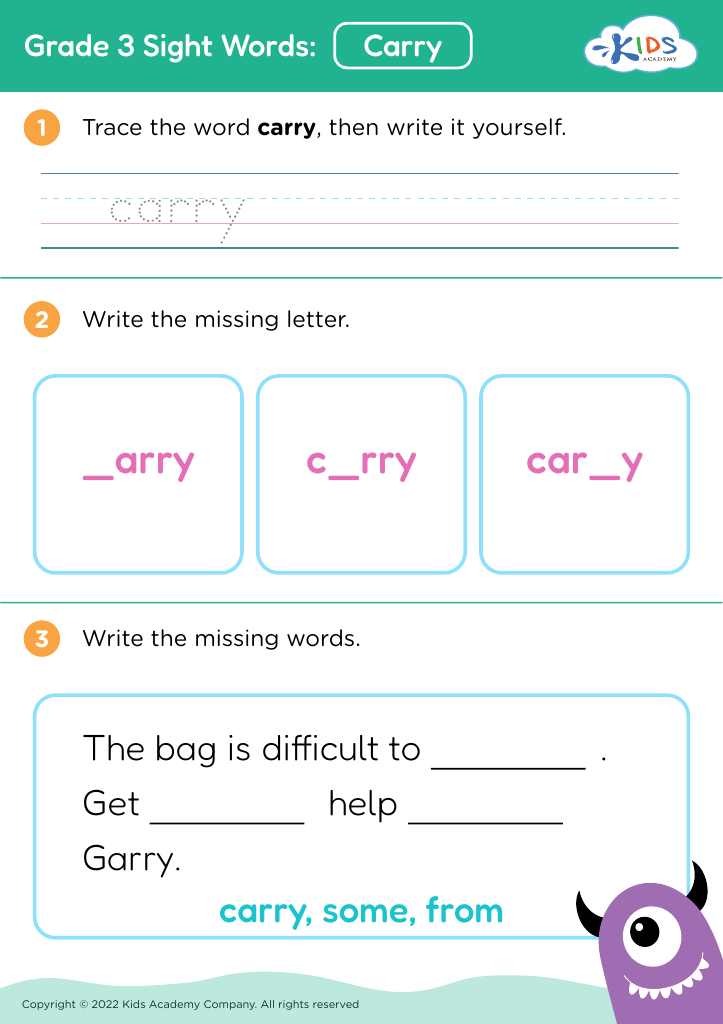
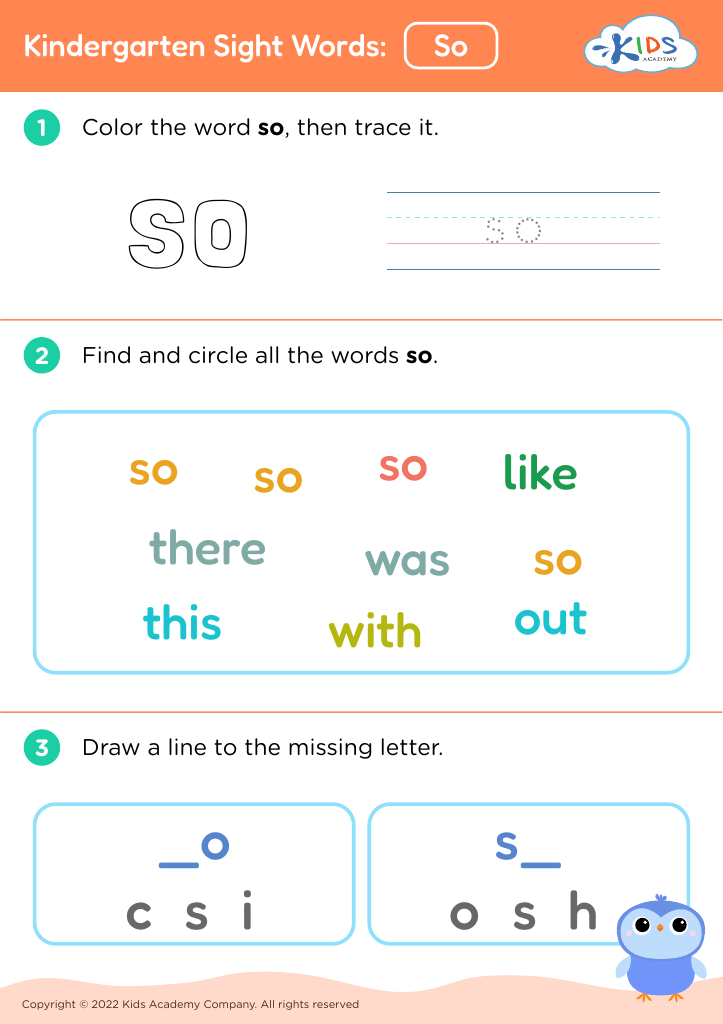
Explore our engaging Math Problem-Solving Building Vocabulary Worksheets designed for children ages 3-8! These interactive resources aim to enhance young learners’ math skills while simultaneously expanding their vocabulary. Each worksheet combines fun activities with colorful visuals to make learning enjoyable and effective. Children will tackle various math problems while learning essential terms and concepts, fostering both critical thinking and language development. Ideal for use at home or in the classroom, our worksheets offer a perfect balance of learning and play, ensuring math mastery and vocabulary enrichment for early learners. Start your child’s math journey today and watch them thrive!
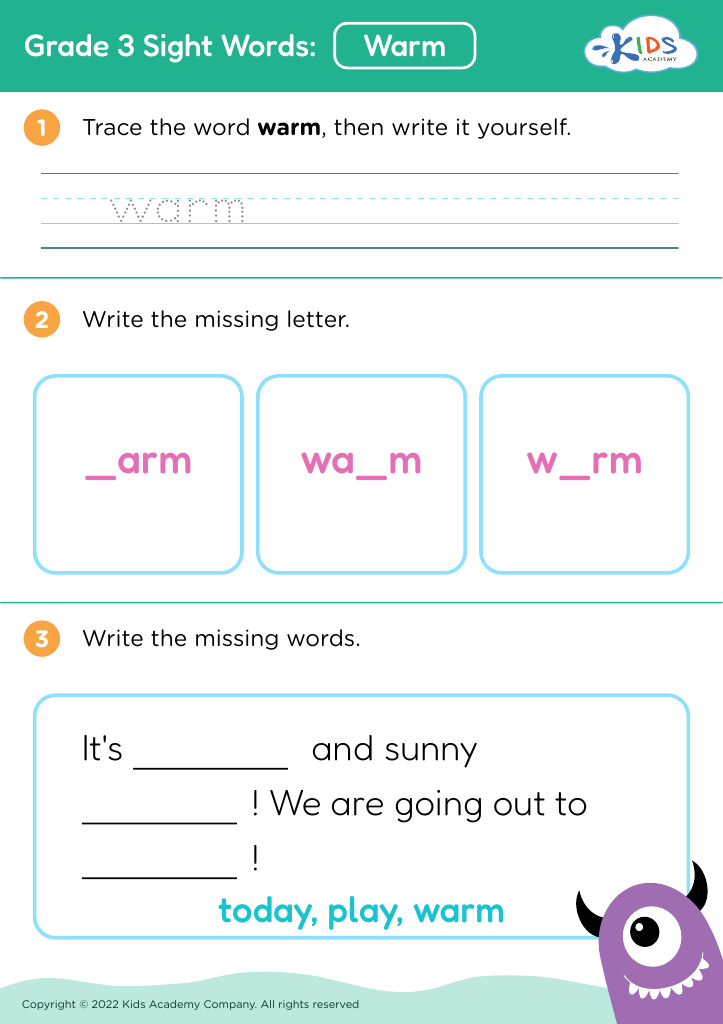











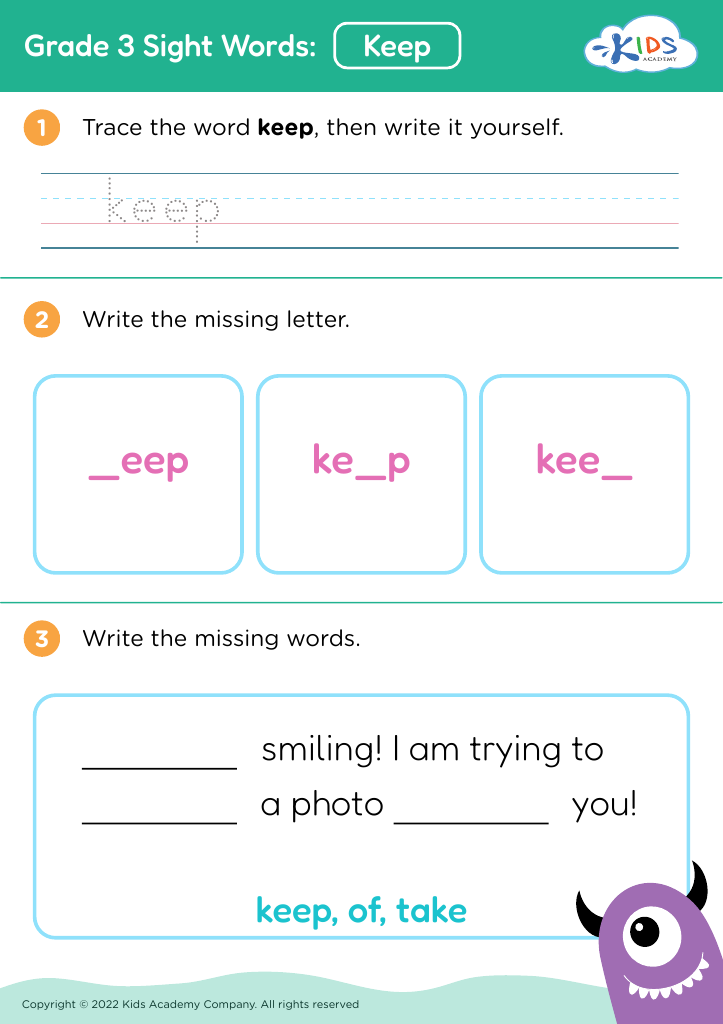
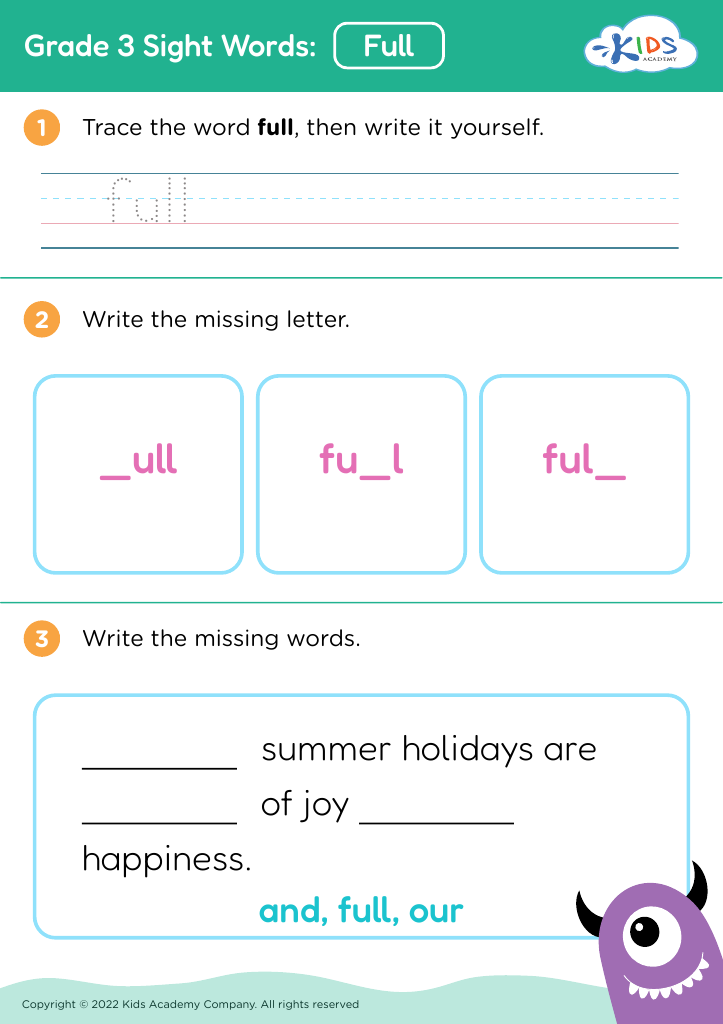
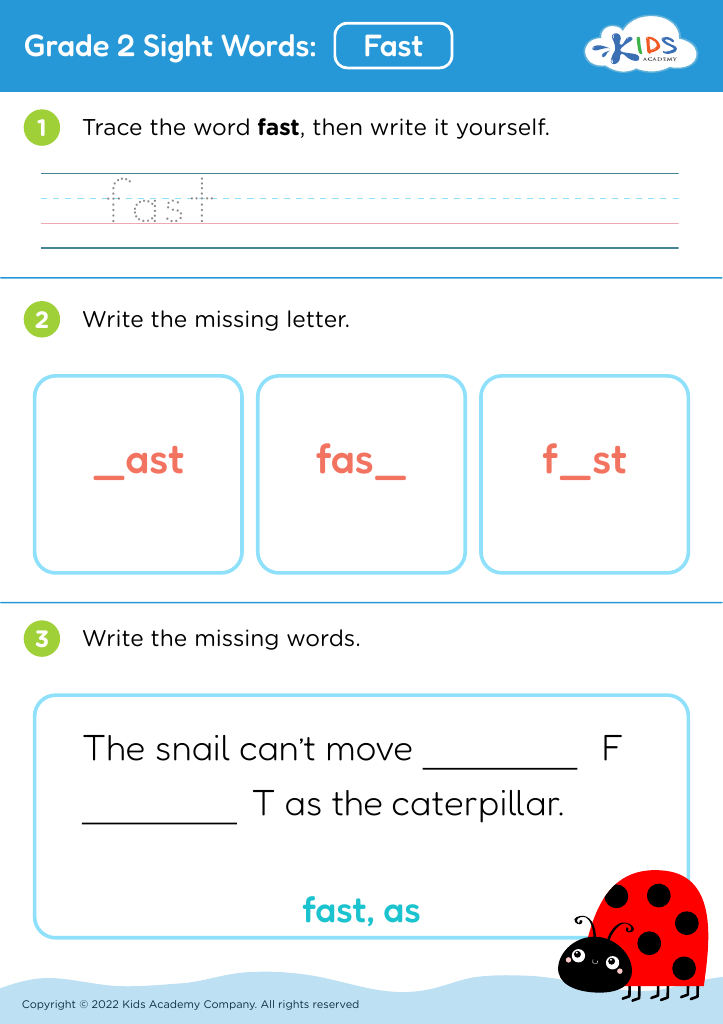








Parents and teachers should prioritize math problem-solving and vocabulary building for children ages 3-8 because these skills are fundamental to their overall development. Early math skills foster logical thinking, reasoning, and critical analysis, laying the groundwork for future academic success. When children engage in problem-solving, they learn to analyze situations, think creatively, and develop persistence.
Building vocabulary in conjunction with math is equally crucial. A robust vocabulary helps children understand and articulate mathematical concepts, such as "greater than," "fraction," or "sum." When they can verbalize their thought processes, they enhance their comprehension and are more inclined to explore complex ideas. Furthermore, this vocabulary building promotes communication skills, encourages peer interaction, and enriches discussions, making math a shared experience rather than an isolated task.
Additionally, strong math skills contribute to everyday life, empowering children in decision-making and promoting daily problem-solving habits. This foundational knowledge can foster positive attitudes toward math, reducing anxiety and building confidence. Ultimately, emphasizing math problem-solving and vocabulary development creates engaged, curious learners poised for future success. By nurturing these skills early, parents and teachers are preparing children not just for school, but for life.








