
Mathematical reasoning Building Vocabulary Worksheets for Ages 3-8
6 filtered results
Difficulty Level
Grade
Age
-
From - To
Subject
Activity
Standards
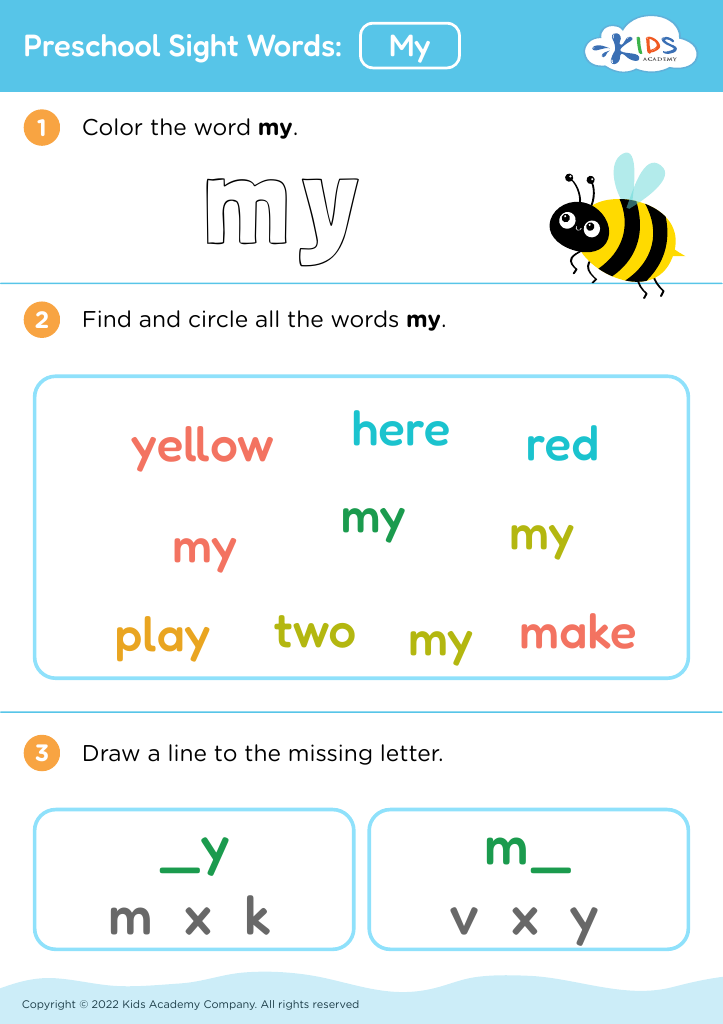
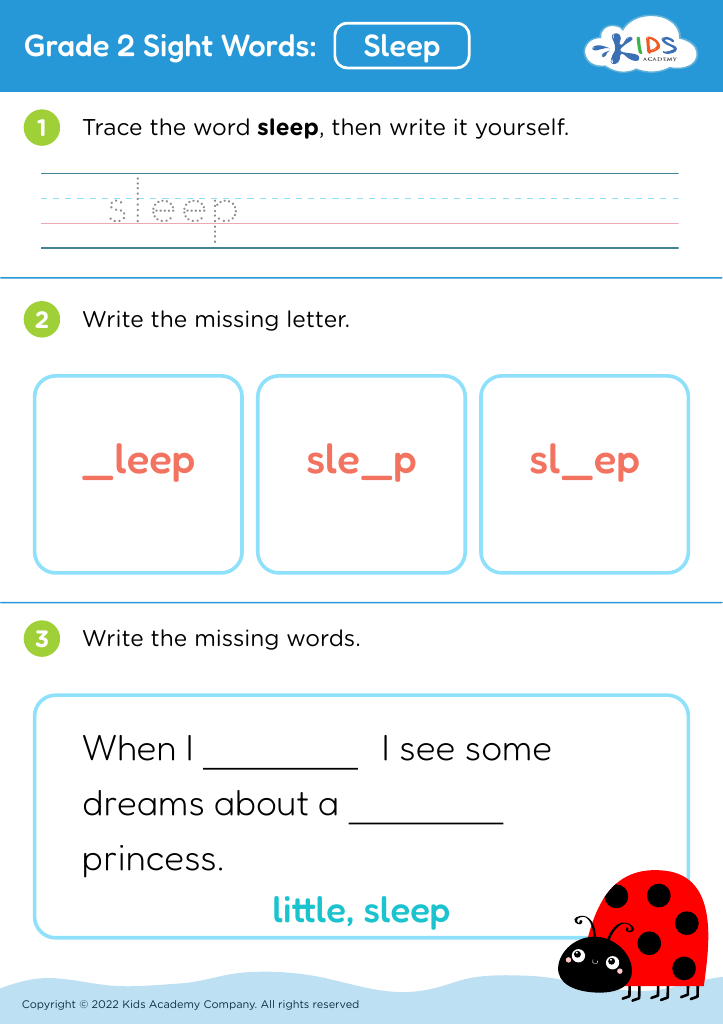
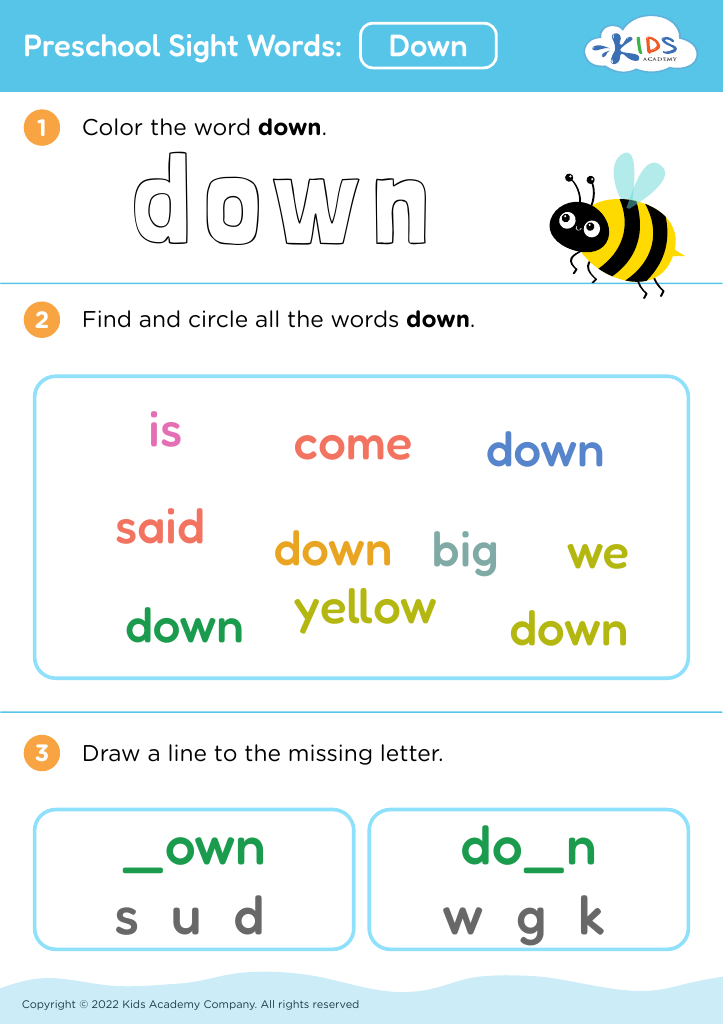
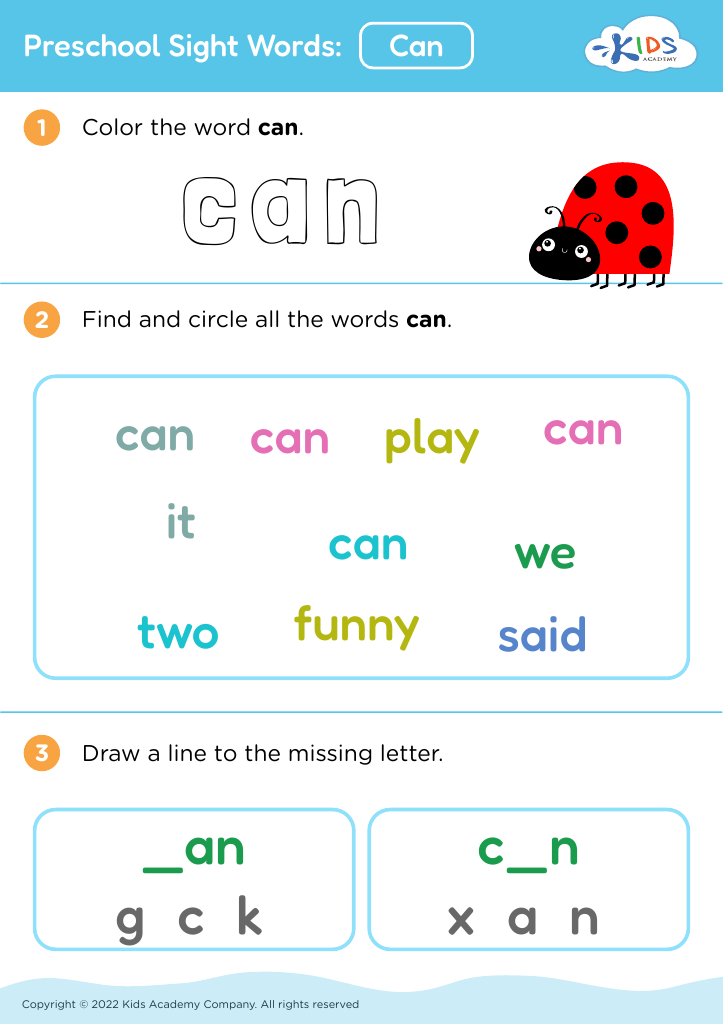
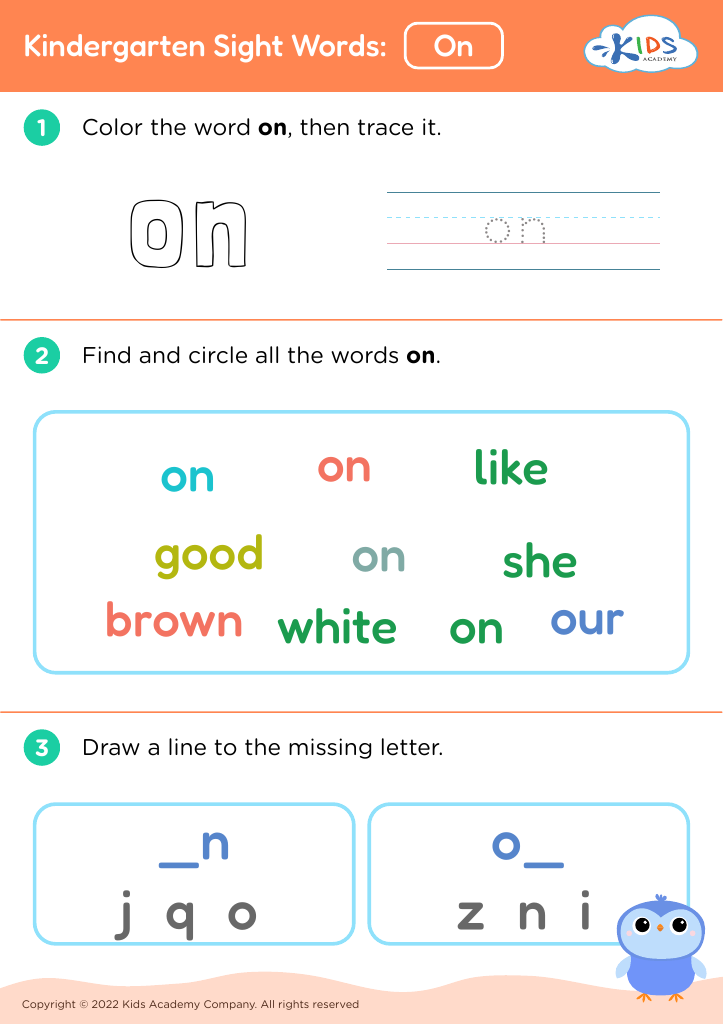
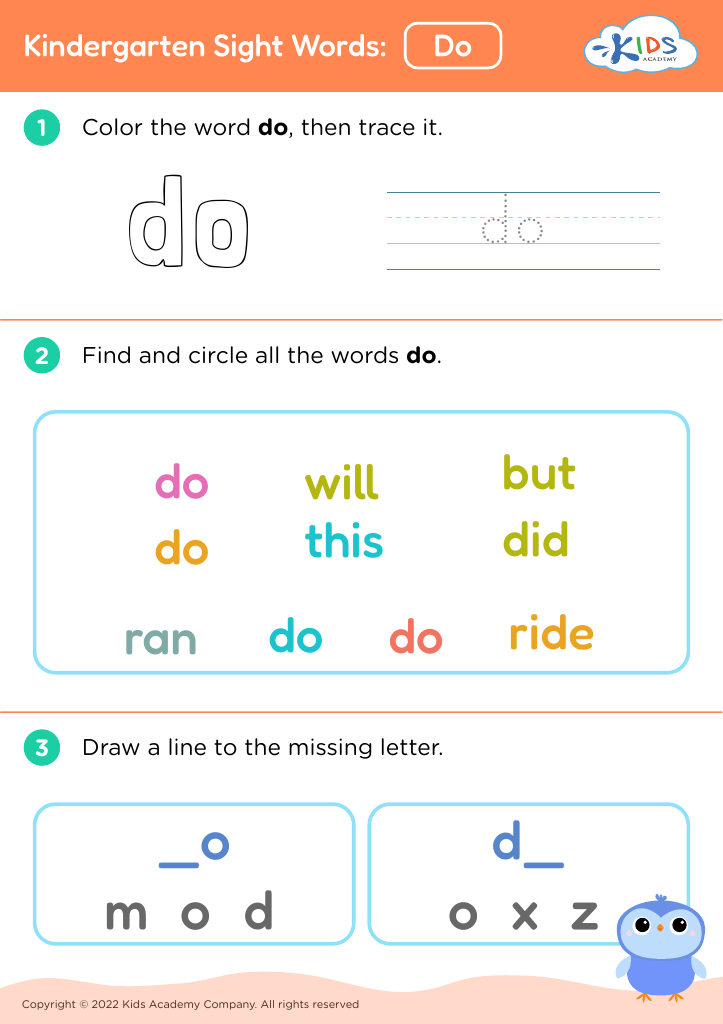
Unlock your child's potential with our Mathematical Reasoning Building Vocabulary Worksheets, specially designed for ages 3-8. These engaging and interactive worksheets help young learners develop critical math vocabulary and reasoning skills essential for future academic success. Featuring fun activities and exercises, our resources encourage children to explore mathematical concepts through relatable contexts. By integrating vocabulary building with foundational math, kids enhance their understanding and ability to articulate mathematical ideas confidently. These worksheets are perfect for both classroom settings and at-home learning experiences, creating a solid foundation for a lifelong love of math. Let your child embark on an exciting learning journey today!
Favorites
With answer key
Interactive











Join Kids Academy for Free
Who is primarily going to use this learning content?








Mathematical reasoning and vocabulary are foundational skills for children ages 3-8, forming the cornerstone for their future learning and problem-solving abilities. When parents and teachers prioritize mathematical reasoning, they are helping children develop critical thinking skills that enable them to understand and navigate the world around them. Mathematical reasoning includes recognizing patterns, understanding relationships, and making predictions, which are essential for everyday decision-making.
Additionally, building vocabulary related to math concepts is crucial. A rich mathematical vocabulary helps children articulate their thoughts, communicate ideas effectively, and grasp complex concepts more easily. It aids in reducing math anxiety and fosters a positive attitude toward learning. When children can express mathematical ideas, they're more likely to engage deeply in problem-solving activities and discussions.
By investing time in enhancing mathematical reasoning and vocabulary, parents and teachers not only support children's academic success but also equip them with essential life skills. These early experiences build confidence and encourage a love for learning that can last a lifetime. Therefore, it is vital that adults recognize the importance of fostering these skills during the pivotal ages of 3-8 to support holistic development.








