Number identification Building Vocabulary Worksheets for Ages 3-8
5 filtered results
-
From - To
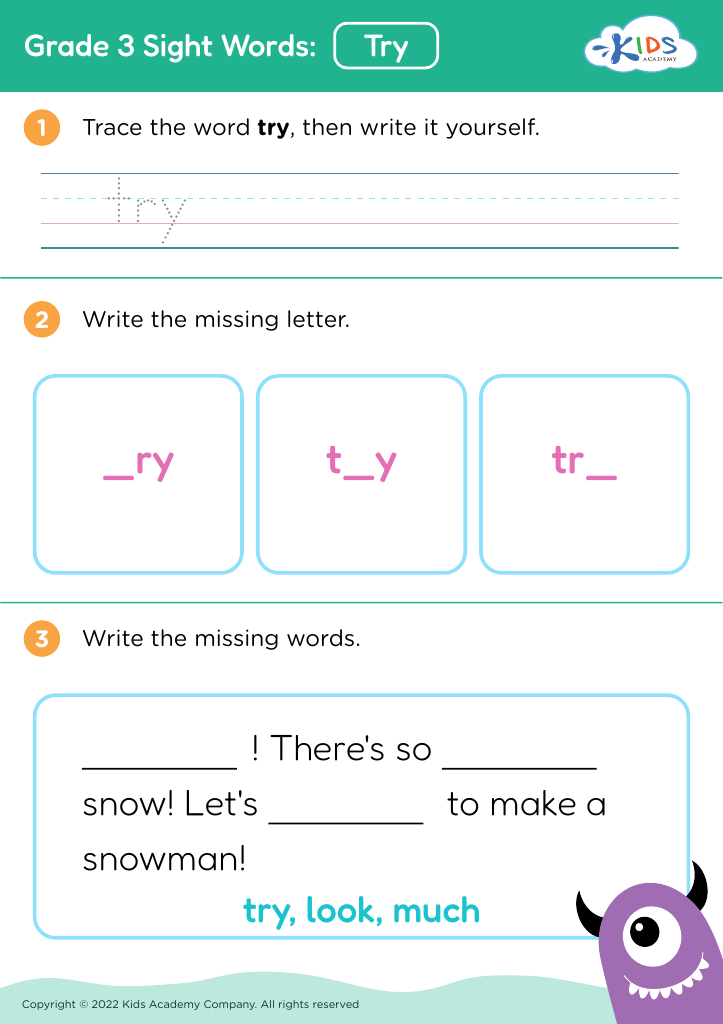
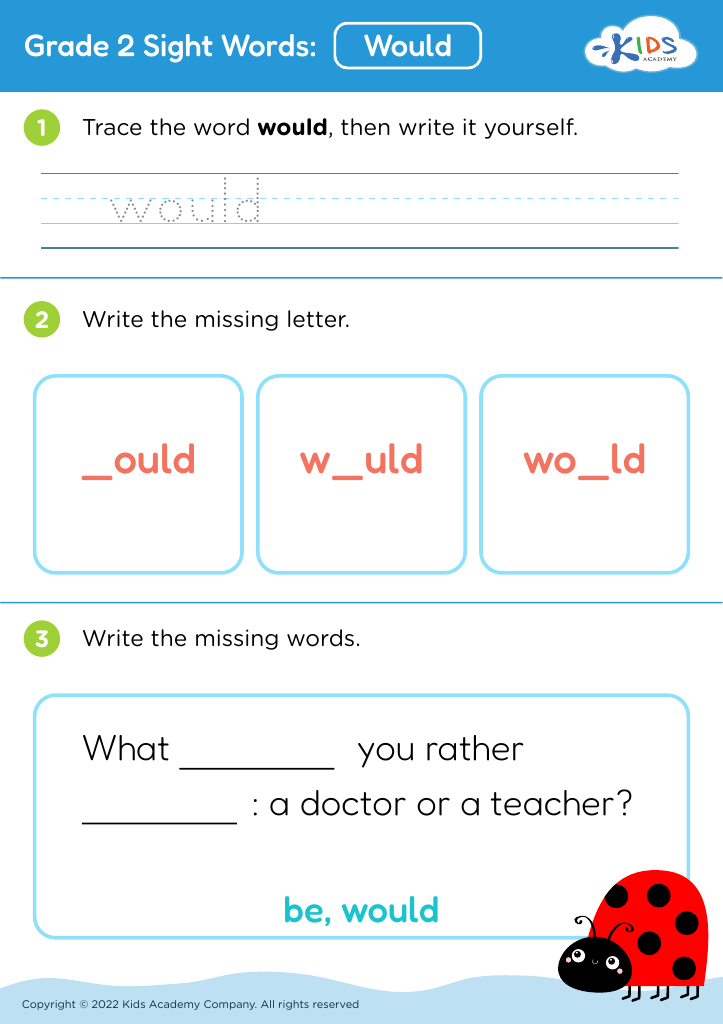
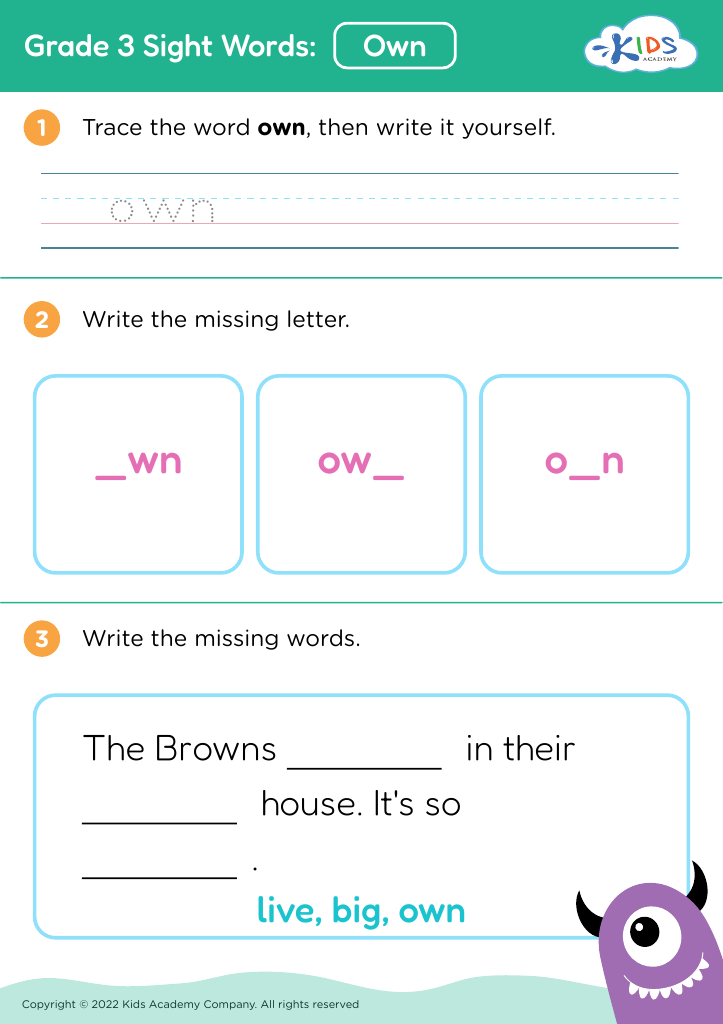
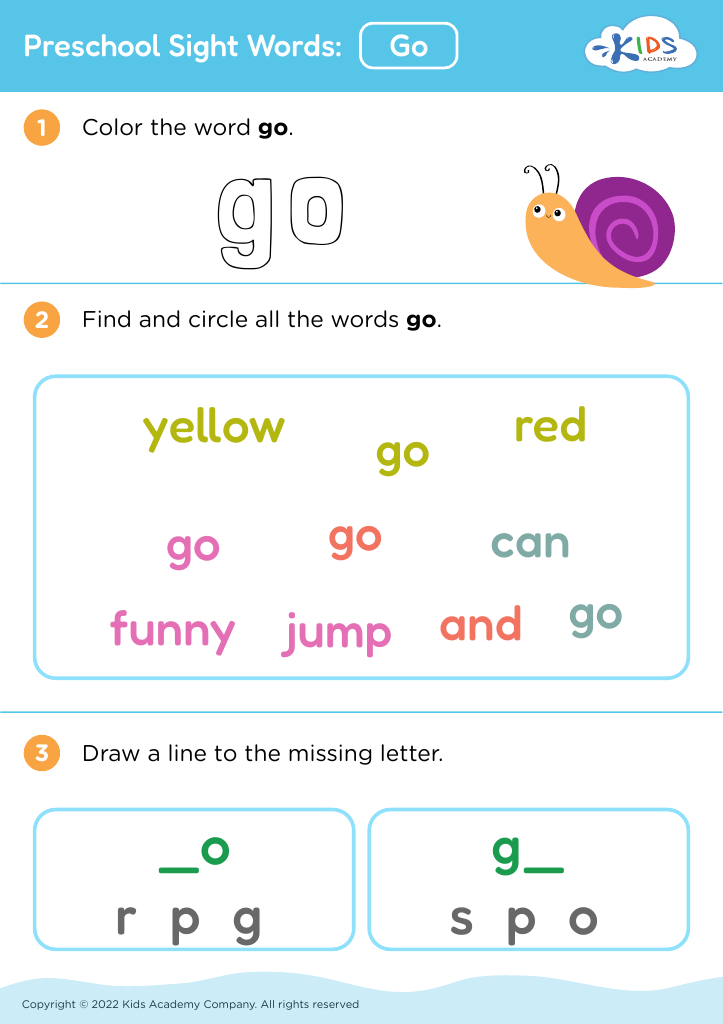
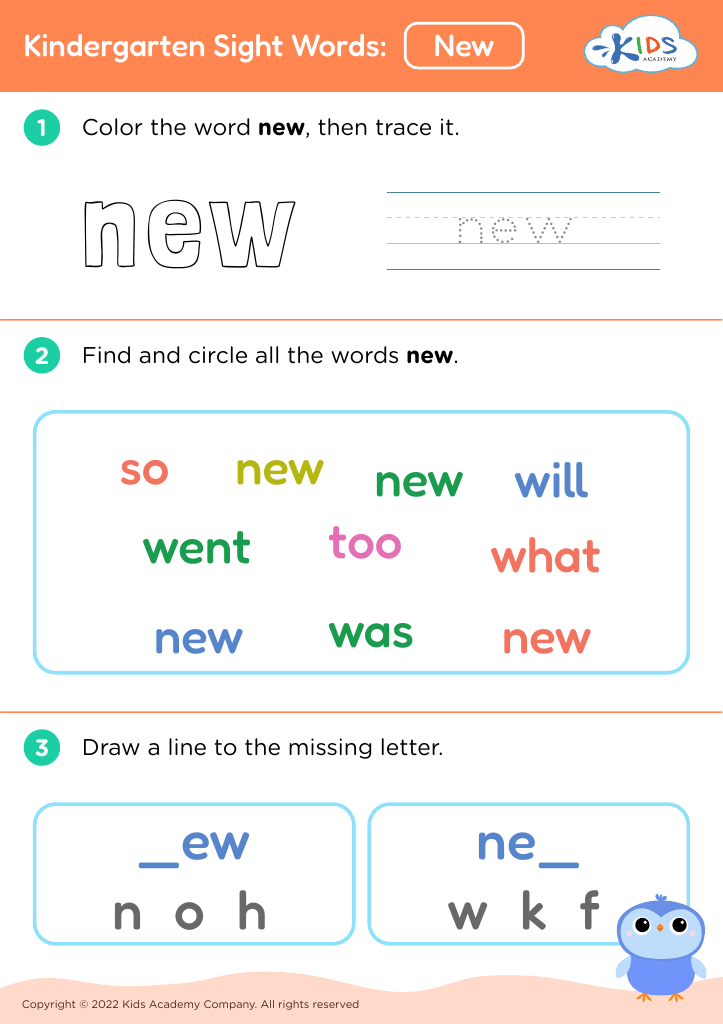
Discover our engaging Number Identification Building Vocabulary Worksheets, designed for children ages 3-8! These interactive resources help young learners strengthen their number recognition skills while enhancing their vocabulary. Each worksheet includes colorful visuals and fun activities that capture children's attention and make learning enjoyable. By exploring numbers in various contexts, kids will develop essential cognitive skills and boost their confidence. Perfect for preschool, kindergarten, and early elementary classrooms, these worksheets can be used as homework, independent practice, or group activities. Equip your child with a solid foundation in numeracy and language through our thoughtfully crafted materials! Download now and watch your child thrive!
















.jpg)


Number identification and vocabulary building are crucial elements in early childhood education, particularly for children aged 3-8. During these formative years, children develop foundational skills that will support their learning throughout life. Understanding numbers is essential as it lays the groundwork for math skills, critical thinking, and problem-solving abilities. When children can recognize and understand numbers, they gain confidence in their ability to navigate math-related tasks, which can positively impact their overall academic performance.
Building vocabulary is equally important as it enhances language skills, improves comprehension, and fosters communication. A rich vocabulary allows children to express their thoughts and ideas clearly, facilitating better interactions with peers and adults. Moreover, vocabulary growth is linked to literacy development, enabling children to successfully decode words and grasp more complex texts.
When parents and teachers prioritize number identification and vocabulary building, they contribute to a child's cognitive, social, and emotional development. Engaging children in playful and meaningful activities that promote these skills creates a solid foundation for lifelong learning. Overall, investing in these early educational experiences equips children with the tools they need for future success in both academics and everyday life.








