Vocabulary enhancement Building Vocabulary Worksheets for Ages 3-8 - Page 4
80 filtered results
-
From - To
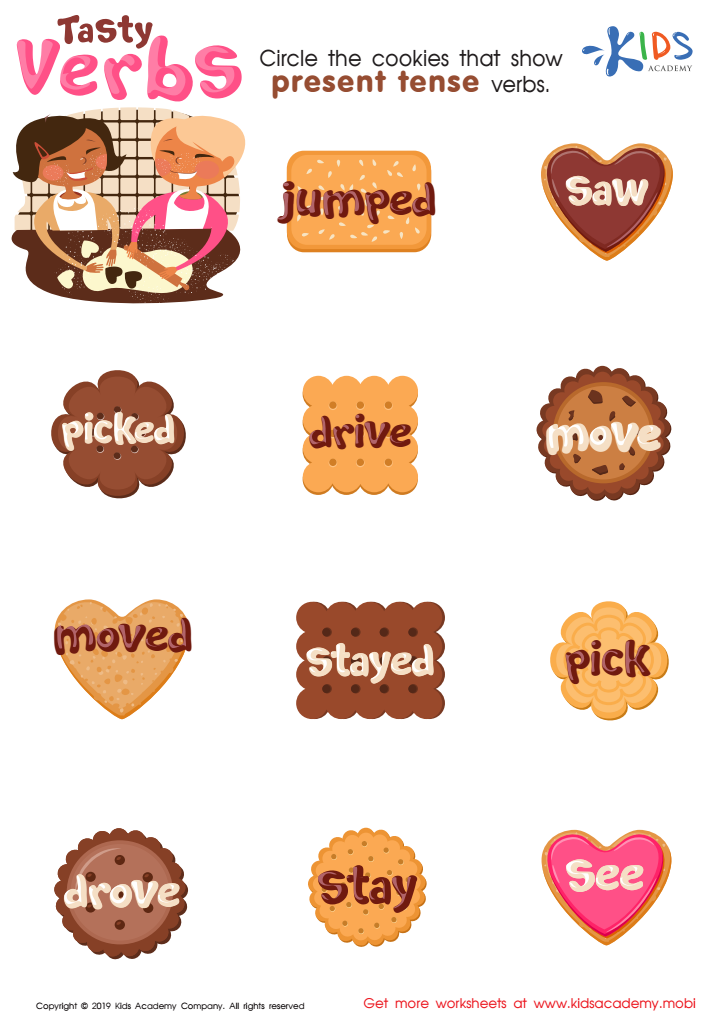
Tasty Verbs Worksheet
 Assign to My Students











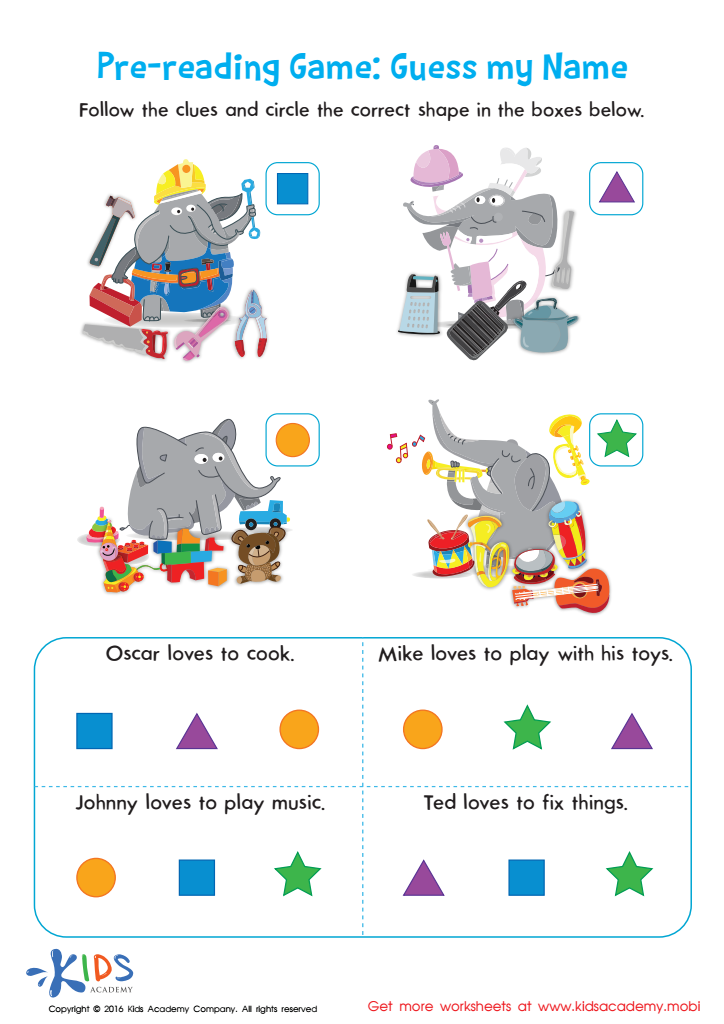
Pre Reading Worksheet Guess My Name
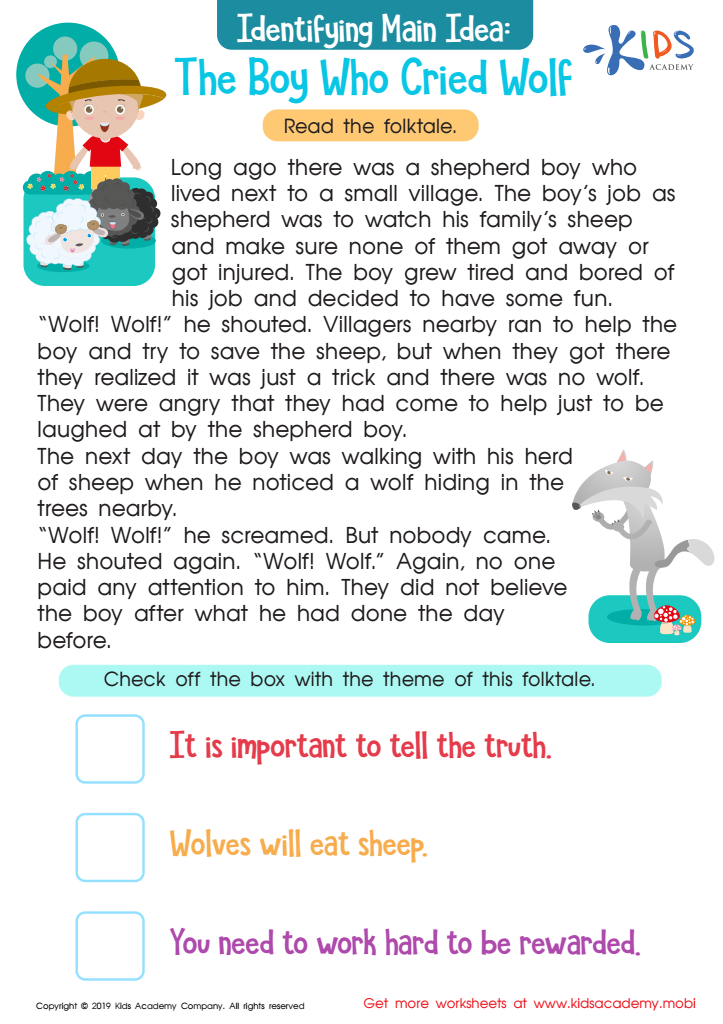
The Boy Who Cried Wolf Part 2 Worksheet
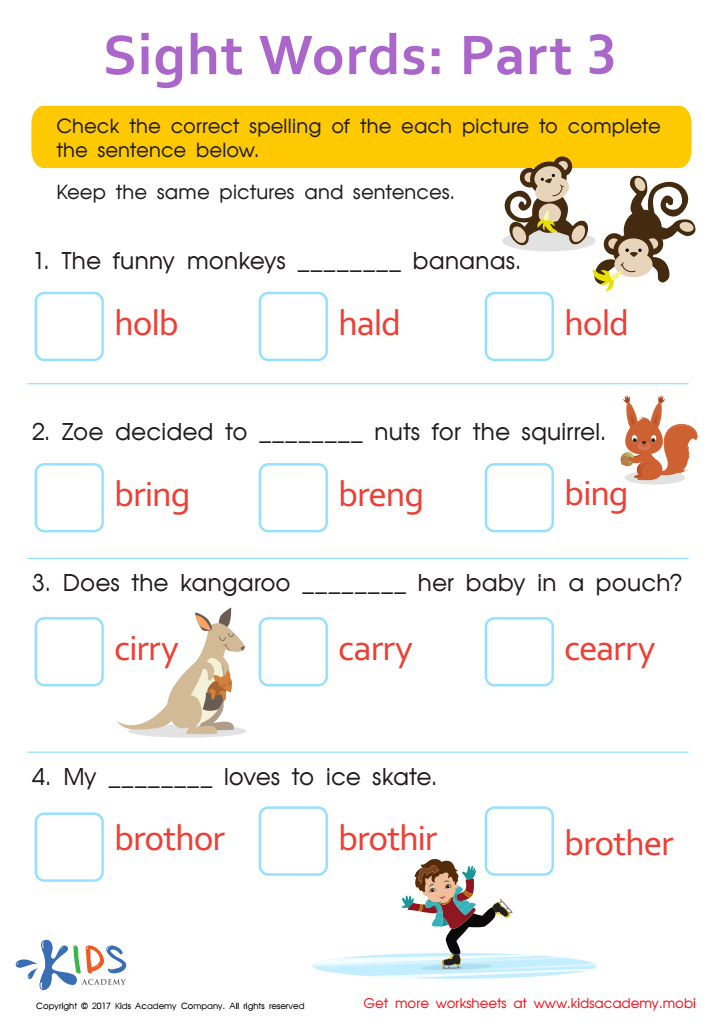
Hold, Bring, Carry, Brother Sight Words Worksheet
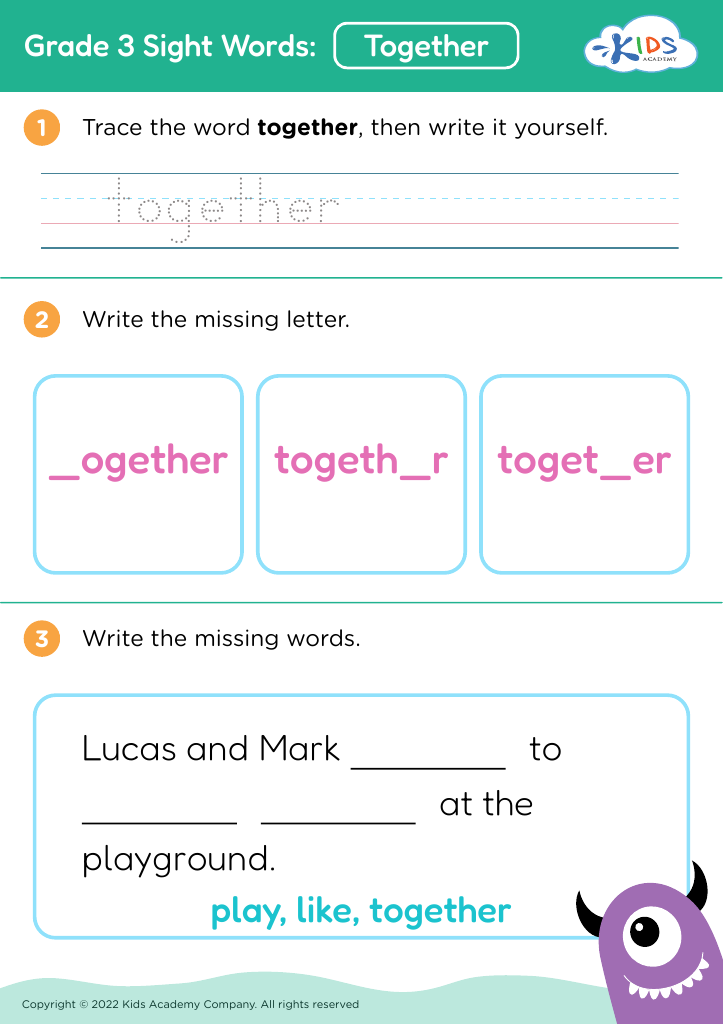
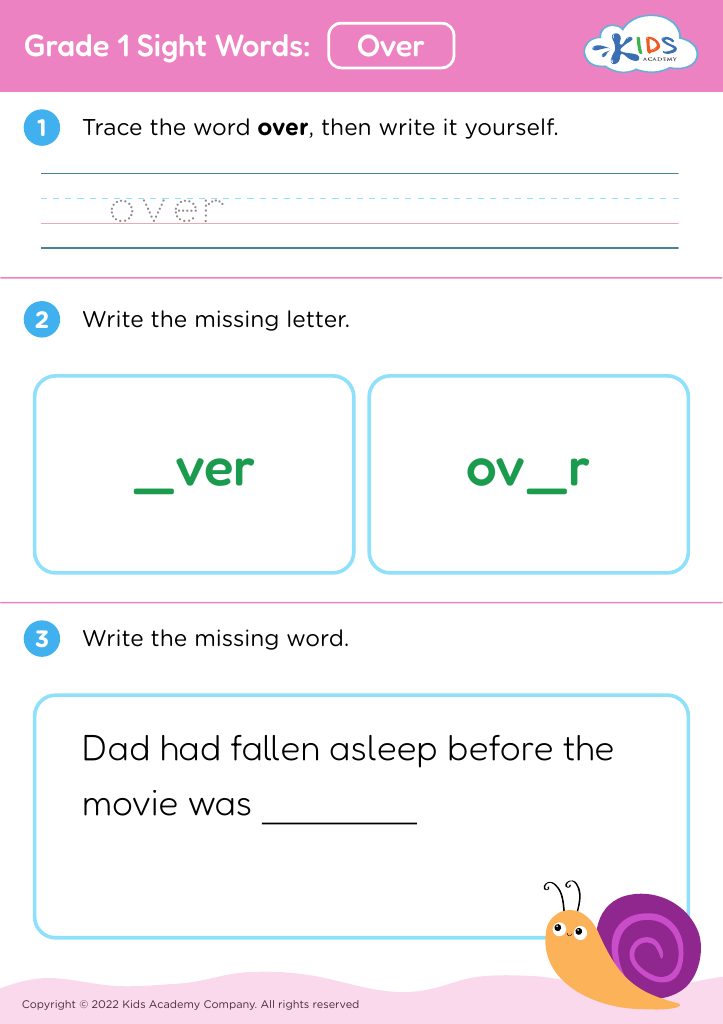
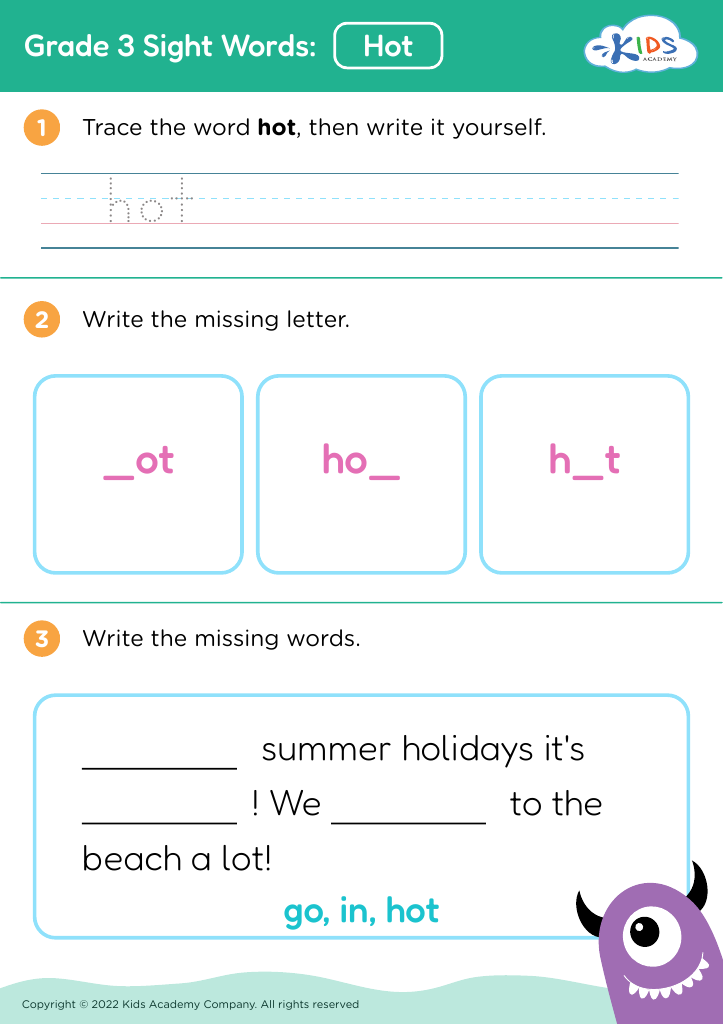
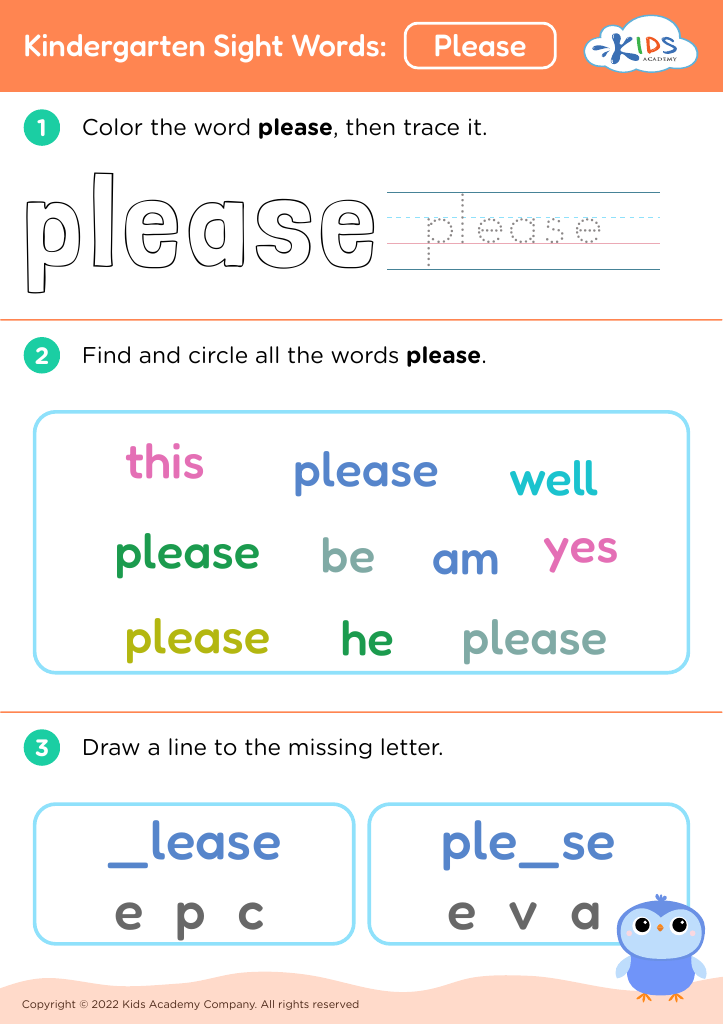







Vocabulary enhancement is crucial for children aged 3-8 because this is a formative period in their language development. Expanding vocabulary supports cognitive growth, which lays the groundwork for reading and academic success later in life. Research shows that a strong vocabulary correlates with better reading comprehension and literacy skills. When children know more words, they can better understand and express their thoughts and feelings, enhancing their communication skills.
Parents and teachers play a vital role in providing rich linguistic environments. Engaging activities, such as storytelling, singing, and interactive play, expose children to new words naturally. Encouraging conversations and asking open-ended questions stimulates curiosity and helps children practice using new vocabulary in context.
Moreover, vocabulary development relates to social-emotional learning. A well-developed vocabulary enables children to articulate their emotions and navigate social interactions more effectively, boosting their confidence and interpersonal skills. Ultimately, investing in vocabulary enhancement from a young age cultivates lifetime learners equipped with the skills necessary to thrive academically and socially. Thus, parents and teachers should prioritize vocabulary enhancement to lay a strong foundation for children's future learning and personal growth.








