Number identification Reading Worksheets for Ages 3-8
6 filtered results
-
From - To
Explore our engaging number identification reading worksheets, designed specifically for children ages 3-8! These worksheets promote early math skills while making learning fun and interactive. Our resources emphasize number recognition, helping young learners build a strong foundation in numeracy. Each worksheet features colorful illustrations and entertaining activities that capture children's interest and encourage participation. Designed to complement preschool and early elementary curriculums, these materials help develop critical thinking, fine motor skills, and number identification abilities. With varied activities suited for every learning style, our number identification reading worksheets make math a joyful adventure for little learners! Start their numerical journey today!
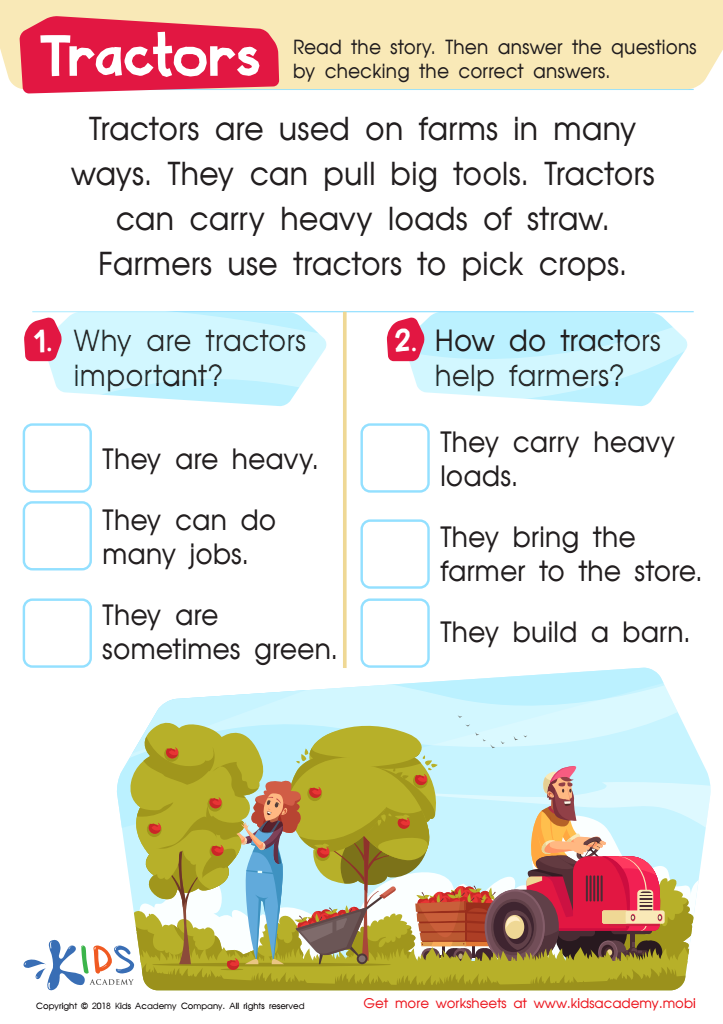
Tractors Worksheet
 Assign to My Students
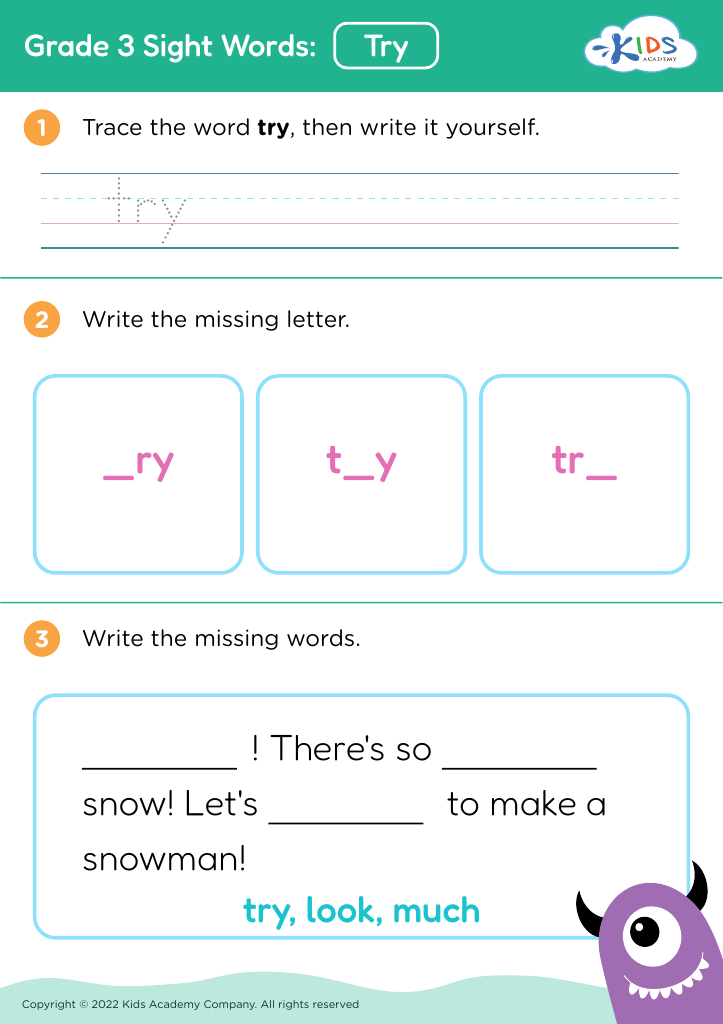
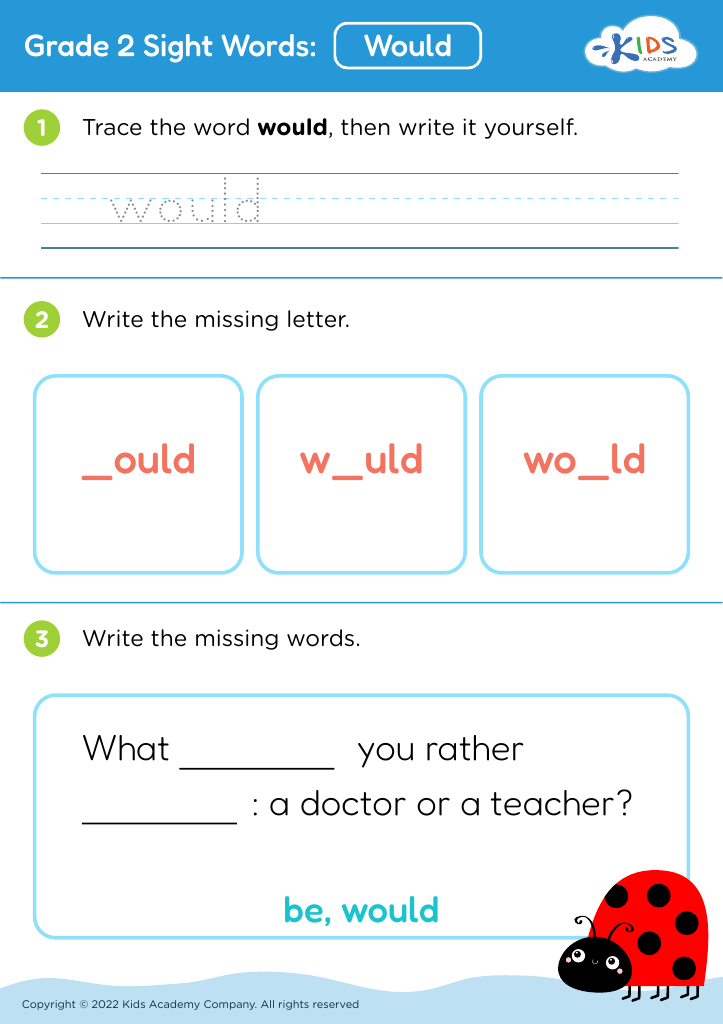
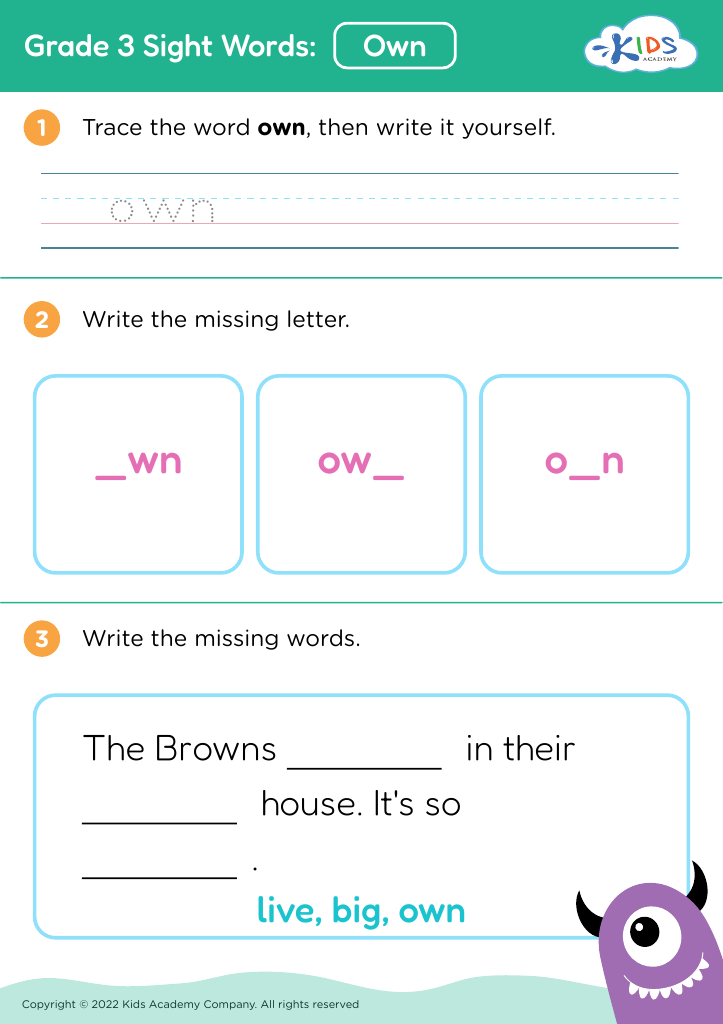







Number identification is a crucial skill for children aged 3-8 as it serves as the foundation for future mathematical understanding and problem-solving abilities. By identifying numbers, children develop the ability to recognize quantities, understand basic arithmetic, and make sense of their environment through numerical understanding. For parents and teachers, fostering number identification is essential for several reasons.
Firstly, early mastery of number identification enhances children's confidence in math, making them more likely to engage positively with the subject as they grow older. It also promotes cognitive development, as children learn to categorize, sequence, and connect ideas.
Secondly, number identification plays a vital role in everyday life. Understanding numbers helps children navigate the world around them, from reading timetables to managing money and time.
Additionally, this skill bolsters critical thinking and reasoning, as children learn to apply their number knowledge in various contexts.
By paying attention to number identification, parents and teachers can create enriching experiences that support not only mathematical skills but also social-emotional growth, encouraging a love for learning and preparing children for academic success. Engaging activities, games, and daily interactions can significantly nurture this crucial skill in young learners.








