
Understanding patterns Reading Worksheets for Ages 3-8
8 filtered results
Difficulty Level
Grade
Age
-
From - To
Subject
Activity
Standards
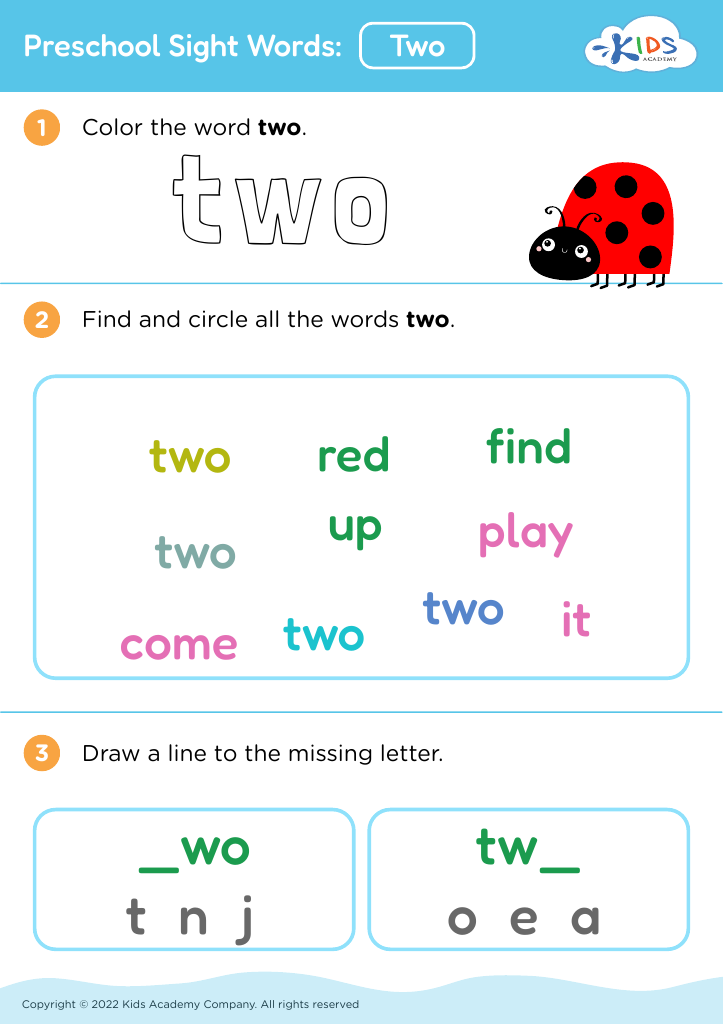
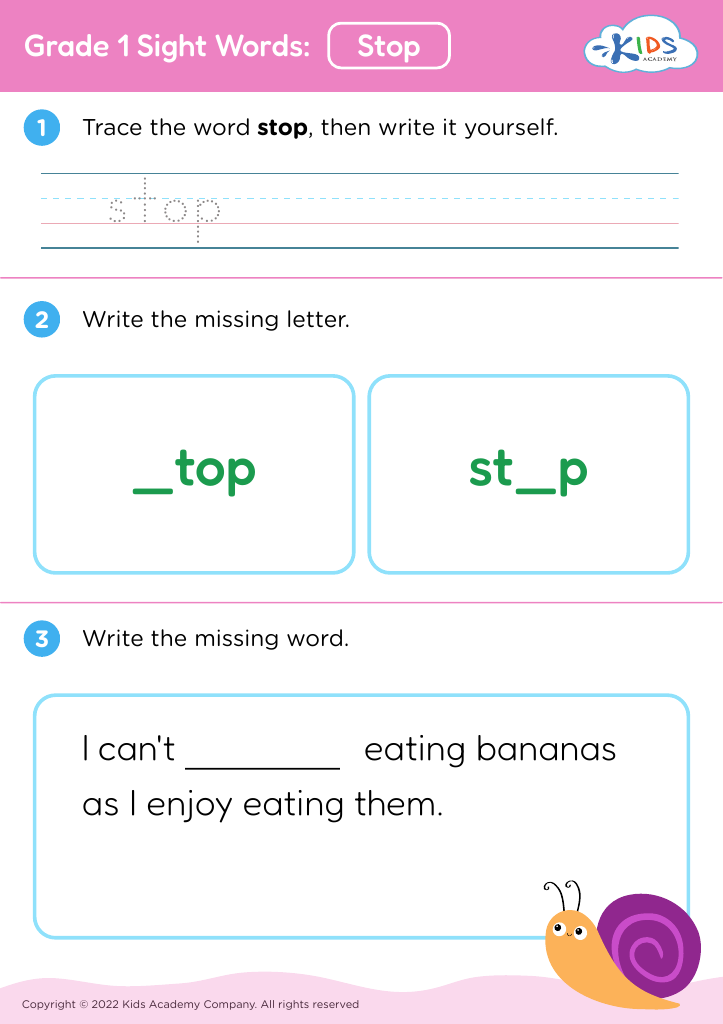
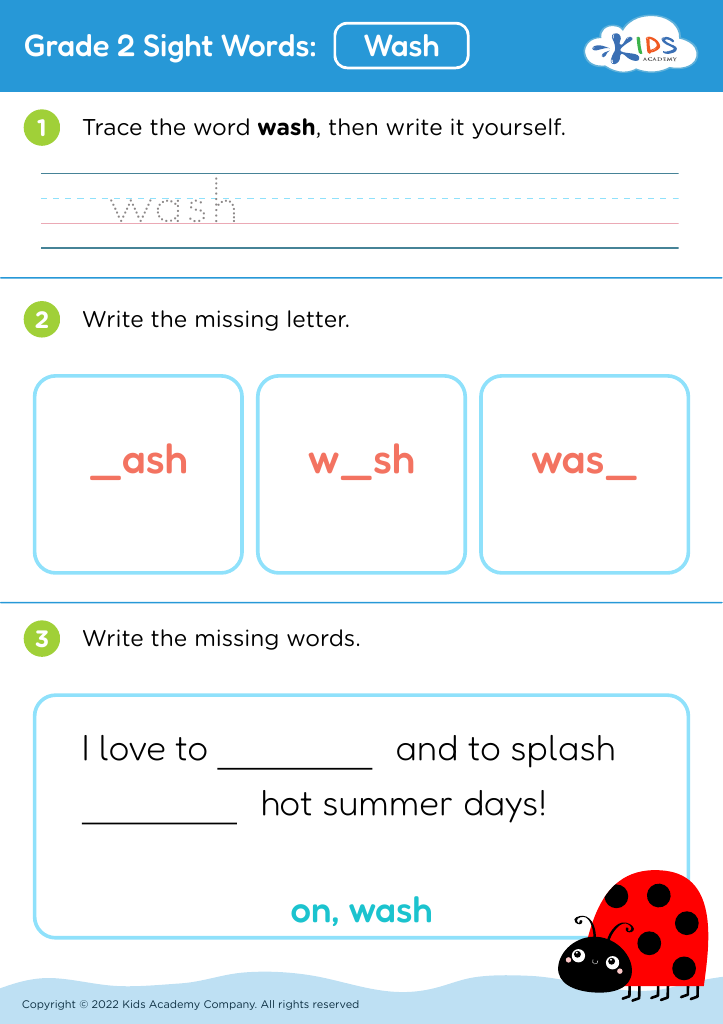
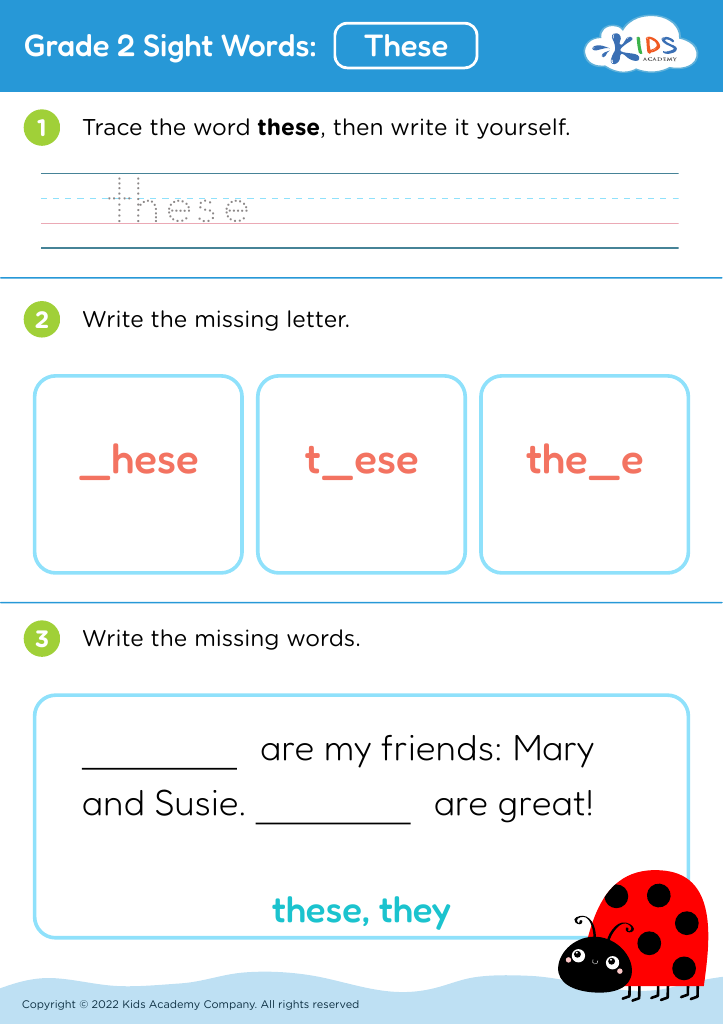
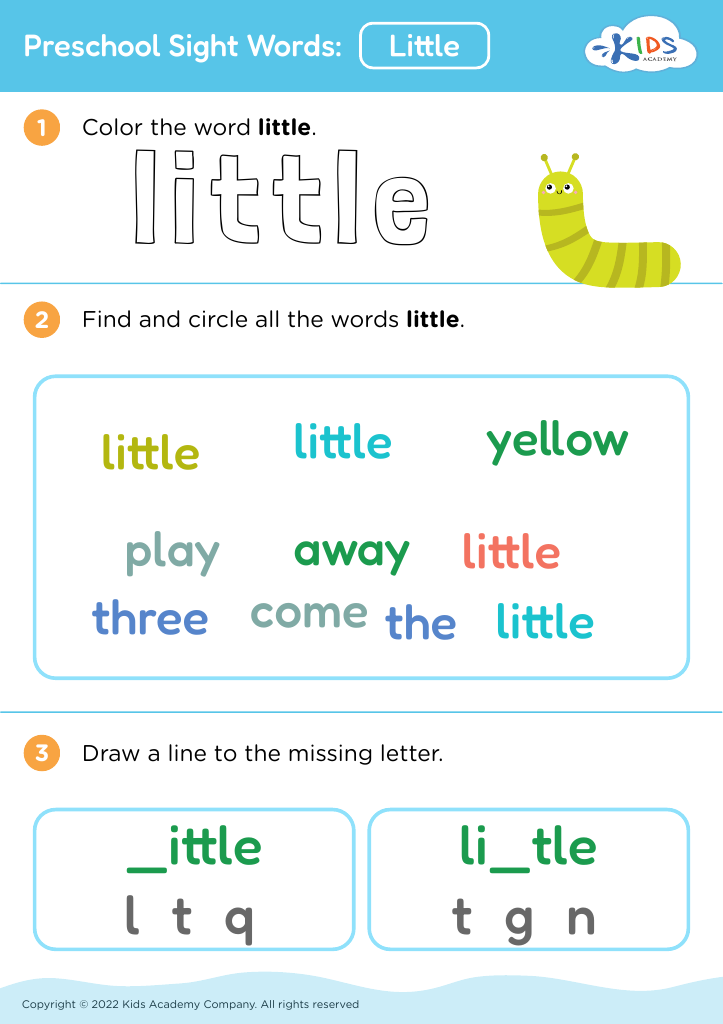
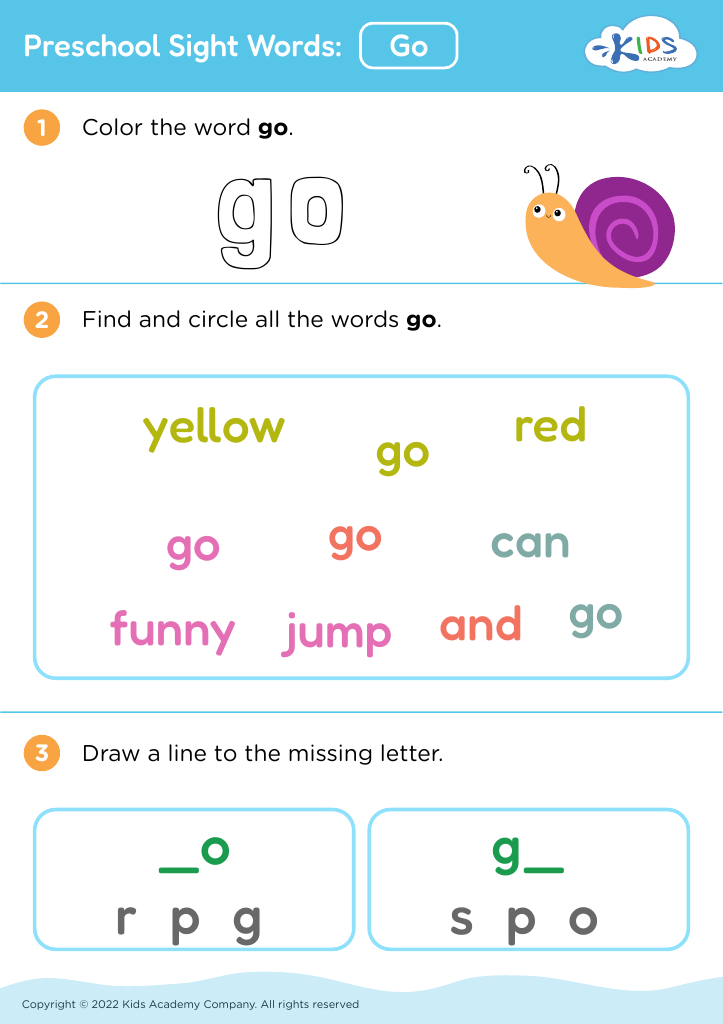
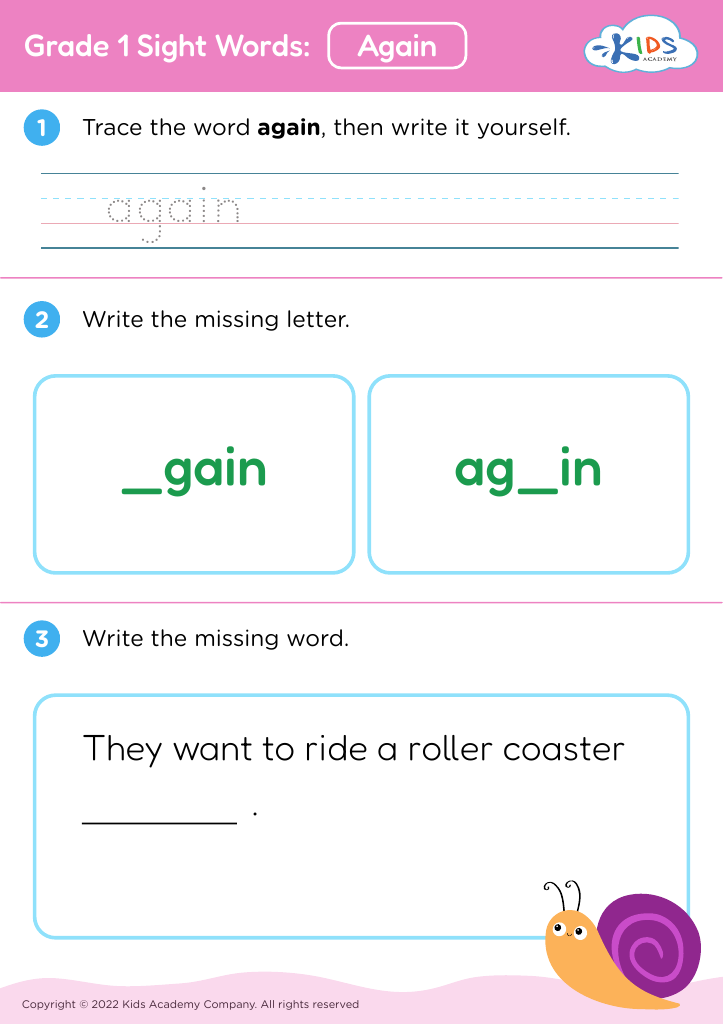
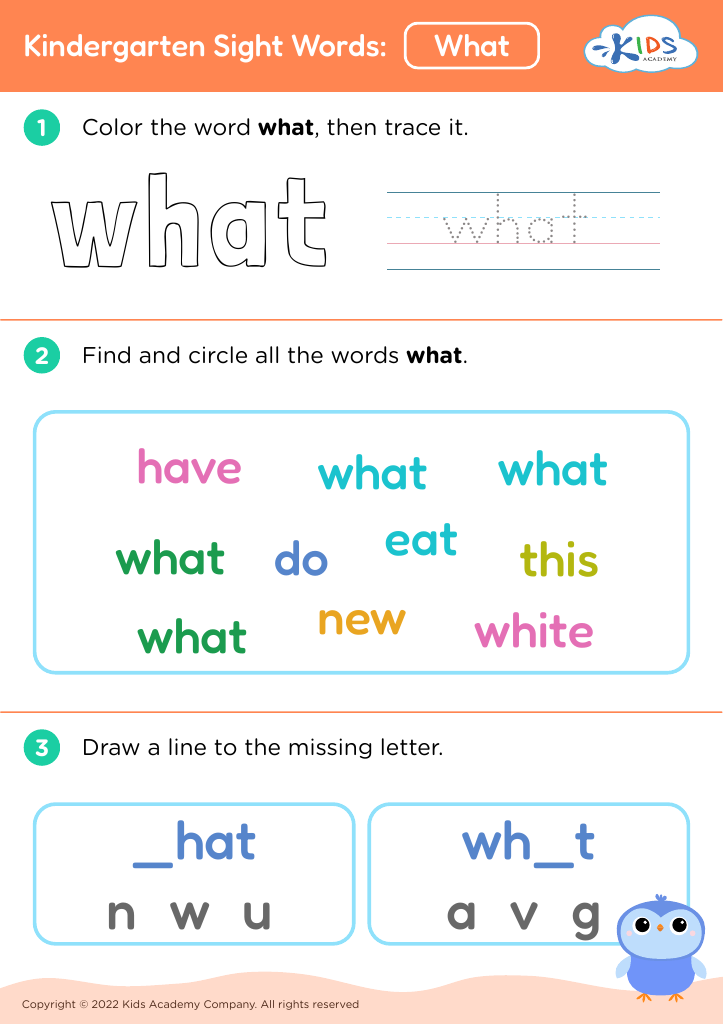
Explore our "Understanding Patterns Reading Worksheets" designed for children ages 3-8 to enhance their reading skills through engaging patterns! Our carefully crafted worksheets help young learners identify, create, and understand patterns, laying a strong foundation for reading comprehension and critical thinking. Each worksheet features vibrant illustrations and fun activities that capture children's interest, making learning enjoyable. By practicing pattern recognition, kids will develop essential skills necessary for decoding words, recognizing sequences, and improving fluency. Perfect for homeschooling or classroom settings, our worksheets provide a delightful and effective way to boost literacy and cognitive skills in young readers. Get started today!
Favorites
With answer key
Interactive
Join Kids Academy for Free
Who is primarily going to use this learning content?







Understanding patterns in reading is crucial for children aged 3-8, as it lays the foundation for their literacy skills. Children who can recognize and predict patterns in texts are better equipped to comprehend stories and decode new words. Patterns can take shape through characters, repeated phrases, rhythms, sounds, and structures within a story.
Parents and teachers should pay attention to this skill because it promotes critical thinking and enhances a child's memory retention, making reading a more engaging and enjoyable experience. When children recognize familiar patterns, they gain confidence in their reading abilities, fostering a love for literature and encouraging them to explore more complex texts as they grow.
Moreover, understanding patterns also supports broader cognitive development. It teaches children to make connections, discern relationships between ideas, and improve their problem-solving skills—valuable tools they will carry beyond the classroom.
By nurturing this skill through interactive reading activities, discussions, and targeted exercises, parents and teachers can empower children to become independent readers who appreciate storytelling, setting the stage for lifelong learning. In a world where reading opens doors to knowledge, emphasizing pattern recognition is pivotal for academic success and overall development.








