Critical thinking development Reading Fiction Worksheets for Ages 3-8
4 filtered results
-
From - To
Our "Critical Thinking Development Reading Fiction Worksheets" for ages 3-8 are designed to make learning engaging and fun. These worksheets encourage children to think deeply about stories, meaningfully engage with text, and develop essential critical thinking skills. Through exercises like prediction, character analysis, and problem-solving scenarios, kids enhance their comprehension and analytical abilities. Perfect for both classroom and at-home learning, our expertly crafted activities help young readers not just absorb information, but interact with it thoughtfully. Give your child a head start on lifelong learning skills with our playful and educational resources!
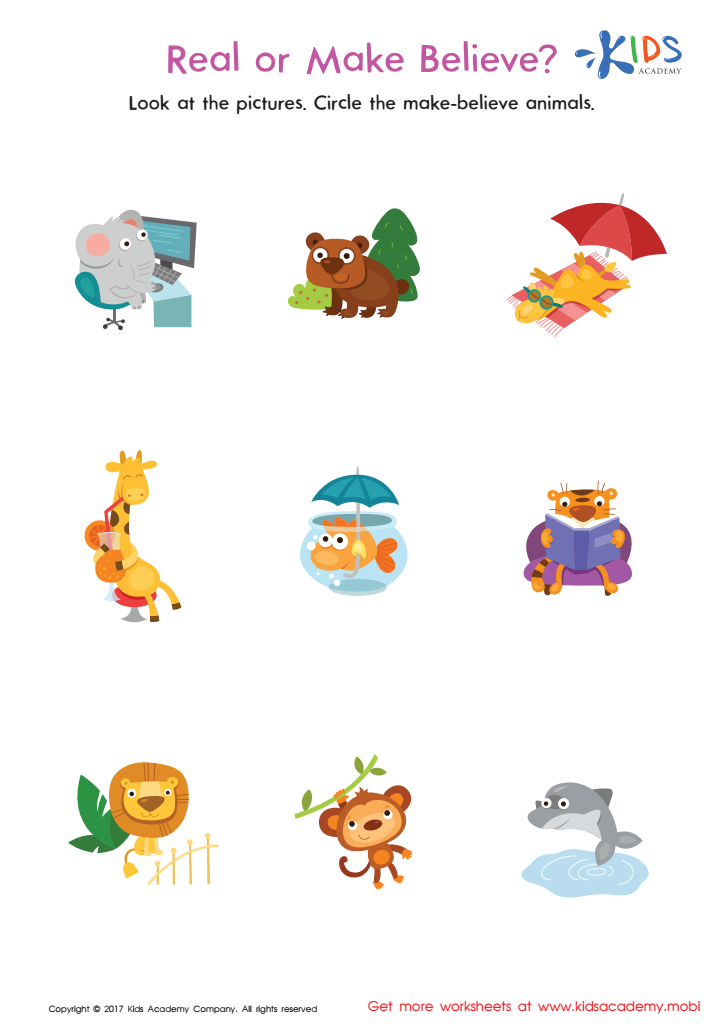
Fact or Make Believe Worksheet
 Assign to My Students
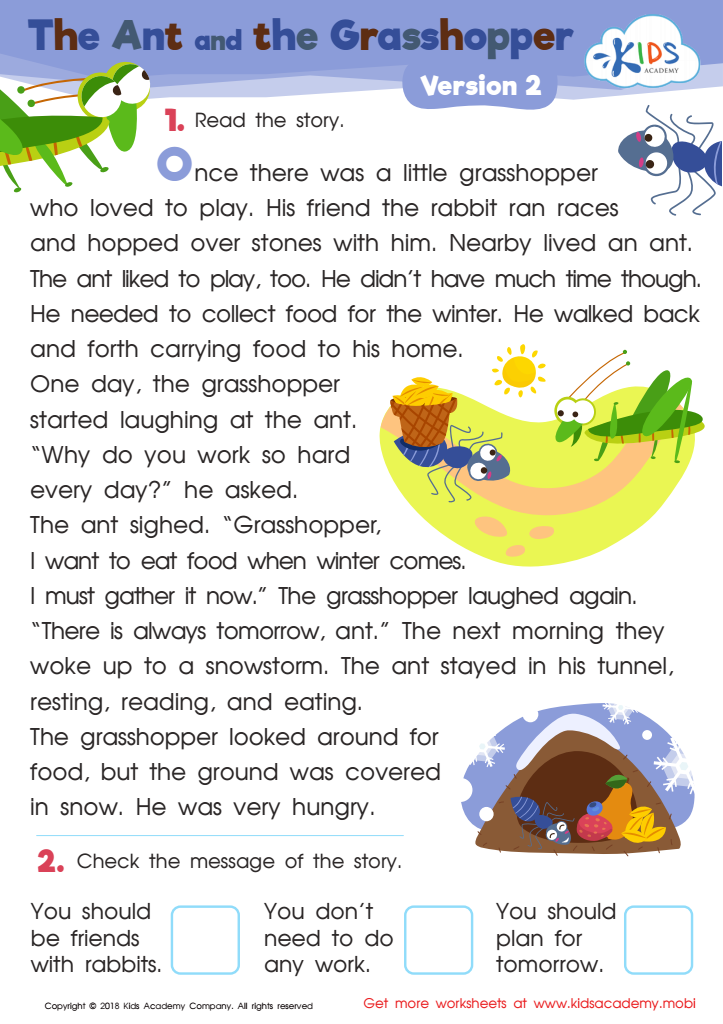
The Ant and The Grasshopper Version 2 Worksheet
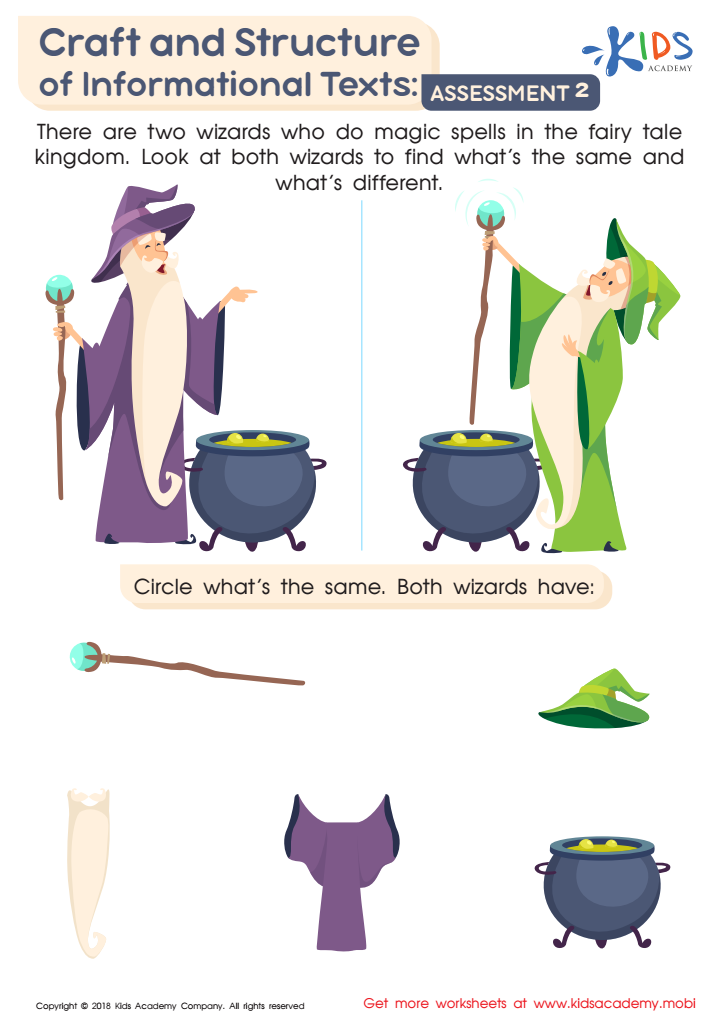
Craft and Structure of Informational Texts: Assessment 2 Worksheet
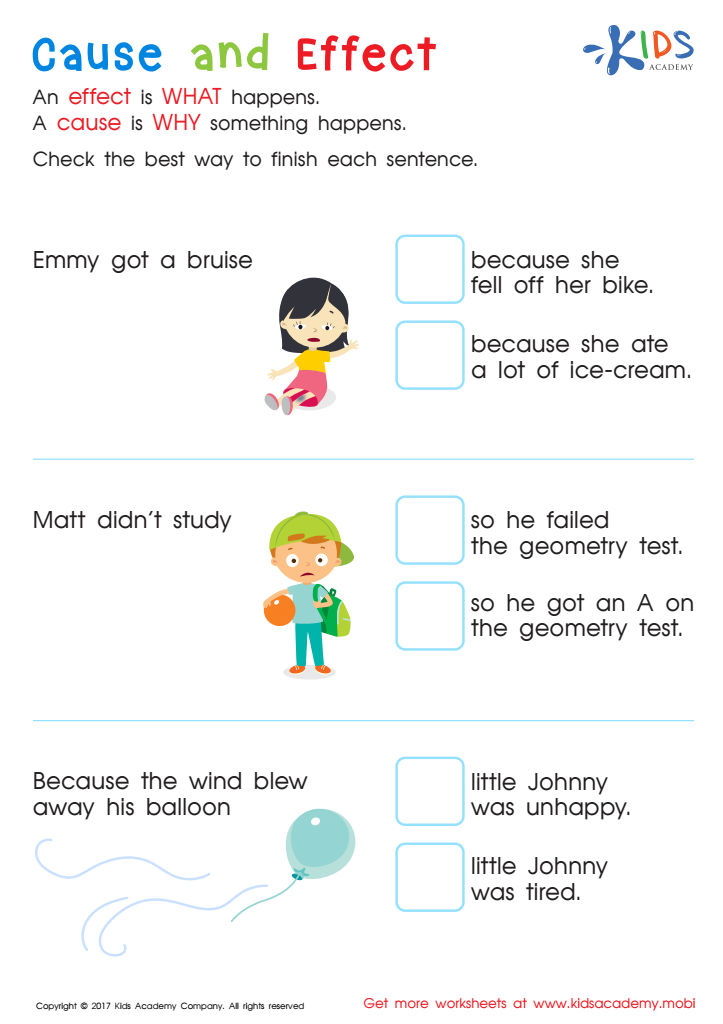
Cause and Effect Worksheet








Critical thinking development in young children, especially through reading fiction, is pivotal for their cognitive and social growth. For children aged 3-8, engaging with fiction can spark imagination and curiosity, laying the foundation for critical thinking skills. These stories often present characters in various situations, prompting children to ask questions, predict outcomes, and contemplate different perspectives.
When parents and teachers prioritize reading fiction, they help children develop the ability to analyze and evaluate information. This is crucial for problem-solving and decision-making, skills that are vital throughout life. Through fiction, children learn to make inferences, recognize cause and effect, and understand the concept of considering multiple viewpoints before forming an opinion.
Fiction also introduces complex emotions and ethical dilemmas in a format that is accessible and interesting to young minds. Encountering different scenarios in stories allows children to explore moral questions and develop empathy, enhancing their emotional intelligence alongside critical thinking.
Moreover, the interactive discussions that naturally arise from reading stories together amplify these benefits. Parents and teachers can guide the conversation, ask open-ended questions, and encourage children to think deeply about the narrative, further reinforcing these essential skills. Investing in fiction reading is therefore a key strategy for shaping thoughtful, empathetic, and innovative thinkers from a young age.








