Enhancing Reading Comprehension Reading Non-Fiction Worksheets for Ages 3-8
4 filtered results
-
From - To
Welcome to our collection of "Enhancing Reading Comprehension Reading Non-Fiction Worksheets" designed specifically for children aged 3-8. These engaging and age-appropriate worksheets aim to develop critical reading skills while fostering a love for learning about the world around them. Featuring diverse nonfiction topics, each worksheet provides interactive activities that stimulate comprehension, critical thinking, and vocabulary development. Whether at home or in the classroom, these resources are perfect for enhancing reading abilities and encouraging curiosity in young learners. Start your child's journey to becoming a confident reader today with our fun and educational worksheets!
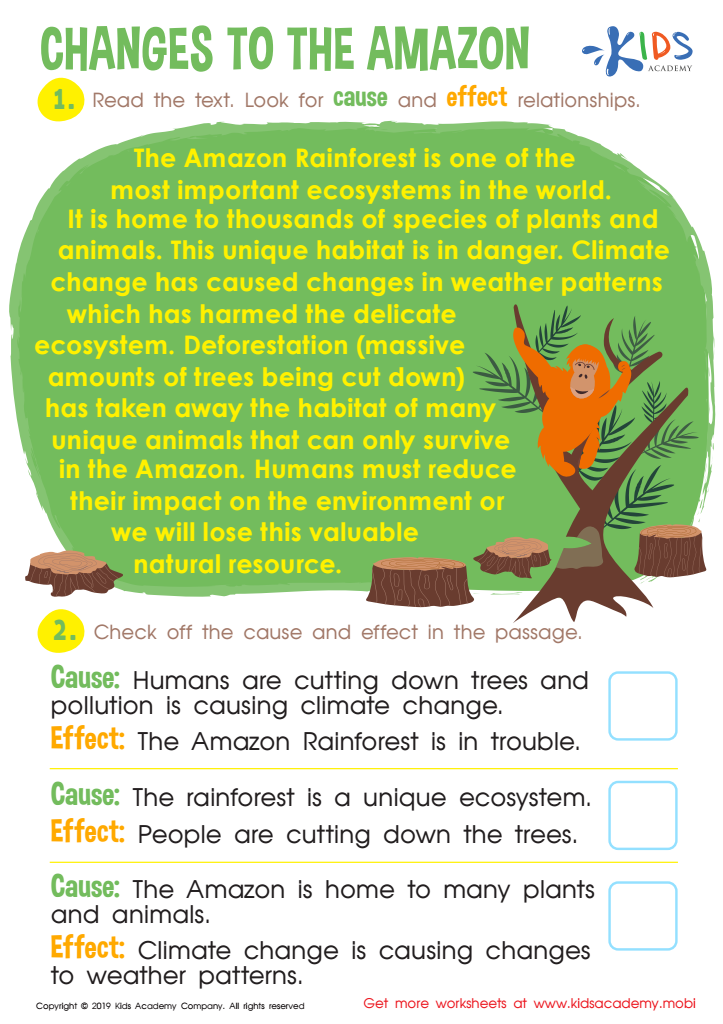
Changes to the Amazon Worksheet
 Assign to My Students
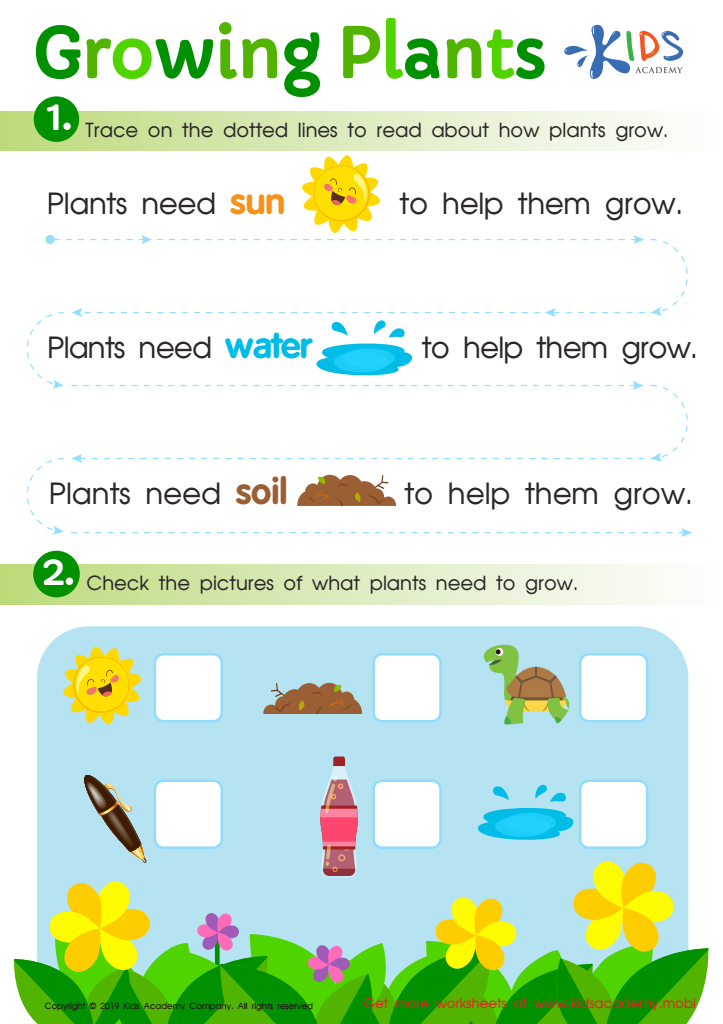
Growing Plants Worksheet
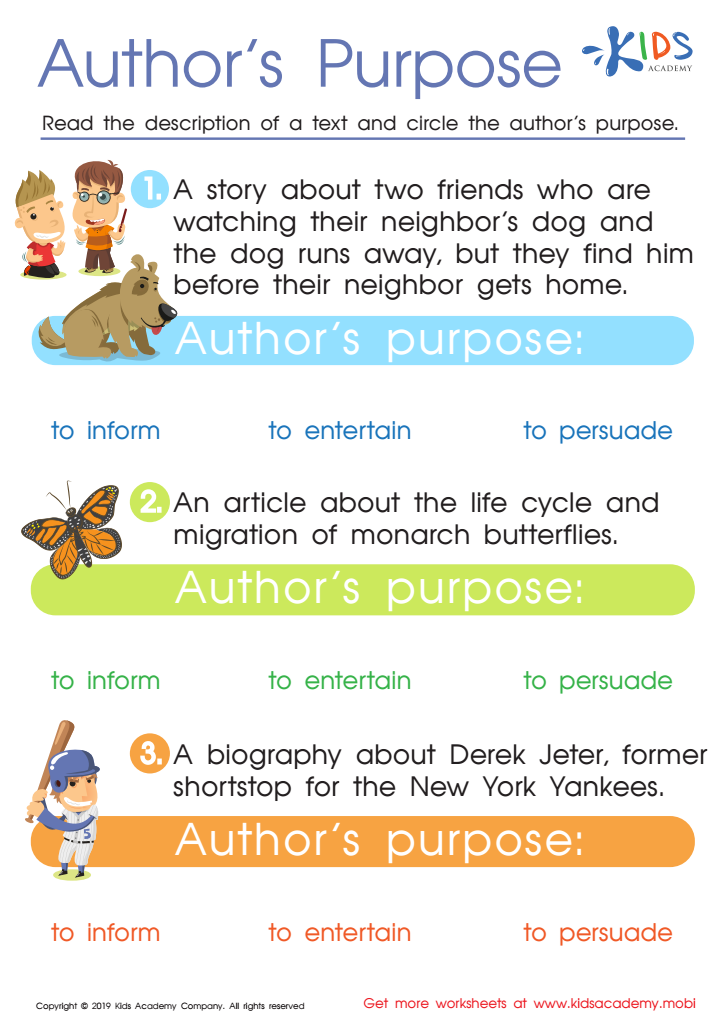
Author's Purpose Worksheet
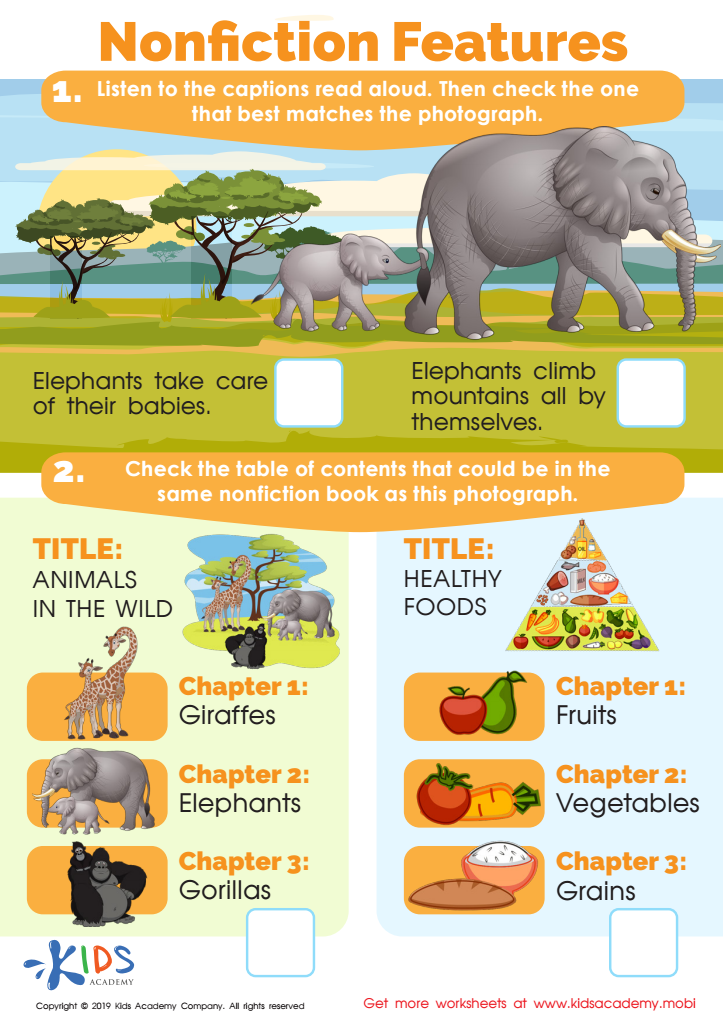
Nonfiction Features Worksheet








Enhancing reading comprehension in non-fiction for children ages 3-8 is crucial for several reasons. First, non-fiction texts introduce young learners to factual information about the world around them, sparking curiosity and expanding their knowledge base. By engaging with non-fiction, children develop critical thinking skills by learning to differentiate between main ideas and supporting details, which helps them make informed judgments about what they read.
Furthermore, reading comprehension in non-fiction prepares children for academic success as they progress through school. Most subject areas—science, social studies, and even math—often involve understanding non-fiction texts. Strong comprehension of such materials builds a solid foundation for lifelong learning and retention of information.
Parents and teachers play a pivotal role in fostering an environment where children can explore non-fiction. By encouraging inquiry-based reading and discussions, they help children make connections between texts and their own experiences or questions about the world. This cultivates a sense of self-directed learning and supports language development as children expand their vocabulary through exposure to diverse topics. Ultimately, focusing on enhancing reading comprehension in non-fiction equips children with essential skills for both academic and everyday success, making it a priority for educators and families alike.








