Reading comprehension Reading Non-Fiction Worksheets for Ages 3-8 - Page 2
43 filtered results
-
From - To
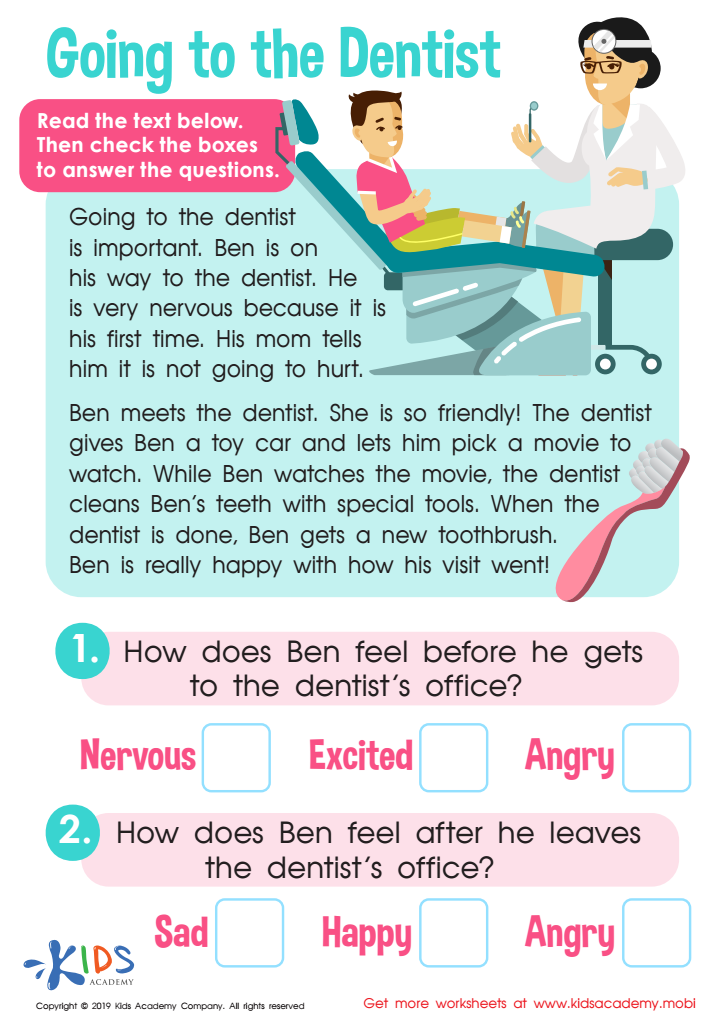
Going to the Dentist Worksheet
 Assign to My Students
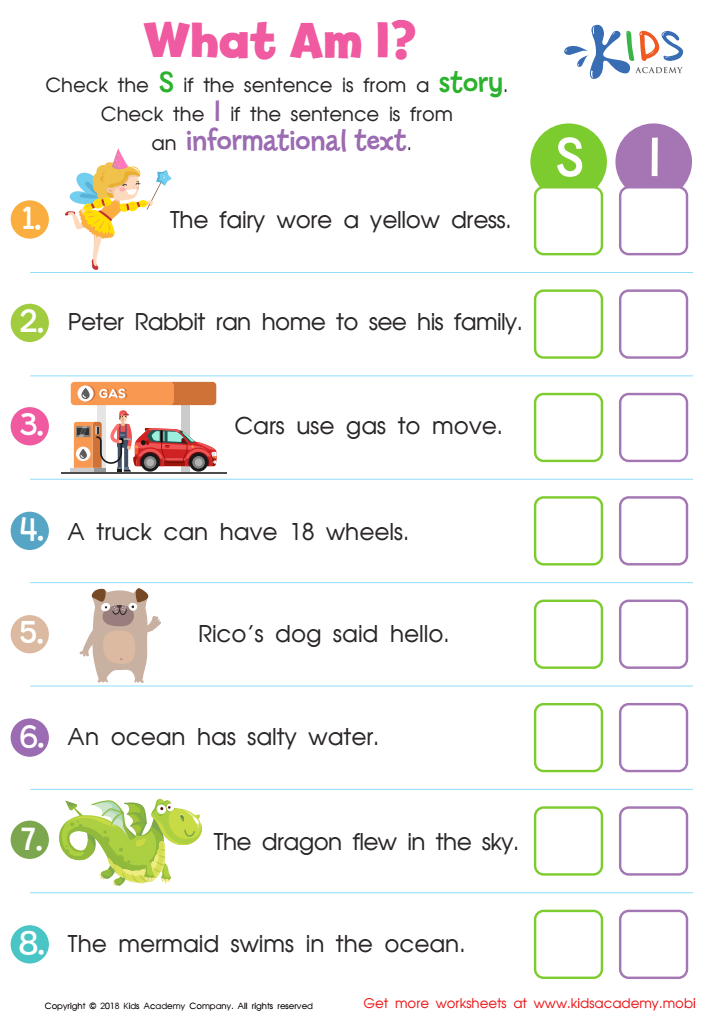
What Am I? Worksheet
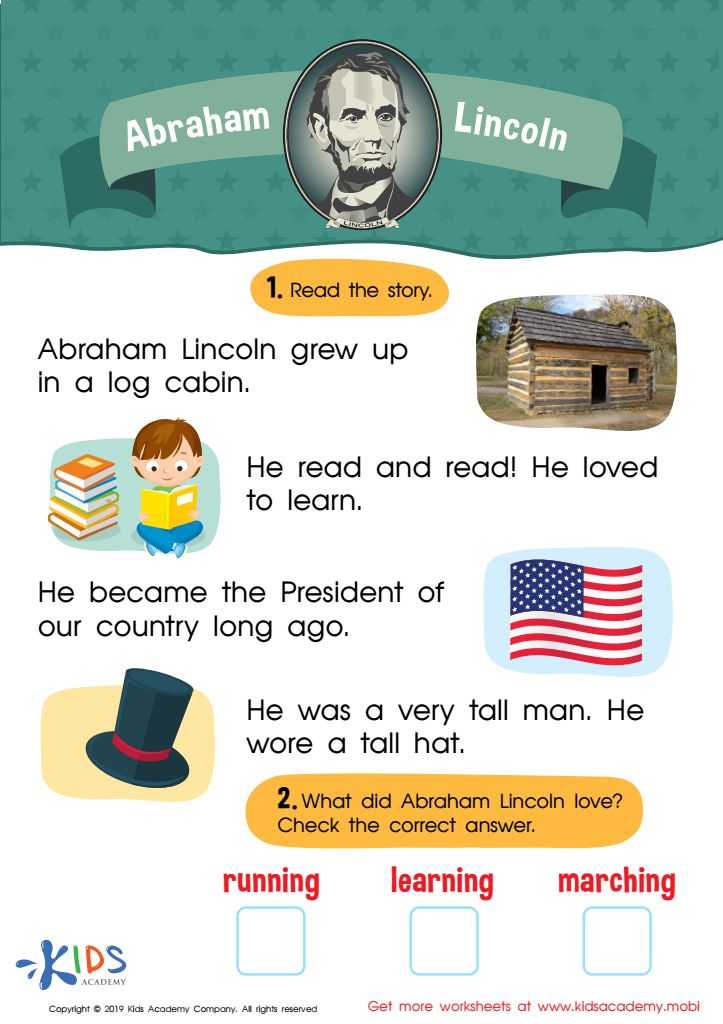
Abraham Lincoln Worksheet
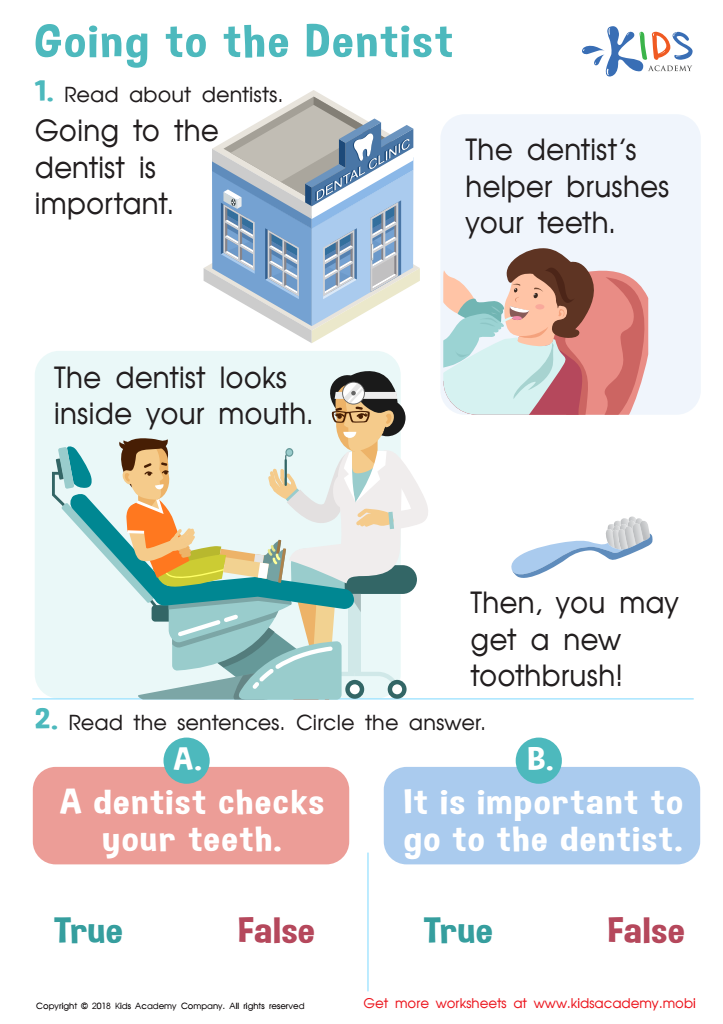
Going to the Dentist Part 2 Worksheet
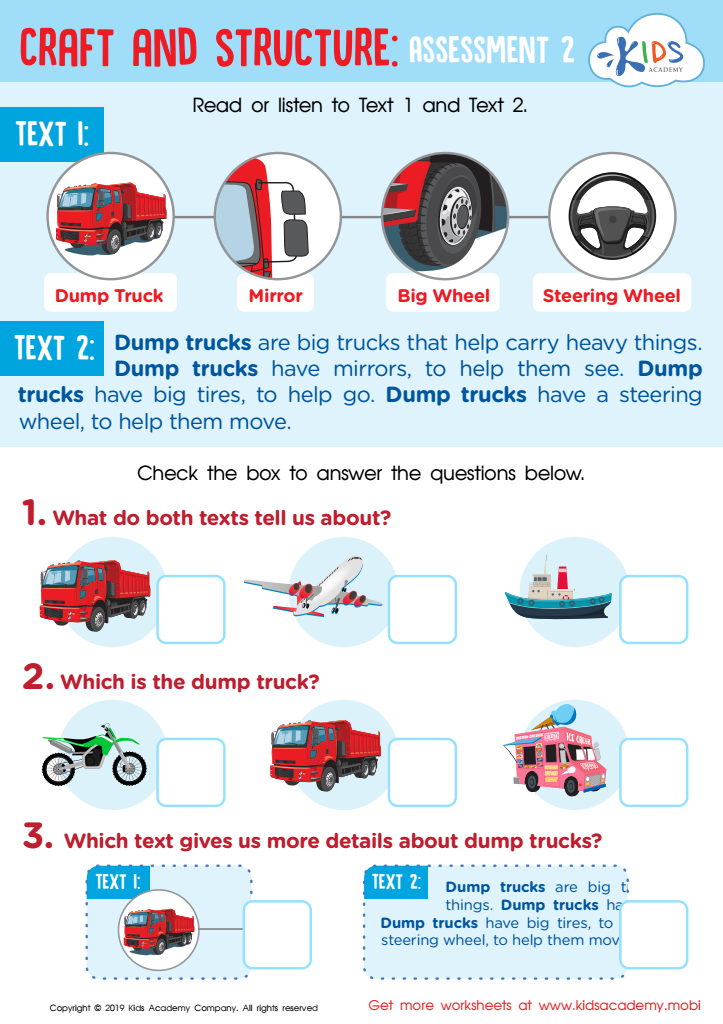
Craft and Structure: Assessment 2 Worksheet
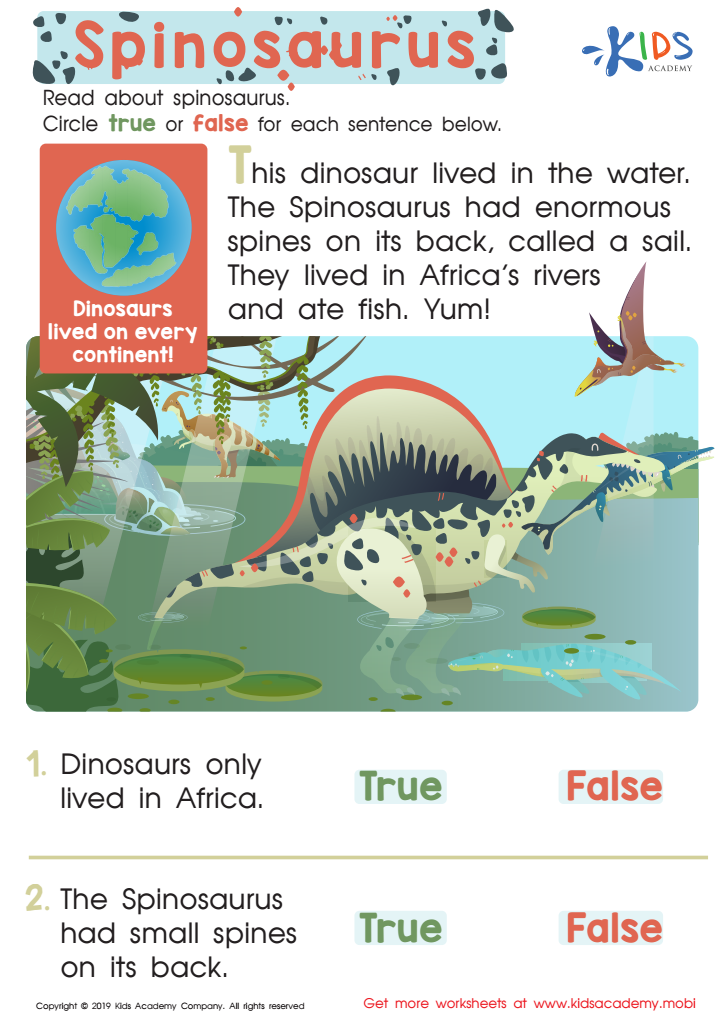
Spinosaurus Assessment Worksheet
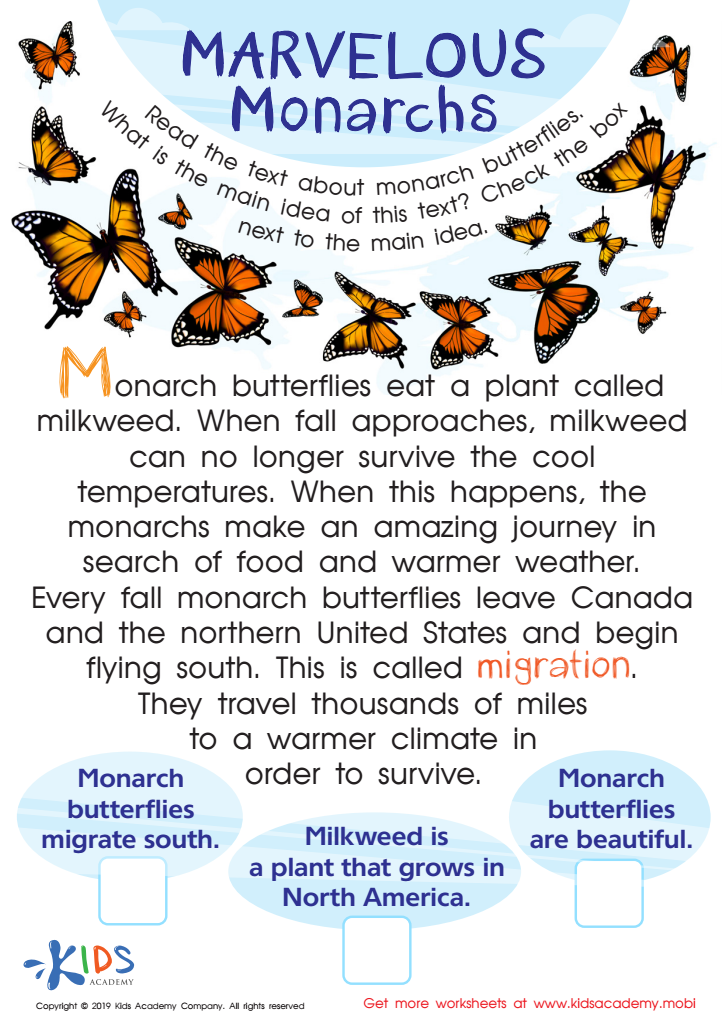
Marvelous Monarchs Worksheet
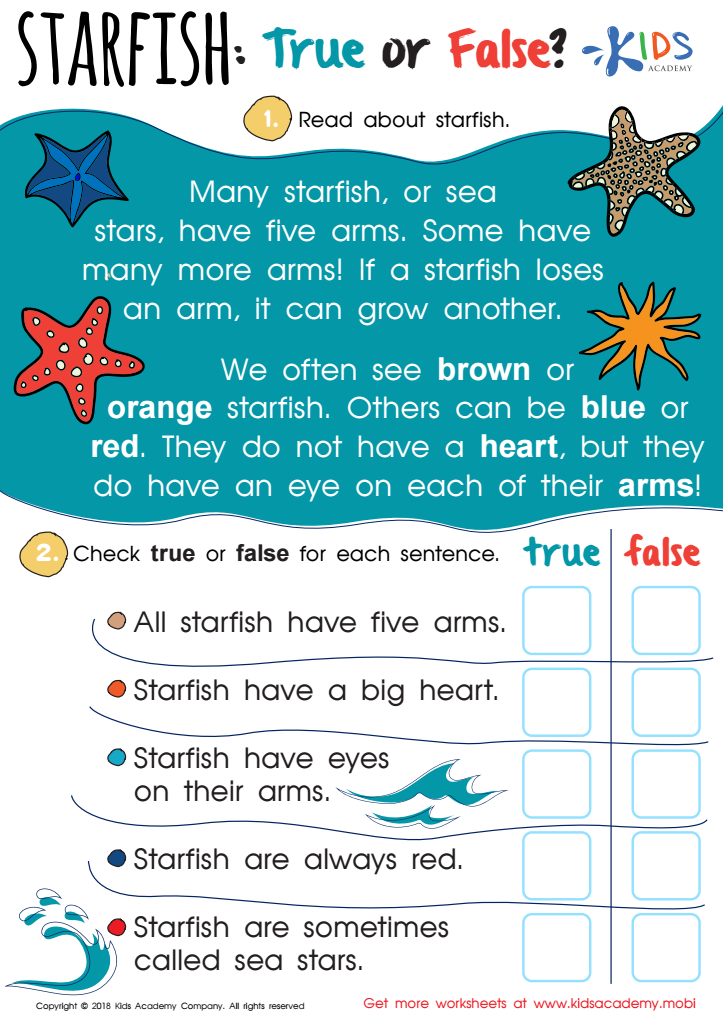
Starfish: True or False Worksheet
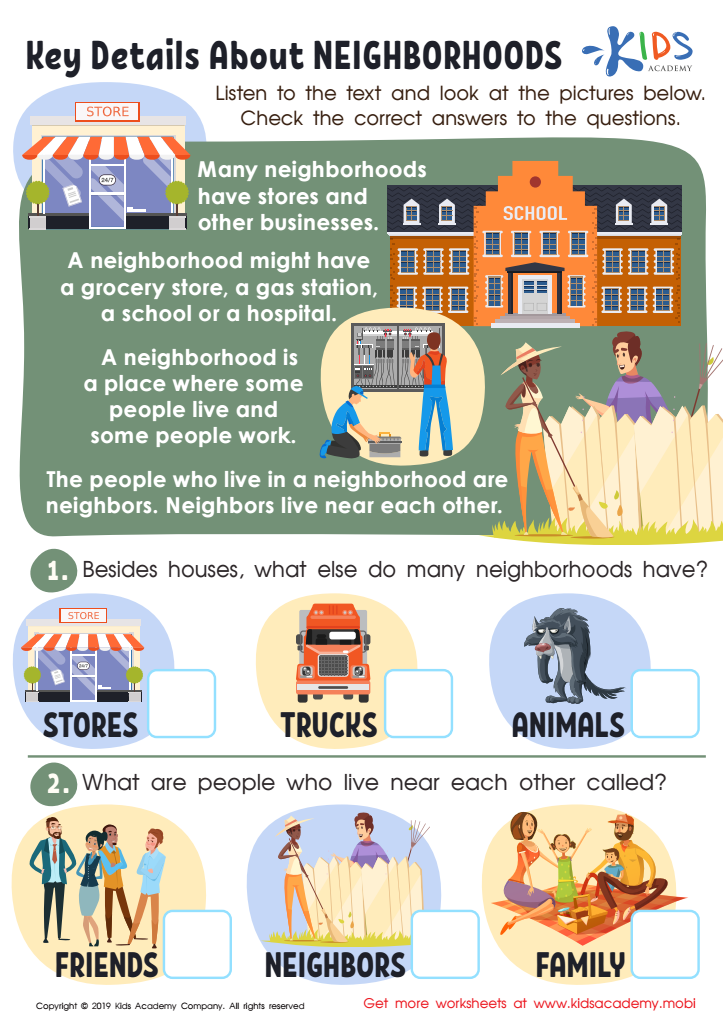
Key Details Neighborhoods Worksheet
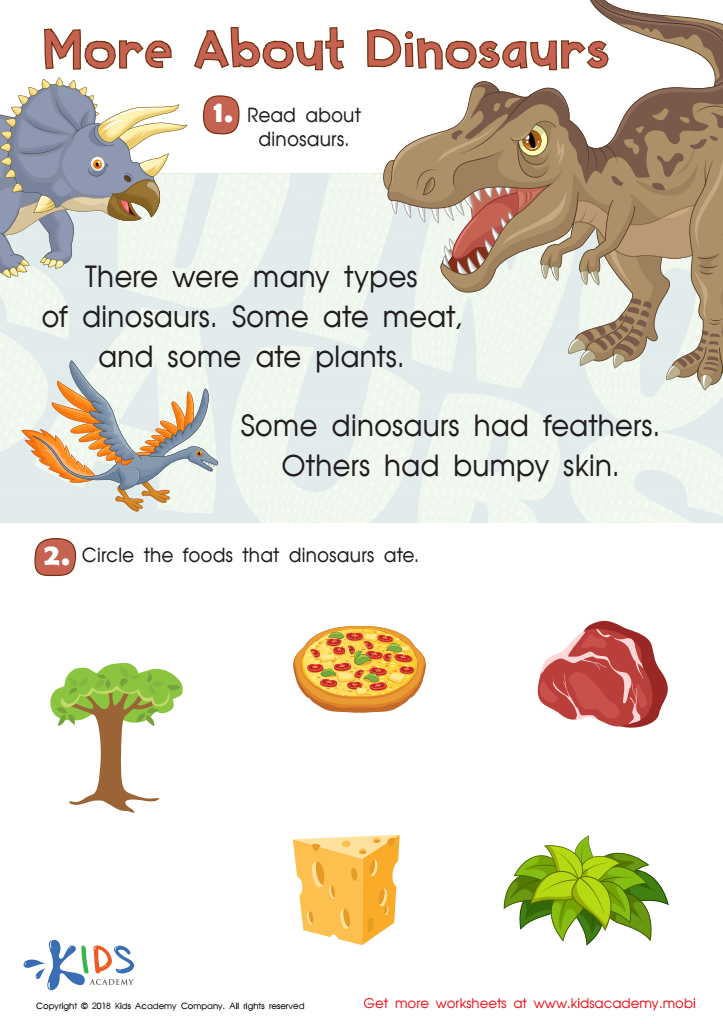
More About Dinosaurs Worksheet
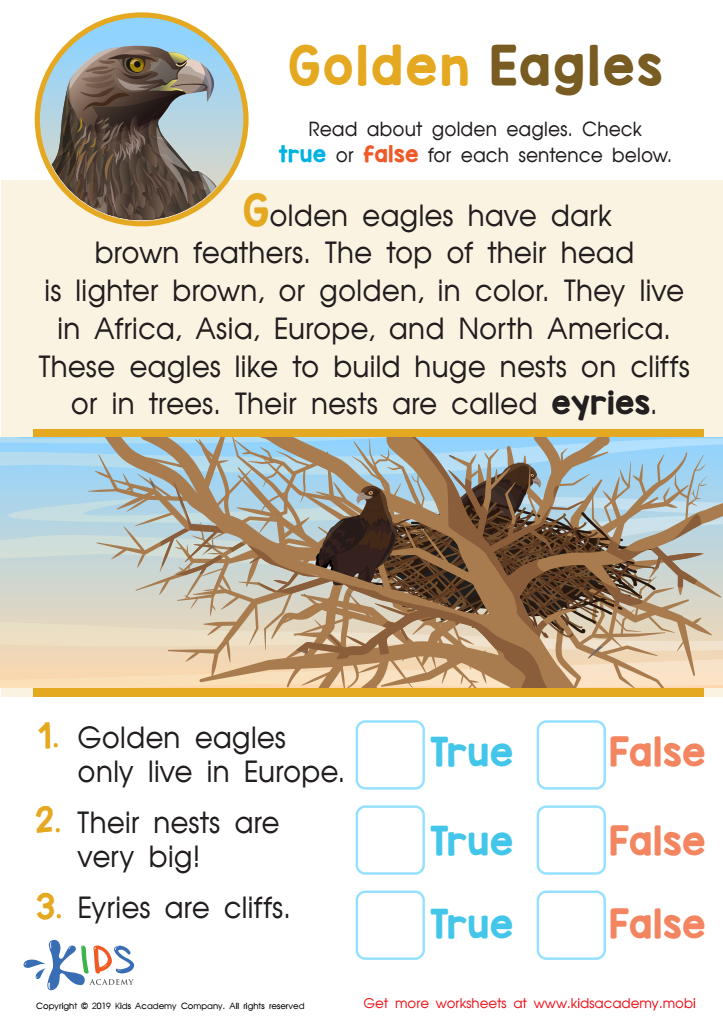
Golden Eagles Worksheet
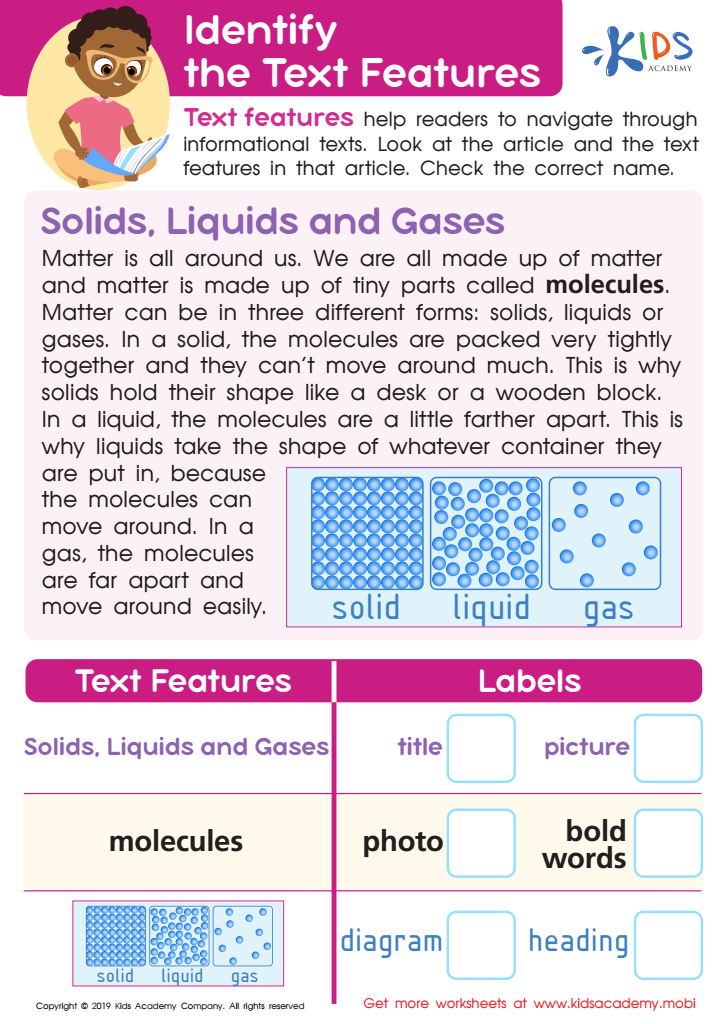
Identify the Text Features Worksheet
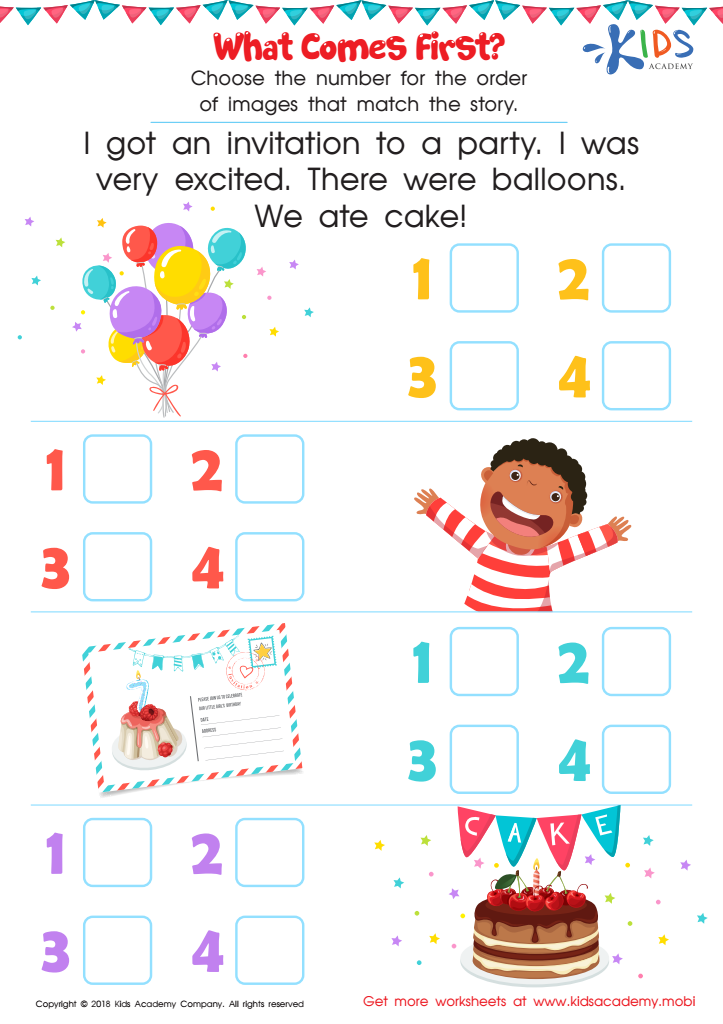
What Comes First Worksheet
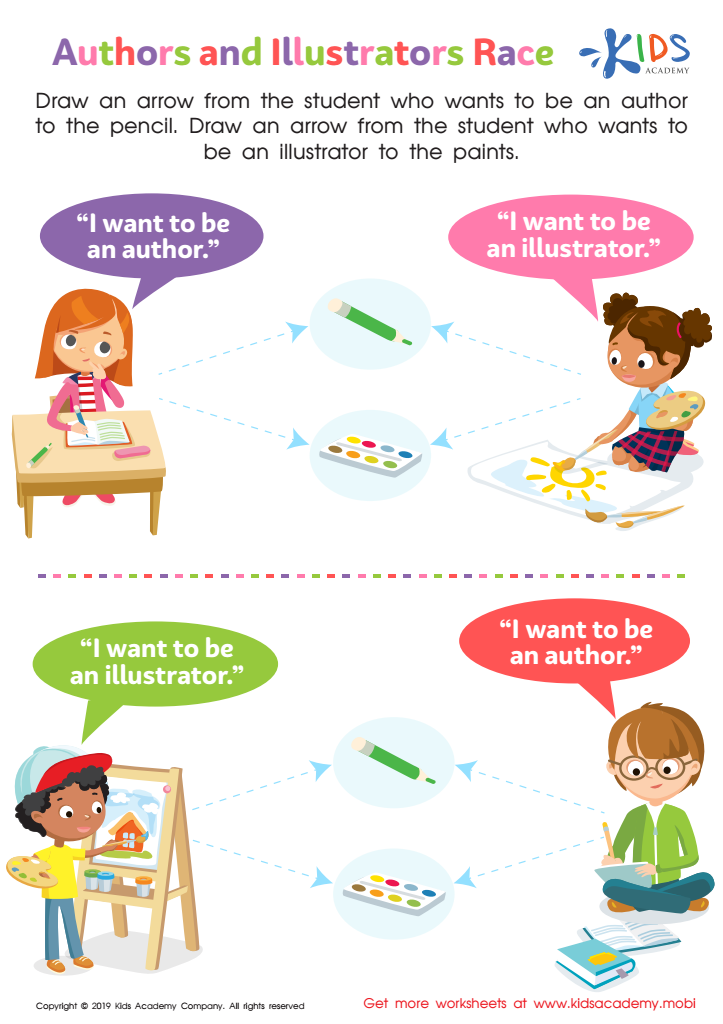
Authors and Illustrators Race Worksheet
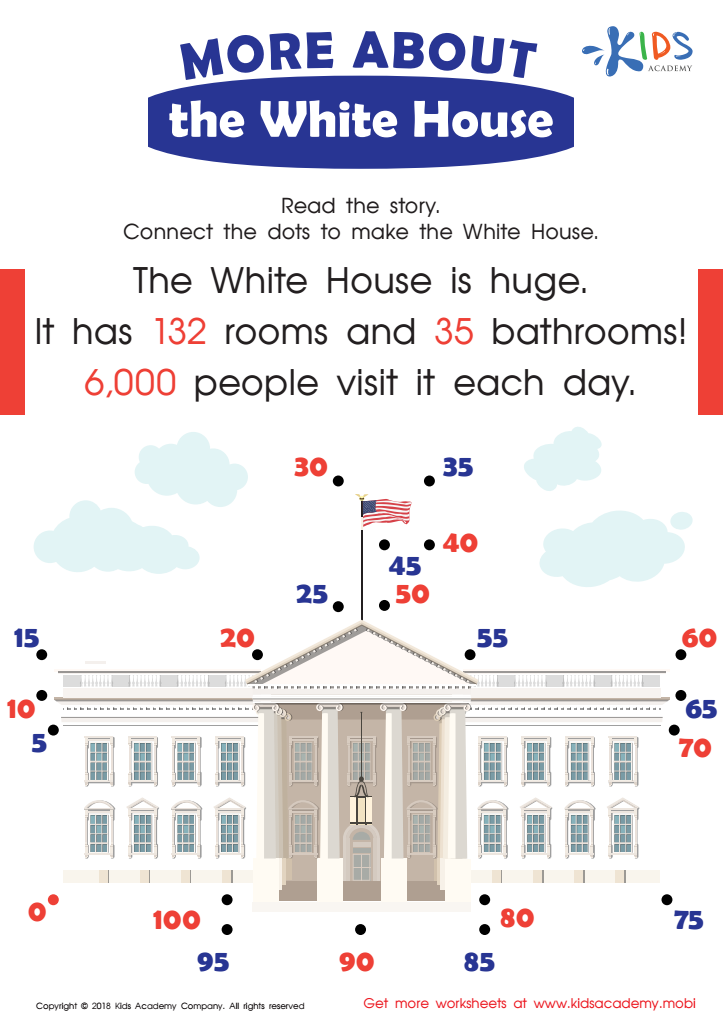
More About the White House Worksheet
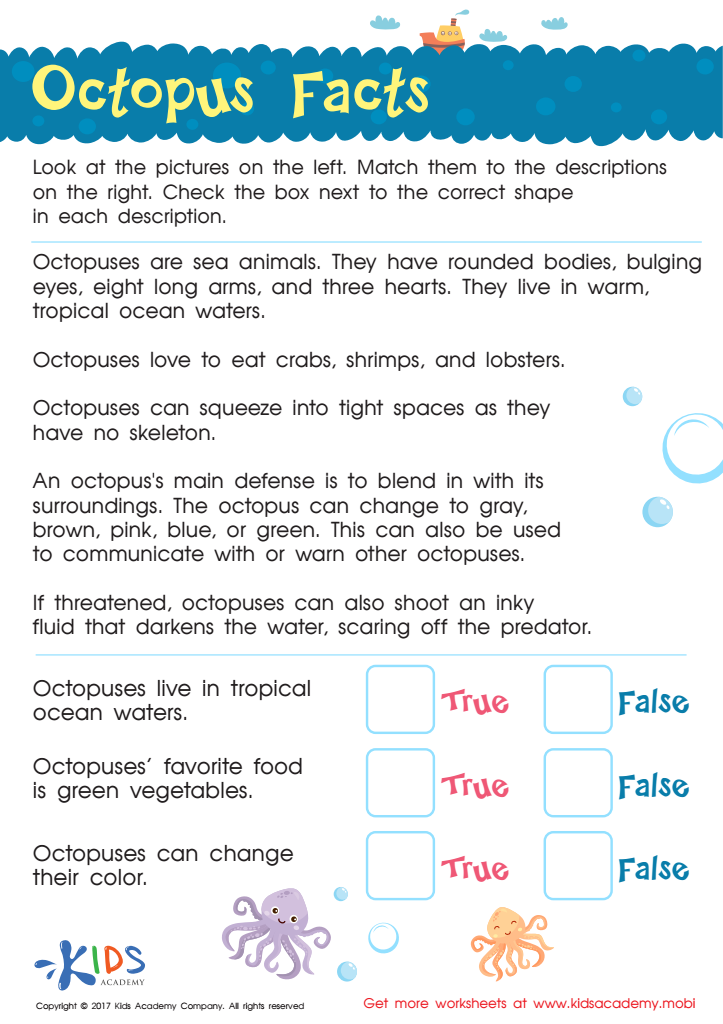
Octopus Facts Worksheet For Kids
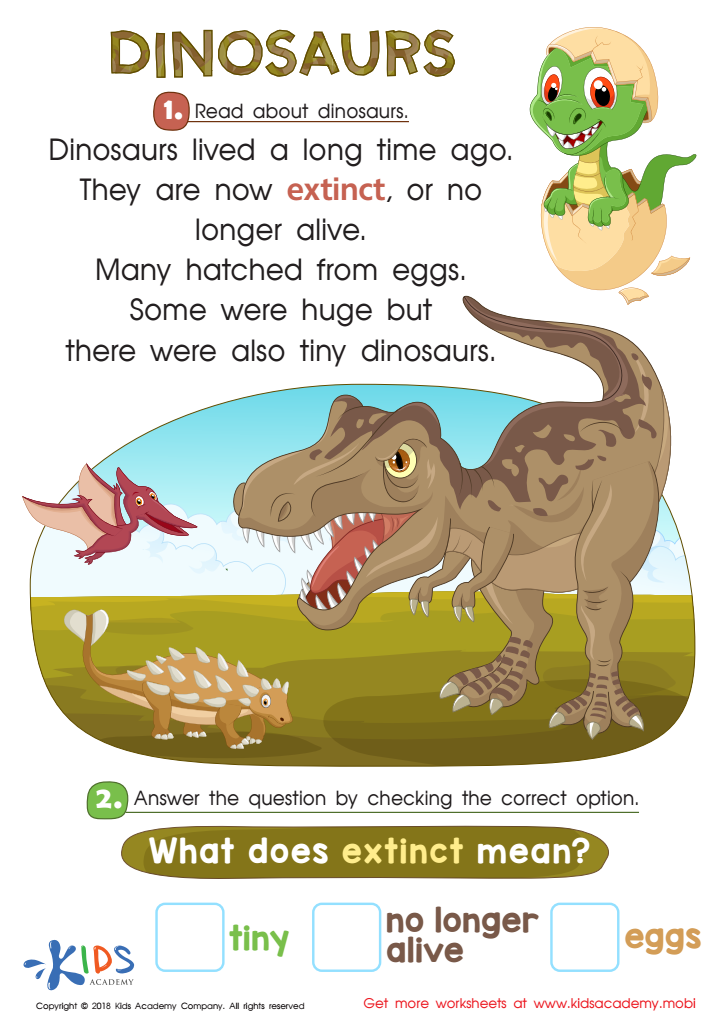
Dinosaurs Worksheet
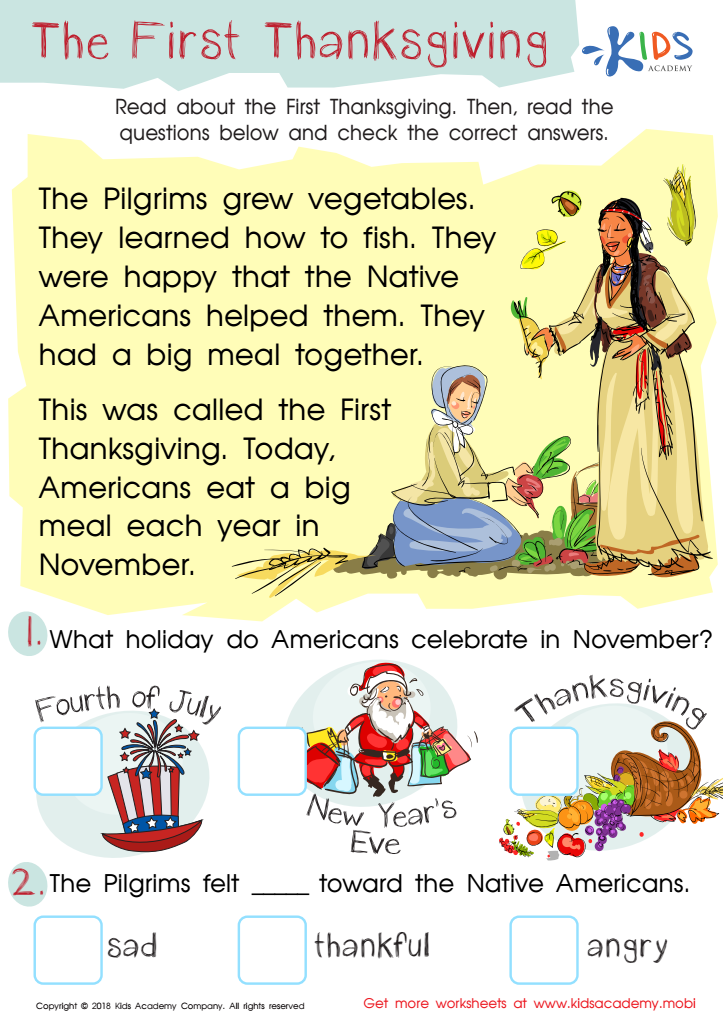
Assessment: First Thanksgiving Worksheet
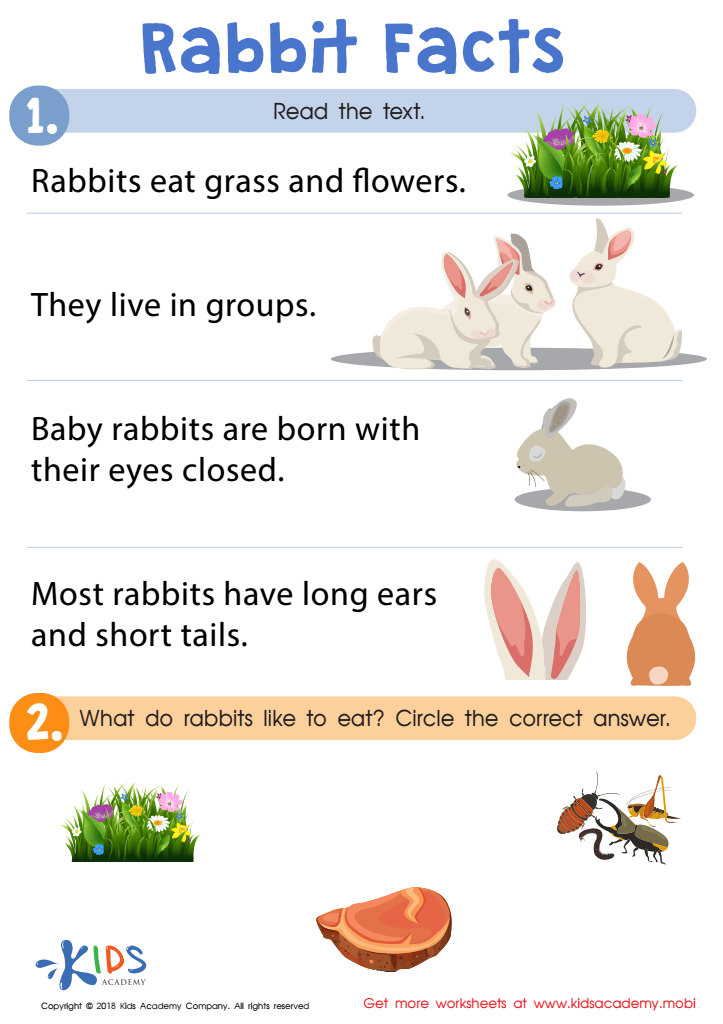
Rabbit Facts Worksheet







Reading comprehension is fundamental for children aged 3-8, especially when it comes to non-fiction texts, as it establishes critical skills they will rely on throughout their education and beyond. Parents and teachers should prioritize reading comprehension in non-fiction because it empowers young learners to understand the world around them. Non-fiction books introduce real-world concepts, facts, and ideas, promoting curiosity and cognitive development. When children comprehend what they read, they can connect with the material emotionally and intellectually, fostering a love of learning.
Furthermore, non-fiction reading enhances vocabulary development, allowing children to encounter and learn new words in context. As they engage with diverse topics—ranging from animals to geography—they not only acquire factual information but also learn to think critically, make connections, and ask questions. These skills are essential for academic success and lifelong learning.
Additionally, enhanced reading comprehension leads to better writing skills, as children learn various structures and themes within non-fiction texts. In a world filled with information, the ability to analyze and synthesize content is crucial. Thus, it's imperative for parents and teachers to guide and motivate young readers to develop strong comprehension skills, laying a foundation for their future learning experiences.








