Basic Math Skills Sight Words Worksheets for Ages 3-8
16 filtered results
-
From - To
Unlock your child's learning potential with our Basic Math Skills Sight Words Worksheets, designed for children ages 3 to 8. These engaging worksheets combine foundational math concepts with essential sight words, helping young learners build confidence in both reading and math. Each activity is crafted to reinforce skills such as counting, addition, and shape recognition, all while enhancing vocabulary. Fun illustrations and interactive tasks keep children excited and motivated to practice. Perfect for parents and teachers alike, these worksheets provide an invaluable resource to support your child’s educational journey in a playful and effective way. Explore now and inspire a love for learning!
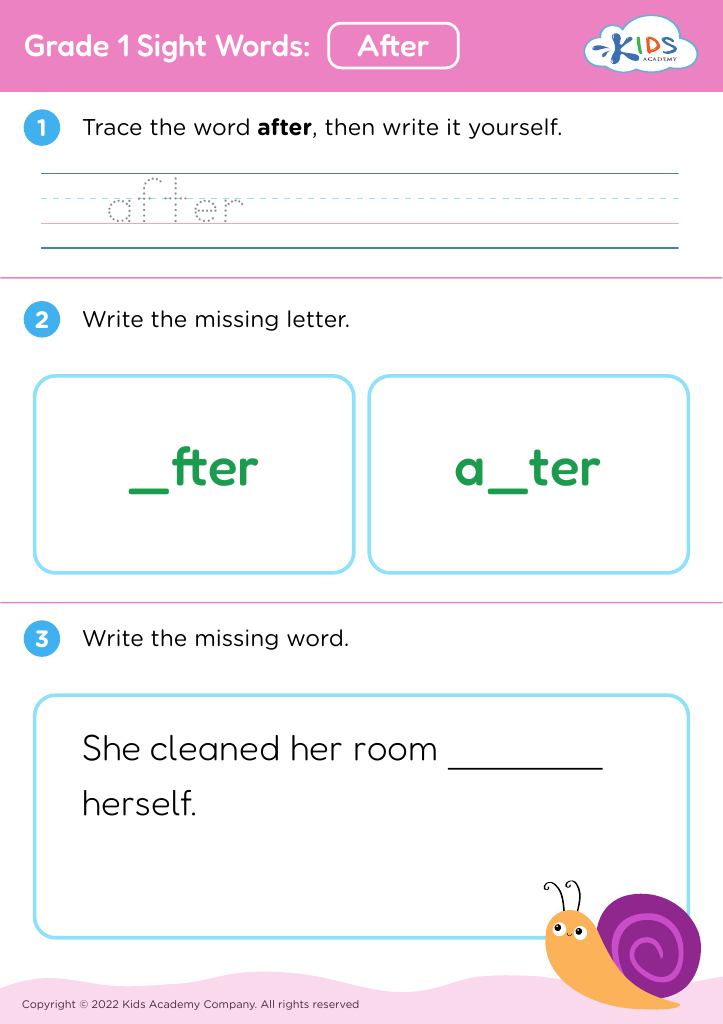



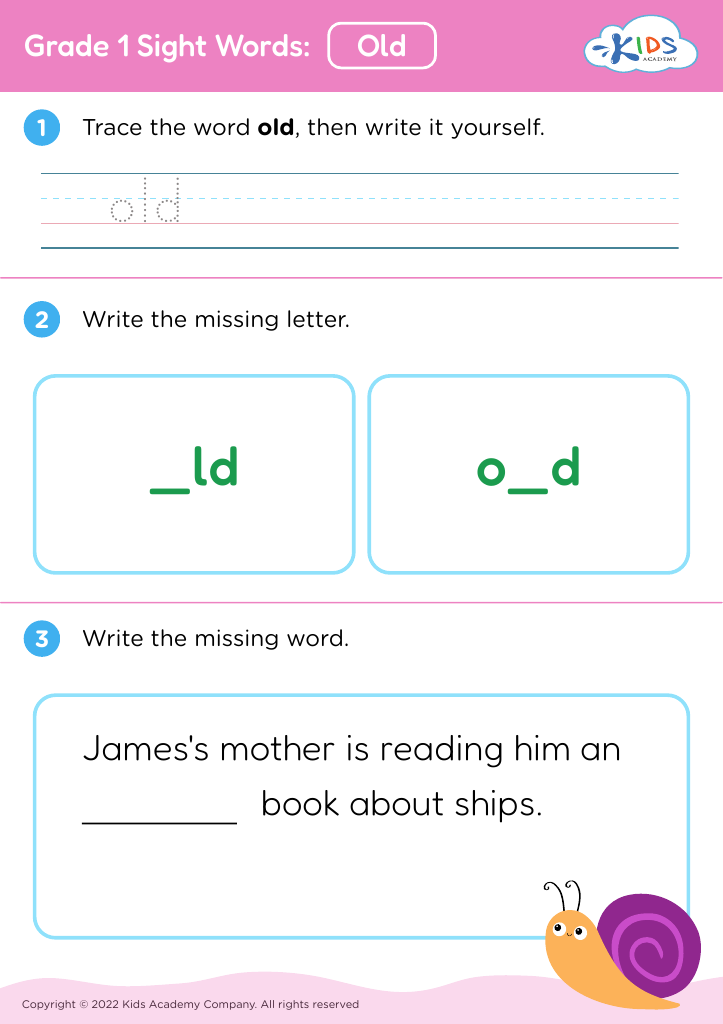
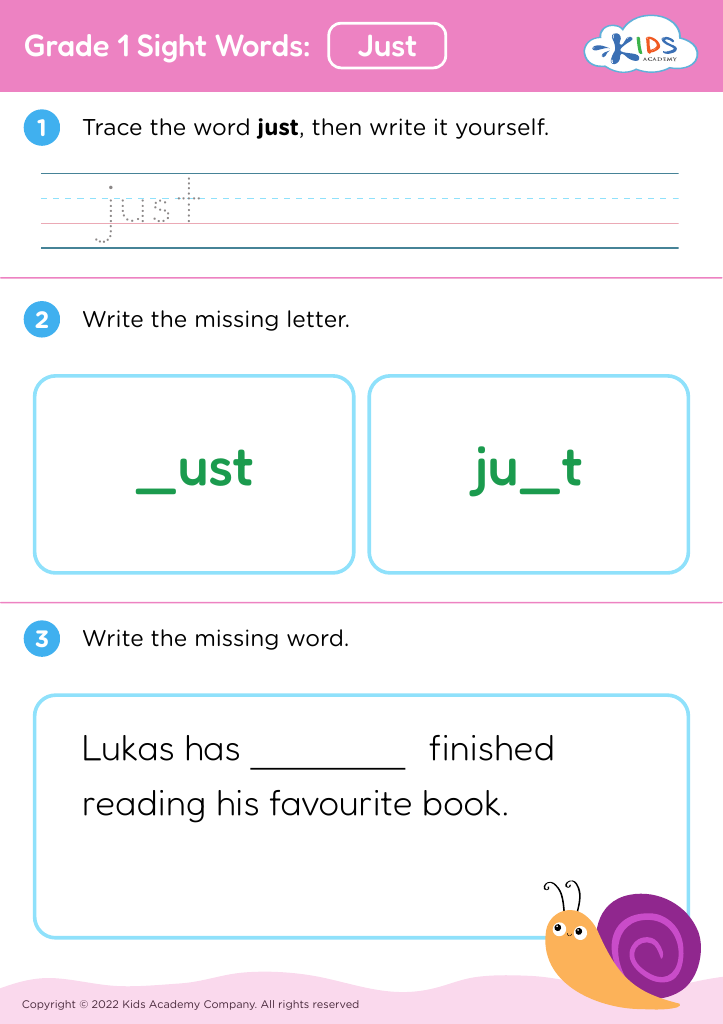
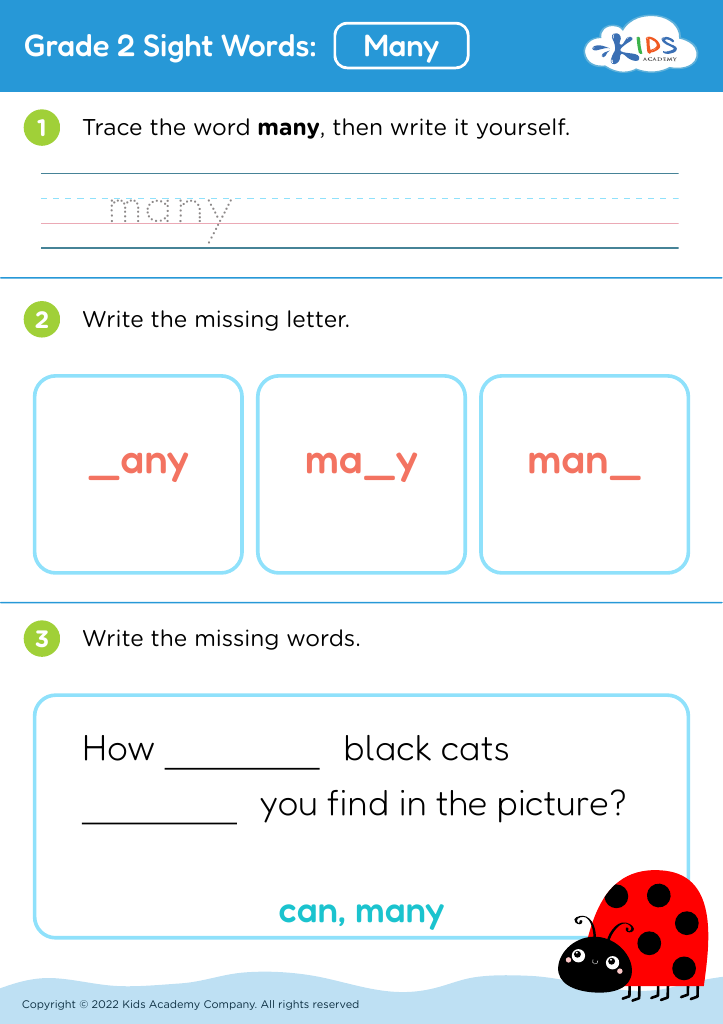
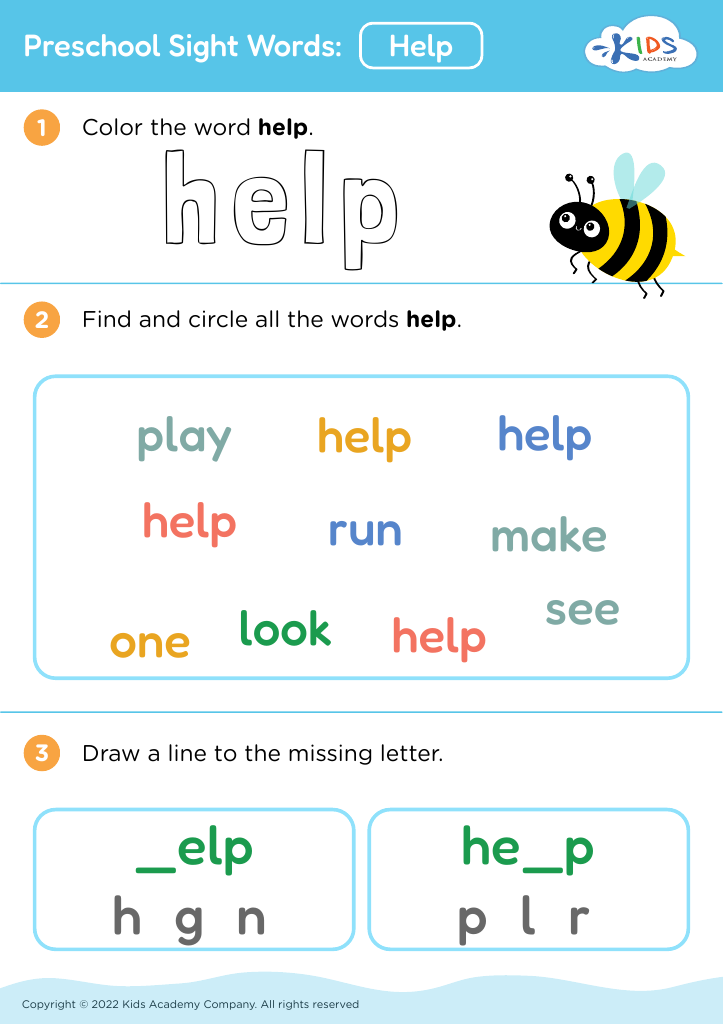
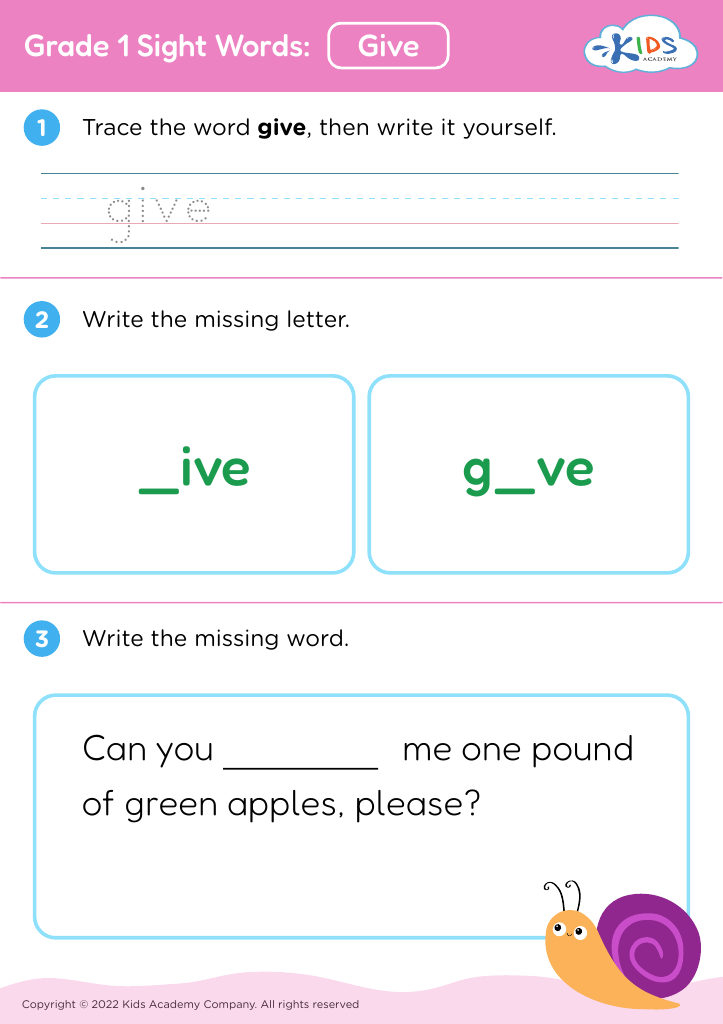
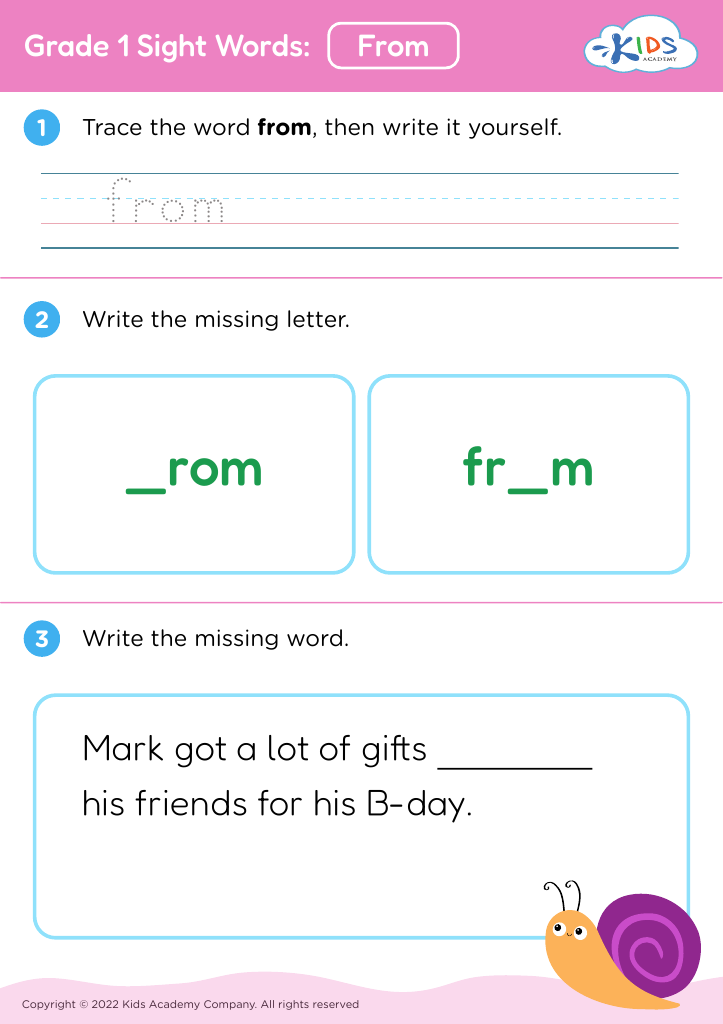
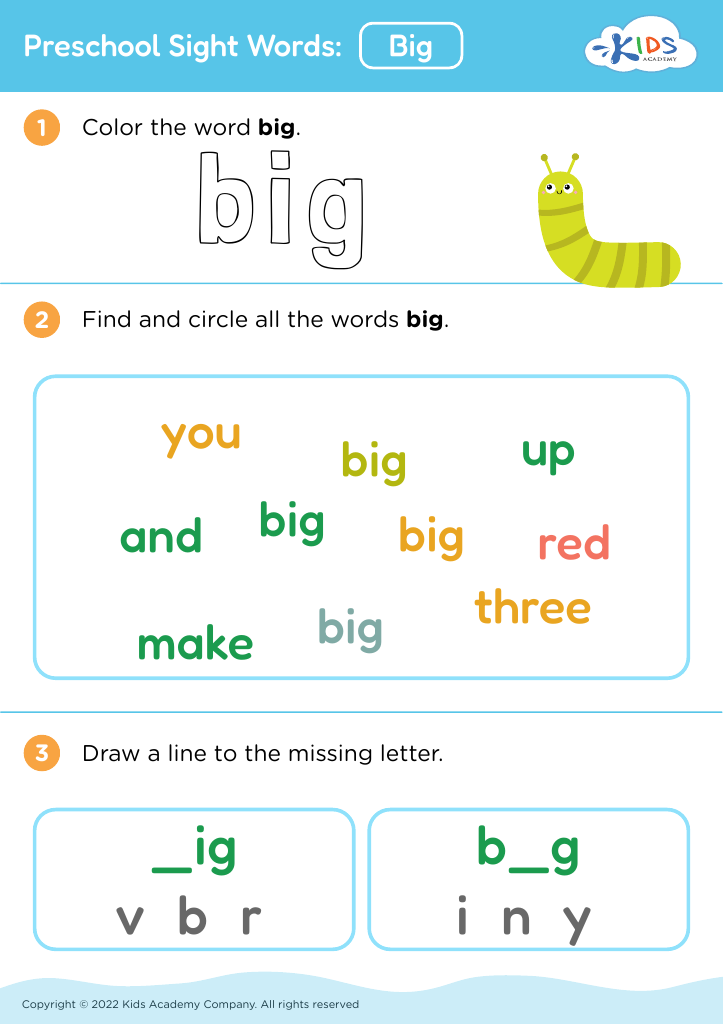
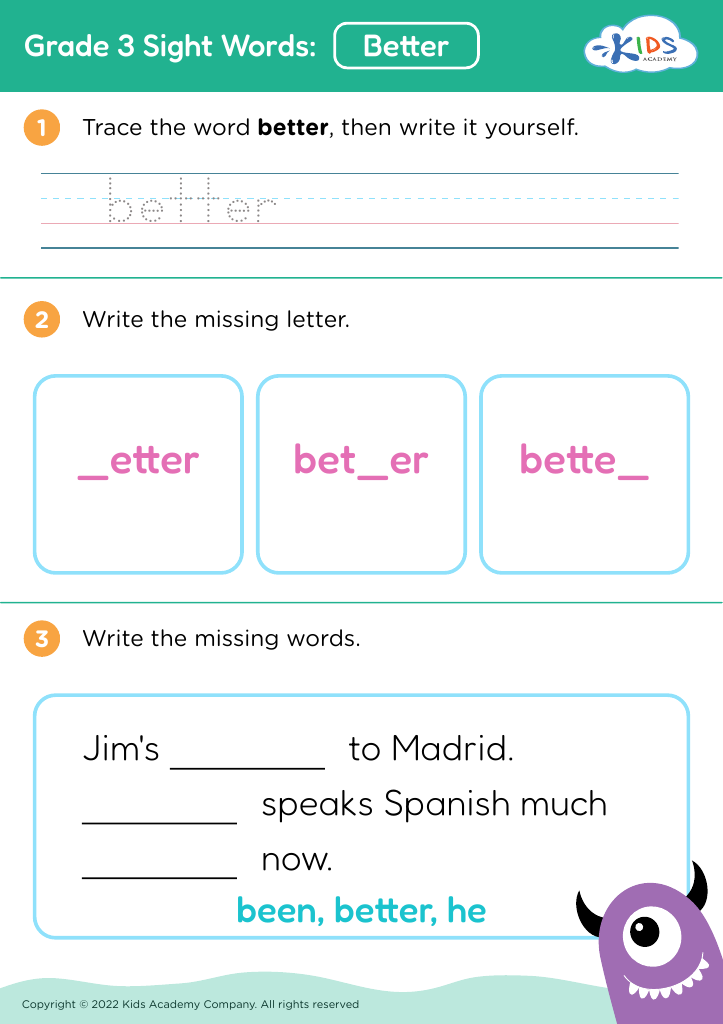
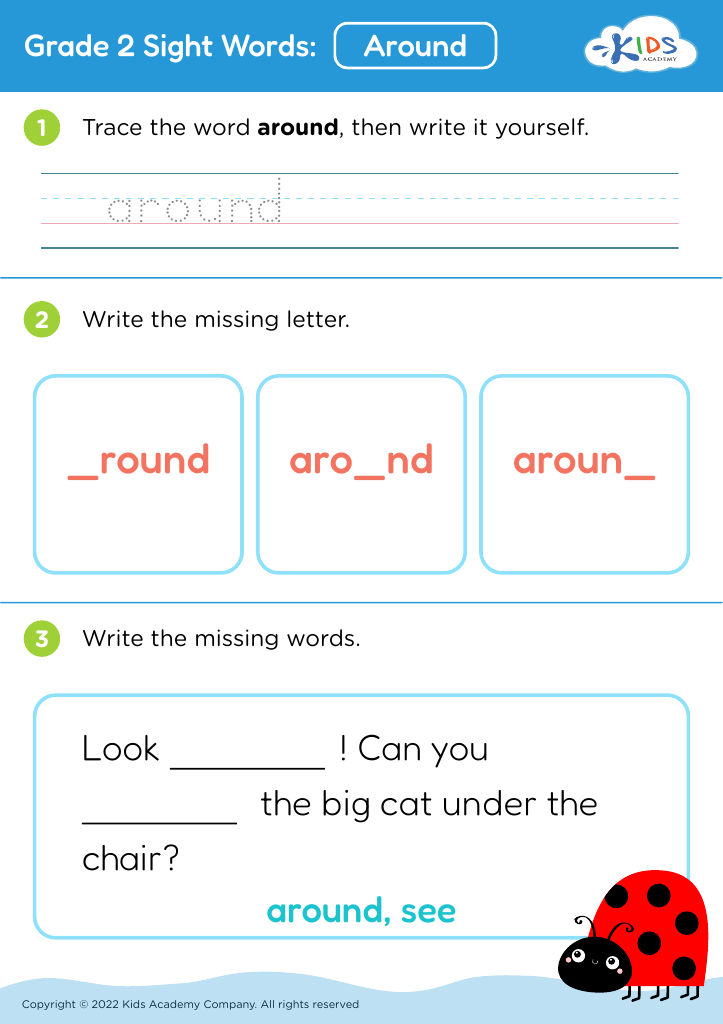
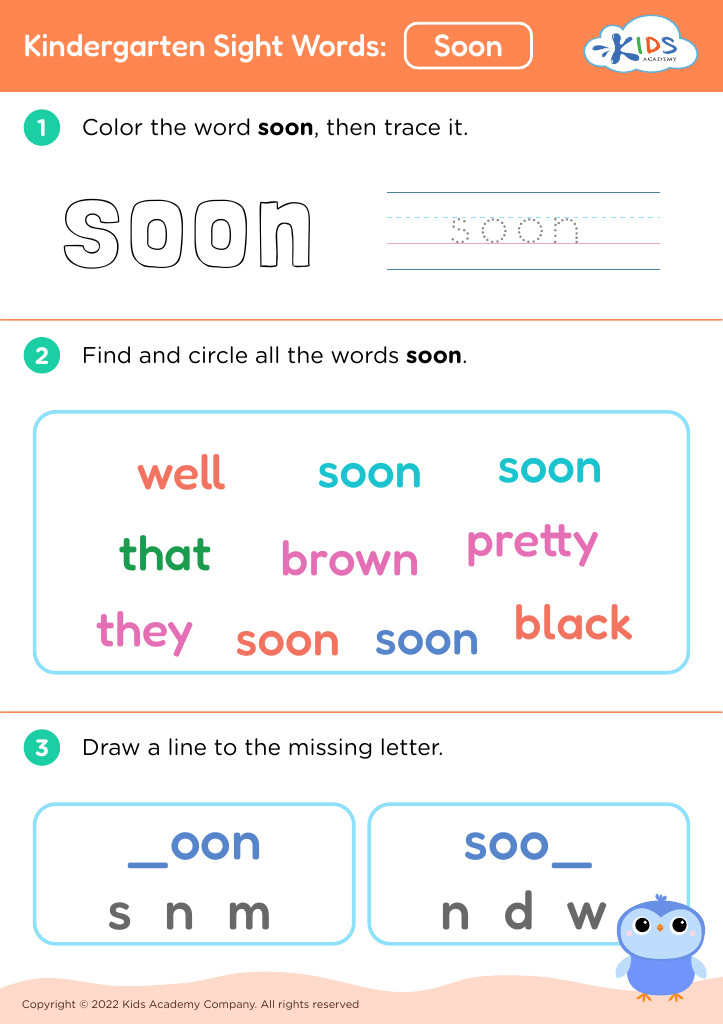
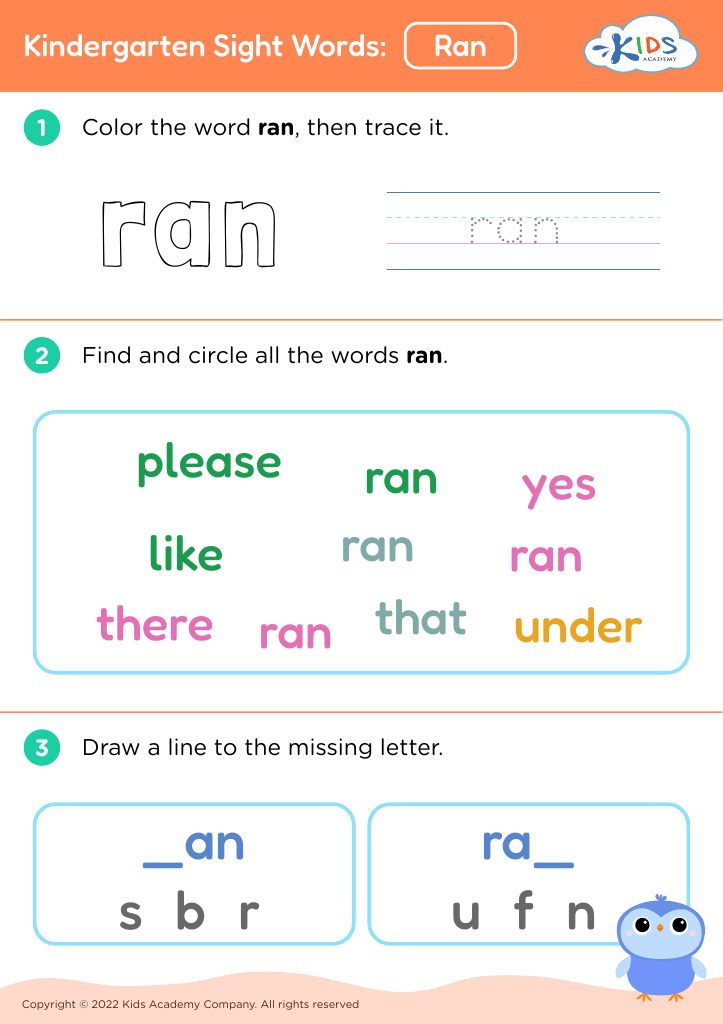
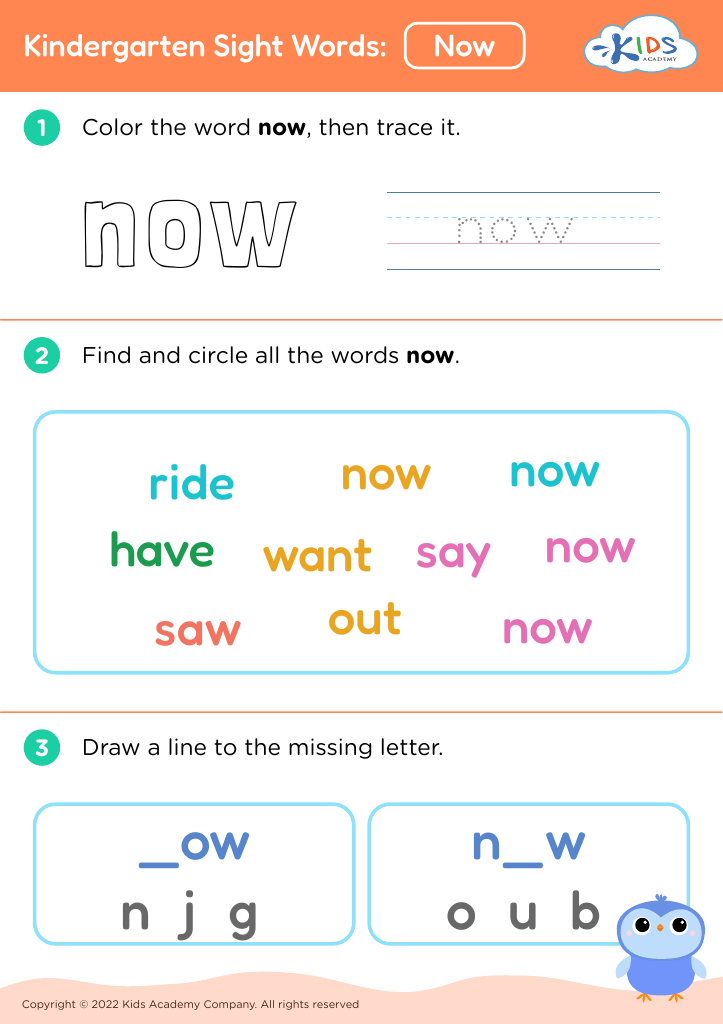
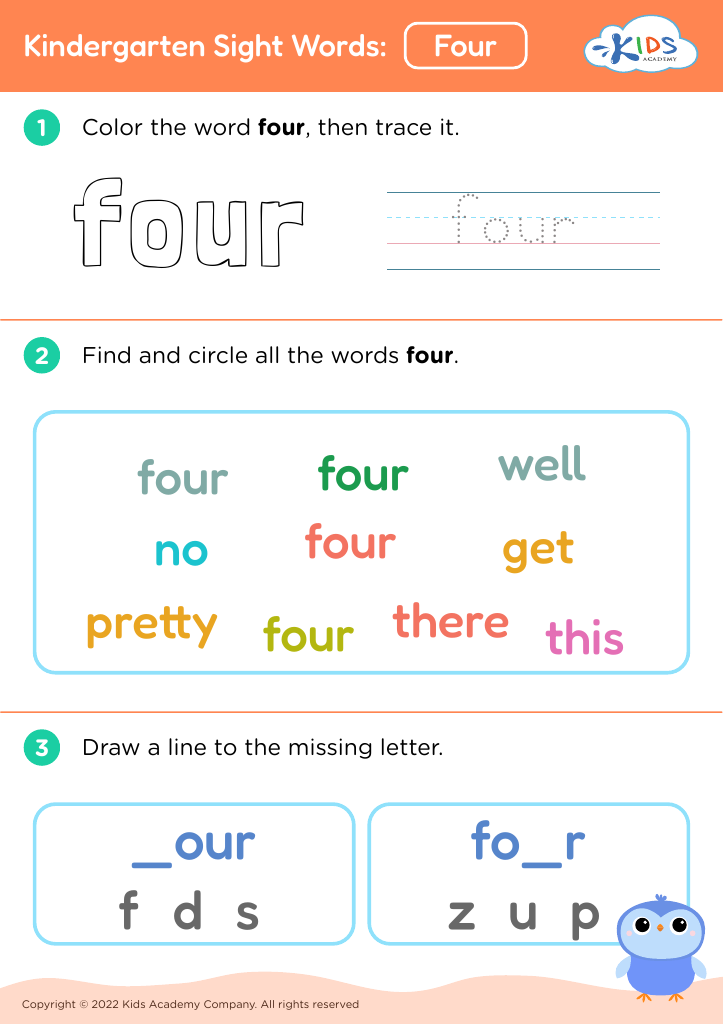
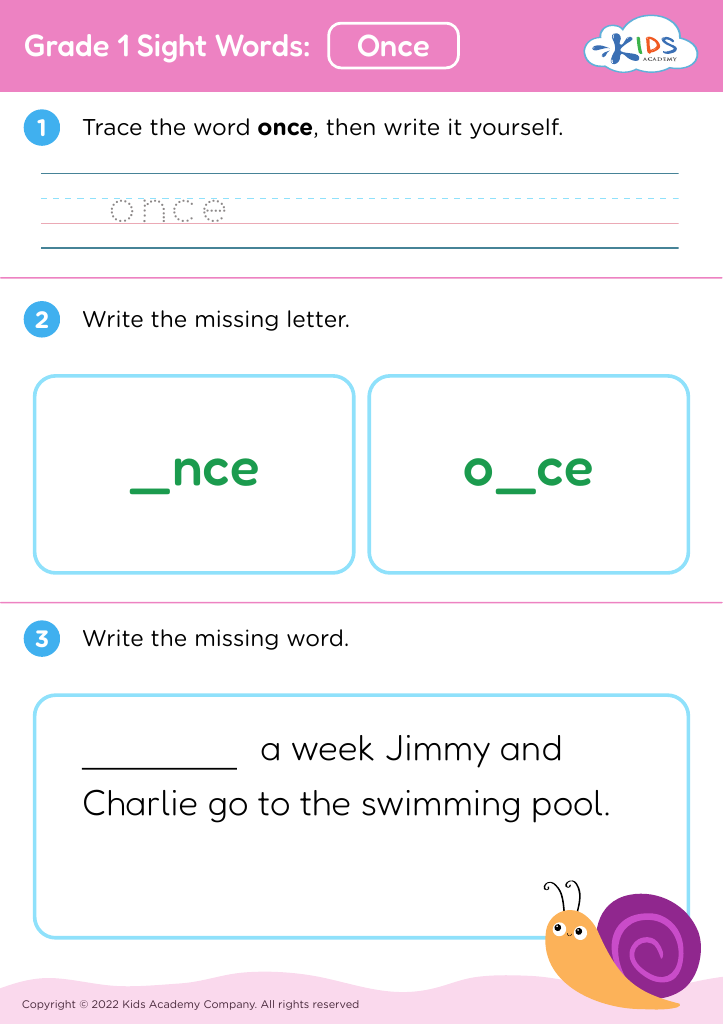
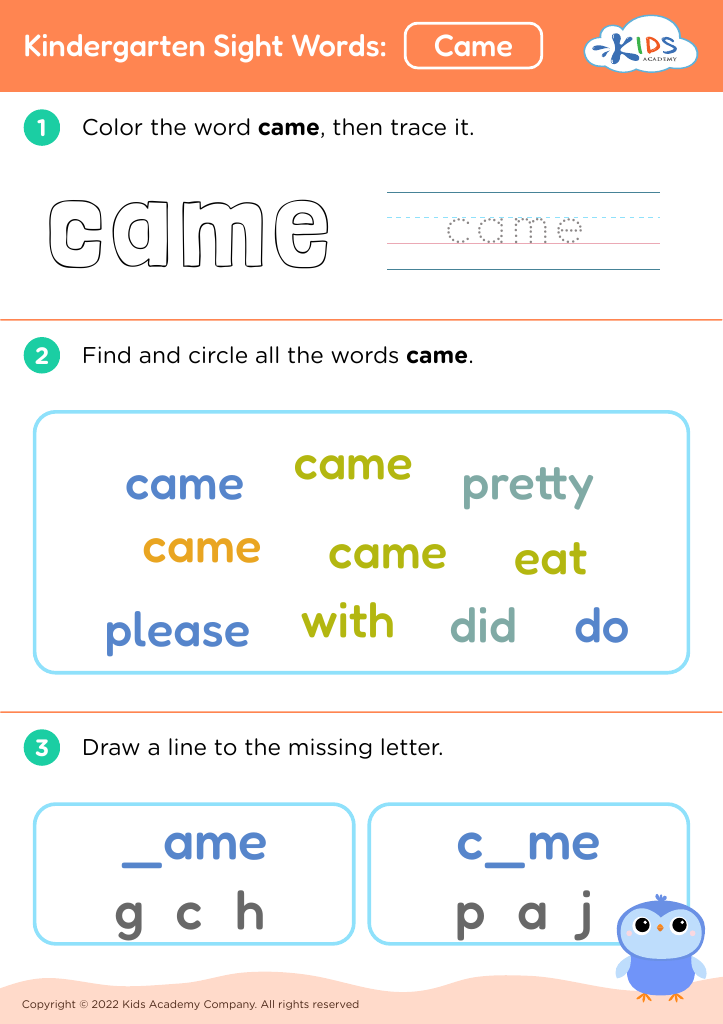



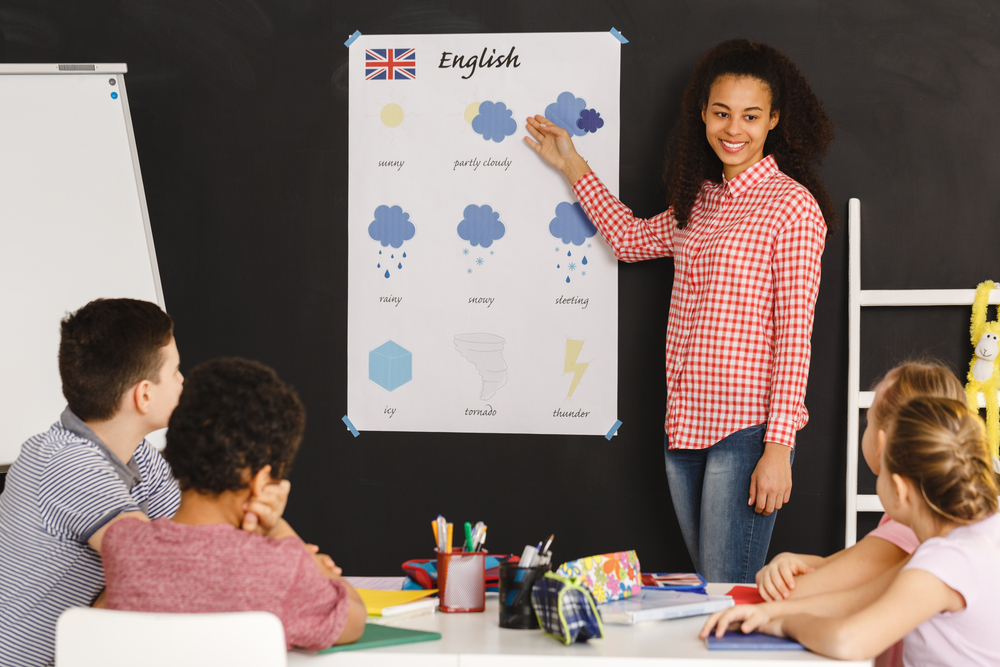




Basic math skills and sight words are foundational components of early childhood education, crucial for developing literacy and numeracy in children aged 3-8. For parents and teachers, understanding the importance of these skills is essential for fostering a positive learning environment.
Basic math skills—including counting, number recognition, and simple addition—provide a framework for logical thinking and problem-solving that children will use in everyday life. Introducing these concepts early can smooth the transition into more complex math as children advance in school.
Sight words, on the other hand, are high-frequency words that children encounter often in reading. Familiarity with sight words enhances reading fluency, comprehension, and confidence. When children can recognize these words quickly, they are better equipped to understand texts, which serves to stimulate their imagination and knowledge.
By focusing on both math skills and sight words, parents and teachers can equip children with the tools necessary for academic success. Engaging with these concepts not only helps with essential learning but also aids in developing critical thinking and communication skills that will benefit children throughout their educational journey. Investing time in these early skills creates a strong foundation for lifelong learning.