Mathematical reasoning Sight Words Worksheets for Ages 3-8
6 filtered results
-
From - To
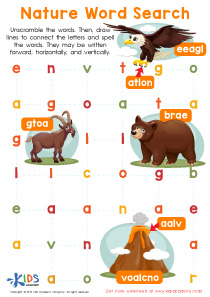
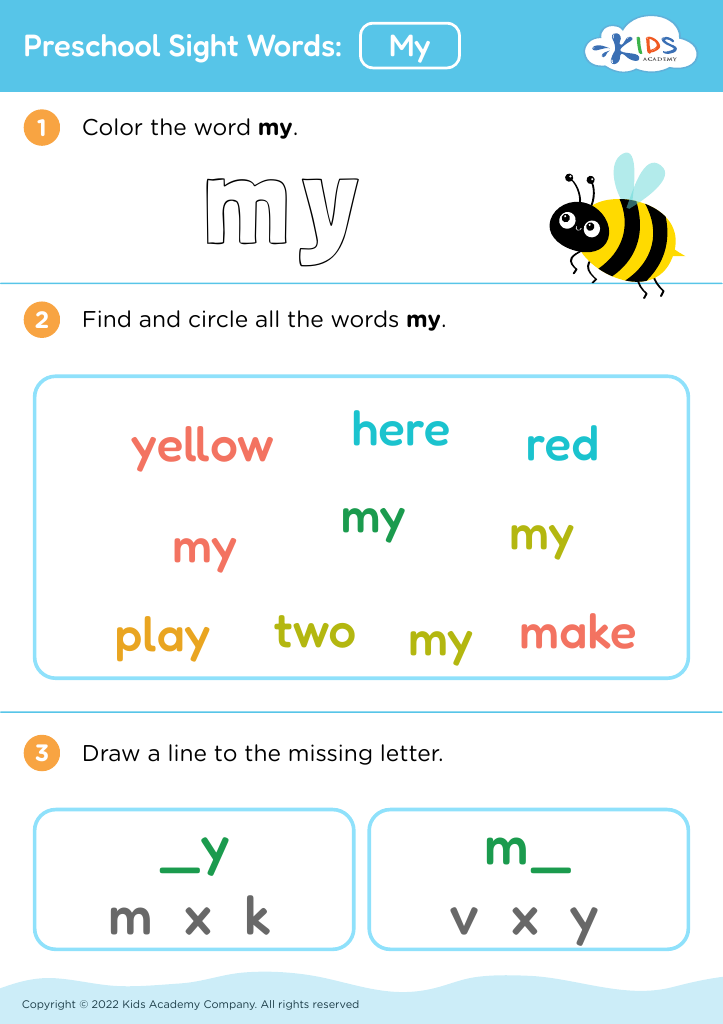
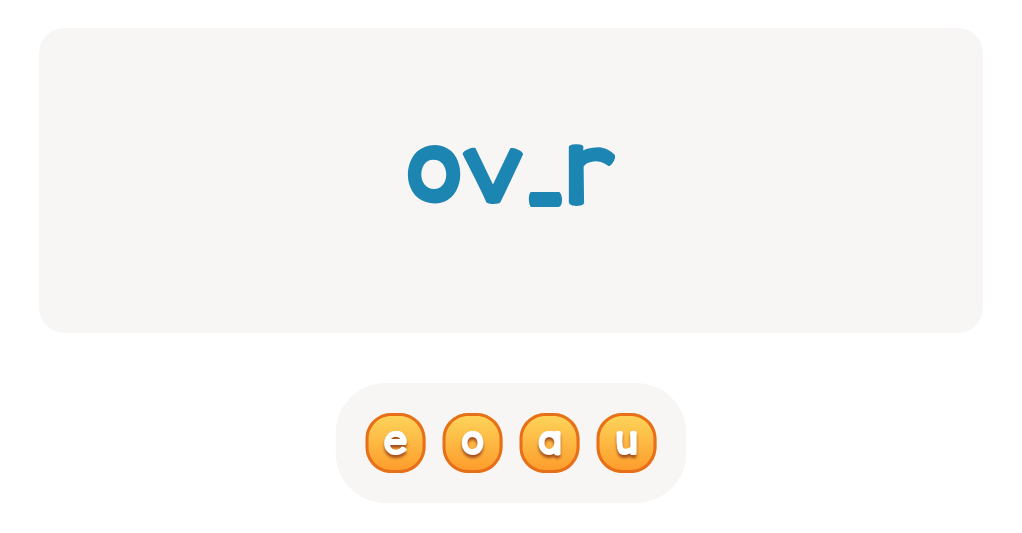
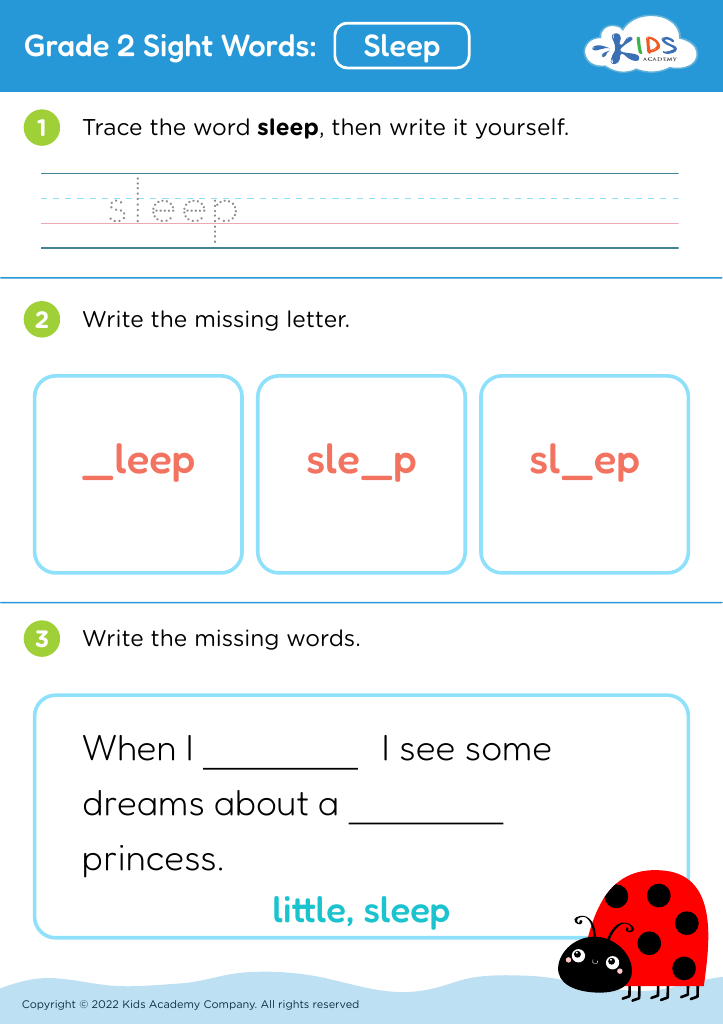
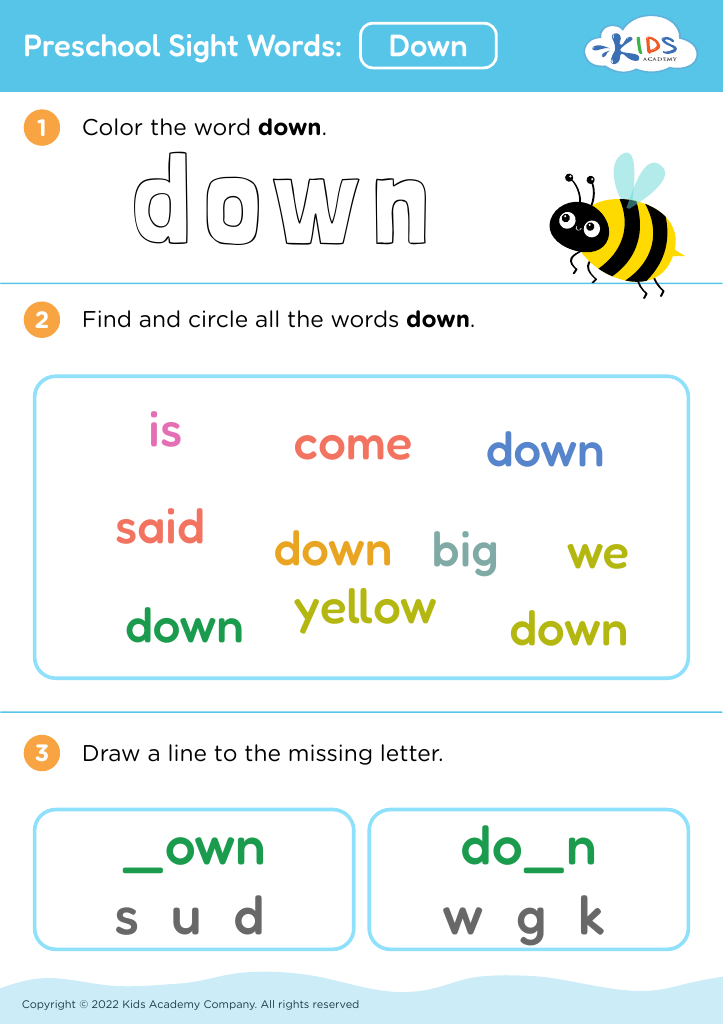
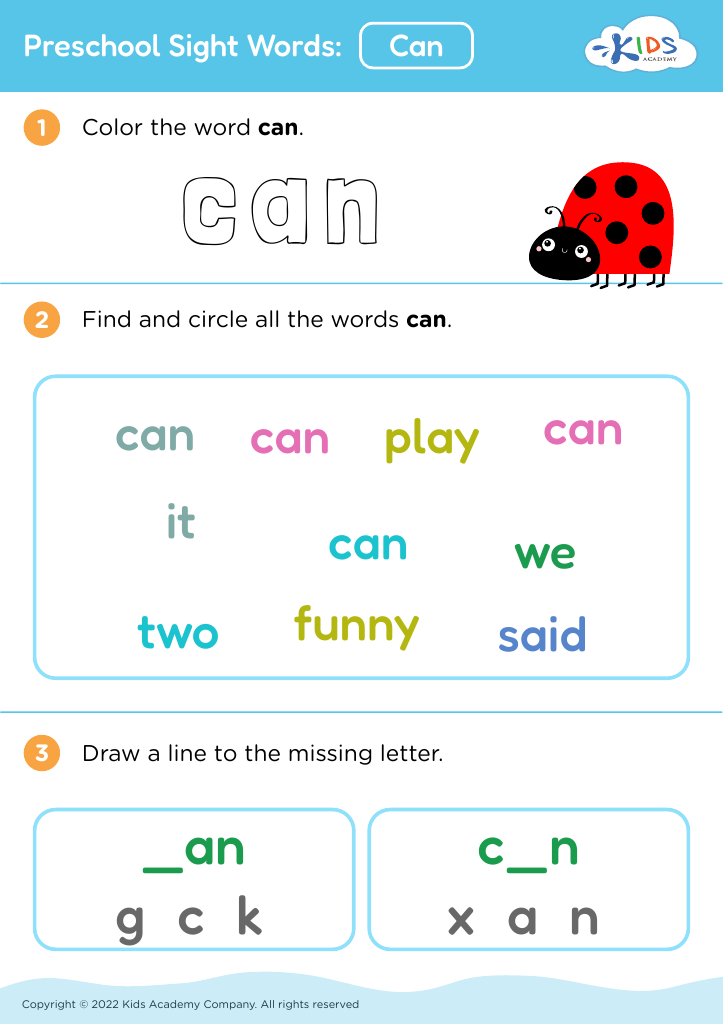
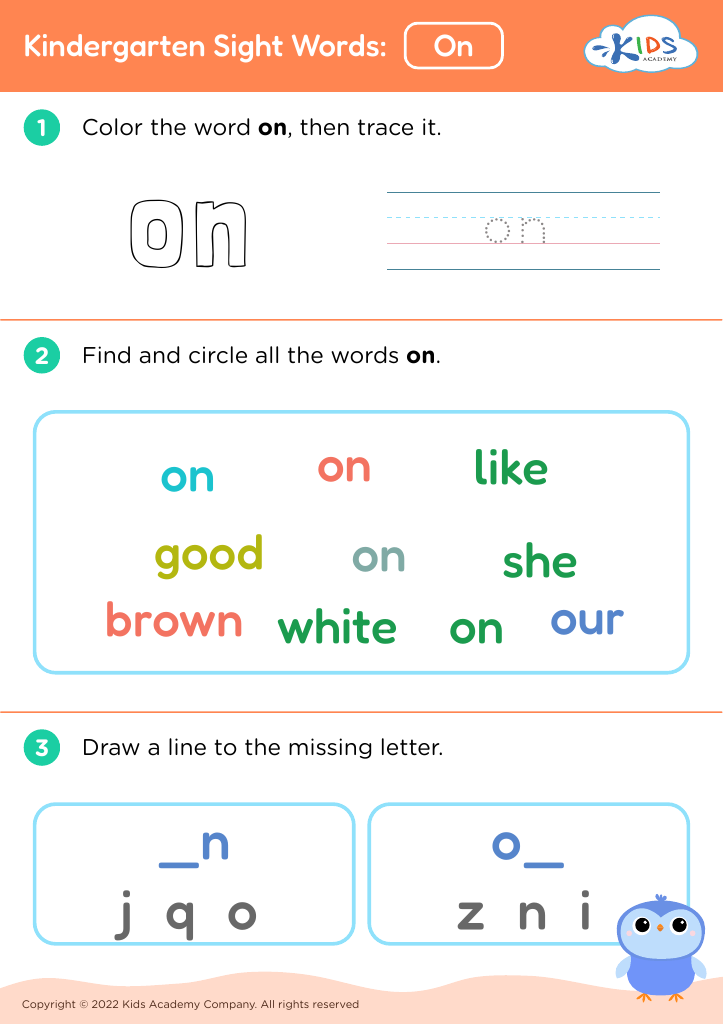
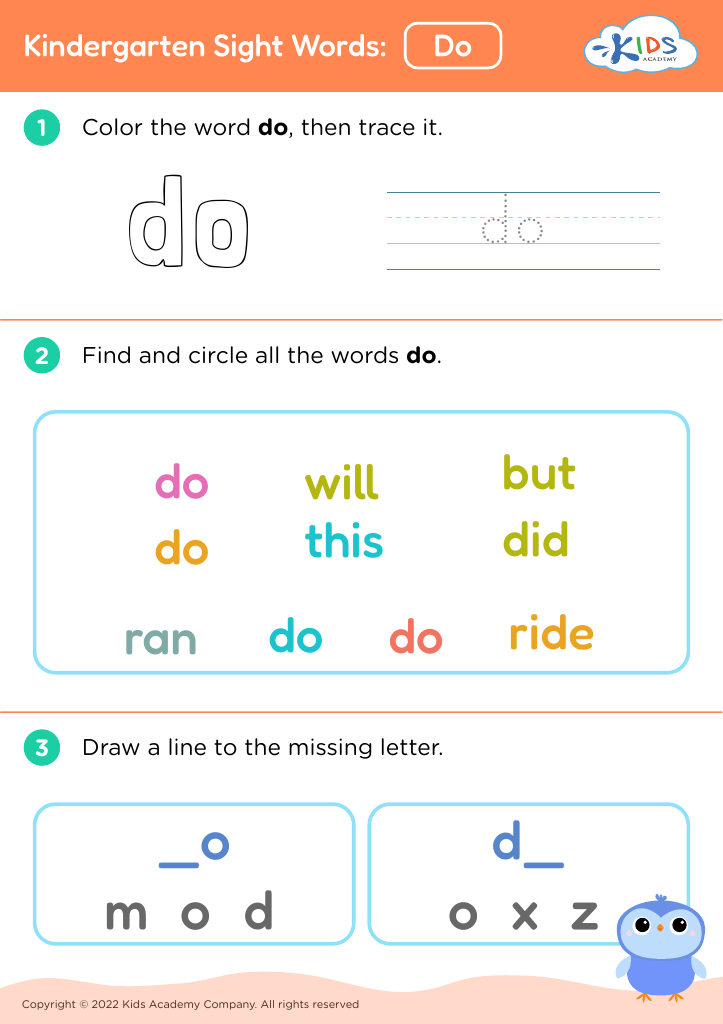
Introduce your young learner to our innovative Mathematical Reasoning Sight Words Worksheets designed for ages 3-8! Combining essential sight words with fundamental math concepts, our worksheets aim to boost both reading and numeracy skills. Engaging activities include counting, pattern recognition, and basic addition, all while reinforcing sight word recognition. Perfect for home or classroom use, these worksheets make learning fun and effective, fostering critical thinking and problem-solving abilities. Ideal for early readers who love to explore numbers and words together. Prepare your child for academic success with our expertly crafted, enjoyable educational resources!










.jpg)



Mathematical reasoning and sight words are foundational skills for children aged 3-8, and they are critical for both cognitive development and future academic success. Mathematical reasoning involves the ability to understand, analyze, and solve problems using mathematical concepts. Developing this skill early on helps children build strong problem-solving abilities, promotes logical thinking, and improves their capacity to handle more complex math later in life. Early exposure to math concepts like counting, patterns, and simple arithmetic sets a strong base for future learning, fosters self-confidence, and enhances critical thinking skills.
Sight words, on the other hand, are high-frequency words that children are encouraged to recognize instantly without needing to sound them out. Mastery of sight words is crucial for developing reading fluency, comprehension, and overall literacy. When children can quickly identify and understand common words, it frees cognitive resources for processing and enjoying the text, resulting in a smoother, more enjoyable reading experience.
Parents and teachers should prioritize these two skills because they foster essential educational attainment. A strong foundation in mathematical reasoning and sight word recognition not only makes the transition to more complex tasks smoother but also instills a lifelong love for learning. Providing early and consistent exposure to both helps children develop into well-rounded, capable, and confident students.