Logical Reasoning Community Worksheets for Ages 3-8
4 filtered results
-
From - To
Welcome to our "Logical Reasoning Community Worksheets for Ages 3-8" page! Here, young learners can explore engaging activities designed to enhance their cognitive skills while connecting with their community. Our printable worksheets focus on logical reasoning, encouraging children to think critically, solve problems, and develop essential reasoning abilities. Perfect for parents and educators, these age-appropriate resources cover themes like patterns, categorization, and sequencing, making learning fun and interactive. Foster your child's confidence and boost their logical thinking skills with our clever and colorful worksheets that spark curiosity and ignite a love for learning about the world around them!
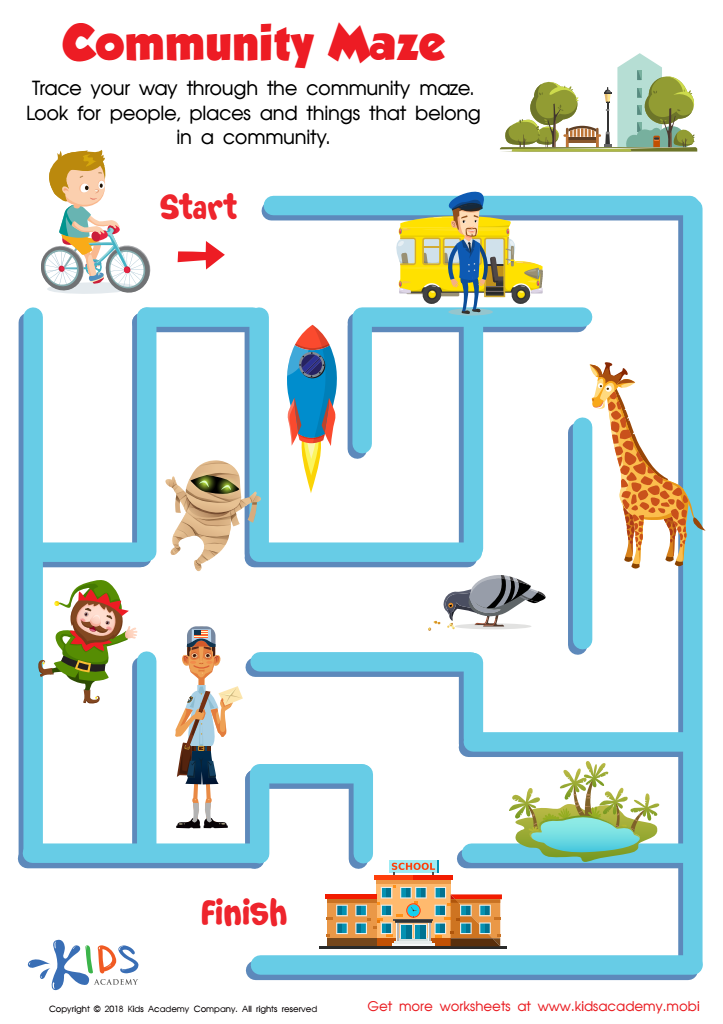
Community Maze Worksheet
 Assign to My Students
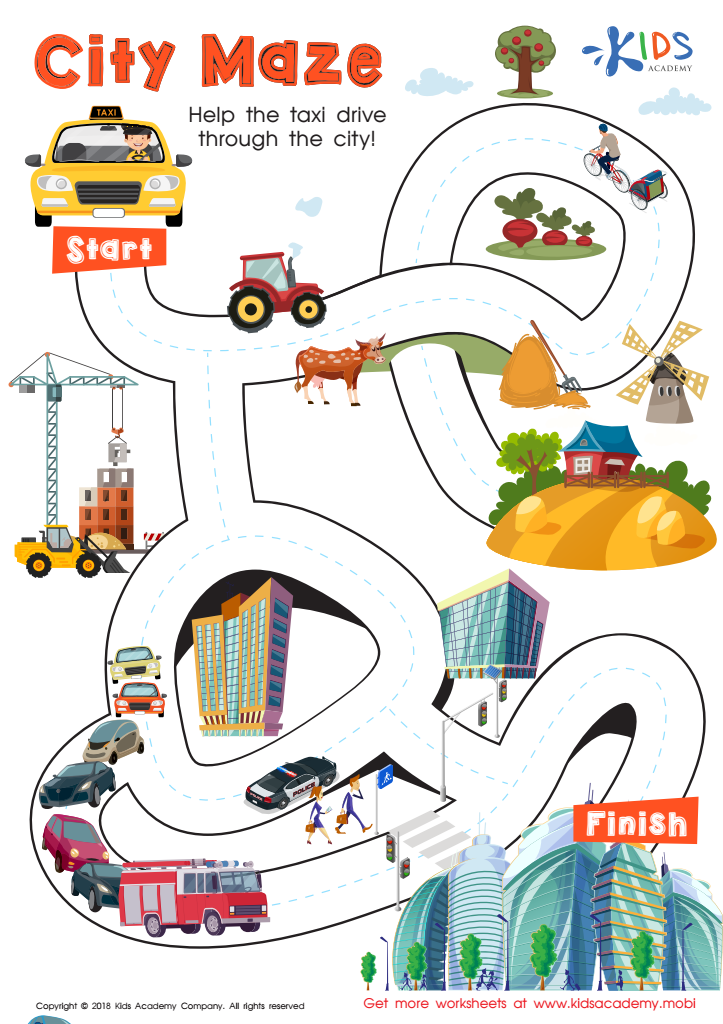
City Maze Worksheet
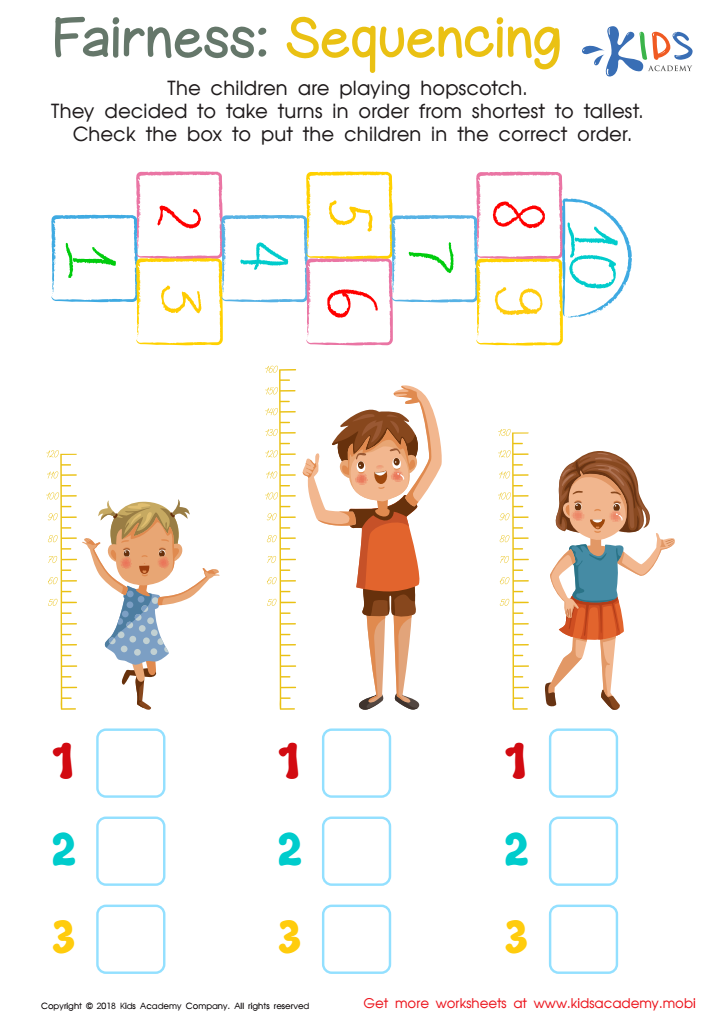
Fairness: Sequencing Worksheet







Parents and teachers should care about the Logical Reasoning Community for Ages 3-8 because it plays a crucial role in early cognitive development. Logical reasoning is foundational for problem-solving and critical thinking skills, which are essential in both academic settings and everyday life. Engaging children in activities that promote logical reasoning helps them understand cause-and-effect relationships, pattern recognition, and sequential thinking.
Moreover, children aged 3-8 are naturally curious and eager to learn, making it the ideal time to stimulate their reasoning abilities. The Logical Reasoning Community provides a supportive environment where they can interact with their peers, explore concepts creatively, and learn collaboratively. This communal approach not only enhances individual learning but also fosters social skills and emotional intelligence.
Additionally, early development of logical reasoning contributes to better performance in math and science later on, setting the groundwork for future educational success. By participating in this community, parents and teachers can access resources, strategies, and games specifically designed to nurture these skills authentically and engagingly. Ultimately, investing in logical reasoning education during these formative years benefits children, teachers, and parents alike, creating a robust foundation for lifelong learning.








