Visual recognition Community Worksheets for Ages 3-8
4 filtered results
-
From - To
Discover our engaging Visual Recognition Community Worksheets designed specifically for children ages 3-8! These captivating resources support early learners in developing essential skills through fun, interactive activities. Our thoughtfully crafted worksheets promote visual recognition, enabling kids to identify community helpers, places, and objects in their environment. With vibrant illustrations and playful formats, children will enjoy honing their observation and critical thinking skills while exploring their communities. Perfect for home or classroom use, these worksheets encourage creativity and foster a sense of belonging. Help your child connect the dots in their world with our delightful visual recognition resources today!
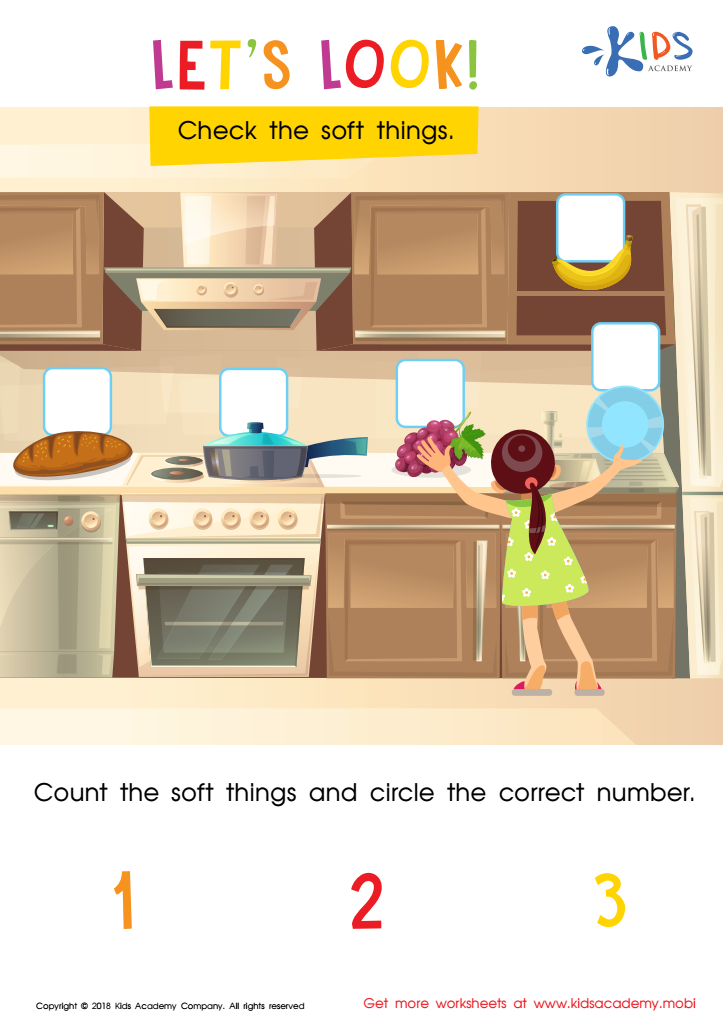
Let's Look! Assessment Worksheet
 Assign to My Students
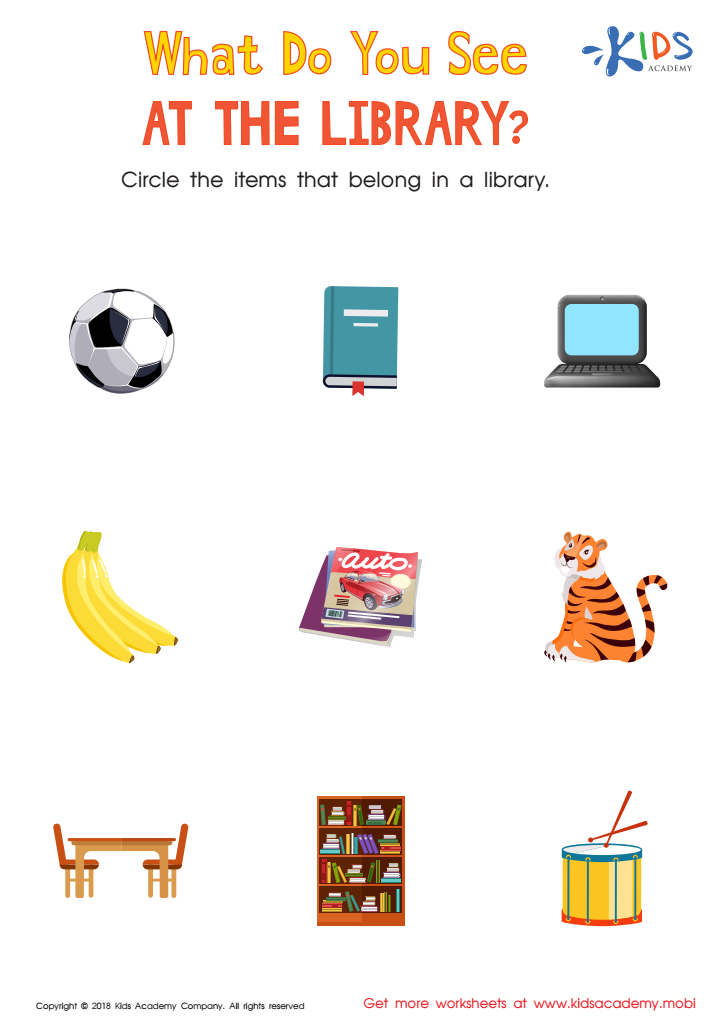
What Do you See at the Library? Worksheet
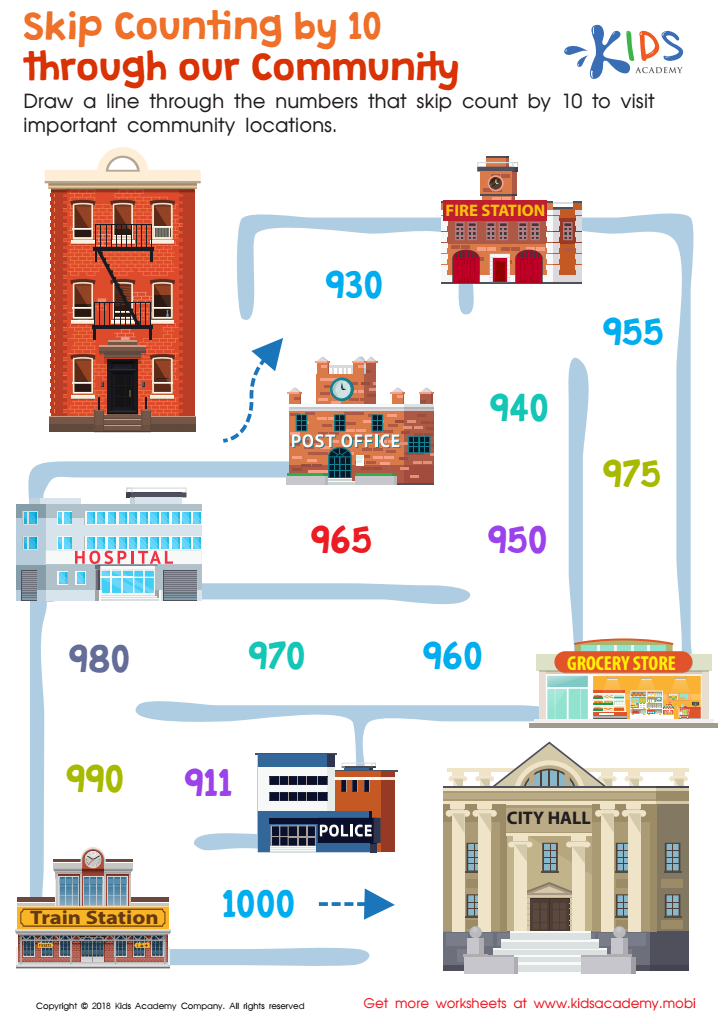
Skip Counting by 10 Through Our Community Worksheet
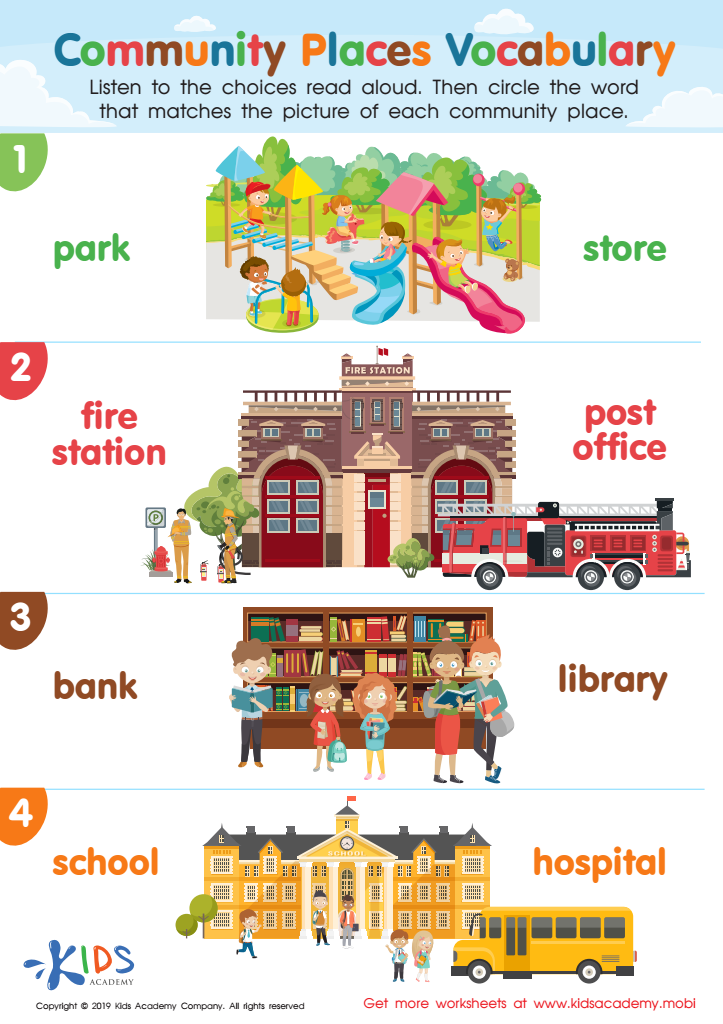
Community Places Vocabulary Worksheet








Parents and teachers should care about Visual Recognition Communities for Ages 3-8 because these communities play a vital role in enhancing children's cognitive and social development. Early childhood is a critical period for learning, and visual recognition skills are foundational for literacy, numeracy, and overall cognitive growth. These skills enable children to identify shapes, symbols, and patterns, which are essential for reading and problem-solving.
Participation in a Visual Recognition Community provides children with engaging opportunities to explore visual content in interactive ways, aiding their comprehension and retention. Additionally, these communities often promote collaborative learning experiences where children can engage with peers, fostering essential social skills such as teamwork, communication, and empathy.
Moreover, by involving children in a supportive environment focused on visualization and recognition, educators and parents ensure children build confidence in their abilities. Such participation also informs caregivers about children’s learning milestones, allowing them to tailor educational approaches to meet unique needs.
In summary, Visual Recognition Communities not only equip young children with necessary cognitive skills, but they also promote social connections and confidence, which are crucial as they prepare for formal schooling and the broader world. Investing in these communities ultimately nurtures well-rounded, skilled, and socially adept individuals.