Vocabulary Building Community Worksheets for Ages 3-8
4 filtered results
-
From - To
Enhance your child's language development with our "Vocabulary Building Community Worksheets for Ages 3-8". Perfectly designed by education experts, these fun, engaging worksheets help children explore their communities while learning new words. Each printable worksheet is filled with colorful illustrations and activities that make vocabulary building an exciting adventure. The focus on community-themed vocabulary prepares children with the essential language skills they need to describe the world around them. Give your child a solid foundation for reading and comprehension with our easy-to-use resources, and watch as their confidence and communication skills blossom. Ideal for both home and classroom use!
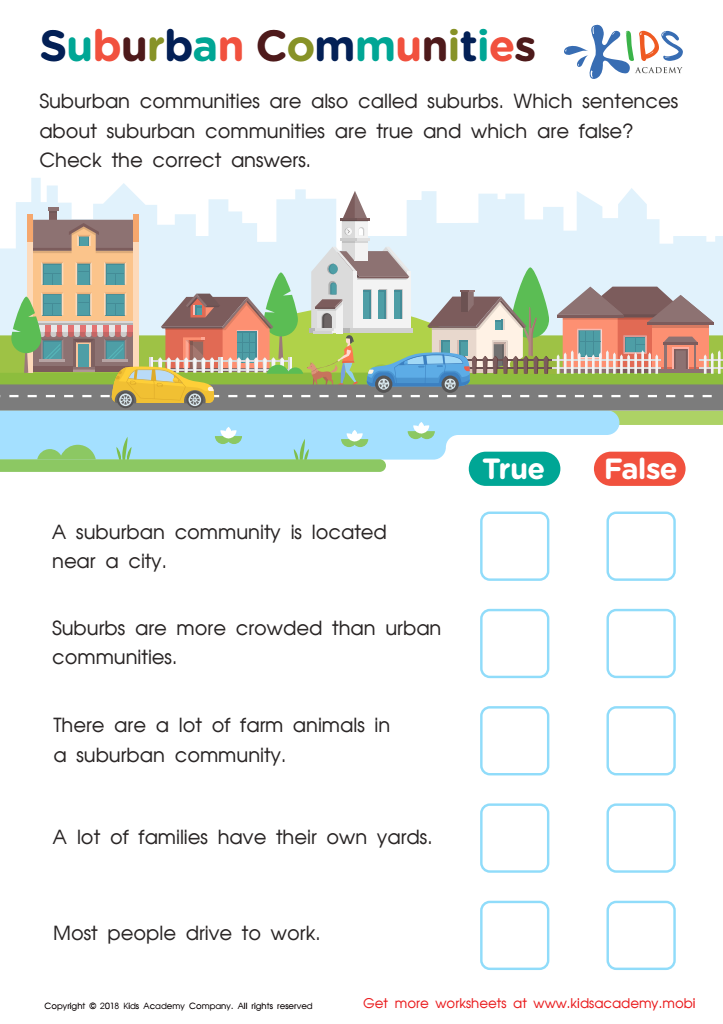
Suburban Communities Worksheet
 Assign to My Students
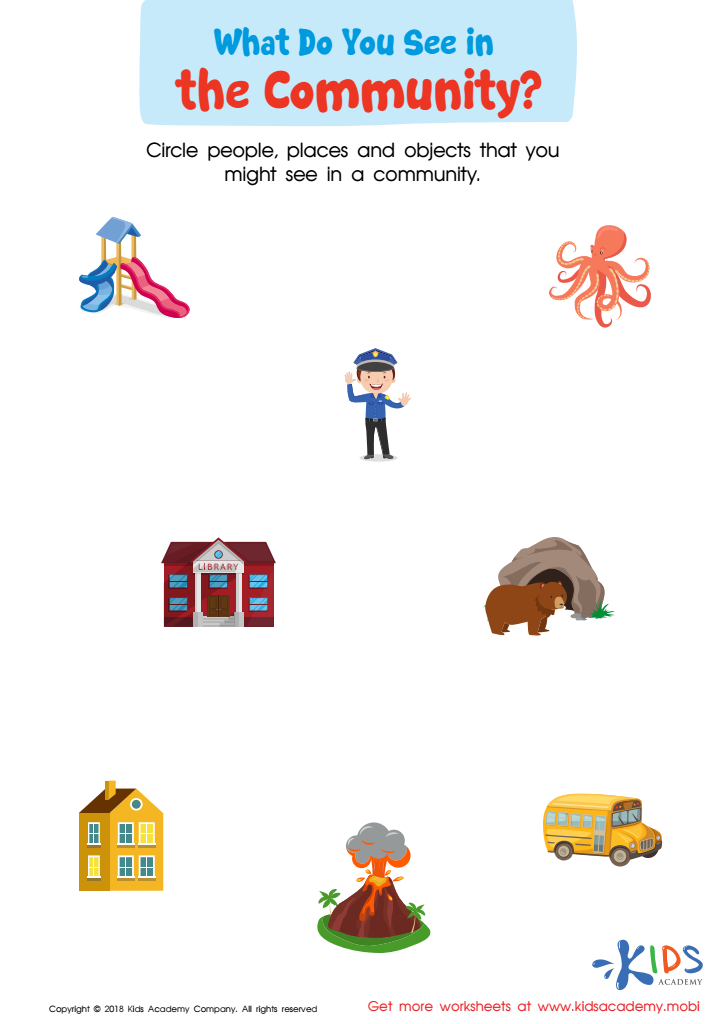
What Do You See in the Community Worksheet
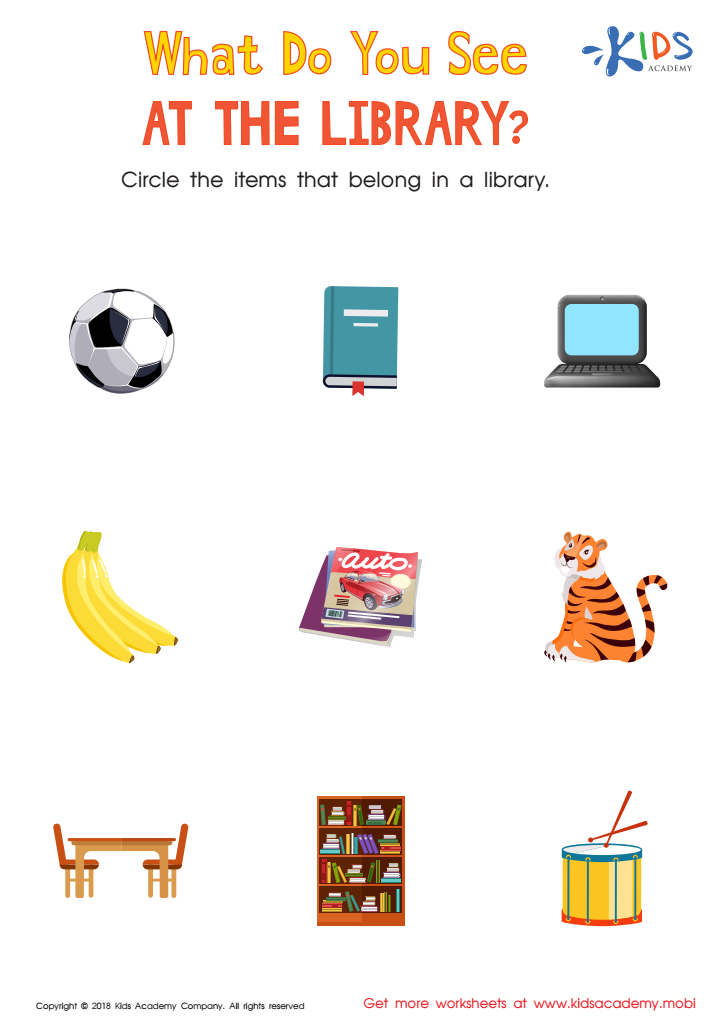
What Do you See at the Library? Worksheet
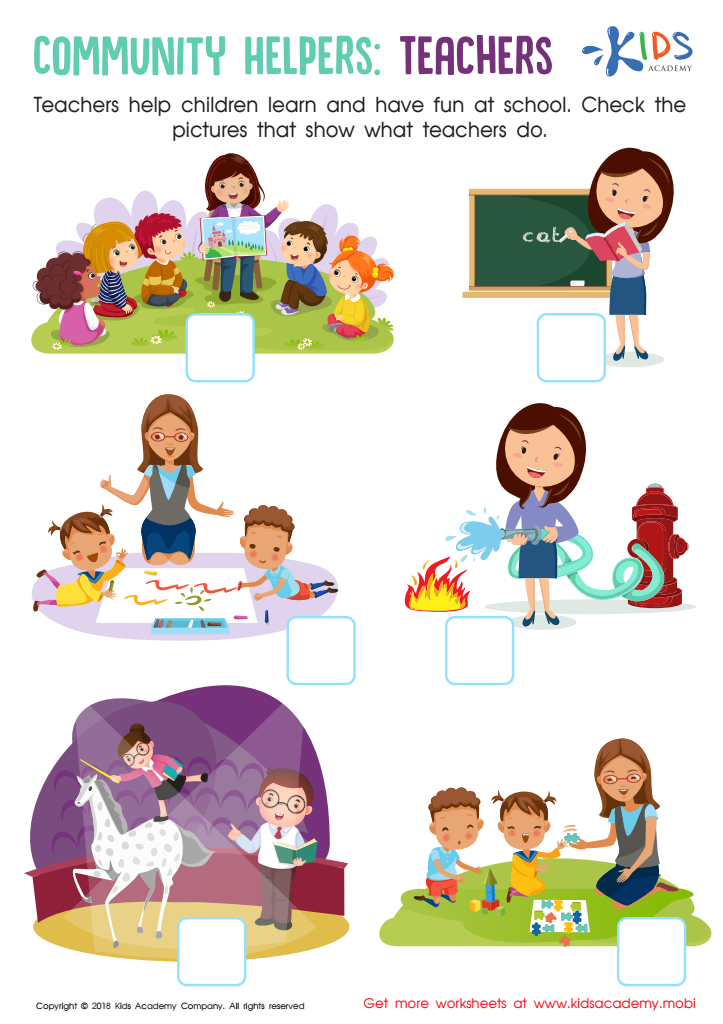
Teachers Community Helpers Worksheet








Developing a robust vocabulary in early childhood is fundamental for future academic success, and a Vocabulary Building Community for ages 3-8 offers an essential network to support this growth. Parents and teachers should care deeply about such a community because it fosters an environment of meaningful language interactions. Children within this age bracket experience rapid brain development, and their ability to understand and use language is a key component of cognitive and social development.
A well-rounded vocabulary allows children to express themselves clearly, understand instructions better, and engage more fully with their learning environment. For instance, a child who knows the term "gigantic" versus just "big" can more precisely articulate their thoughts and comprehend more complex stories. This specificity promotes better reading comprehension and critical thinking skills, laying a solid foundation for future educational challenges.
Furthermore, vocabulary building through interactive activities, storytelling, and creative play within a community setting enhances children's social skills. They learn to collaborate, negotiate, and empathize with peers through shared linguistic experiences. For teachers and parents, being part of such a community provides resources, support, and innovative strategies tailored to nurture a child's ongoing development. Therefore, investing in a Vocabulary Building Community is a proactive step towards enriching a child's life-long learning journey.








