
Understanding history History Worksheets for Ages 3-8
7 filtered results
Difficulty Level
Grade
Age
-
From - To
Subject
Activity
Standards
Discover the engaging world of history with our "Understanding History Worksheets for Ages 3-8." Tailored to young learners, these worksheets make history fun and accessible. Designed by education experts, our printables cover key historical concepts and events, helping children develop a sense of time and context. Each worksheet is filled with age-appropriate activities that foster curiosity and build foundational knowledge, perfect for early grade students. Whether exploring famous figures or understanding simple timelines, our resources provide a playful yet educational approach, ensuring kids build a strong foundational grasp of history while enjoying every lesson.
Favorites
With answer key
Interactive
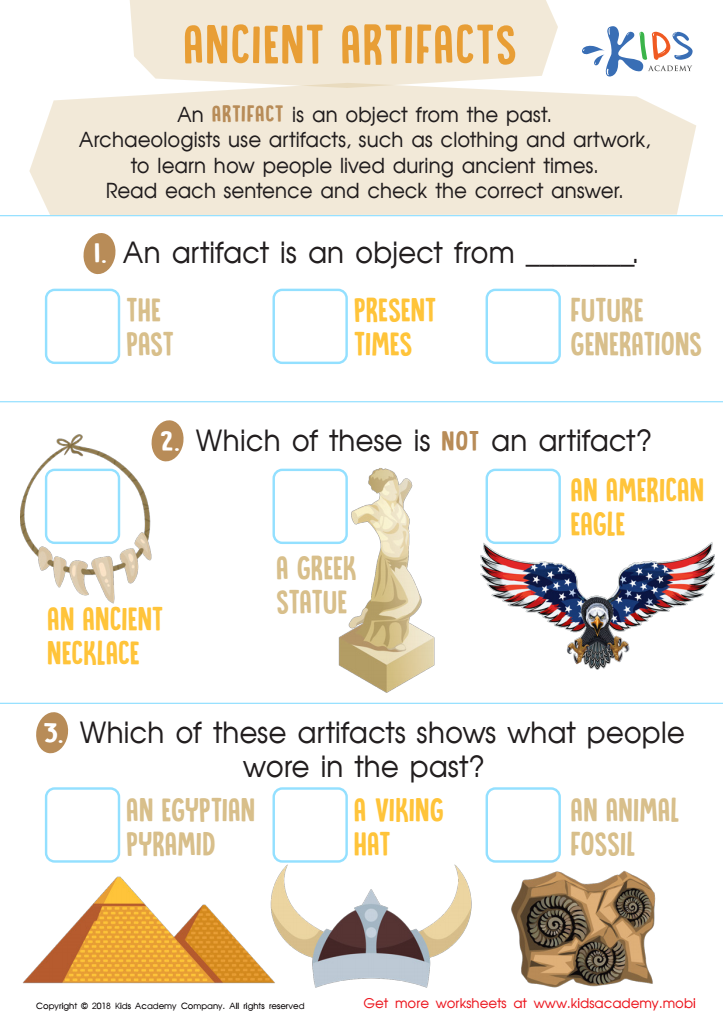
Ancient Artifacts Worksheet
This free worksheet helps kids understand ancient artifacts, from statues to necklaces to fossils. They'll read comprehension questions and select answers from multiple choice options, with pictures to help them grasp the concept. It's a great way for children to learn about artifacts and what they may look like.
Ancient Artifacts Worksheet
Worksheet
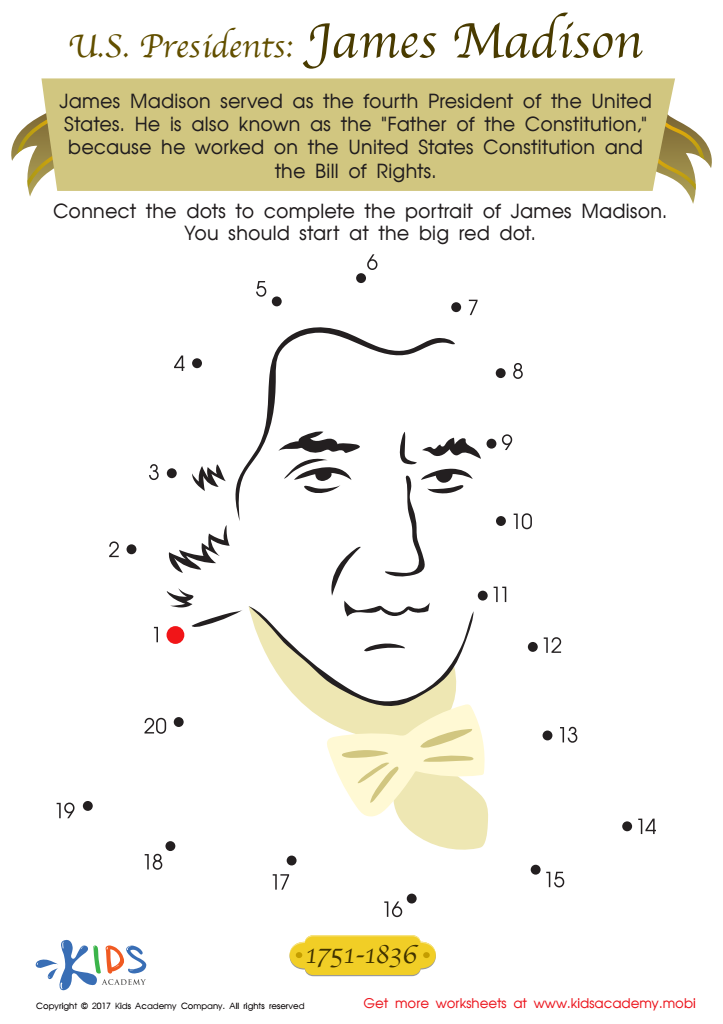
President Madison Printable
Introduce your child to the nation's fourth president, James Madison. This worksheet helps them learn about the "Father of the Constitution" and his contributions to American history. Discover Madison's legacy with your child today!
President Madison Printable
Worksheet
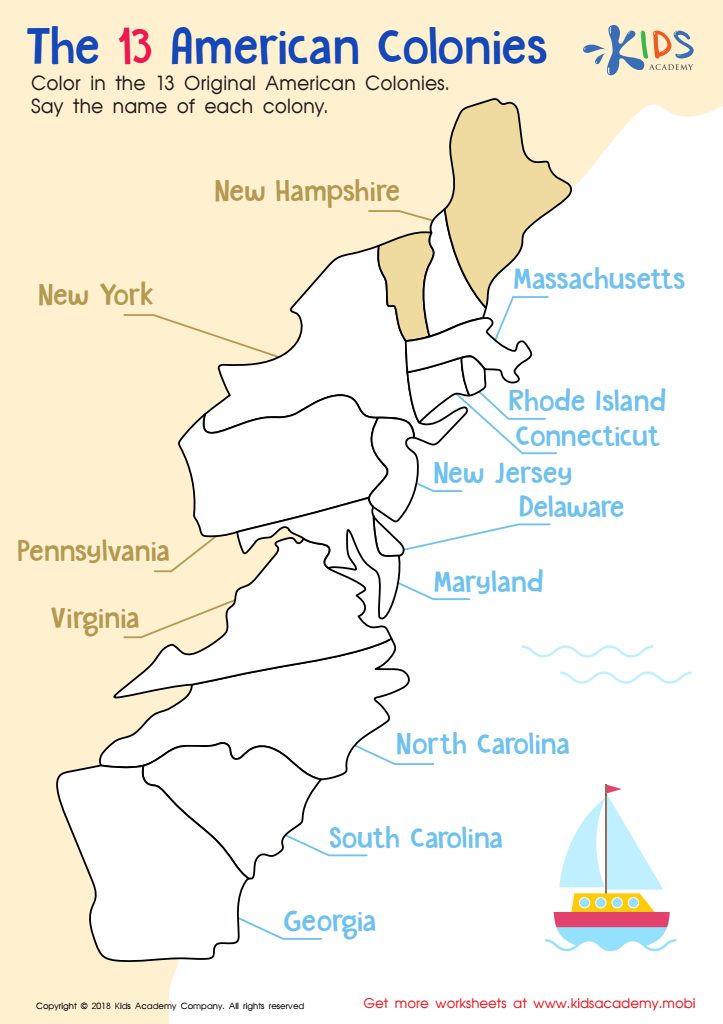
The 13 American Colonies Worksheet
Ensure kids are knowledgeable in maths, English, science, history, and geography. Test their American knowledge: Can they name the 13 Original American Colonies? Use the worksheet; have them color each colony and name it out loud.
Download (PDF)
 Assign to My Students
Assign to My Students
The 13 American Colonies Worksheet
Worksheet
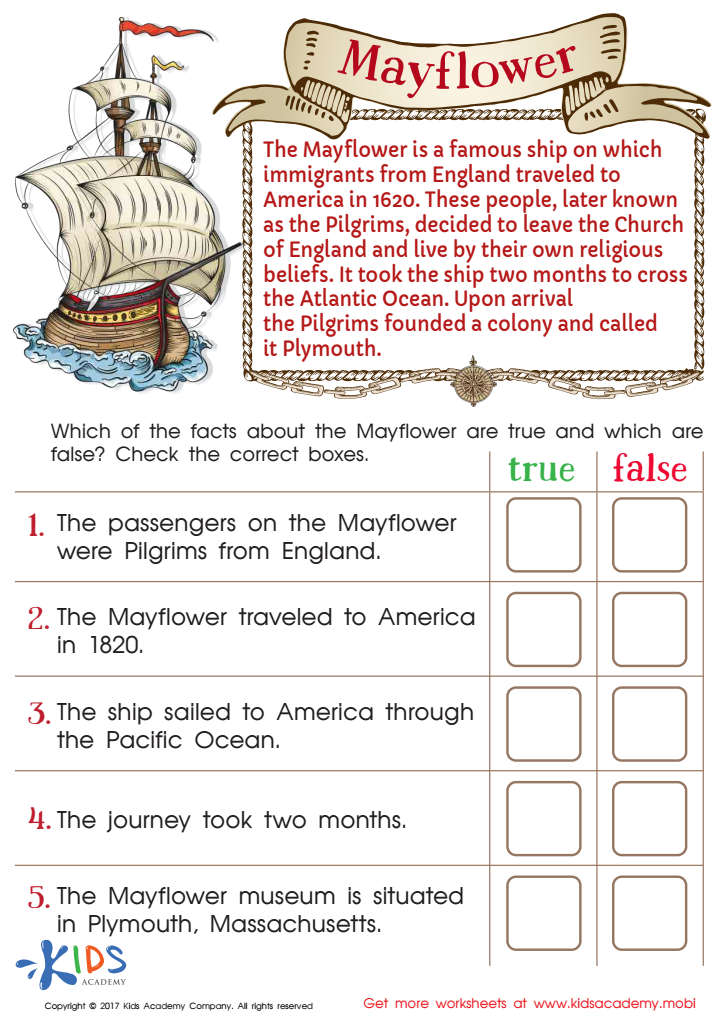
Free Mayflower Worksheet
Improve your child's knowledge of American history with this fun Mayflower worksheet! Have them read through and determine if each statement is true or false regarding the journey of the Mayflower. Download the free PDF and get started!
Free Mayflower Worksheet
Worksheet
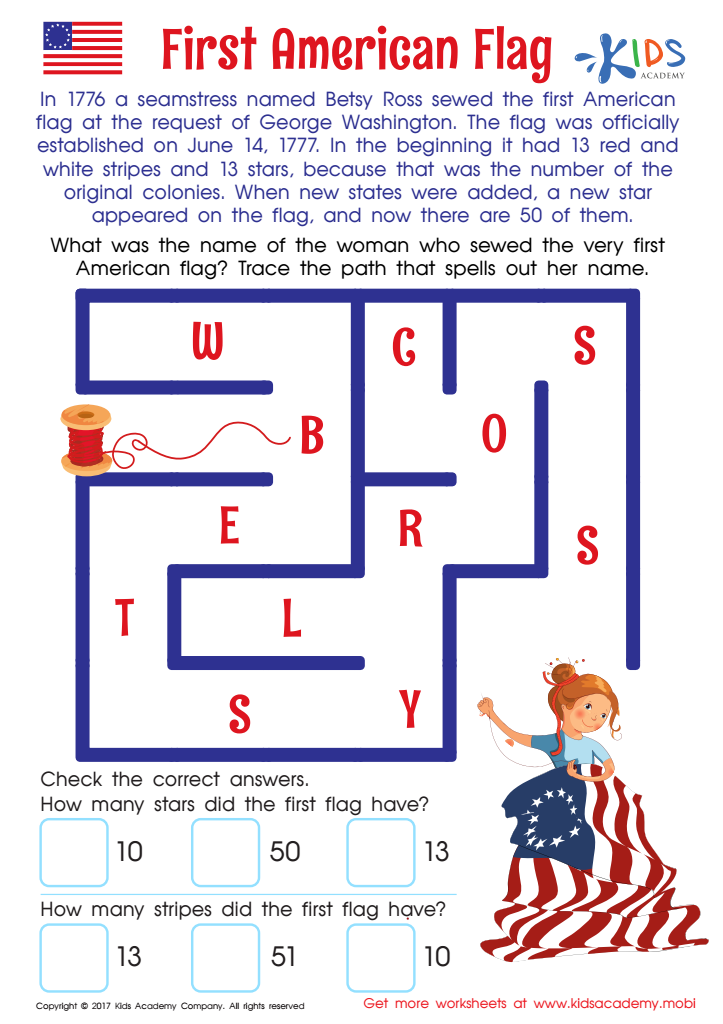
First American Flag Worksheet
Betsy Ross sewed the first American flag at the request of George Washington. This worksheet helps kids learn about this milestone in U.S. history, plus the design and origins of the flag.
First American Flag Worksheet
Worksheet
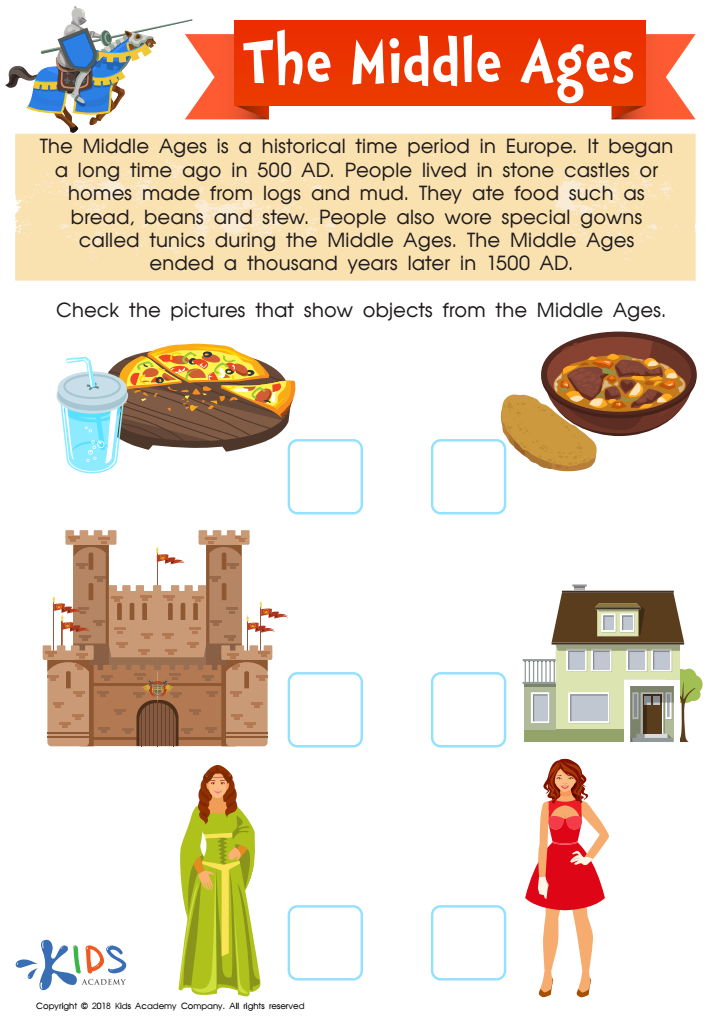
The Middle Ages Worksheet
History can be made exciting with this PDF! It encourages kids to compare and contrast the Middle Ages. They'll explore what people lived in, ate and wore back then, then compare those characteristics to modern day. Kids can check boxes next to pictures that represent the Middle Ages to complete the activity.
The Middle Ages Worksheet
Worksheet
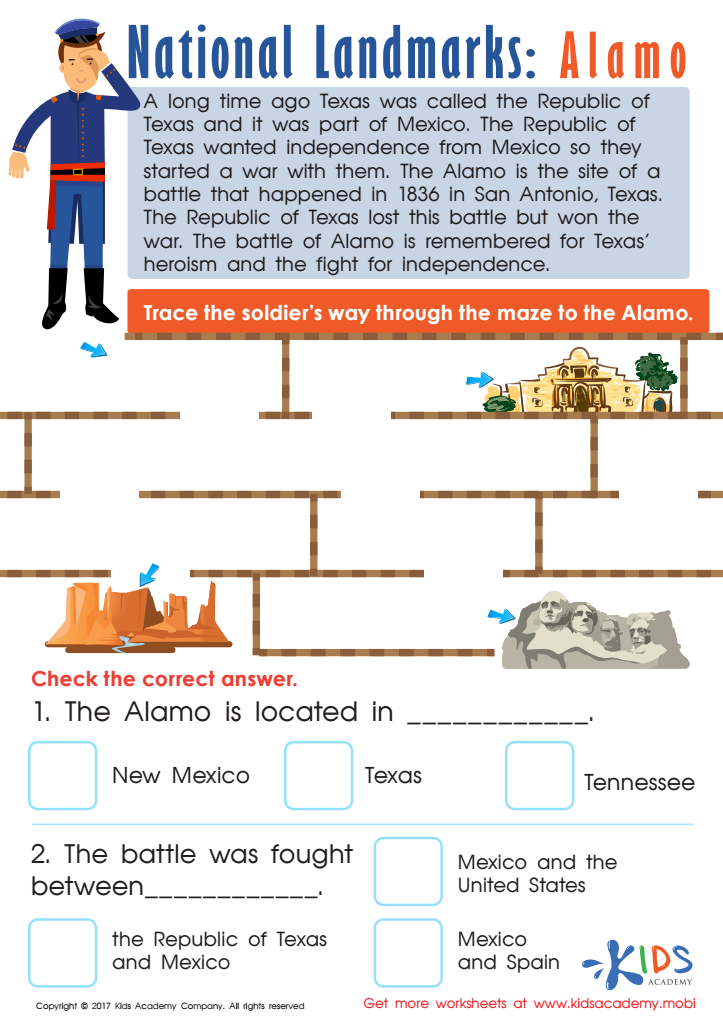
Alamo Printable Worksheet
Take your child on an educational journey to the Alamo! Our printable worksheet offers an interactive maze to explore the Republic of Texas and the fight for independence from Mexico.
Alamo Printable Worksheet
Worksheet
Join Kids Academy for Free
Who is primarily going to use this learning content?








At ages 3-8, children are naturally curious and open to learning, making it a perfect time to introduce the fundamentals of history. One key reason parents and teachers should prioritize teaching history is to foster a sense of identity and belonging. Understanding historical events, different cultures, and heritage helps young children form a connected self-awareness. They start to appreciate their backgrounds, celebrate diversity, and understand the shared human experience.
Moreover, learning history at an early age strengthens critical thinking and empathy. When kids learn about past events, figures, and societal changes, they begin to understand cause-and-effect relationships and the concept of time. This allows them to grasp not only what occurred but why it happened, encouraging analytical thinking. Stories from history also develop empathy by teaching children to put themselves in others' shoes, understanding diverse perspectives and emotions.
Lastly, history is a foundational tool for teaching morals and values. Exploring heroic deeds and societal advancements alongside mistakes and injustices, children learn valuable lessons about ethics, community, and perseverance. By introducing history to children ages 3-8, parents and teachers set the stage for informed, empathetic, and thoughtful future citizens.
In sum, early exposure to history shapes identity, deepens critical thinking, nurtures empathy, and moral understanding, greatly benefiting young learners' overall development.








