Adjective identification Grammar Worksheets for Ages 3-8
3 filtered results
-
From - To
Explore our engaging Adjective Identification Grammar Worksheets designed for children ages 3-8! These interactive activities introduce young learners to the vibrant world of adjectives, helping them describe people, places, and things more effectively. Each worksheet features colorful graphics and age-appropriate exercises that encourage creative thinking and enhance literacy skills. Your child will gain confidence in identifying adjectives through fun fill-in-the-blank tasks, matching games, and creative writing prompts. Perfect for both classroom and home learning, our worksheets make grammar an enjoyable experience! Start nurturing your child's language development today and watch their storytelling abilities flourish!
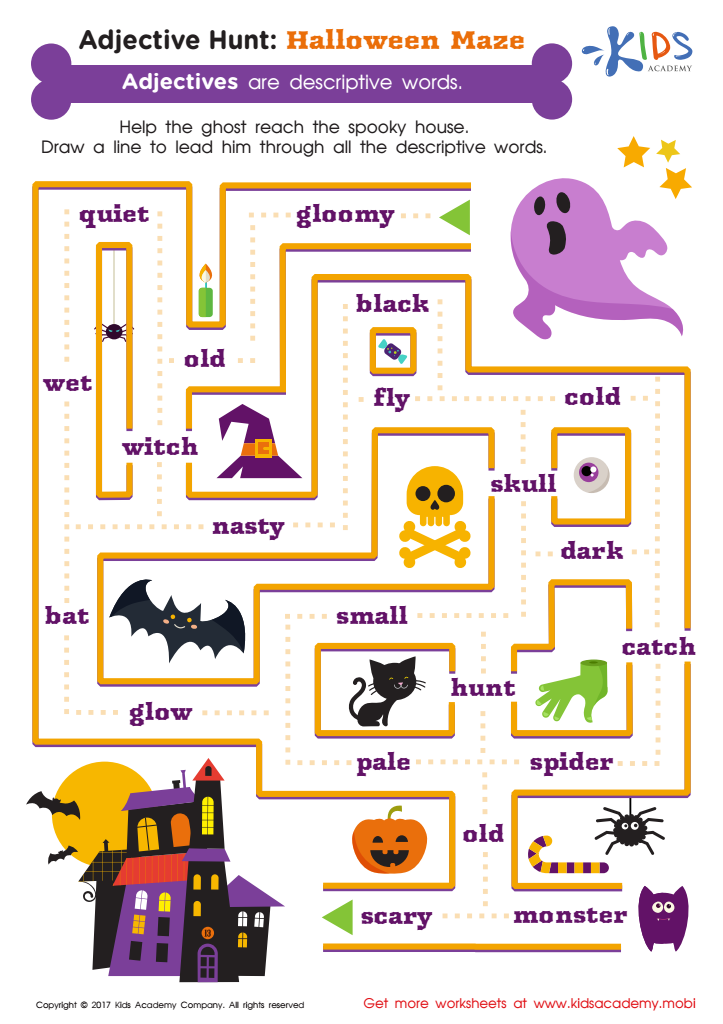
Adjective Hunt Printable
 Assign to My Students
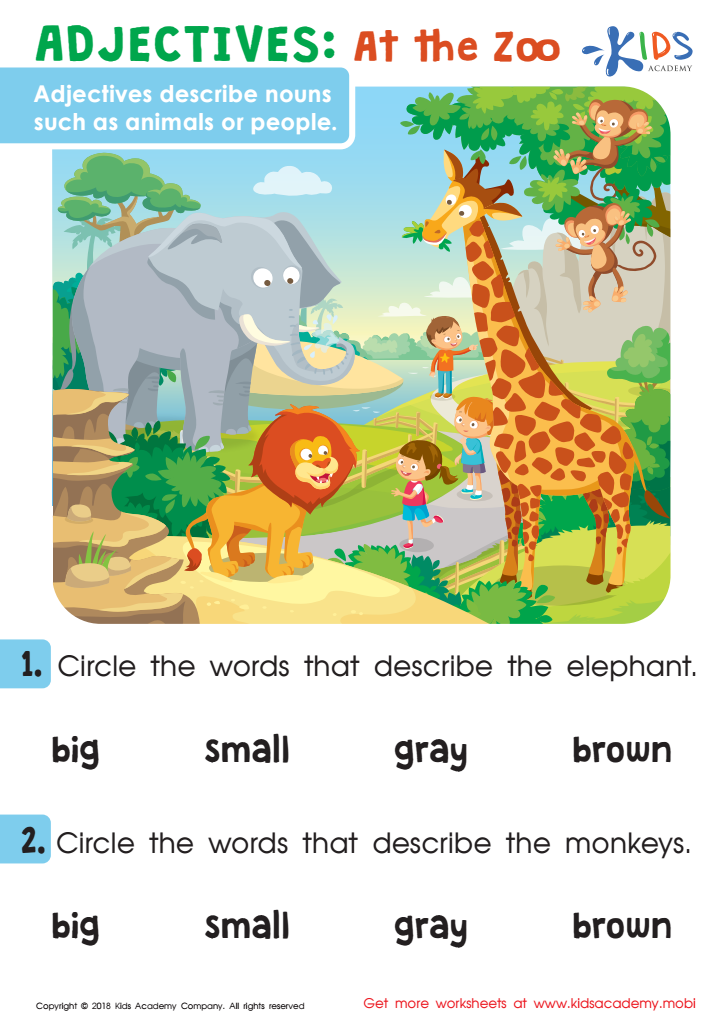
Adjectives: At The Zoo Worksheet
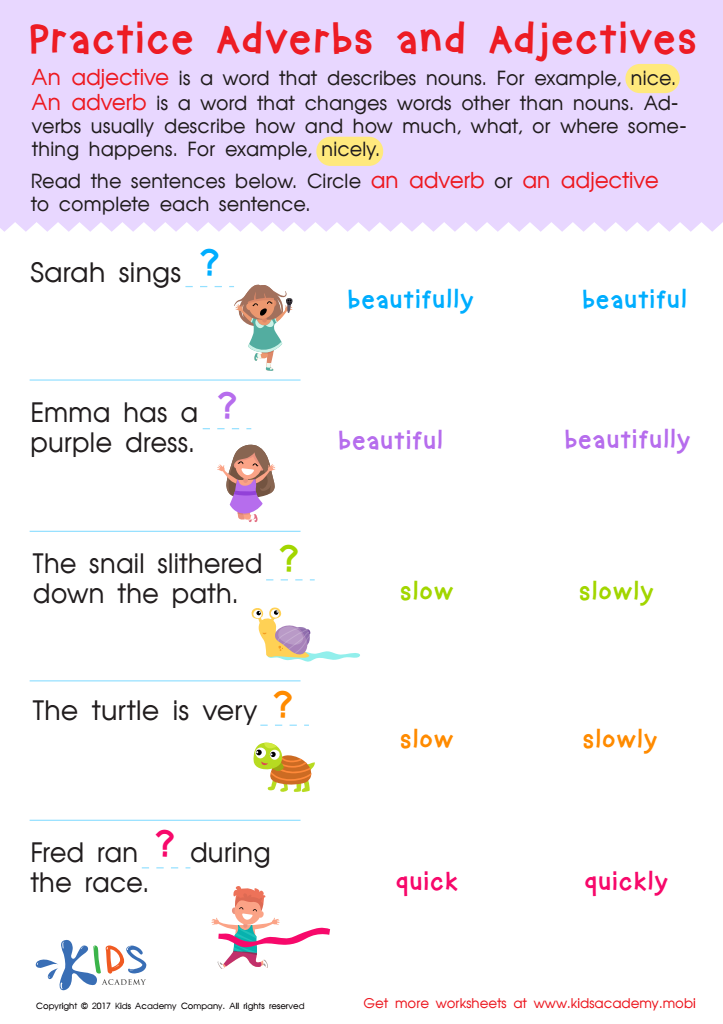
Adverbs and Adjectives Worksheet



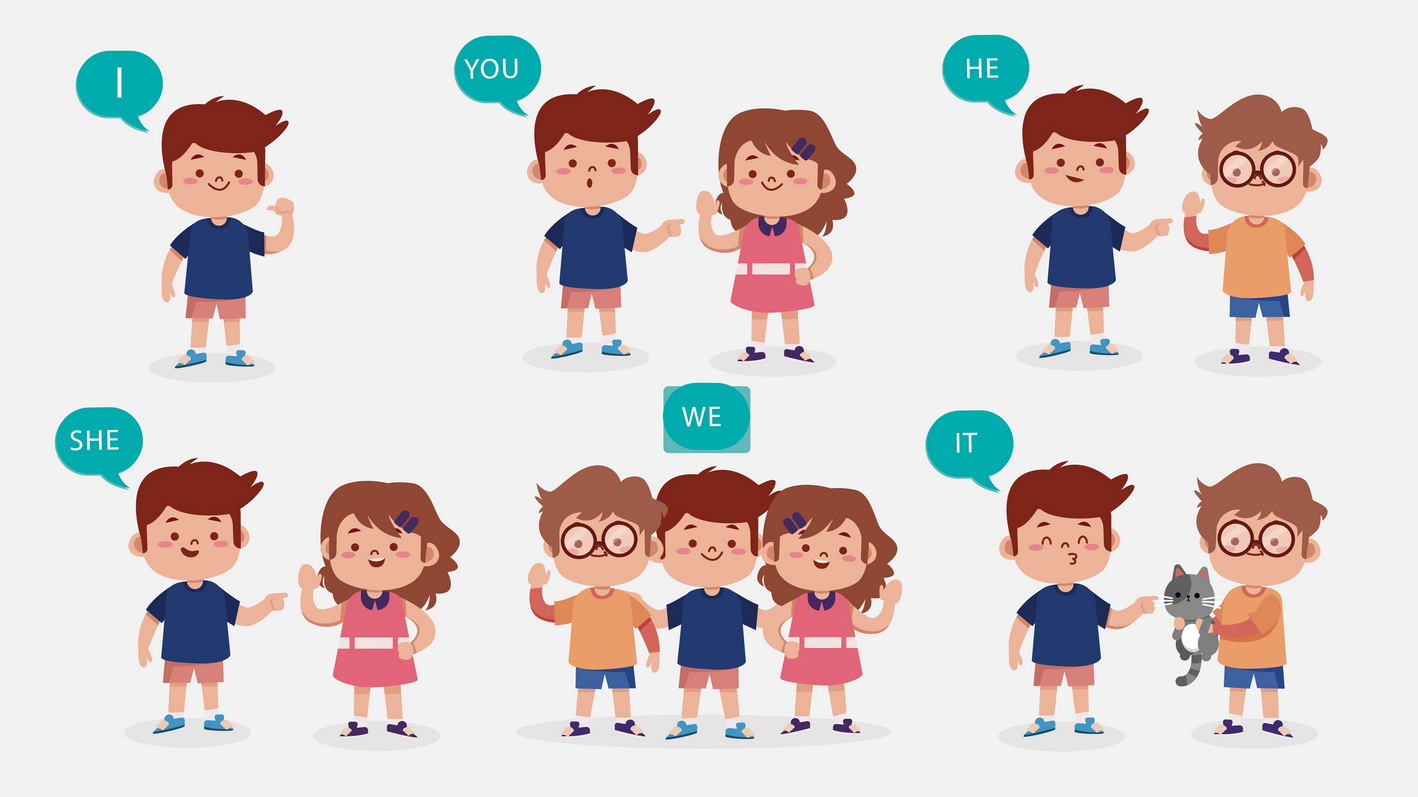
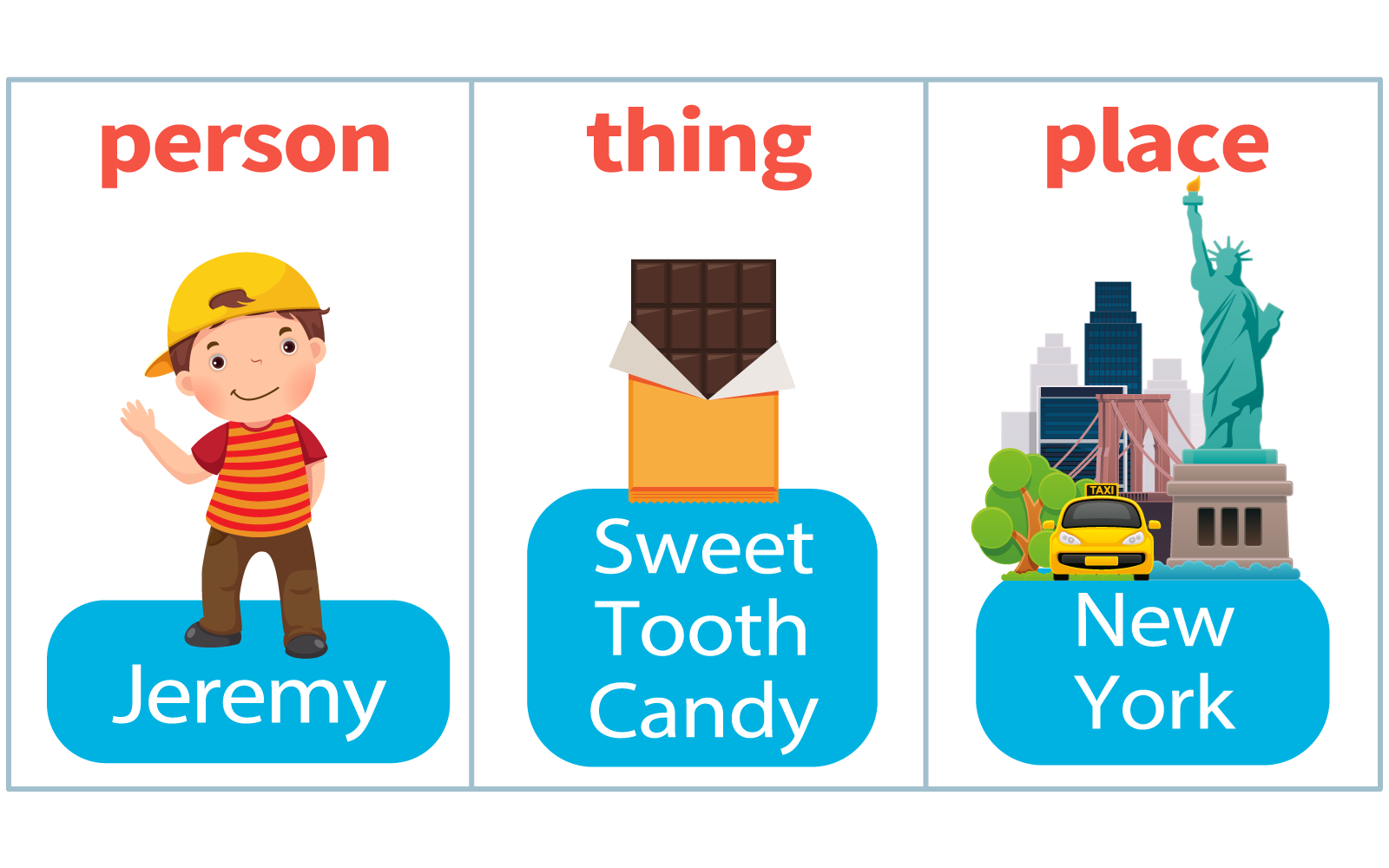



Understanding adjective identification is crucial for children aged 3-8 as it lays the foundation for their language development and literacy skills. Adjectives are descriptive words that enhance communication by providing more information about nouns. When young learners identify and use adjectives, they enrich their vocabulary and develop a deeper understanding of language structure.
Parents and teachers should care about this aspect of grammar because it encourages children to express themselves more clearly and creatively. For instance, when children learn to describe objects creatively—like saying “big blue balloon” instead of just “balloon”—they become more engaged in storytelling and conversation. This practice not only enhances their descriptive skills but also boosts reading comprehension, helping them become better readers and writers.
Additionally, early identification of adjectives fosters critical thinking skills as children learn to categorize and compare items based on their attributes. Makers of adaptive learning tools emphasize that such grammatical skills also build confidence in communication.
Overall, emphasizing adjective identification in young learners not only promotes effective language use but also nurtures their ability to engage meaningfully with the world around them, making it a valuable focus for both parents and educators.








