Understanding adjectives Grammar Worksheets for Ages 3-8
5 filtered results
-
From - To
Unlock the power of language with our "Understanding Adjectives" grammar worksheets designed for children ages 3-8! These engaging, age-appropriate resources help young learners grasp the concept of adjectives and their role in enhancing writing. With interactive exercises, colorful illustrations, and fun activities, kids will explore how adjectives describe nouns, enabling them to express their thoughts more vividly. Our worksheets cater to various skill levels, ensuring that every child can build their foundational writing skills effectively. Perfect for home or classroom use, these valuable tools will inspire creativity and boost confidence in young writers as they embark on their language journey!
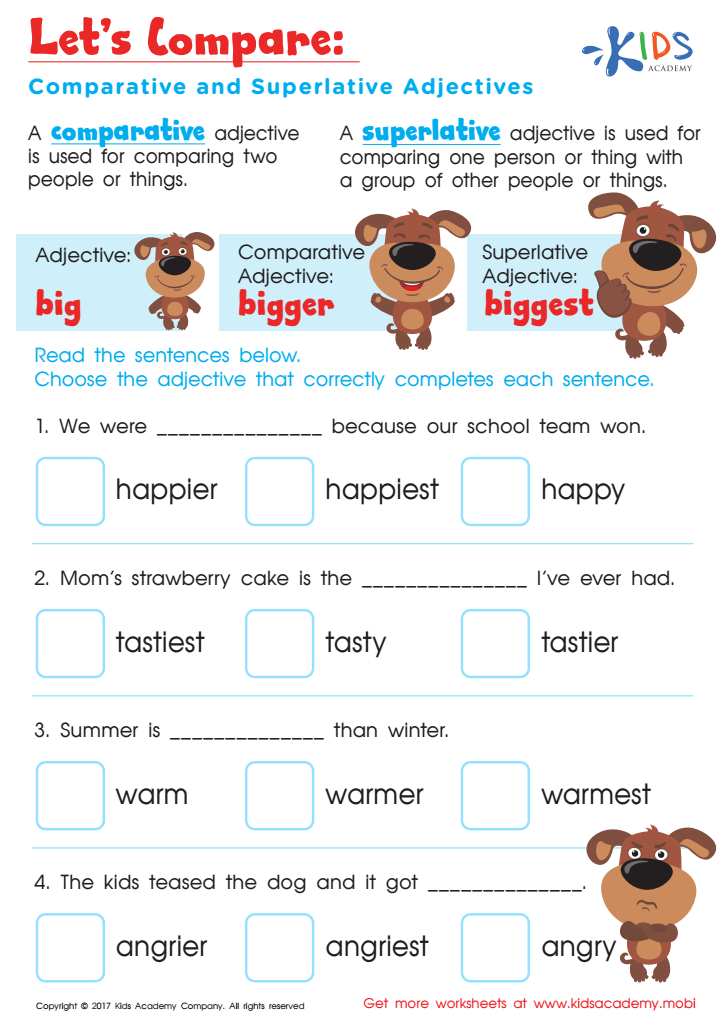
Comparative and Superlative Worksheet
 Assign to My Students
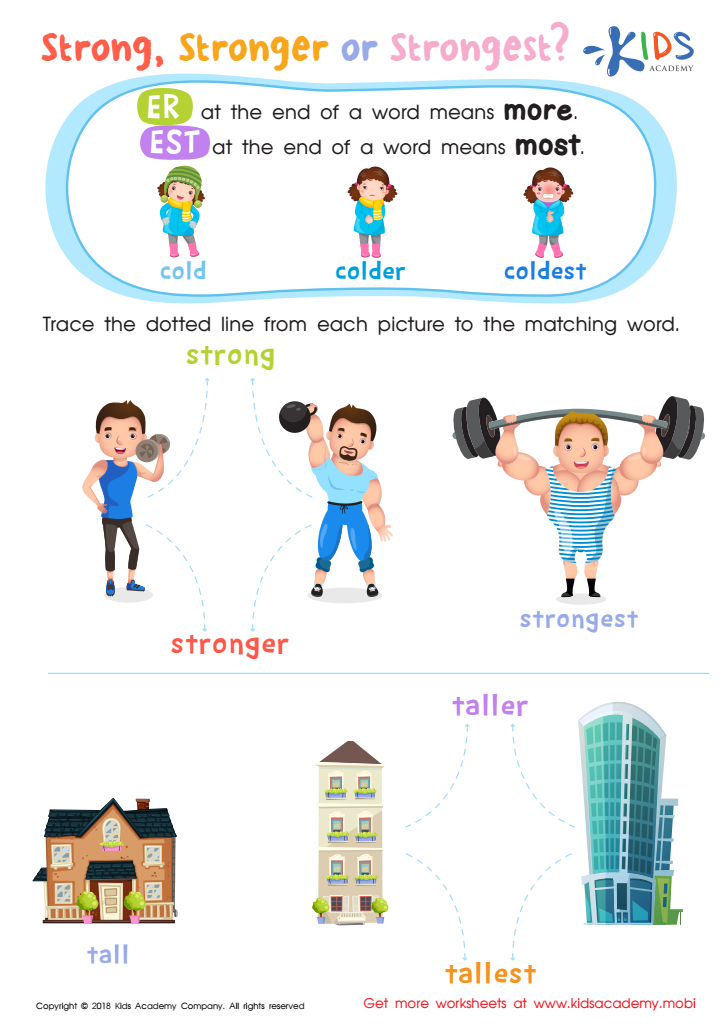
Strong or Stronger? Worksheet
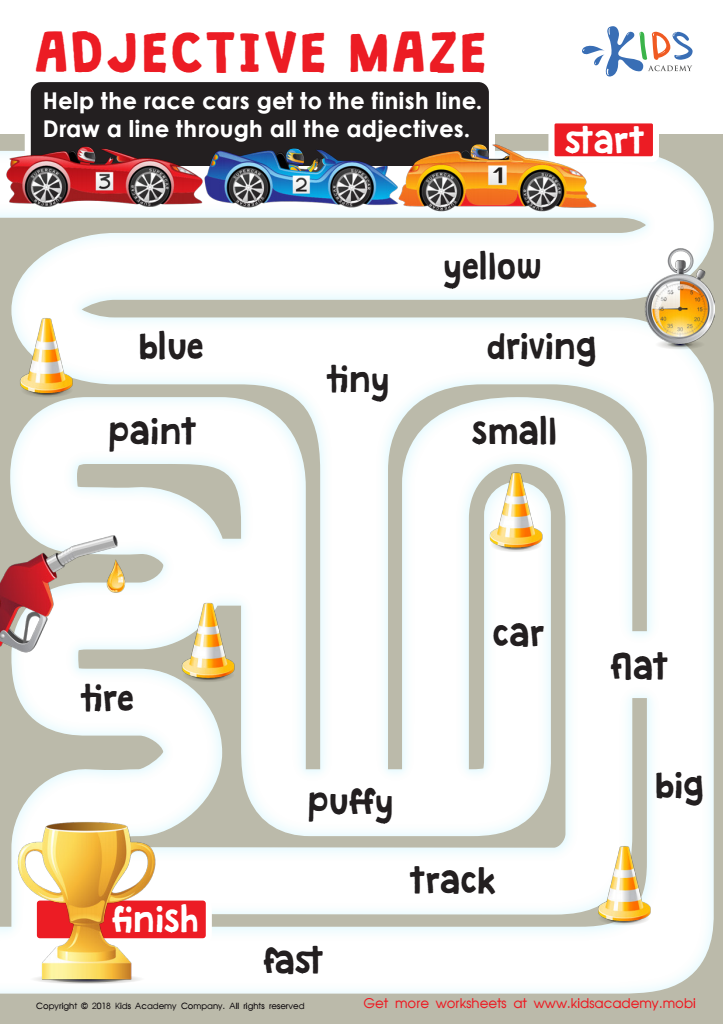
Adjective Maze Worksheet
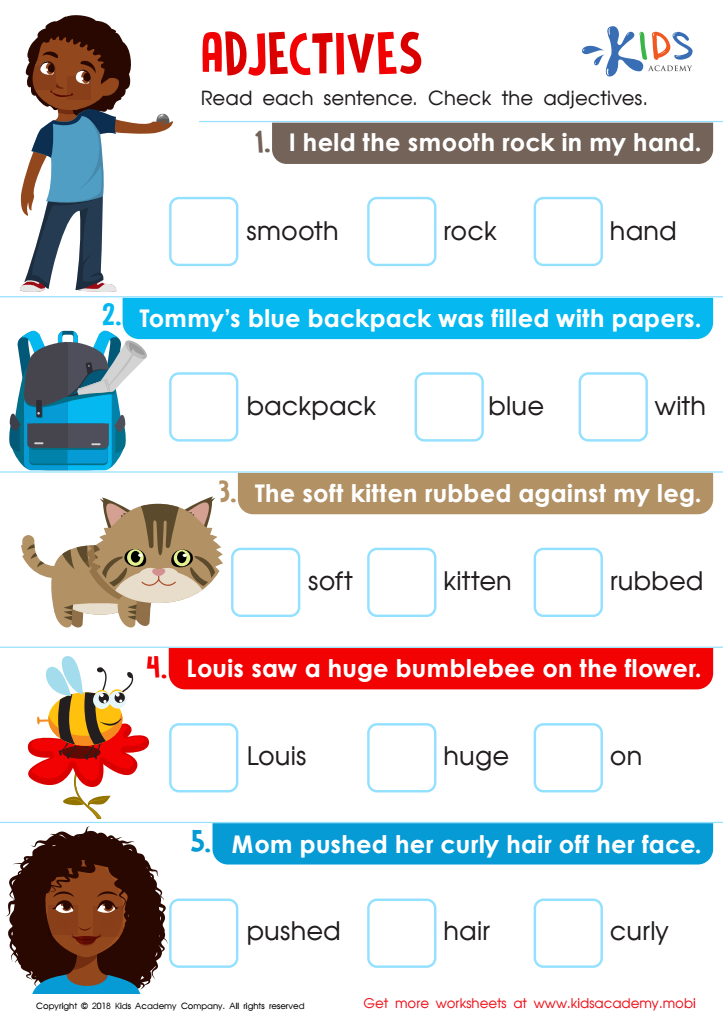
Adjectives Worksheet
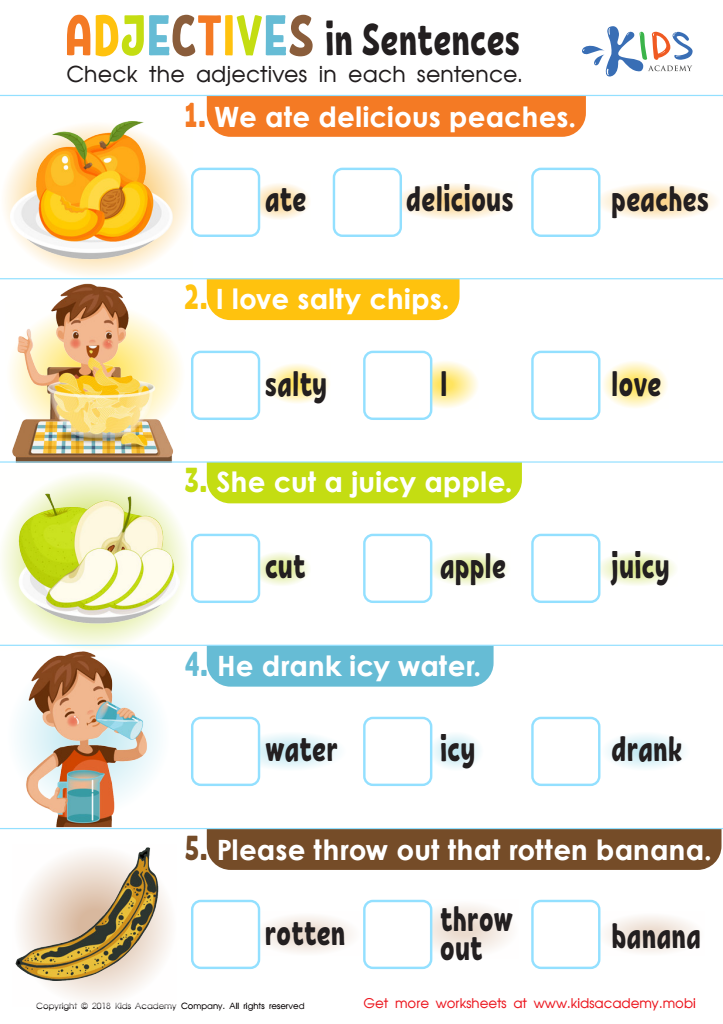
Adjectives in Sentences Worksheet




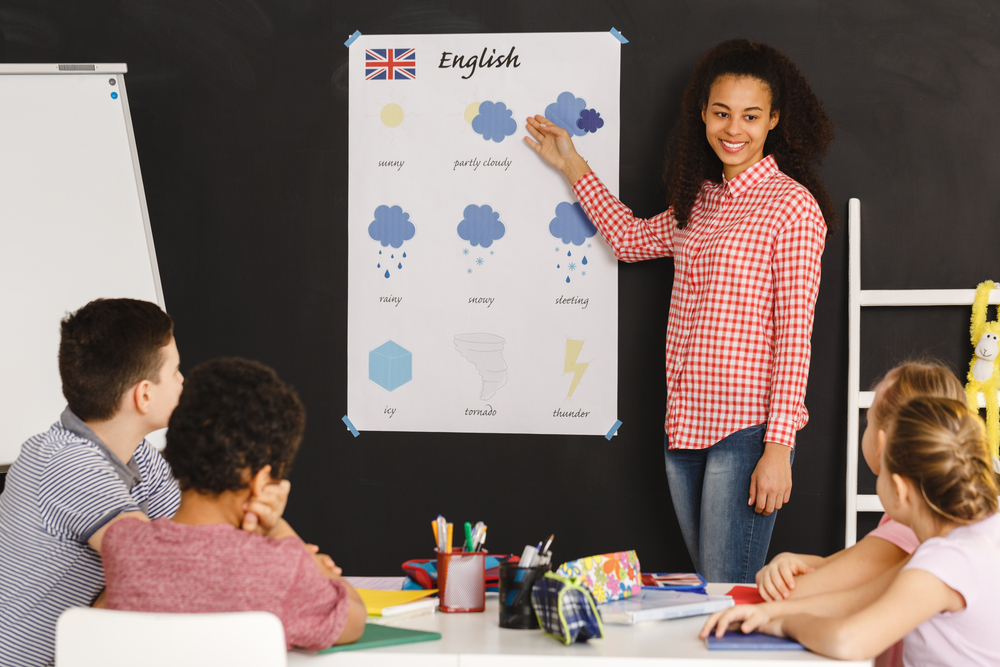

Understanding adjectives is crucial for young learners aged 3-8 because these descriptive words enhance their language skills and communication abilities. During this developmental stage, children are like sponges, soaking up vocabulary and grammar that will form the foundation of their literacy and expression throughout life.
Adjectives play a vital role in making language more colorful and expressive. They help children articulate their thoughts and feelings more precisely by modifying nouns. For instance, instead of merely saying “the dog,” a child can describe “the fluffy brown dog,” painting a clearer picture in the listener’s mind. This skill not only supports effective communication but also boosts comprehension and writing capabilities.
Furthermore, learning about adjectives fosters creativity. Children can elevate their storytelling skills, making their tales more engaging and imaginative by adding description. Engaging with adjectives also enriches readers’ experiences and helps them understand nuanced meanings in texts, enhancing their overall literacy development.
Additionally, parents and teachers support cognitive growth by encouraging expressive language use through playful activities involving adjectives. Thus, understanding adjectives serves as a gateway to improved communication, creativity, and critical thinking, making it essential for both educators and parents to prioritize this grammar aspect in learning.








