Reading comprehension Punctuation Worksheets for Ages 3-8
9 filtered results
-
From - To
Enhance your child's reading skills with our engaging Reading Comprehension Punctuation Worksheets, designed specifically for ages 3-8. These worksheets combine the essential elements of punctuation with comprehension exercises, making learning fun and interactive. By exploring sentences that incorporate various punctuation marks, children will improve their understanding of how punctuation affects meaning and flow. Each worksheet is age-appropriate, catering to different skill levels to ensure progressive learning. Perfect for homeschoolers or classroom activities, these resources foster curiosity and promote language development in young readers. Help your child build a strong foundation in reading comprehension today with our thoughtfully designed worksheets!
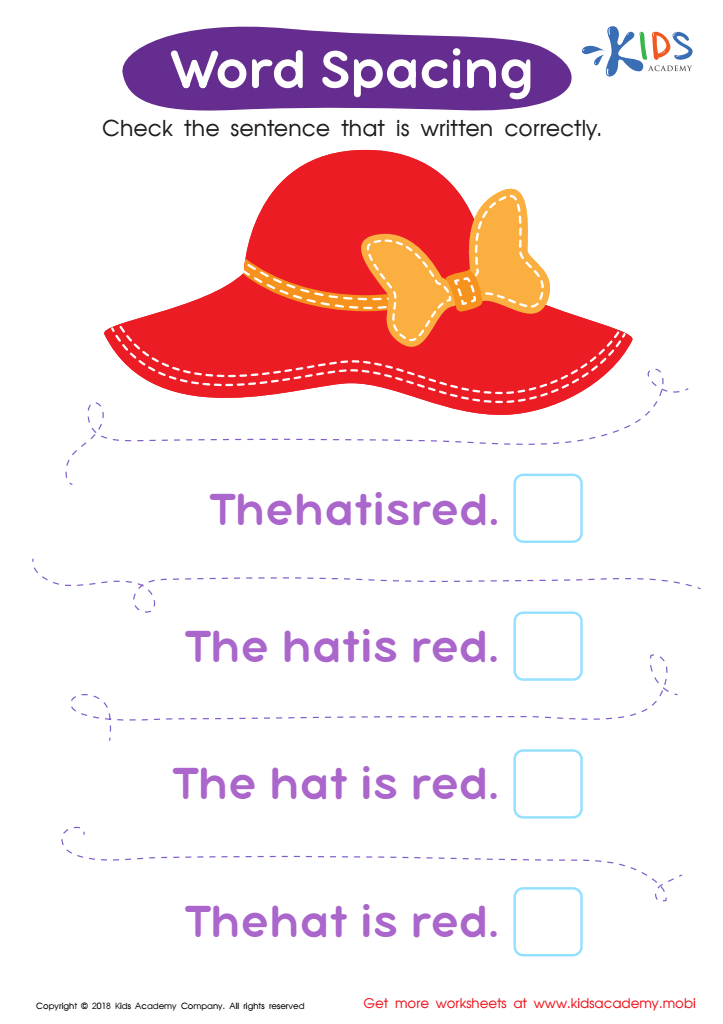
Word Spacing Worksheet
 Assign to My Students
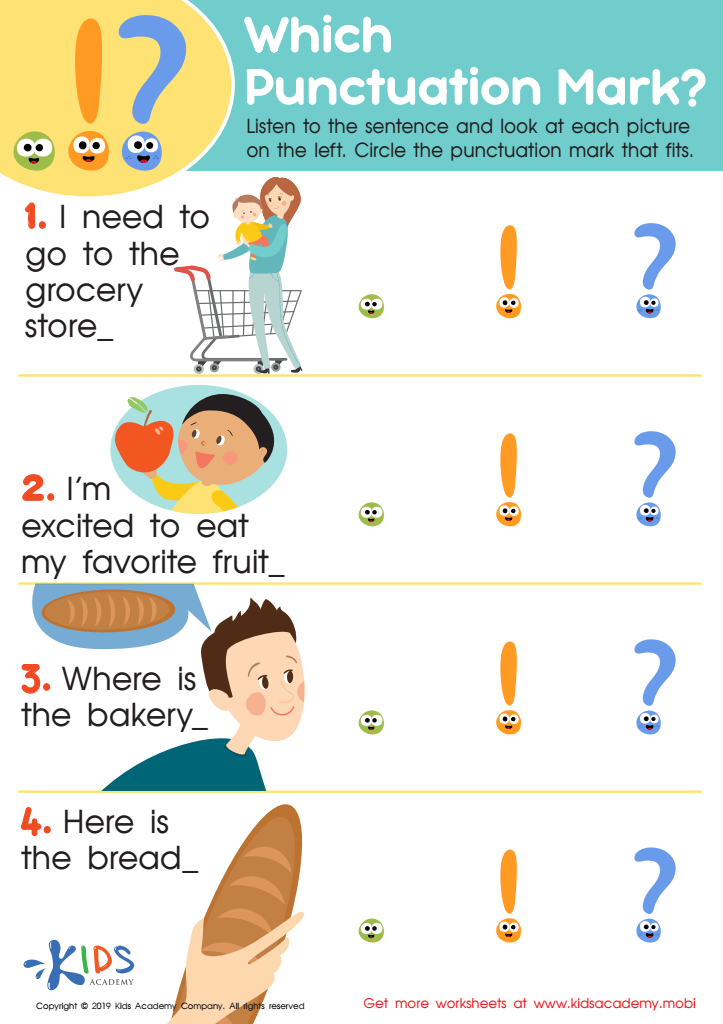
Which Punctuation Mark Worksheet
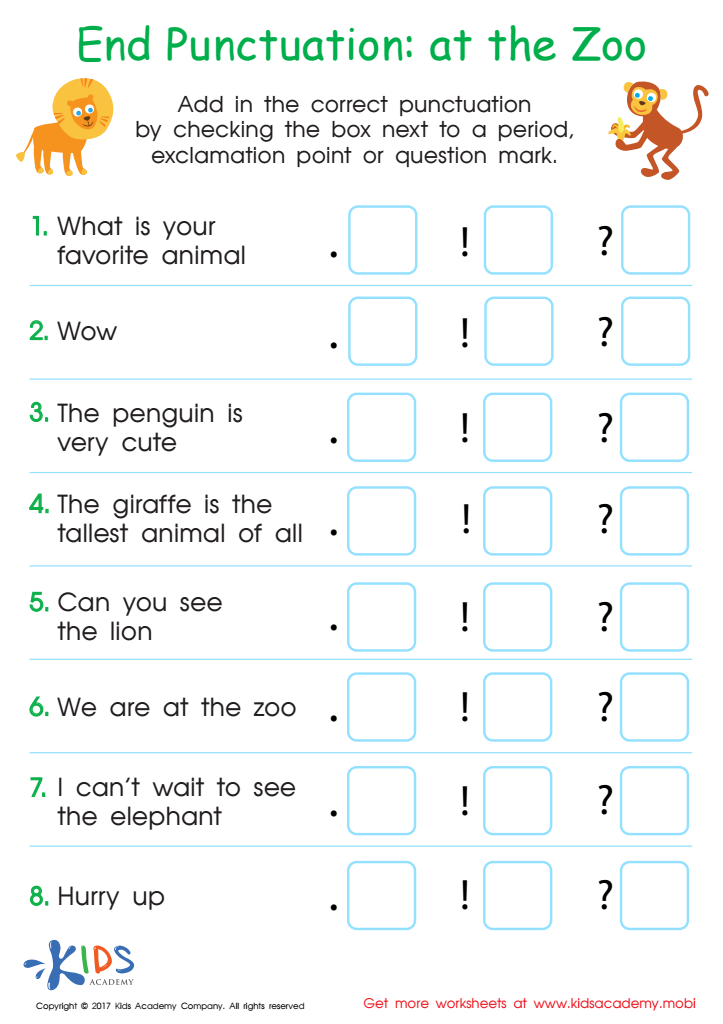
End Punctuation: At the Zoo Worksheet
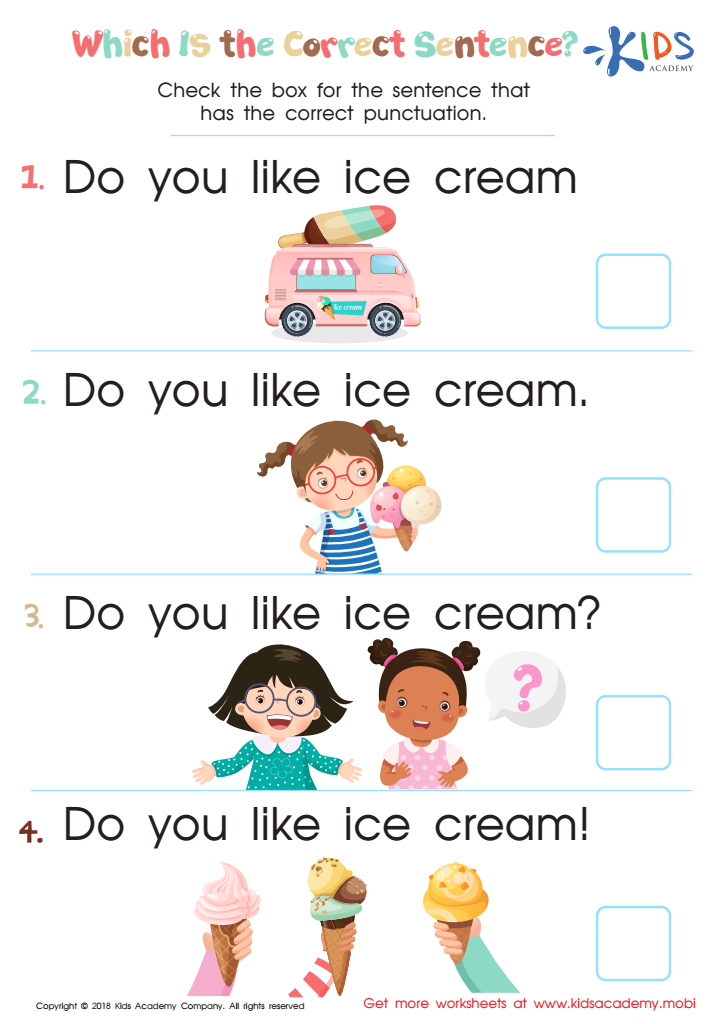
Which is the Correct Sentence? Worksheet
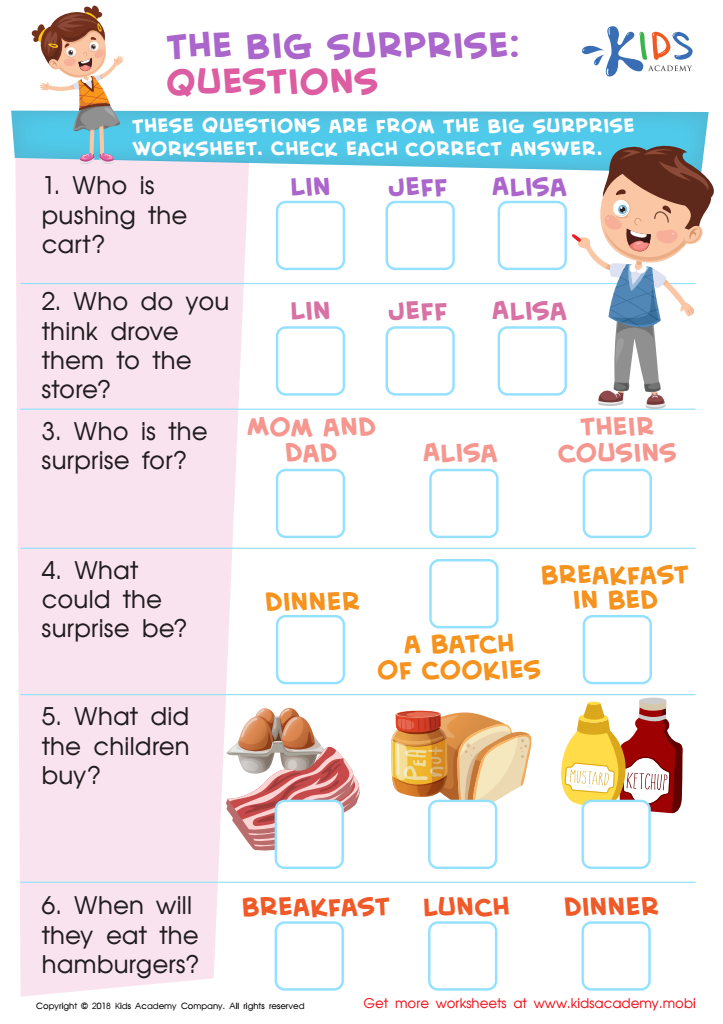
The Big Surprise: Questions Worksheet
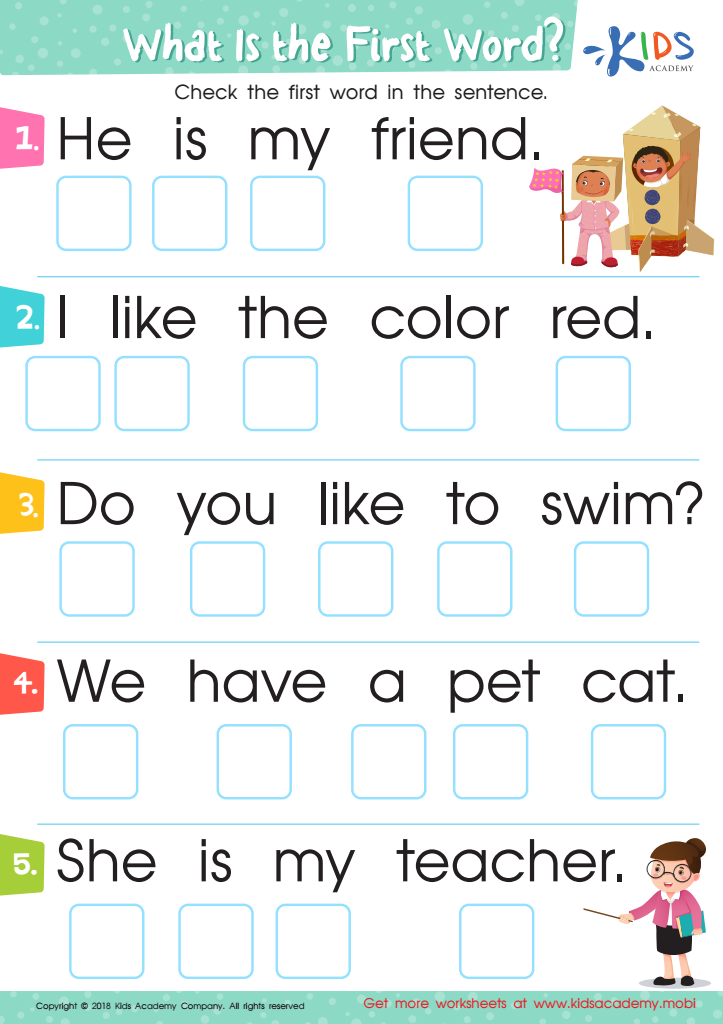
What is the First Word? Worksheet
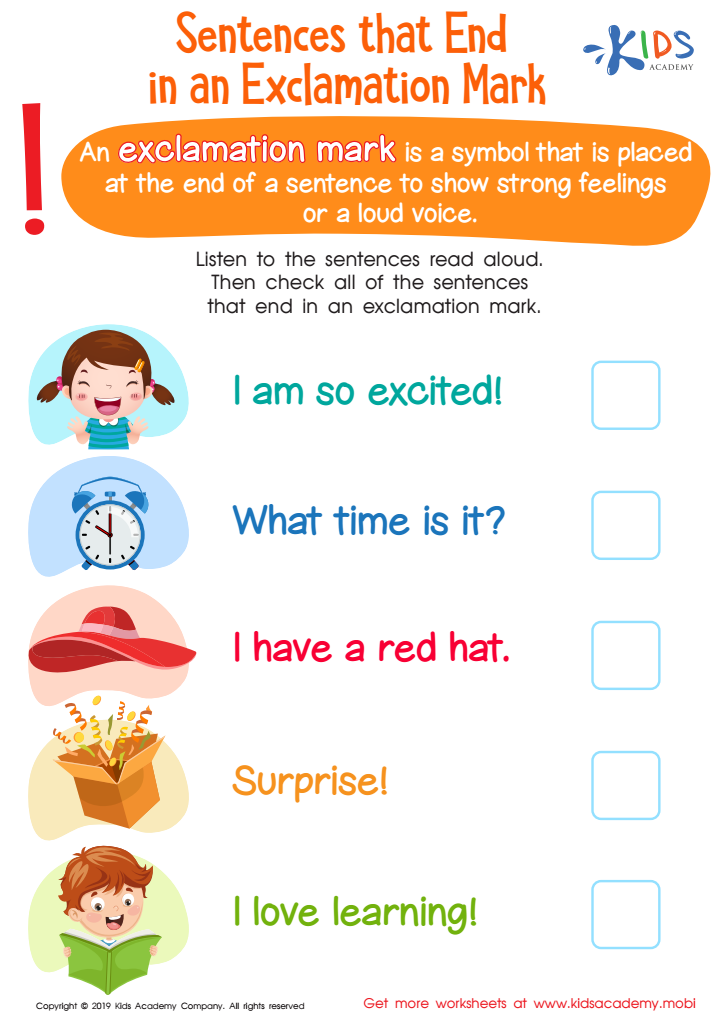
Sentences That End in an Exclamation Mark Worksheet
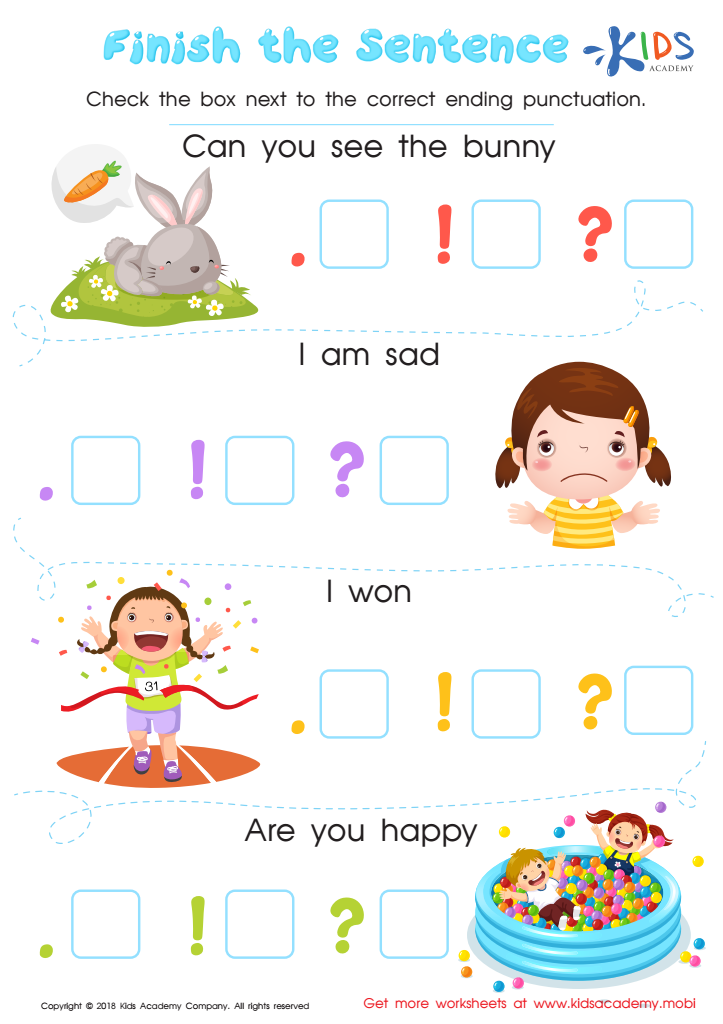
Finish the Sentence Worksheet
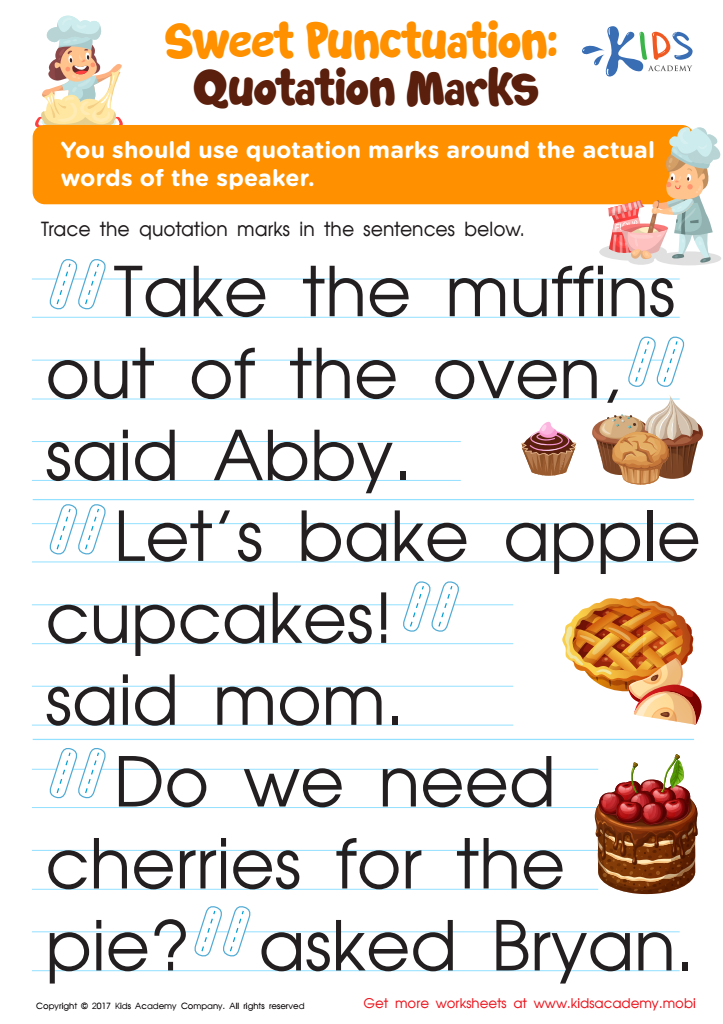
Commas and Quotation Marks Worksheet







Reading comprehension and punctuation are fundamental skills that significantly enhance children's literacy development, particularly between the ages of 3 and 8. During this critical period, children develop their foundational reading abilities, making it essential for parents and teachers to prioritize these aspects.
Punctuation serves as a road map for reading, helping children understand how to navigate the text. It indicates pauses, questions, and emotions, which fosters a deeper understanding of written language. By recognizing punctuation marks, children learn to read with appropriate intonation and expression, making comprehension more natural and engaging.
A strong grasp of reading comprehension allows children to extract meaning from the text, engage with stories, and connect with characters and plots. Encouraging conversations about books, asking questions, and discussing vocabulary helps children think critically about what they read. This early engagement builds confidence and fosters a love for reading, as children learn that stories carry meaning and can evoke emotions.
By focusing on these skills, parents and teachers can lay the groundwork for strong literacy, promoting academic success and a lifelong appreciation of reading. Ultimately, nurturing these abilities in young learners creates proficient readers who can navigate and enjoy a world filled with written language.