Alphabet Learning ABC Letters Worksheets for Ages 3-9
3 filtered results
-
From - To
Discover engaging ABC worksheets designed for children ages 3 to 9 to enhance their alphabet learning skills! Our Alphabet Learning ABC Letters Worksheets provide a fun, interactive way for young learners to master letter recognition, tracing, and phonics. With vibrant illustrations and age-appropriate activities, these worksheets cater to various learning styles, making it easy for kids to grasp essential literacy concepts. Ideal for both classroom settings and at-home learning, our resources encourage creativity and reinforce foundational skills in reading and writing. Support your child's journey in literacy with our comprehensive collection tailored to inspire and educate!
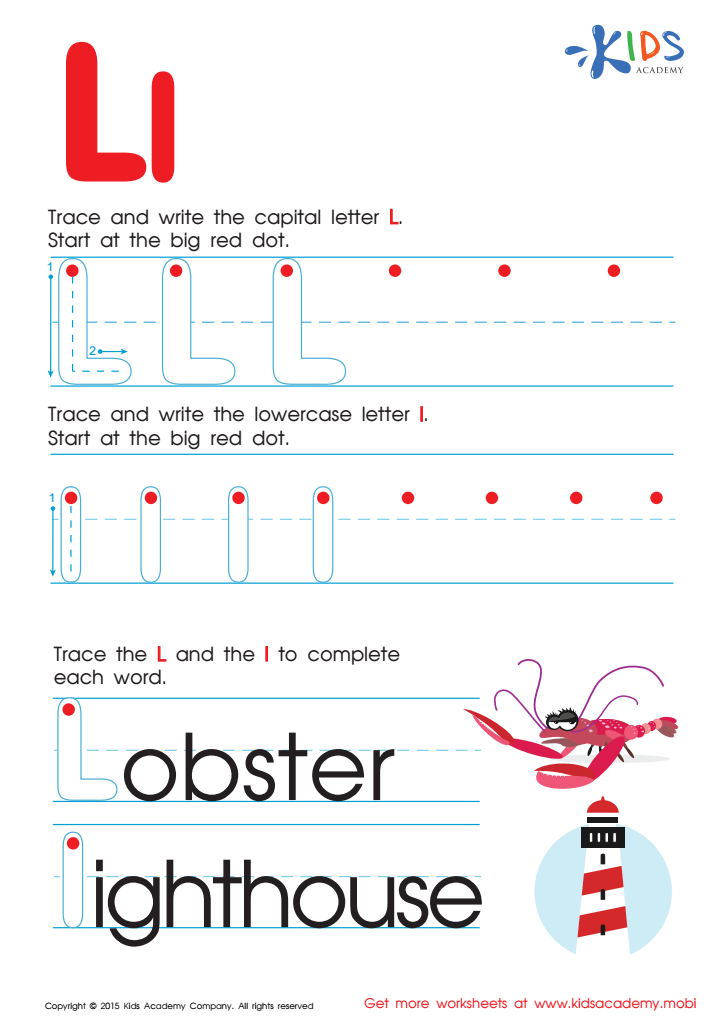
Letter L Tracing Page

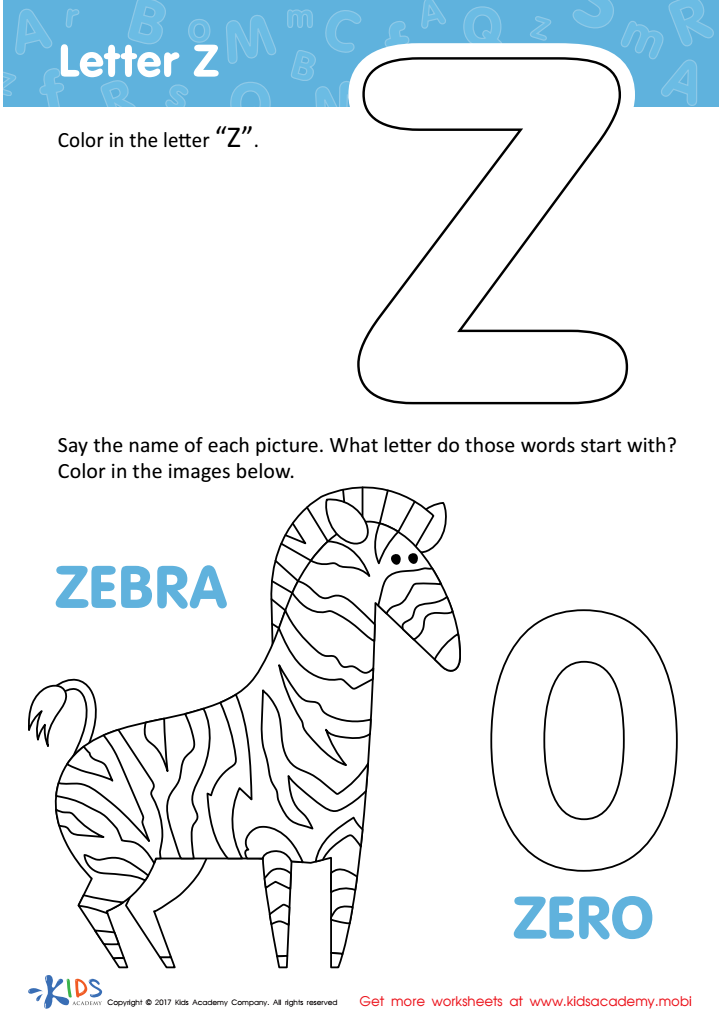
Letter Z Coloring Sheet
 Assign to My Students
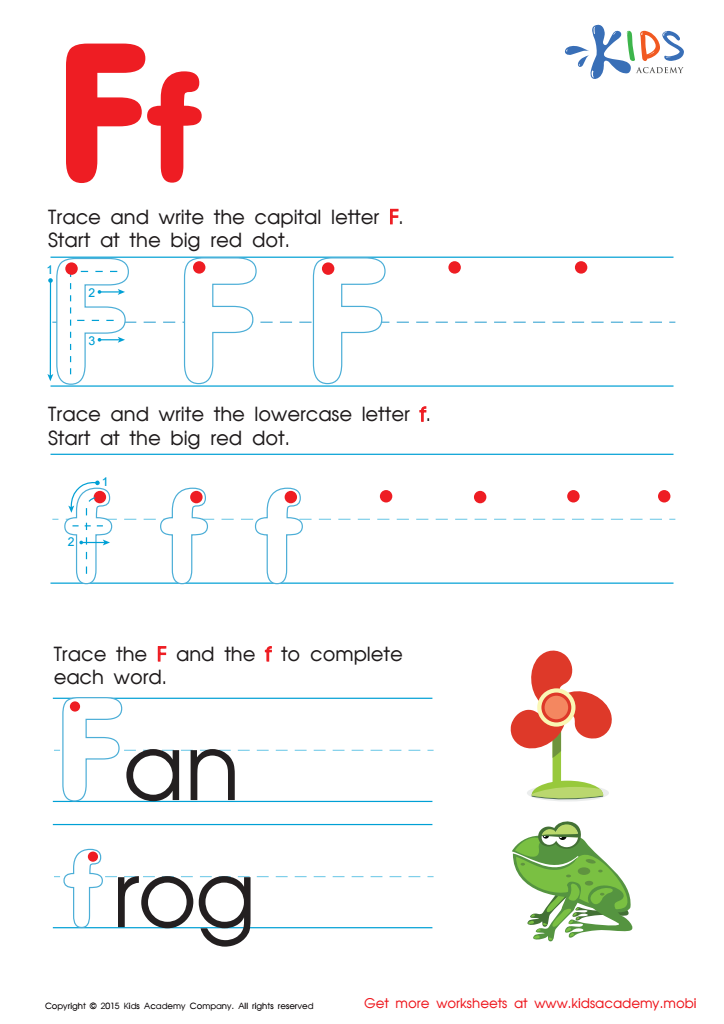
Letter F Tracing Page








Alphabet learning is foundational for children aged 3-9 as it sets the stage for literacy and language development. For parents and teachers, fostering alphabet recognition plays a crucial role in shaping a child's educational journey. Early exposure to the 26 letters of the alphabet enhances phonemic awareness, which is essential for effective reading and writing skills. By mastering the ABCs, children can decode words, sound out letters, and develop spelling abilities that are vital for academic success.
Moreover, alphabet activities engage children's cognitive skills through games, songs, and interactive play, making learning fun and memorable. These experiences encourage curiosity and a love for learning that boosts confidence in young learners.
Additionally, by helping children grasp alphabet concepts early, parents and teachers are preparing them for future educational challenges. The ability to recognize and understand letters is pivotal not only for literacy but also for broader academic pursuits. In today’s information-driven world, having strong reading and writing skills equips children to communicate effectively, access knowledge, and adapt to various learning environments.
In summary, supporting alphabet learning for ages 3-9 nurtures essential skills that influence lifelong learning and personal development.







