Handwriting practice ABC Letters Worksheets for Ages 3-9 - Page 2
26 filtered results
-
From - To
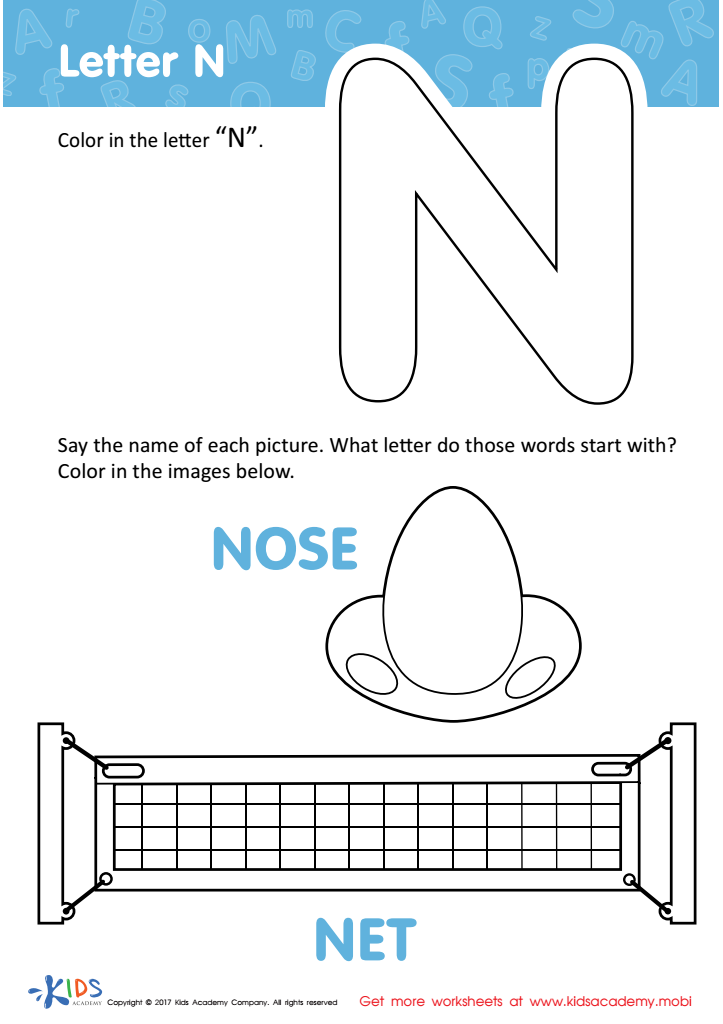
Letter N Coloring Sheet
 Assign to My Students






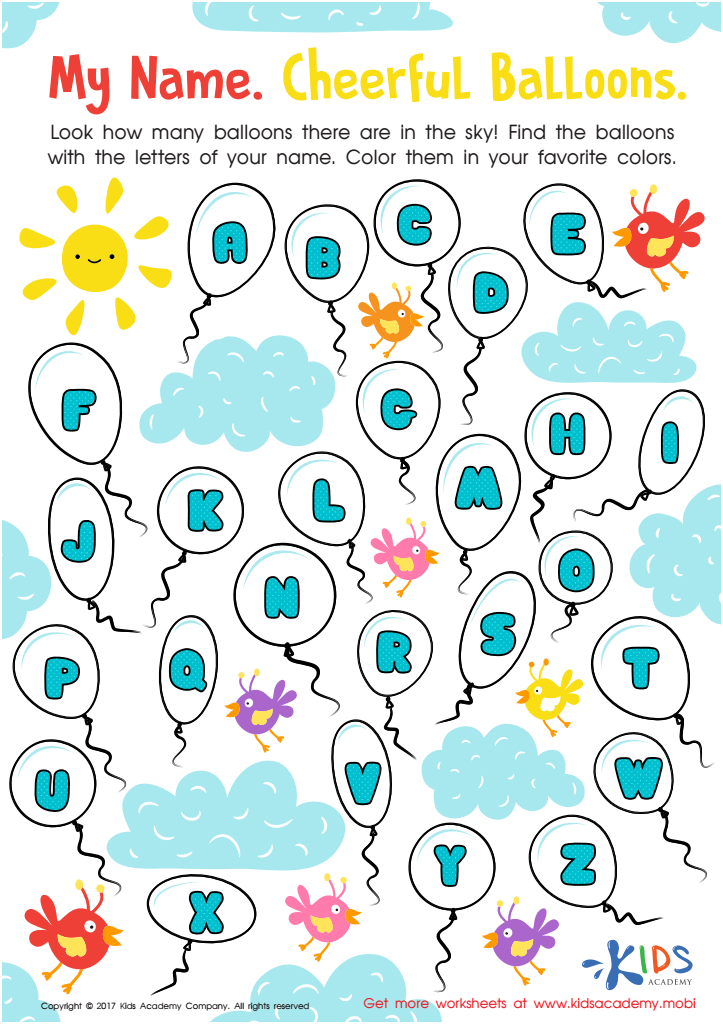
My Name: Cheerful Balloons Worksheet
Assign to My Students





Handwriting practice ABC letters for children aged 3-9 is crucial for several reasons. Firstly, it hones fine motor skills, essential for tasks ranging from tying shoelaces to using scissors. Grappling with a pencil cultivates hand-eye coordination and grip strength.
Secondly, handwriting practice nurtures literacy and cognitive development. Forming each letter manually embeds the shape, contributing to reading fluency and writing proficiency. This multisensory engagement accelerates letter recognition and phonics, foundational for early literacy.
Moreover, writing the ABCs is more than memorizing letters; it fosters patience and perseverance as children tackle forming each letter perfectly. Such disciplined practice builds focus, a crucial skill for all academic pursuits.
In an increasingly digital world, distinguishing writing from typing becomes essential. Research indicates that manual writing strengthens neural pathways, enhancing memory and comprehension—skills often underdeveloped in today's tech-centric education.
Teachers and parents, by emphasizing handwriting, impart an appreciation for tradition and attentiveness to detail. They lay an educational bedrock, enabling children to express ideas clearly and confidently. Thus, engaging in handwriting practice transcends mere skill acquisition; it is an integral part of holistic early childhood development.







