Letter recognition ABC Letters Worksheets for Ages 3-9 - Page 2
31 filtered results
-
From - To
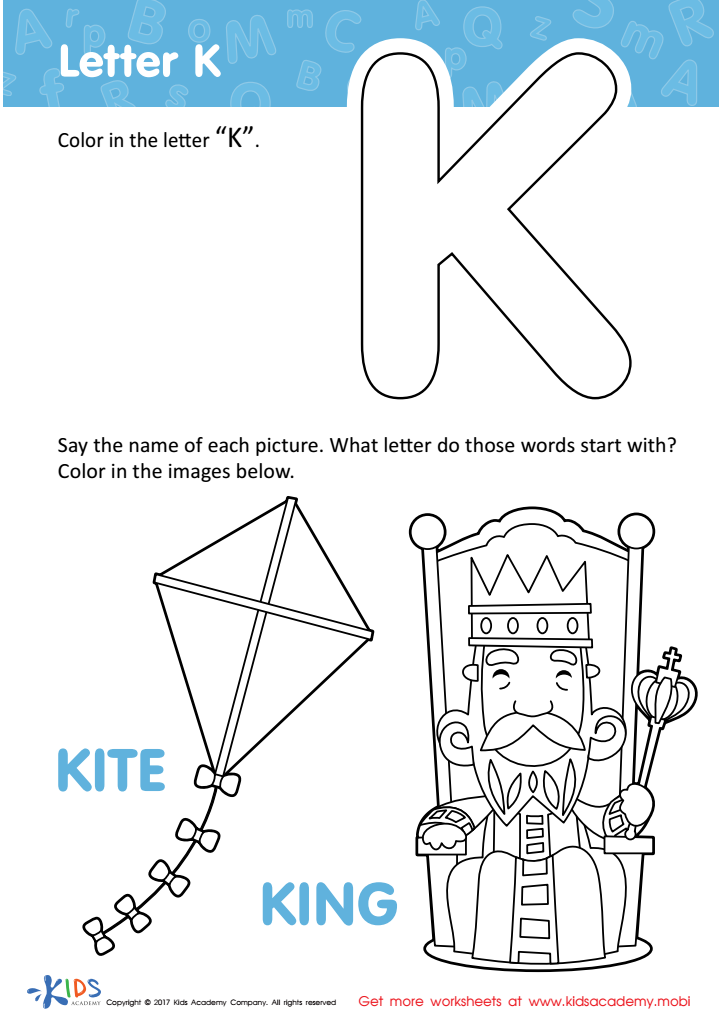
Letter K Coloring Sheet
 Assign to My Students

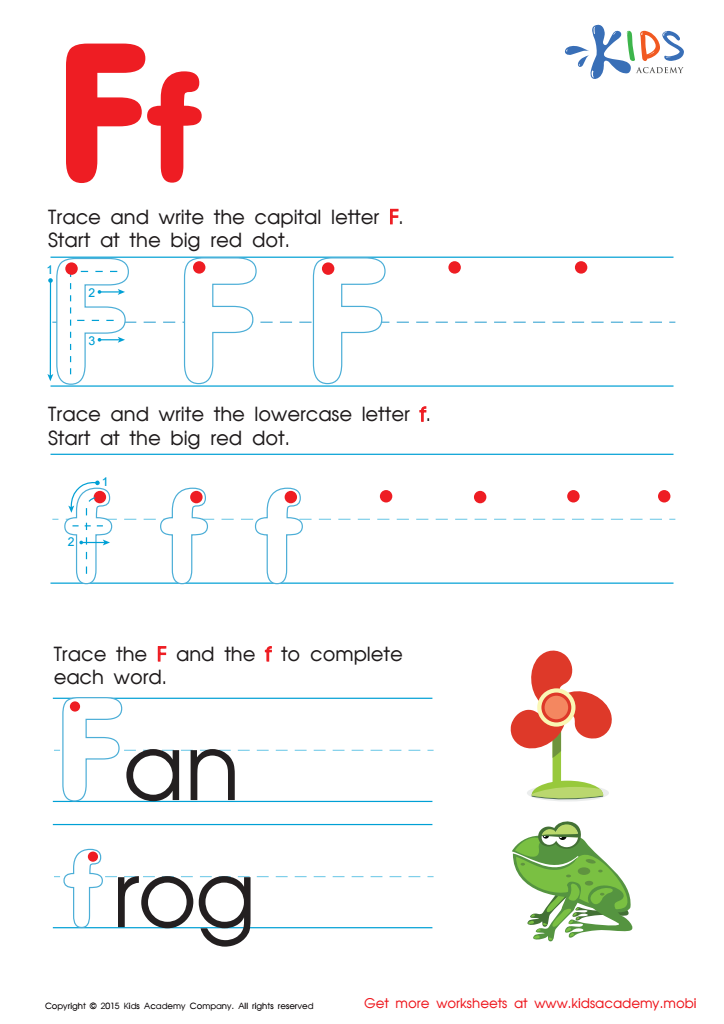
Letter F Tracing Page
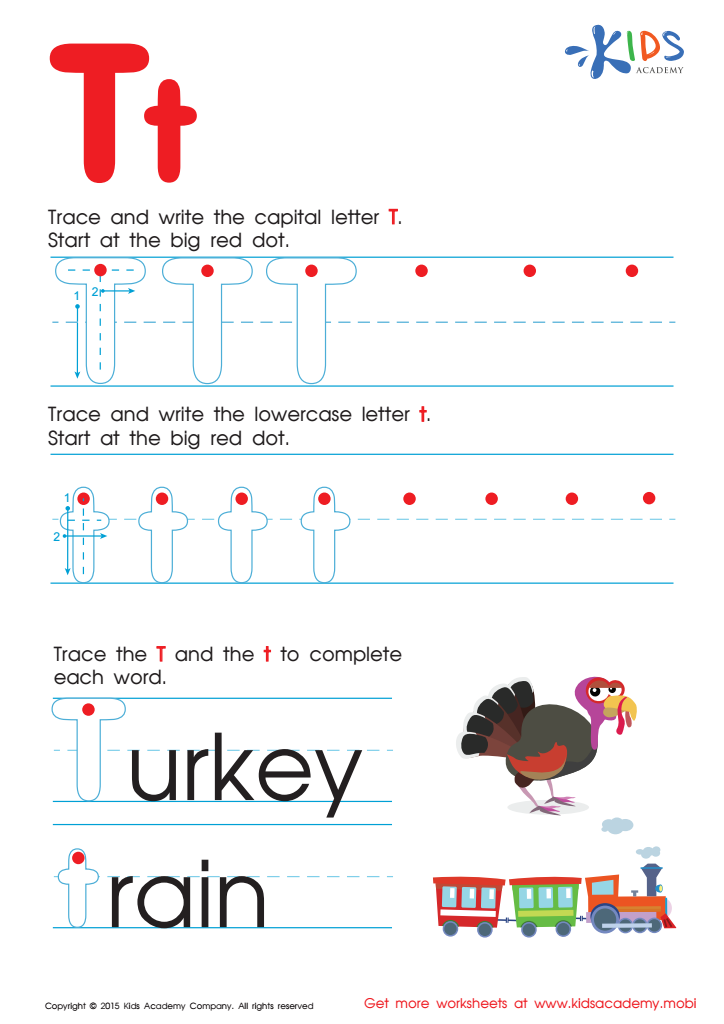
Letter T Tracing Page
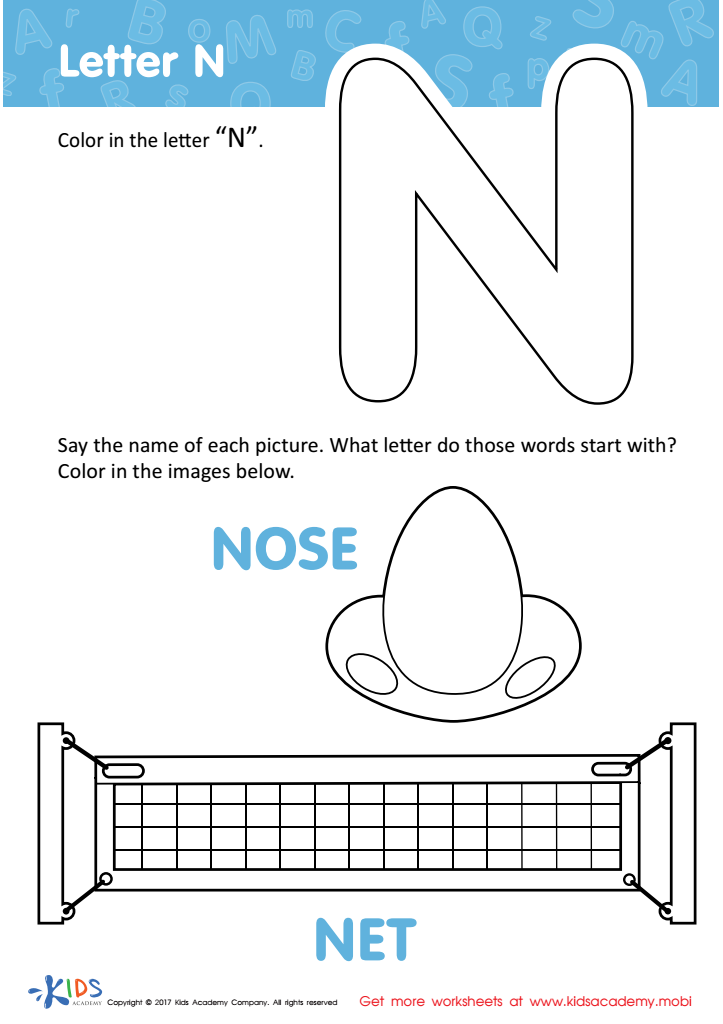
Letter N Coloring Sheet
Assign to My Students
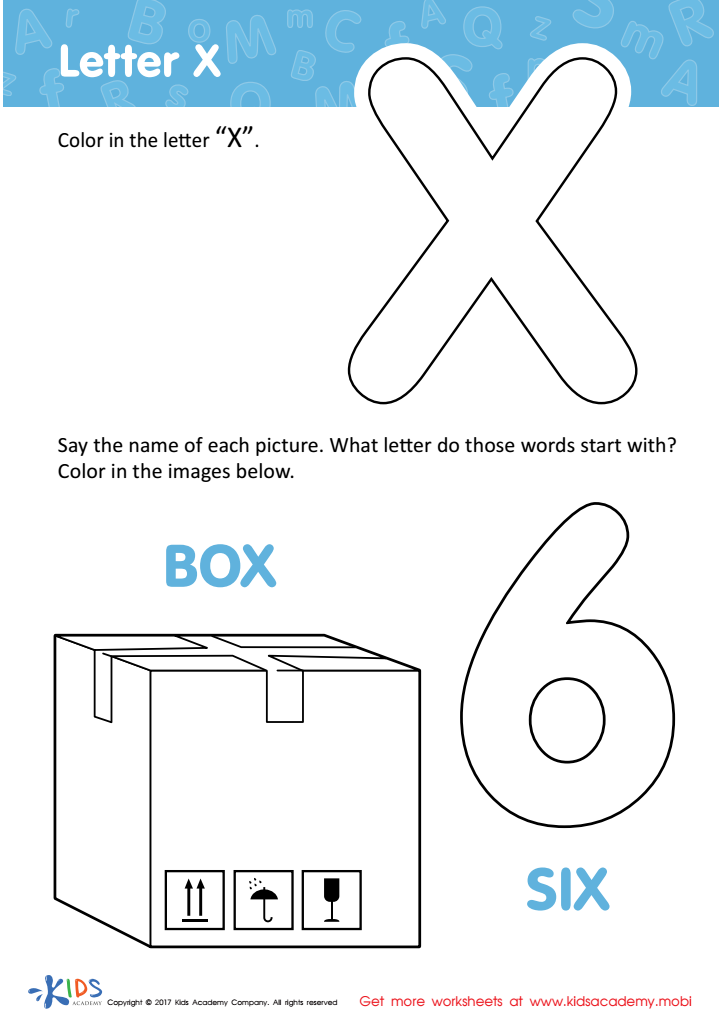
Letter X Coloring Sheet
Assign to My Students

Letter D Tracing Page
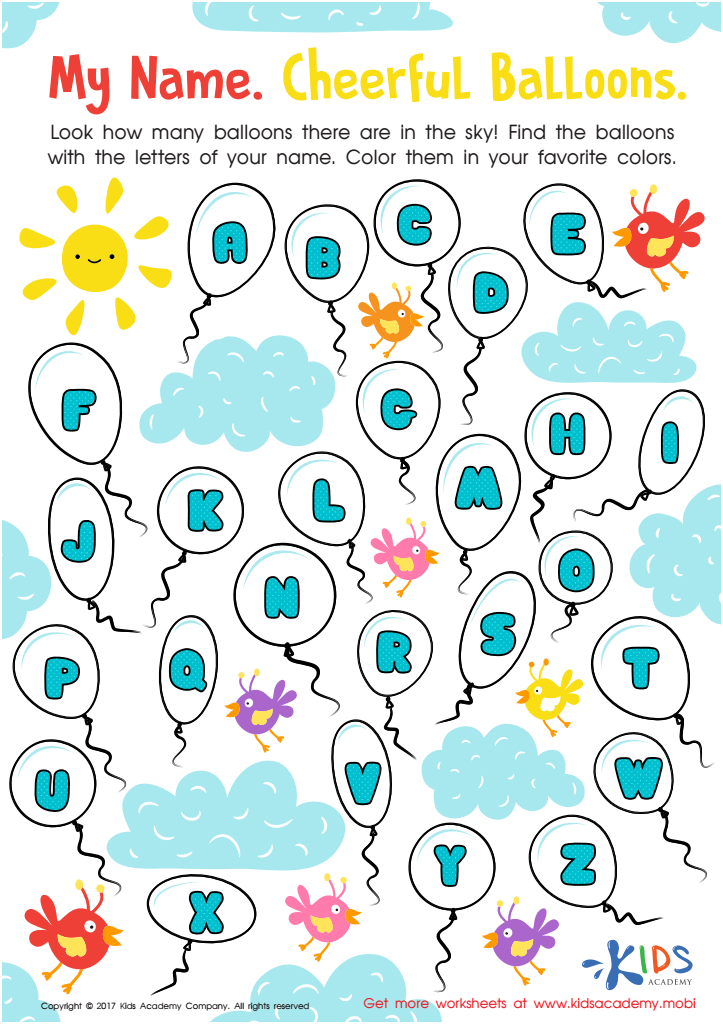
My Name: Cheerful Balloons Worksheet
Assign to My Students





Letter recognition is a foundational skill essential for early literacy development in children aged 3 to 9. Parents and teachers should prioritize this skill because it serves as the gateway to reading and writing. Recognizing letters enables children to decode words, understand relationships between sounds and letters, and build vocabulary. It fosters confidence and a sense of accomplishment as they begin to read independently.
Moreover, early letter recognition is linked to successful academic outcomes later in life. Children who master this skill in preschool or kindergarten are better equipped for the complexities of language, literacy, and overall learning in subsequent grades. Engaging in activities that promote letter recognition — such as phonics games, alphabet songs, and interactive reading — not only reinforces cognitive skills but also nurtures a love for learning.
Additionally, understanding the various shapes and sounds of letters helps develop fine motor skills through activities like writing and drawing, which are fundamental for more advanced curriculum demands. By supporting letter recognition, parents and teachers not only enhance literacy but also encourage critical thinking, creativity, and effective communication in young learners—skills that are invaluable throughout their educational journey and beyond.







