Phonics Skills Elementary Phonics Worksheets for Ages 3-9
4 filtered results
-
From - To
Discover our engaging Phonics Skills Elementary Phonics Worksheets designed for children ages 3-9! These interactive resources are perfect for developing essential phonics skills, helping young learners master letter sounds, word recognition, and reading fluency. Each worksheet is crafted to make learning fun and accessible, featuring colorful illustrations and hands-on activities that captivate young minds. Strengthen your child’s foundational literacy skills through a variety of exercises, from letter identification to decoding simple words. Ideal for classroom use or at-home practice, our phonics worksheets support diverse learning styles while promoting a love for reading. Start your child’s phonics journey today!
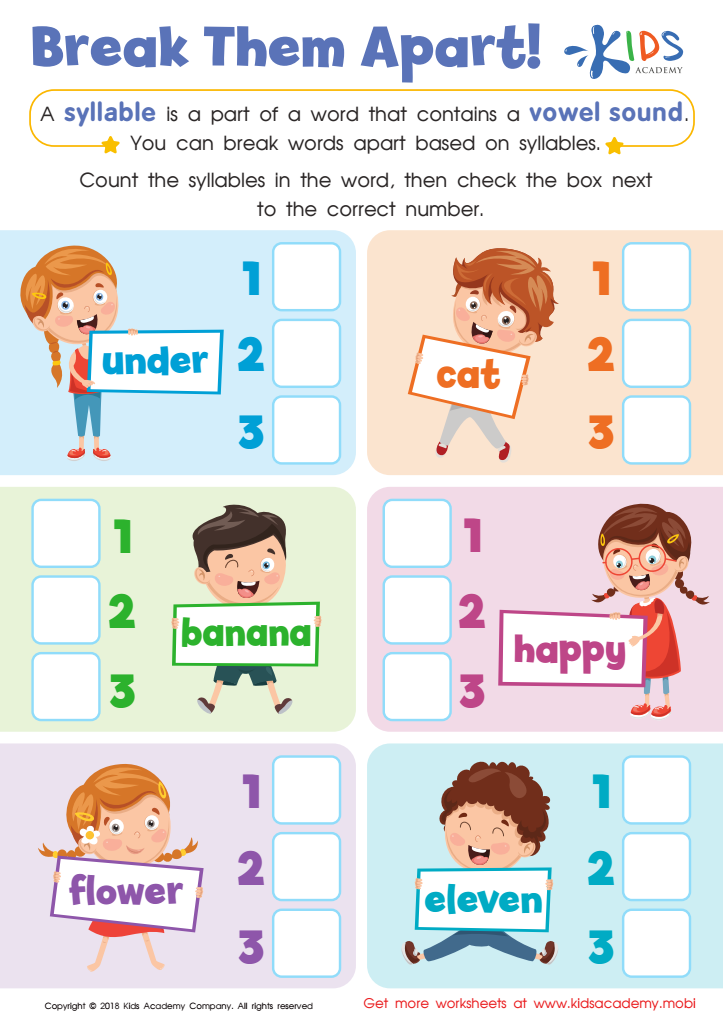
Reading: Break Them Apart Worksheet
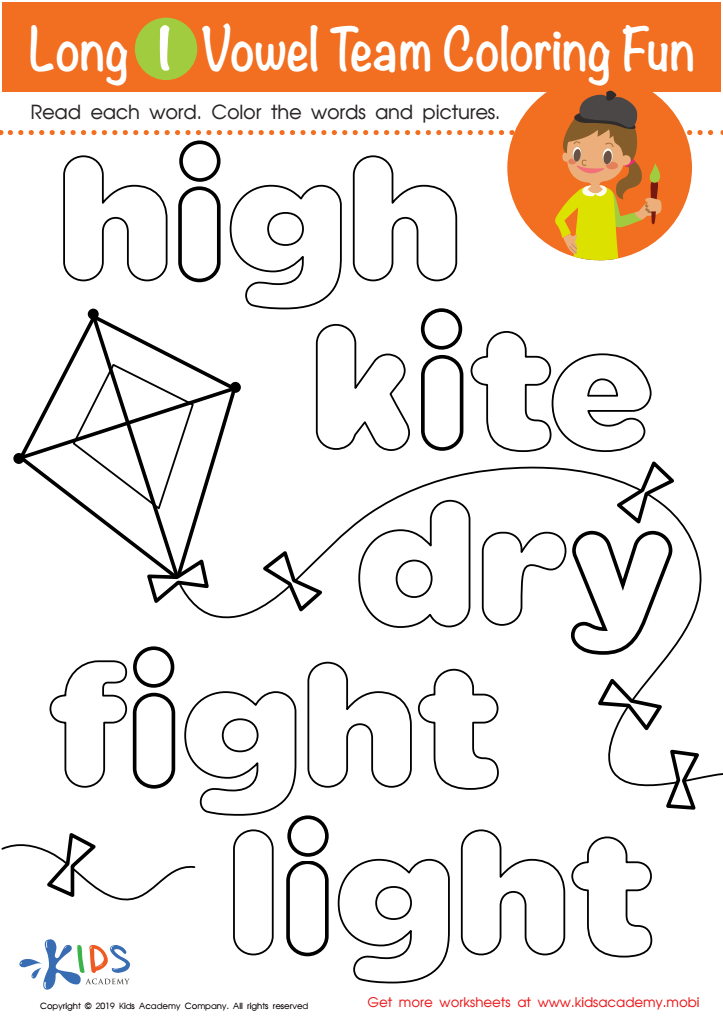
Long I Vowel Team Coloring Worksheet
 Assign to My Students

Long and Short E Worksheet
Assign to My Students
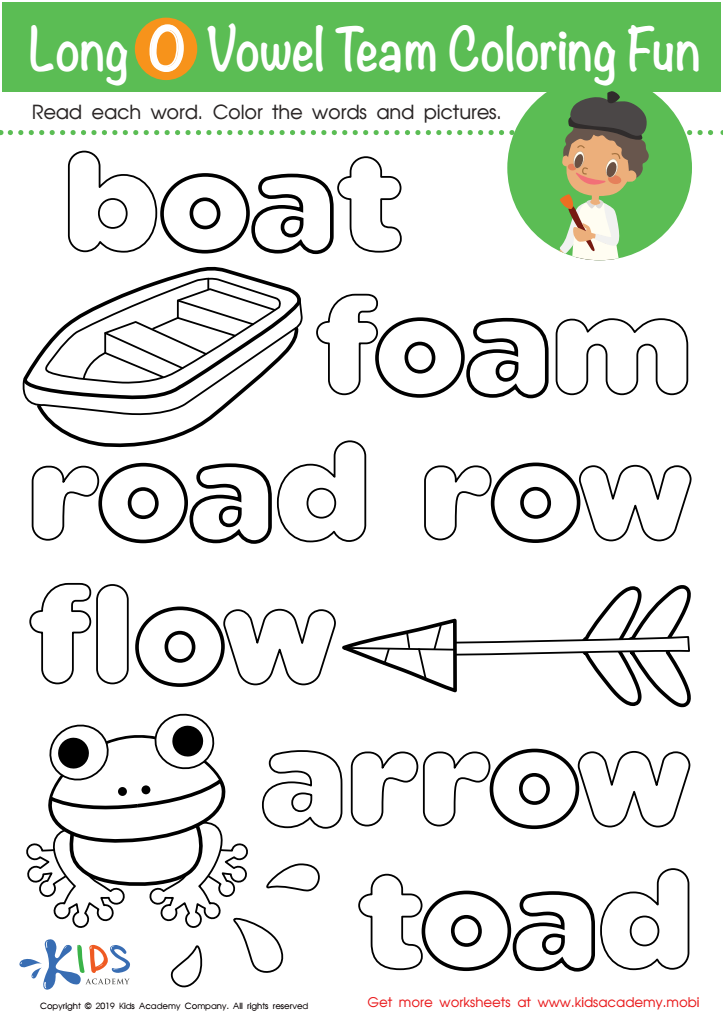
Long O Vowel Team Coloring Worksheet
Assign to My Students




Phonics skills are essential for children's early literacy development, making them a crucial focus for parents and teachers of children aged 3 to 9. Phonics involves the relationship between sounds and the letters that represent those sounds, forming the building blocks for reading and writing. A solid understanding of phonics equips children with the ability to decode words independently, fostering confidence in their literacy skills.
By emphasizing phonics, parents and teachers can help children develop strong foundational skills that will support their reading fluency, comprehension, and overall academic success. Children who are proficient in phonics are more likely to become lifelong readers, enjoying the cognitive and emotional benefits that reading brings.
Moreover, early exposure to phonics can prevent reading difficulties later in life. Research indicates that children who struggle with phonics in their early years are more likely to face ongoing issues with reading, which can negatively impact their self-esteem and academic performance. Thus, focusing on phonics not only enhances immediate literacy skills but also sets children up for future educational achievement.
In summary, prioritizing phonics skills at an early age is vital for fostering confident, independent learners equipped for long-term success in their reading and writing journeys.







