Reading development Alphabet Worksheets for Ages 3-9
5 filtered results
-
From - To
Discover our engaging Reading Development Alphabet Worksheets designed specifically for children aged 3-9! These printable resources support early literacy skills by introducing the fundamentals of alphabet recognition and phonemic awareness. Our worksheets are crafted to make learning fun and effective, with a variety of activities that cater to different learning styles. From identifying letters to improving vocabulary, these worksheets provide a solid foundation for young readers. Perfect for both classroom use and at-home practice, they encourage creativity while enhancing reading confidence. Equip your child with essential skills for lifelong learning with our comprehensive alphabet worksheets today!
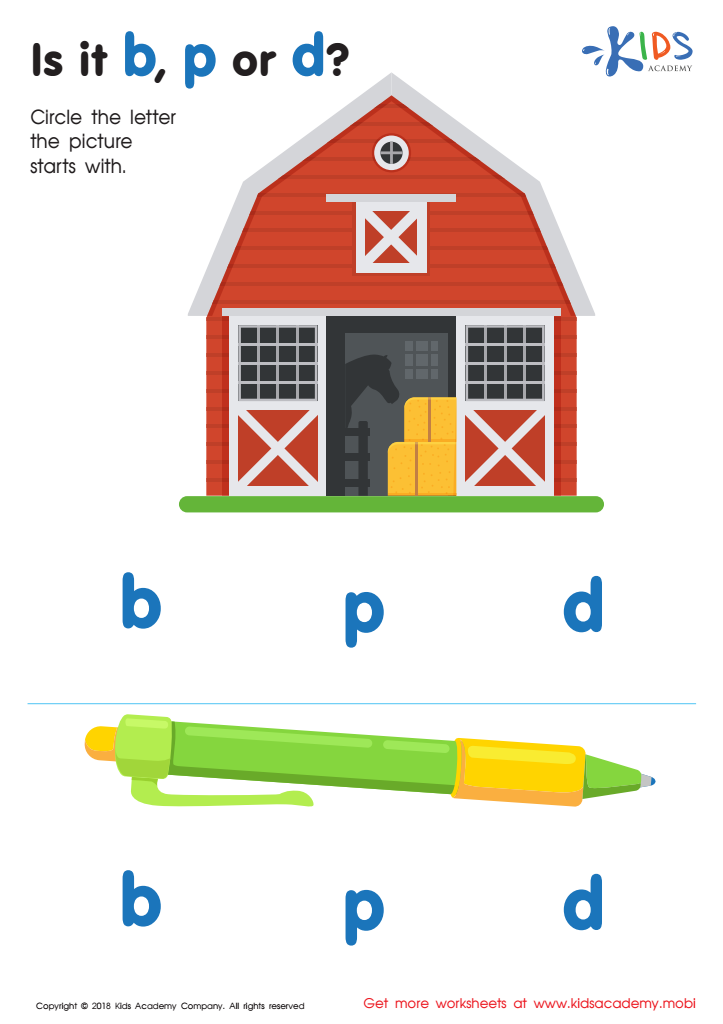
Is it b, p or d? Worksheet
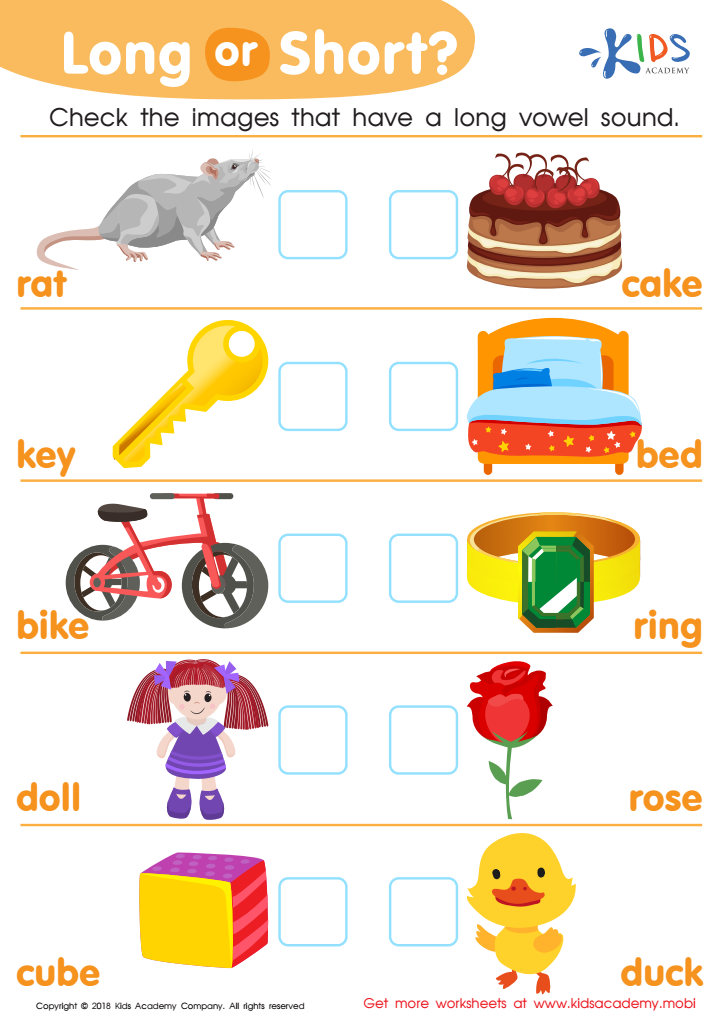
Long or Short Reading Worksheet
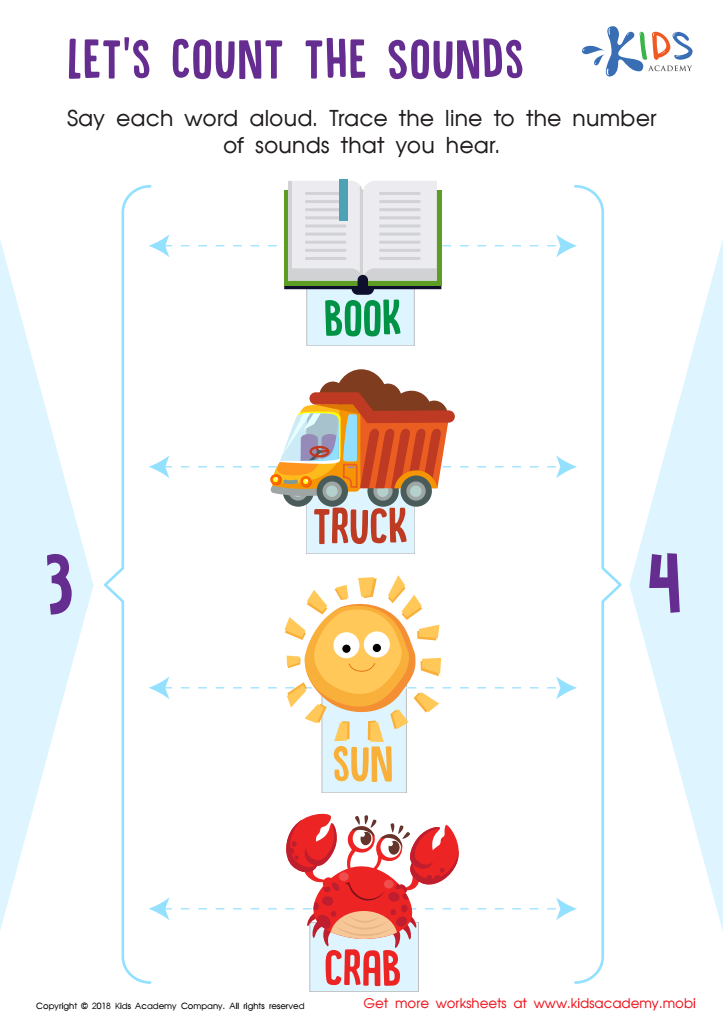
Let's Count the Sounds Worksheet
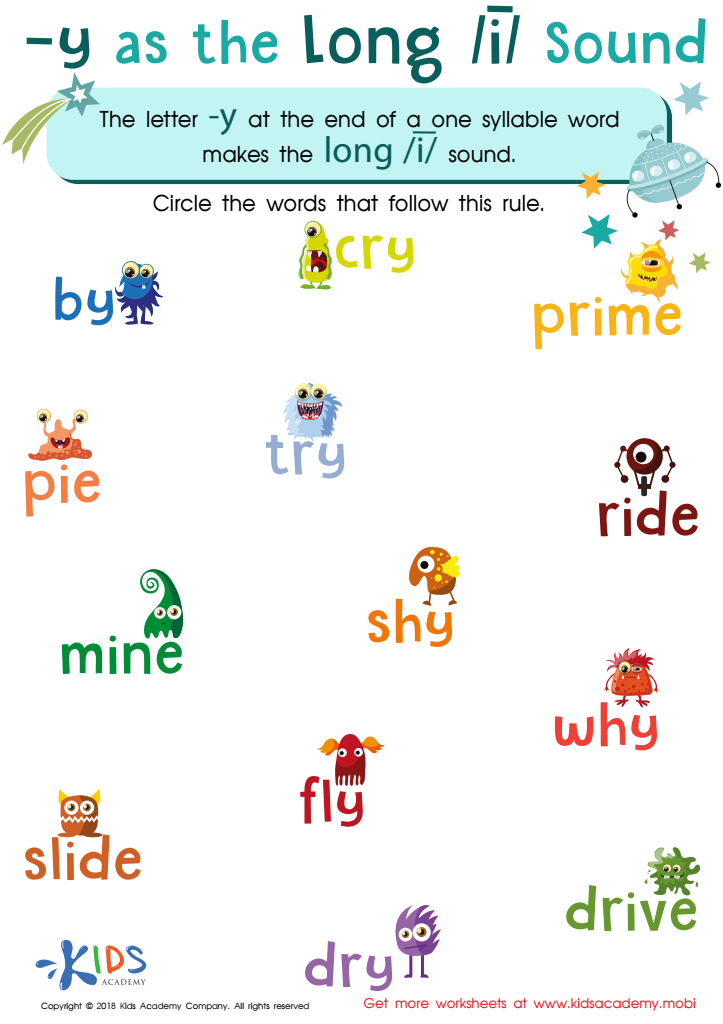
Reading: Y as Long I Worksheet
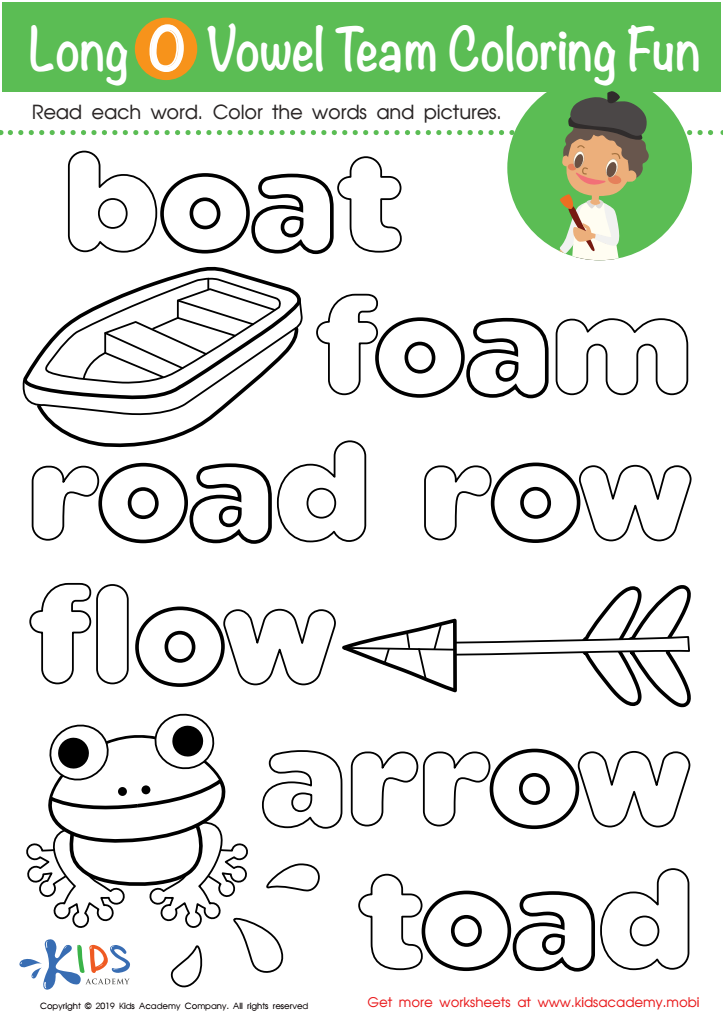
Long O Vowel Team Coloring Worksheet
 Assign to My Students





.jpg)


Reading development during ages 3-9 is crucial as it serves as the foundation for a child's future academic success and lifelong learning. At this age, children are in a critical developmental stage where they begin to understand the connection between letters and sounds, paving the way for effective reading skills. The Alphabet is the building block of literacy; children learn to recognize letters, understand their shapes, and build vocabulary.
Parents and teachers play an essential role in this process. Engaging children with alphabet-related activities can enhance their phonemic awareness and stimulate their interest in reading. Interactive approaches such as singing the alphabet song, using flashcards, and playing letter recognition games make learning fun and engaging. These experiences foster a love for reading and language at an early age.
Additionally, research indicates that early exposure to reading activities can improve cognitive development, boost self-esteem, and strengthen critical thinking skills. By prioritizing reading development during these formative years, parents and teachers not only contribute to immediate academic gains but also enhance children's confidence and communication skills, setting the stage for future success in school and beyond. Therefore, fostering a strong literacy foundation should be a top priority for caregivers and educators alike.







